Harper Lewis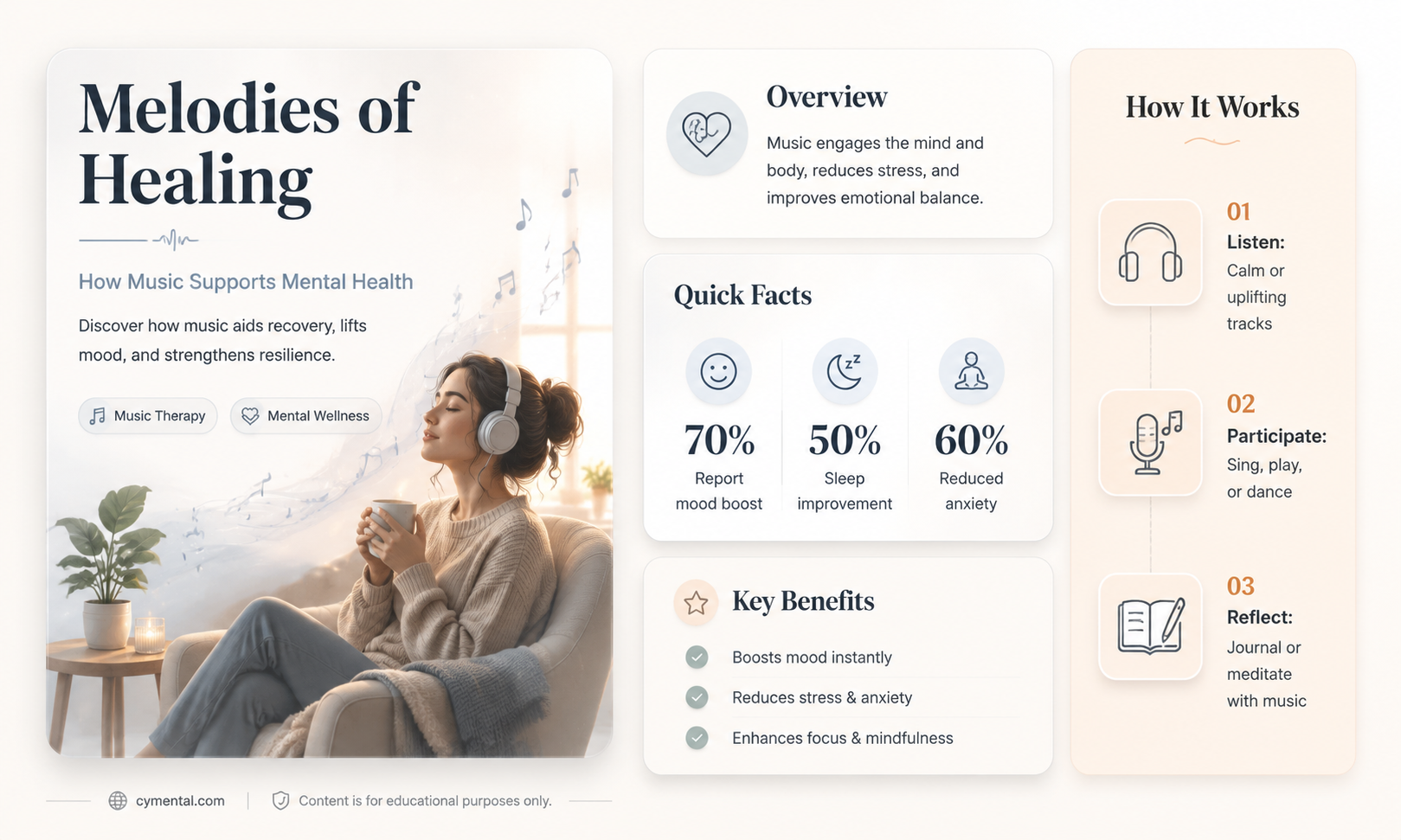
Music has long been recognized as a powerful tool for emotional expression and healing, and its potential to alleviate symptoms of mental illness is a topic of growing interest in both scientific and therapeutic communities. Research suggests that engaging with music, whether through listening, playing, or creating, can have profound effects on mental health by reducing stress, anxiety, and depression, while also improving mood and cognitive function. Music therapy, in particular, has emerged as a complementary treatment for conditions such as PTSD, schizophrenia, and bipolar disorder, offering a non-invasive and accessible way to support emotional regulation and overall well-being. As the connection between music and mental health continues to be explored, it underscores the transformative role that music can play in managing and improving mental illness.
Explore related products


What You'll Learn
- Music therapy reduces anxiety and depression symptoms through structured sessions and emotional expression
- Listening to music lowers stress by decreasing cortisol levels and promoting relaxation
- Creating music enhances cognitive function and provides a sense of accomplishment and purpose
- Music fosters social connections, reducing loneliness and improving mental well-being in group settings
- Rhythmic patterns in music can regulate mood and improve focus in individuals with ADHD

Music therapy reduces anxiety and depression symptoms through structured sessions and emotional expression
Music therapy, a clinical intervention rooted in evidence-based practices, has emerged as a powerful tool for alleviating symptoms of anxiety and depression. Unlike passive listening, structured music therapy sessions are led by trained professionals who tailor activities to individual needs. These sessions often include improvisation, songwriting, or guided listening, designed to foster emotional expression and self-awareness. For instance, a study published in the *Journal of Music Therapy* found that adults with depression who participated in 12 weekly 45-minute sessions reported significant reductions in symptom severity compared to a control group. The structured nature of these sessions provides a safe space for individuals to explore and process emotions, often bypassing the limitations of verbal communication.
Consider the mechanics of how music therapy works. Rhythm, melody, and harmony engage multiple areas of the brain, including those responsible for emotion regulation and stress response. For example, drumming exercises can synchronize brainwaves, promoting a state of calm, while lyrical analysis encourages introspection. A practical tip for integrating music therapy principles at home is to create a "mood playlist" with songs that reflect and gradually shift emotional states—starting with tracks that mirror current feelings and ending with those that evoke hope or tranquility. This self-guided approach, while not a substitute for professional therapy, can complement clinical interventions.
One of the most compelling aspects of music therapy is its ability to facilitate emotional expression, particularly for those who struggle with verbal communication. Adolescents, for instance, often find it easier to express complex emotions through songwriting or instrument playing. A case study involving a 16-year-old with generalized anxiety disorder demonstrated that after 8 biweekly sessions, the participant reported improved emotional regulation and reduced anxiety levels. The therapist noted that the structured yet creative nature of the sessions allowed the teen to externalize fears and frustrations in a non-threatening way. This highlights the importance of tailoring music therapy to age-specific needs, as younger individuals may respond differently than adults.
While music therapy shows promise, it’s essential to approach it with realistic expectations. Not all individuals will experience the same level of benefit, and it’s often most effective when combined with other treatments like cognitive-behavioral therapy or medication. Additionally, the "dosage" of music therapy matters—sessions are typically 30 to 60 minutes long, conducted weekly or biweekly, and span 8 to 12 weeks for measurable outcomes. For those considering this approach, finding a board-certified music therapist is crucial, as they possess the training to design interventions that address specific mental health challenges. Ultimately, music therapy’s strength lies in its ability to merge structure with creativity, offering a unique pathway to healing.
First Responders' Mental Health: Personal Struggles and Support Solutions
You may want to see also
Explore related products





Listening to music lowers stress by decreasing cortisol levels and promoting relaxation
Music has a profound impact on our physiological state, particularly when it comes to stress reduction. Research shows that listening to music can significantly lower cortisol levels, the hormone associated with stress. A study published in the *Journal of Music Therapy* found that participants who listened to relaxing music for just 20 minutes experienced a measurable decrease in cortisol compared to those who rested in silence. This effect is not limited to classical or ambient genres; any music that resonates personally with the listener can trigger this response. For instance, someone might find solace in jazz, while another benefits from heavy metal, as long as it elicits positive emotions.
To harness music’s stress-reducing power, consider incorporating it into daily routines. Start by setting aside 15–30 minutes each day for dedicated listening, ideally in a quiet, comfortable space. Use headphones to enhance focus and minimize distractions. Pair this practice with deep breathing exercises to amplify relaxation. For those with busy schedules, even short bursts of music—like a 5-minute playlist during a work break—can help reset cortisol levels. Apps like Spotify or Calm offer curated playlists designed for stress relief, making it easier to find the right tunes.
While music is a powerful tool, its effectiveness depends on individual preferences and context. Experiment with different genres, tempos, and volumes to identify what works best for you. For example, slower tempos (60–80 beats per minute) are often more calming, but some may find faster rhythms energizing and stress-relieving. Additionally, avoid over-relying on music as a sole stress management strategy; combine it with other practices like exercise, mindfulness, or therapy for a holistic approach.
A practical tip for maximizing music’s benefits is to create a personalized "stress-relief" playlist. Include songs that evoke positive memories or emotions, as these are more likely to reduce cortisol levels. Update the playlist regularly to keep it engaging and effective. For parents or caregivers, playing calming music for children during homework or bedtime can also lower their stress levels, fostering a more relaxed environment for the entire household.
In conclusion, listening to music is a simple yet effective way to combat stress by lowering cortisol and promoting relaxation. By understanding its mechanisms and tailoring its use to individual needs, anyone can integrate this accessible tool into their mental health toolkit. Whether through structured listening sessions or casual background music, the key is consistency and personalization. As research continues to uncover music’s therapeutic potential, its role in managing mental health challenges becomes increasingly clear.
Strategies to Foster Mental Resilience and Prevent Psychological Disorders
You may want to see also
Explore related products

$27.95



Creating music enhances cognitive function and provides a sense of accomplishment and purpose
Music creation is a powerful tool for cognitive enhancement, offering a unique blend of mental stimulation and emotional fulfillment. When individuals engage in composing, playing, or producing music, they activate multiple areas of the brain simultaneously. This process improves neural connectivity, particularly in regions associated with memory, attention, and problem-solving. For instance, studies have shown that learning to play an instrument can increase gray matter volume in the corpus callosum, enhancing communication between the brain’s hemispheres. Such cognitive benefits are particularly valuable for individuals struggling with mental health issues, as they can counteract symptoms like cognitive fog or reduced focus often associated with conditions like depression or anxiety.
To harness these benefits, consider incorporating music creation into a structured routine. Start with 20–30 minutes daily, focusing on activities like songwriting, improvising, or even experimenting with digital music software. Beginners can begin with simple exercises, such as creating a four-chord progression or drumming to a metronome, to build foundational skills without feeling overwhelmed. Advanced creators might explore complex compositions or collaborations, which further challenge cognitive abilities. The key is consistency; regular engagement ensures sustained brain stimulation and gradual improvement in mental acuity.
Beyond cognitive function, creating music fosters a profound sense of accomplishment and purpose. Completing a musical piece, no matter how small, provides tangible evidence of one’s creativity and effort. This achievement can be particularly impactful for those grappling with feelings of worthlessness or lack of direction, common in mental health struggles. For example, a teenager with social anxiety might find purpose in producing a song that resonates with others, while an adult with depression could rediscover joy in mastering a new instrument. These successes, though personal, can serve as stepping stones toward broader emotional healing.
Practical tips for maximizing this sense of accomplishment include setting realistic goals, such as finishing a short melody or recording a verse, and celebrating each milestone. Sharing creations with a trusted friend or online community can also amplify feelings of validation. However, it’s crucial to avoid self-criticism; focus on progress rather than perfection. For those in therapy, integrating music creation into sessions can provide a non-verbal outlet for emotions, deepening the therapeutic process.
In conclusion, creating music is not just an artistic endeavor but a therapeutic practice with measurable cognitive and emotional benefits. By stimulating the brain and offering a sense of achievement, it addresses both the mental and psychological dimensions of well-being. Whether through casual experimentation or dedicated practice, music creation holds the potential to transform lives, one note at a time.
Social Workers' Role in Mental Health Support: Impact and Challenges
You may want to see also
Explore related products


Music fosters social connections, reducing loneliness and improving mental well-being in group settings
Music’s ability to bridge emotional gaps is perhaps most evident in group settings, where shared rhythms and melodies create unspoken bonds. Consider a drumming circle: participants synchronize their beats, fostering a collective experience that transcends language and cultural barriers. This synchronization activates mirror neurons in the brain, creating a sense of unity and belonging. Studies show that such activities reduce cortisol levels by up to 20%, indicating lower stress and increased social cohesion. For individuals struggling with mental illness, this communal engagement can counteract the isolating effects of conditions like depression or anxiety, offering a non-verbal pathway to connection.
To harness music’s social potential, structured group activities are key. Choir practices, for instance, combine vocal harmony with teamwork, requiring members to listen, adapt, and collaborate. Research from the *Journal of Music Therapy* highlights that weekly 60-minute choir sessions over 8 weeks significantly improved participants’ self-reported loneliness scores. For older adults, intergenerational choirs pair seniors with younger singers, combating age-related isolation while fostering empathy across age groups. Practical tip: start with simple songs and gradually introduce harmonies to build confidence and camaraderie.
Contrast this with solitary music listening, which, while beneficial, lacks the interactive element crucial for social bonding. Group settings amplify music’s impact by embedding it in a shared context. Take *Music for Mental Wealth*, a UK-based initiative where participants co-create songs in workshops. The act of crafting lyrics and melodies together encourages vulnerability and mutual support, breaking down barriers that mental illness often erects. Such programs demonstrate that music isn’t just a backdrop but an active tool for building relationships.
However, not all group music activities yield equal benefits. Overly competitive environments, like high-pressure performances, can induce anxiety rather than alleviate it. The goal should be inclusivity, not perfection. For example, *Drum Beat Africa* uses drumming circles in therapeutic settings, emphasizing participation over skill. Facilitators should focus on creating a safe space where mistakes are welcomed, ensuring everyone feels valued. Caution: avoid activities that exclude non-musicians—opt for accessible instruments like hand drums or shakers to ensure universal involvement.
Incorporating music into group therapy or community programs requires intentionality. Start with a warm-up activity, like call-and-response singing, to ease tension. Follow with collaborative tasks, such as improvising a group composition, which encourages active listening and cooperation. End with reflection, allowing participants to share how the experience impacted them. For mental health practitioners, integrating these steps into weekly 90-minute sessions can yield measurable improvements in social engagement and mood over 6–12 weeks. Music, in this context, becomes more than art—it’s a catalyst for human connection.
Social Media's Role in Supporting Mental Health and Well-being
You may want to see also
Explore related products

$27.62 $43.95

$27.99


Rhythmic patterns in music can regulate mood and improve focus in individuals with ADHD
Music’s rhythmic structure acts as a metronome for the mind, particularly for individuals with ADHD. Research shows that steady, predictable beats can synchronize brainwaves, fostering a state of calm focus. For instance, a 2019 study published in the *Journal of Music Therapy* found that adolescents with ADHD exhibited improved attention and reduced hyperactivity after engaging with music featuring consistent rhythmic patterns. This synchronization occurs because rhythm taps into the brain’s motor and auditory networks, effectively bypassing the distractibility often associated with ADHD.
To harness this benefit, consider incorporating music with a tempo of 60–80 beats per minute (BPM) into daily routines. This range mimics the human resting heart rate and has been shown to enhance concentration. For children aged 6–12, instrumental tracks without lyrics work best, as lyrics can compete for cognitive resources. Apps like Focus@Will or playlists labeled “study music” often curate tracks within this BPM range. Pairing this music with structured tasks, such as homework or chores, can amplify its focus-enhancing effects.
However, not all rhythmic music is created equal. Complex or erratic rhythms may overstimulate rather than regulate. For example, fast-paced EDM or jazz with frequent tempo changes could exacerbate restlessness in individuals with ADHD. Instead, opt for genres like classical, lo-fi, or ambient music, which typically adhere to steady rhythms. Additionally, consistency is key—aim for 20–30 minutes of rhythmic music during tasks requiring sustained attention, with short breaks to prevent habituation.
A practical tip for parents and educators: use rhythmic music as a transitional tool. For instance, playing a calming track 10 minutes before bedtime or a slightly upbeat one before starting homework can signal the brain to shift focus. Over time, this conditioning can reduce the need for constant reminders or prompts. While music is not a cure for ADHD, its rhythmic patterns offer a non-invasive, accessible way to support emotional regulation and cognitive function.
Incorporating rhythmic music into ADHD management requires mindfulness of individual preferences and environmental factors. Experiment with different genres and tempos to identify what resonates most effectively. For adults, combining rhythmic music with mindfulness practices, such as deep breathing, can further enhance its mood-regulating benefits. Ultimately, rhythmic music serves as a versatile tool—one that complements traditional therapies and empowers individuals with ADHD to navigate their daily challenges with greater ease.
Biotin's Role in Mental Health: Potential Benefits and Limitations Explored
You may want to see also
Frequently asked questions
Yes, research shows that listening to music can reduce symptoms of anxiety and depression by lowering stress hormones, promoting relaxation, and improving mood through the release of dopamine, a feel-good neurotransmitter.
Creating or playing music can improve mental health by providing an emotional outlet, enhancing cognitive function, and fostering a sense of accomplishment and self-expression, which can reduce feelings of isolation and improve overall well-being.
Yes, music therapy, when conducted by a trained professional, is an evidence-based treatment that can help manage conditions like PTSD, depression, and schizophrenia by addressing emotional, cognitive, and social needs through structured musical activities.