Ava Ramirez
Men seeking to enhance mental clarity often turn to specific vitamins and supplements that support cognitive function, focus, and overall brain health. Key nutrients like B vitamins (particularly B6, B9, and B12) play a crucial role in neurotransmitter production and energy metabolism, which are essential for sharp thinking. Omega-3 fatty acids, particularly DHA and EPA, are vital for brain structure and function, while vitamin D supports cognitive performance, especially in individuals with deficiencies. Additionally, magnesium aids in reducing stress and improving focus, and zinc is important for memory and learning. Antioxidants like vitamin E and vitamin C help protect the brain from oxidative stress, further contributing to mental clarity. Incorporating these vitamins, either through diet or targeted supplements, can be a strategic approach for men looking to optimize their cognitive abilities.
| Characteristics | Values |
|---|---|
| Vitamin B Complex | Essential for brain health, supports neurotransmitter function, and reduces mental fatigue. Includes B6, B9 (Folate), and B12. |
| Omega-3 Fatty Acids | Improves cognitive function, reduces inflammation, and supports brain cell health. Found in fish oil supplements. |
| Vitamin D | Enhances mood, cognitive performance, and reduces symptoms of depression, especially in deficient individuals. |
| Magnesium | Supports neurotransmitter function, reduces stress, and improves sleep quality, indirectly aiding mental clarity. |
| Zinc | Crucial for brain signaling and cognitive function; deficiency can impair memory and attention. |
| Ginkgo Biloba | Herbal supplement that improves blood flow to the brain, enhances memory, and supports cognitive function. |
| Rhodiola Rosea | Adaptogen that reduces mental fatigue, improves focus, and enhances stress resilience. |
| L-Theanine | Amino acid found in tea that promotes relaxation without drowsiness, improves focus, and reduces anxiety. |
| Caffeine (in moderation) | Stimulates alertness and concentration when paired with L-Theanine for balanced mental clarity. |
| Antioxidants (e.g., Vitamin C, E) | Protect brain cells from oxidative stress, supporting long-term cognitive health. |
| Phosphatidylserine | Supports memory, focus, and cognitive function by maintaining cell structure in the brain. |
| Bacopa Monnieri | Herbal supplement that enhances memory, reduces anxiety, and improves information processing. |
| Iron | Prevents cognitive deficits related to anemia, ensuring proper oxygen delivery to the brain. |
| Probiotics | Supports gut-brain axis health, indirectly improving mood, focus, and mental clarity. |
| Coenzyme Q10 (CoQ10) | Enhances energy production in brain cells, supporting cognitive function and clarity. |
Explore related products


What You'll Learn

B Vitamins for Brain Health
B vitamins are essential for maintaining optimal brain function, and their role in mental clarity cannot be overstated. These water-soluble vitamins, particularly B6, B9 (folate), and B12, are critical for neurotransmitter synthesis, DNA repair, and energy metabolism in the brain. A deficiency in any of these can lead to cognitive fog, fatigue, and even mood disorders. For men seeking to enhance mental clarity, understanding the specific functions and sources of B vitamins is a crucial first step.
Consider the interplay between B vitamins and cognitive performance. Vitamin B6, for instance, aids in the production of serotonin, dopamine, and gamma-aminobutyric acid (GABA), neurotransmitters that regulate mood, focus, and stress response. Vitamin B12 is vital for myelin sheath maintenance, ensuring efficient nerve impulse transmission. Folate supports the methylation process, which is essential for brain cell repair and the production of neurotransmitters. Together, these vitamins form a synergistic trio that supports mental sharpness and resilience.
To harness the benefits of B vitamins, men should aim for a balanced intake through diet and, if necessary, supplementation. Natural sources include leafy greens (folate), eggs (B6 and B12), salmon (B6 and B12), and fortified cereals (B vitamins). For supplementation, the recommended daily allowance (RDA) varies: B6 (1.3–1.7 mg), folate (400 mcg), and B12 (2.4 mcg). However, older adults or those with absorption issues may require higher doses, such as 2.4 mcg of B12 daily, preferably in methylcobalamin form for better bioavailability. Always consult a healthcare provider before starting any supplement regimen.
Practical tips can maximize the effectiveness of B vitamin intake. Pairing B12 supplements with intrinsic factor-rich foods like dairy or taking them sublingually can enhance absorption. Consuming B6-rich foods with magnesium sources, such as nuts or seeds, can improve its utilization in neurotransmitter synthesis. Additionally, avoiding excessive alcohol, which depletes B vitamins, and managing stress levels can further support brain health. By integrating these strategies, men can optimize their B vitamin levels to promote sustained mental clarity and cognitive function.
Equine Therapy: A Powerful Tool for Mental Health Healing?
You may want to see also
Explore related products


Omega-3s and Cognitive Function
Omega-3 fatty acids, particularly EPA (eicosapentaenoic acid) and DHA (docosahexaenoic acid), are foundational for brain health, yet most men consume far below optimal levels. Found predominantly in fatty fish like salmon, mackerel, and sardines, these fats compose a significant portion of the brain’s structure and play a critical role in neurotransmission. Studies show that DHA, in particular, supports neuronal membrane fluidity, enabling faster signal transmission between cells. For men over 30, whose cognitive processing speed naturally begins to decline, ensuring adequate Omega-3 intake becomes a proactive measure to maintain mental sharpness.
To harness these benefits, aim for a daily intake of 250–500 mg of combined EPA and DHA. If dietary sources are insufficient, supplementation is practical. Choose fish oil or algae-based supplements (for vegans) with third-party testing to ensure purity and potency. Pairing Omega-3s with a meal containing healthy fats enhances absorption, as these fats are lipid-soluble. However, avoid exceeding 3,000 mg daily without medical supervision, as excessive intake may interfere with blood clotting.
The cognitive advantages of Omega-3s extend beyond structural support. Research indicates they reduce neuroinflammation, a silent contributor to brain fog and memory lapses. In a 2017 study published in *Nutritional Neuroscience*, participants with higher Omega-3 levels demonstrated improved executive function—skills like decision-making and problem-solving—compared to those deficient. For men in high-stress careers or those experiencing midlife cognitive shifts, this anti-inflammatory action may be particularly beneficial.
Practical integration is key. Incorporate two servings of fatty fish weekly, such as grilled wild salmon or canned sardines. For supplements, opt for enteric-coated capsules to minimize fishy aftertaste and gastrointestinal discomfort. Combine Omega-3s with a diet rich in antioxidants (berries, nuts, dark leafy greens) to maximize brain-protective effects. While results aren’t immediate, consistent intake over 8–12 weeks often yields noticeable improvements in focus and mental clarity.
In a market saturated with cognitive enhancers, Omega-3s stand out for their dual role in prevention and performance. Unlike stimulants that offer temporary boosts, these fats address underlying brain health, making them a cornerstone for long-term mental acuity. For men seeking sustainable clarity, Omega-3s aren’t just a supplement—they’re a strategic investment in cognitive resilience.
Unemployed and Struggling? Affordable Mental Health Support Options
You may want to see also
Explore related products


Vitamin D and Mood Regulation
Vitamin D, often dubbed the "sunshine vitamin," plays a pivotal role in mood regulation, a critical aspect of mental clarity. Research indicates that Vitamin D receptors are present in brain regions associated with depression, suggesting a direct link between this nutrient and emotional well-being. Men, particularly those in northern latitudes or with indoor lifestyles, are at higher risk of deficiency, which can exacerbate mood disorders and cognitive fog. Addressing this deficiency through supplementation or sunlight exposure may offer a simple yet effective strategy to enhance mental sharpness and emotional stability.
To harness Vitamin D’s mood-regulating benefits, men should aim for a daily intake of 600–800 IU, as recommended by health authorities. However, individuals with proven deficiencies may require higher doses, up to 4,000 IU daily, under medical supervision. Pairing Vitamin D3 (the active form) with Vitamin K2 enhances absorption and ensures proper calcium utilization, reducing potential side effects. For those unable to get sufficient sunlight, especially during winter months, supplements become essential. A midday walk outdoors or investing in a UV lamp can also help maintain optimal levels naturally.
A comparative analysis reveals that Vitamin D’s impact on mood is multifaceted. Unlike quick-fix stimulants, it works gradually by supporting neurotransmitter synthesis, particularly serotonin, often referred to as the "feel-good hormone." Studies show that men with adequate Vitamin D levels report fewer symptoms of anxiety and depression, highlighting its long-term benefits. This contrasts with temporary solutions like caffeine, which may provide immediate clarity but lack sustained cognitive or emotional support. Prioritizing Vitamin D is thus a strategic move for men seeking enduring mental resilience.
Practical tips for integrating Vitamin D into daily routines include fortifying breakfast with Vitamin D-enriched foods like fortified milk, eggs, or fatty fish. For those over 50, whose skin synthesizes less Vitamin D from sunlight, supplementation becomes even more critical. Regular blood tests can monitor levels, ensuring they remain within the optimal range of 30–60 ng/mL. Combining Vitamin D with lifestyle adjustments, such as stress management and regular exercise, amplifies its mood-regulating effects, creating a holistic approach to mental clarity.
In conclusion, Vitamin D is not just a bone-health nutrient; it’s a cornerstone of mood regulation and mental clarity for men. By understanding its mechanisms, adhering to appropriate dosages, and adopting practical strategies, individuals can effectively combat deficiencies and their associated cognitive and emotional challenges. Whether through sunlight, diet, or supplements, prioritizing Vitamin D is a proactive step toward sustained mental well-being.
Breaking Mental Health Stigma: Compassionate Steps to Foster Understanding and Support
You may want to see also
Explore related products



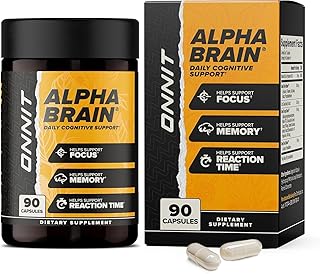
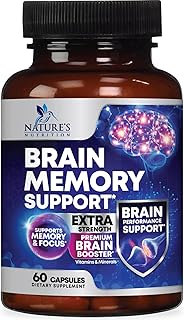
Magnesium for Stress Reduction
Magnesium, often overshadowed by more popular supplements, plays a pivotal role in managing stress and enhancing mental clarity. This essential mineral is involved in over 300 biochemical reactions in the body, including those that regulate neurotransmitters and the stress response system. Chronic stress depletes magnesium levels, creating a vicious cycle where low magnesium exacerbates stress, and heightened stress further depletes this vital nutrient. Breaking this cycle starts with understanding magnesium’s role and how to replenish it effectively.
To harness magnesium’s stress-reducing benefits, consider both dietary sources and supplements. Leafy greens, nuts, seeds, and whole grains are rich in magnesium, but modern diets often fall short. For men, the recommended daily intake is 400–420 mg, though stress may increase this need. Magnesium glycinate or threonate are ideal forms for stress relief due to their calming effects on the brain. Start with 200–400 mg daily, taken in the evening to promote relaxation and sleep, a critical component of stress recovery.
While magnesium is generally safe, over-supplementation can lead to digestive issues like diarrhea. Begin with a lower dose and gradually increase to assess tolerance. Pairing magnesium with vitamin B6 enhances absorption, as B6 aids in magnesium’s cellular uptake. Additionally, combining magnesium with mindfulness practices, such as deep breathing or meditation, amplifies its stress-reducing effects by addressing both physiological and psychological factors.
A comparative look at magnesium versus other stress-relief supplements reveals its unique advantages. Unlike adaptogens like ashwagandha, which work over time, magnesium provides immediate support for the nervous system. Compared to melatonin, magnesium improves sleep quality without the risk of dependency. Its dual role in stress reduction and mental clarity makes it a standout choice for men seeking a holistic approach to cognitive wellness.
Incorporating magnesium into a stress management routine requires consistency and awareness. Track your stress levels and sleep quality for a month while supplementing to gauge its impact. For men over 50, who are more prone to magnesium deficiency, prioritizing this mineral is especially critical. Practical tips include adding pumpkin seeds to snacks, swapping refined grains for quinoa, and using Epsom salt baths for transdermal magnesium absorption. By addressing stress at its biochemical root, magnesium becomes a powerful tool for sustained mental clarity.
Prioritizing Mental Health: Should You Seek Help Before Job Hunting?
You may want to see also
Explore related products


Antioxidants to Combat Mental Fatigue
Mental fatigue often stems from oxidative stress, a condition where free radicals overwhelm the body’s defenses, damaging cells and impairing cognitive function. Antioxidants, such as vitamins C and E, selenium, and zinc, neutralize these free radicals, reducing their harmful effects. For men experiencing mental fog or exhaustion, incorporating these nutrients can restore clarity and focus. Vitamin C, for instance, is water-soluble and acts as a frontline defense in the bloodstream and tissues, while vitamin E, a fat-soluble antioxidant, protects cell membranes from oxidative damage. Together, they create a synergistic effect that supports brain health.
To combat mental fatigue effectively, consider a targeted antioxidant regimen. Men aged 18–50 should aim for 90 mg of vitamin C daily, increasing to 200–500 mg if under significant stress or mental strain. Vitamin E intake should be around 15 mg (22.4 IU) daily, preferably from natural sources like nuts, seeds, or supplements. Selenium, another potent antioxidant, should be consumed at 55 mcg daily, while zinc intake should be 11 mg. These dosages align with recommended dietary allowances (RDAs) but can be adjusted based on individual needs. Always consult a healthcare provider before exceeding these amounts, as excessive intake can have adverse effects.
Practical tips for integrating antioxidants into daily life include pairing vitamin C-rich foods like oranges, strawberries, or bell peppers with iron-rich meals to enhance absorption. For vitamin E, incorporate almonds, sunflower seeds, or spinach into snacks or salads. Selenium can be obtained from Brazil nuts—just one nut provides the daily requirement. Zinc-rich foods like pumpkin seeds, chickpeas, or lean meats can be added to meals. For those with busy schedules, high-quality multivitamins or standalone supplements can fill nutritional gaps, ensuring consistent intake of these critical antioxidants.
Comparing antioxidants to other mental clarity aids, such as caffeine or nootropics, highlights their unique advantage: they address the root cause of fatigue rather than merely masking symptoms. While caffeine provides a temporary energy spike, antioxidants offer sustained cognitive support by reducing cellular damage. Unlike nootropics, which often require precise dosing and may have side effects, antioxidants are generally safe and accessible. This makes them an ideal long-term strategy for men seeking to maintain mental sharpness and resilience in the face of daily stressors.
In conclusion, antioxidants are a cornerstone of combating mental fatigue and enhancing mental clarity. By neutralizing oxidative stress, they protect brain function and promote sustained focus. Incorporating vitamins C and E, selenium, and zinc through diet or supplements, with attention to proper dosages and practical tips, can yield significant cognitive benefits. For men prioritizing mental performance, this approach offers a natural, evidence-based solution to stay sharp and energized.
Organic Food's Mental Benefits: Boosting Mood and Cognitive Health Naturally
You may want to see also
Frequently asked questions
Vitamins B6, B9 (folate), B12, and vitamin D are crucial for brain health and mental clarity, as they support neurotransmitter function and reduce cognitive fog.
Vitamin B12 helps maintain healthy nerve cells and supports the production of neurotransmitters like serotonin and dopamine, which are essential for focus and mental sharpness.
While not a vitamin, omega-3 fatty acids (found in fish oil supplements) are vital for brain health, improving cognitive function and reducing inflammation that can impair mental clarity.
Vitamin D supports brain health by regulating neurotransmitters and reducing inflammation. Low levels of vitamin D have been linked to cognitive decline and impaired focus.
Multivitamins can be effective if they contain key nutrients like B vitamins, vitamin D, and minerals like zinc and magnesium, which collectively support brain function and mental clarity.