Harper Lewis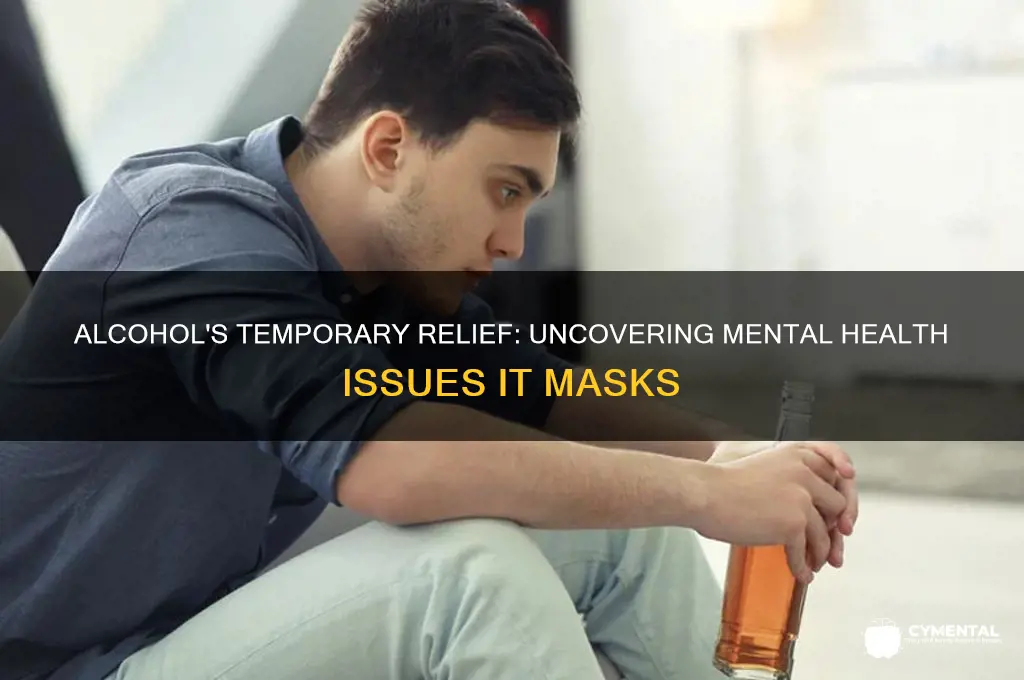
Alcohol is often mistakenly believed to alleviate mental health issues, but in reality, it can exacerbate underlying conditions rather than provide genuine relief. While it may temporarily reduce feelings of anxiety, stress, or depression by acting as a central nervous system depressant, its effects are short-lived and often followed by worsening symptoms. Chronic alcohol use can lead to dependency, disrupt sleep patterns, and impair cognitive function, further deteriorating mental health. Additionally, alcohol interferes with neurotransmitters and brain chemistry, potentially triggering or intensifying conditions like depression, anxiety, and even psychosis. Rather than serving as a solution, alcohol often becomes a harmful coping mechanism that masks deeper issues while contributing to long-term mental and physical harm.
Explore related products




What You'll Learn
- Anxiety Reduction: Alcohol temporarily reduces anxiety symptoms, creating a false sense of calm and relaxation
- Stress Relief: Many use alcohol to cope with stress, though it worsens long-term mental health
- Depression Masking: Alcohol can numb emotional pain, but it deepens depressive episodes over time
- Social Confidence: It lowers inhibitions, temporarily boosting confidence in social situations
- Sleep Induction: Alcohol helps fall asleep faster but disrupts sleep quality and REM cycles

Anxiety Reduction: Alcohol temporarily reduces anxiety symptoms, creating a false sense of calm and relaxation
Alcohol's immediate effect on the brain’s GABA receptors can mimic relaxation, offering a temporary escape from anxiety. Within minutes of consumption, individuals often report feeling less tense, more sociable, and calmer. This rapid onset of relief is why many turn to alcohol as a self-medication tool for anxiety. For instance, a standard drink (12 ounces of beer, 5 ounces of wine, or 1.5 ounces of distilled spirits) can elevate GABA levels, dampening the nervous system’s hyperactivity associated with anxiety disorders. However, this biochemical reaction is short-lived, typically lasting 1–2 hours, depending on metabolism and body weight.
The allure of alcohol as an anxiety reducer lies in its accessibility and cultural normalization. Unlike prescription medications, which require a doctor’s visit and often come with stigma, alcohol is readily available and socially accepted. A 2019 study published in *The Journal of Addiction Medicine* found that 25% of individuals with social anxiety disorder used alcohol to cope with symptoms. Yet, this practice is a double-edged sword. While a single drink might temporarily ease anxiety, repeated use can lead to tolerance, requiring higher doses to achieve the same effect. For adults over 21, moderation is key—limiting intake to 1–2 drinks per day for men and 1 drink per day for women, as per NIH guidelines, can minimize risks.
The false sense of calm alcohol provides is rooted in its depressant nature, which slows brain activity and reduces inhibitions. This effect can make stressful situations feel more manageable in the moment. For example, someone with generalized anxiety disorder might find public speaking less daunting after a drink. However, this relief is deceptive. Alcohol disrupts sleep patterns, exacerbates dehydration, and impairs cognitive function, all of which can worsen anxiety over time. A 2020 study in *Psychopharmacology* revealed that while alcohol initially reduces anxiety, withdrawal symptoms often include heightened anxiety, creating a vicious cycle.
Breaking the cycle requires awareness and strategy. If you rely on alcohol for anxiety relief, start by tracking your consumption and identifying triggers. Replace alcohol with healthier alternatives like herbal teas (chamomile or valerian root), deep breathing exercises, or mindfulness apps. For those with severe anxiety, consult a healthcare provider for evidence-based treatments such as cognitive-behavioral therapy (CBT) or medication. Remember, while alcohol may offer temporary solace, it is not a sustainable solution—it masks symptoms rather than addressing their root cause.
In conclusion, alcohol’s role in anxiety reduction is a temporary illusion with long-term consequences. Its immediate calming effects are biologically driven but fleeting, often leading to dependency and worsened mental health. By understanding this mechanism and adopting healthier coping strategies, individuals can break free from the cycle and achieve genuine, lasting relief.
Supporting Grandpa: A Guide to Accessing Mental Health Care for Seniors
You may want to see also
Explore related products


Stress Relief: Many use alcohol to cope with stress, though it worsens long-term mental health
Alcohol’s immediate sedative effects can create the illusion of stress relief, making it a go-to for those seeking quick escape from pressure. Within 20 minutes of consumption, blood alcohol levels rise, triggering the release of GABA, a neurotransmitter that calms the nervous system. This biochemical reaction can temporarily mute anxiety, slow racing thoughts, and induce a sense of relaxation. For someone facing a looming deadline, a tense social situation, or chronic work stress, a drink or two may feel like a reliable tool to "take the edge off." However, this short-term solution comes with a critical caveat: the body quickly builds tolerance, requiring higher doses to achieve the same effect, while simultaneously disrupting sleep patterns and cortisol regulation, which are essential for long-term stress management.
Consider the case of a 35-year-old professional who unwinds with two glasses of wine nightly after high-pressure meetings. Initially, the ritual provides a mental reset, but over months, they notice increased irritability during the day and difficulty concentrating. Research shows that while moderate alcohol use (up to one drink per day for women, two for men) may have temporary anxiolytic effects, consistent reliance on alcohol to manage stress leads to dysregulation of the hypothalamic-pituitary-adrenal (HPA) axis, the body’s stress response system. This disruption exacerbates baseline anxiety and can contribute to the development of stress-related disorders, creating a vicious cycle where alcohol becomes both the remedy and the poison.
To break this cycle, experts recommend replacing alcohol with evidence-based stress-relief strategies. Progressive muscle relaxation, for instance, involves tensing and releasing muscle groups in sequence, mimicking alcohol’s physical calming effect without the negative side effects. Similarly, mindfulness practices like deep breathing exercises or guided meditation can activate the parasympathetic nervous system, counteracting stress responses. For those accustomed to evening drinks, substituting with herbal teas (e.g., chamomile or valerian root) or non-alcoholic beverages can maintain ritualistic comfort while avoiding biochemical dependency. Pairing these alternatives with consistent sleep hygiene—such as a digital detox 90 minutes before bed—amplifies their efficacy, addressing the root causes of stress rather than masking symptoms.
A comparative analysis highlights the stark contrast between alcohol’s temporary relief and sustainable stress management techniques. While a single drink may reduce perceived stress by 20–30% within an hour, this effect dissipates rapidly, often leaving individuals more vulnerable to stress the following day. In contrast, regular exercise (30 minutes of moderate activity, 3–5 times weekly) has been shown to reduce overall stress levels by up to 40% over 8–12 weeks, with benefits compounding over time. Similarly, cognitive-behavioral therapy (CBT) equips individuals with tools to reframe stressors, offering long-term resilience rather than fleeting escape. The choice between immediate gratification and lasting well-being is clear, yet societal norms often glorify alcohol as a "reward," obscuring its detrimental impact on mental health.
Ultimately, the allure of alcohol as a stress reliever lies in its accessibility and cultural acceptance, but its long-term consequences demand a reevaluation of this coping mechanism. For those struggling to quit, harm reduction strategies—such as setting drink limits, alternating with water, or designating alcohol-free days—can serve as stepping stones. Combining these with professional support, whether through therapy or support groups, provides a holistic pathway to reclaiming control over stress responses. The goal is not perfection but progress, acknowledging that true relief comes not from numbing the mind, but from nurturing it.
Healing Hooves: Building Trust Through Equine Therapy for Mental Health
You may want to see also
Explore related products


Depression Masking: Alcohol can numb emotional pain, but it deepens depressive episodes over time
Alcohol often serves as a temporary escape for those grappling with depression, offering a fleeting numbness to emotional pain. This immediate relief, however, comes at a steep cost. While a drink or two might dull the sharp edges of sadness, regular use disrupts brain chemistry, exacerbating the very symptoms it aims to suppress. For instance, alcohol depresses the central nervous system, mimicking and intensifying feelings of lethargy and hopelessness over time. What begins as a coping mechanism can spiral into dependency, creating a cycle where the individual relies on alcohol to feel "normal," only to sink deeper into depressive episodes.
Consider the biochemical interplay: alcohol increases GABA, a neurotransmitter that inhibits brain activity, while decreasing glutamate, which excites the brain. This combination produces a sedative effect, temporarily alleviating anxiety and distress. However, chronic consumption depletes serotonin and dopamine, neurotransmitters crucial for mood regulation. A 2019 study published in *JAMA Psychiatry* found that individuals with depression who consumed alcohol daily experienced a 38% increase in symptom severity compared to non-drinkers. For young adults aged 18–25, a demographic already at higher risk for both depression and alcohol misuse, this pattern can be particularly devastating, as their brains are still developing.
The masking effect of alcohol is insidious. It creates an illusion of control, allowing individuals to avoid confronting the root causes of their depression. For example, someone might use alcohol to numb the pain of a traumatic event or chronic stress, delaying necessary therapeutic interventions. Over time, this avoidance deepens emotional isolation and reduces resilience. Practical steps to break this cycle include setting strict limits on alcohol intake—such as no more than one drink per day for women and two for men, as per NIH guidelines—and replacing drinking with healthier coping strategies like mindfulness, exercise, or journaling.
A comparative perspective highlights the stark contrast between alcohol’s short-term relief and long-term harm. While prescription antidepressants may take weeks to show effects, they address the underlying neurochemical imbalances without the addictive risks of alcohol. Unlike alcohol, these medications are designed to stabilize mood over time, not merely suppress symptoms. For those hesitant to seek professional help, peer support groups like SMART Recovery or online therapy platforms offer accessible alternatives to self-medication.
In conclusion, while alcohol may temporarily mask depression, its role as a depressant ultimately worsens the condition. Recognizing this paradox is the first step toward seeking healthier, sustainable solutions. By understanding the science behind alcohol’s dual nature and adopting practical strategies to reduce reliance, individuals can break free from the cycle of depression masking and move toward genuine healing.
Athletes and Mental Health: Why Seeking Help Remains a Challenge
You may want to see also
Explore related products


Social Confidence: It lowers inhibitions, temporarily boosting confidence in social situations
Alcohol's ability to lower inhibitions is a double-edged sword, particularly when it comes to social confidence. In small doses, typically one to two standard drinks for most adults, alcohol can act as a social lubricant. It dampens the amygdala’s activity, the brain’s alarm system, reducing anxiety and self-consciousness. This effect can make individuals feel more at ease in social settings, encouraging them to engage in conversations or activities they might otherwise avoid. For someone with mild social anxiety, this temporary boost can feel transformative, allowing them to navigate parties, networking events, or first dates with greater ease.
However, this effect is highly dose-dependent. Beyond moderate consumption, the line between confidence and recklessness blurs. Three or more drinks can lead to impaired judgment, slurred speech, and inappropriate behavior, which often undermines the very confidence it initially enhanced. The key lies in understanding one’s limits and recognizing that alcohol’s effects are temporary. For instance, a person in their 20s or 30s might find that a single glass of wine before a social event takes the edge off, while someone older or with a lower tolerance may achieve the same effect with half a drink. Practical tips include pacing consumption, alternating alcoholic beverages with water, and setting a drink limit before the event begins.
From a psychological standpoint, relying on alcohol for social confidence can mask underlying issues rather than address them. While it may provide short-term relief, it does not teach sustainable coping mechanisms for social anxiety. Cognitive-behavioral therapy, mindfulness practices, or even structured social skills training offer long-term solutions without the risks associated with alcohol dependence. For those who choose to use alcohol as a temporary aid, it’s crucial to view it as a crutch, not a cure. Pairing its use with intentional self-reflection—noting what situations trigger anxiety and why—can help individuals gradually build confidence without reliance on substances.
Comparatively, alcohol’s role in boosting social confidence is akin to using caffeine for energy: both provide a temporary fix but do not resolve the root cause. Just as caffeine can lead to jitters and crashes, alcohol’s effects wear off, often leaving users more anxious or self-critical than before. This cycle can be particularly harmful for young adults, who are more prone to risk-taking behaviors and may misuse alcohol as a primary coping mechanism. For this demographic, educational initiatives emphasizing the difference between genuine confidence and chemically induced boldness are essential.
In conclusion, while alcohol can temporarily lower inhibitions and enhance social confidence, its benefits are fleeting and fraught with risks. Moderation, self-awareness, and a focus on long-term strategies for building confidence are critical. For those who choose to use alcohol in social situations, treating it as a tool rather than a solution can mitigate potential harm while maximizing its limited utility.
Kindness Boosts Mental Health: Simple Acts, Powerful Healing Benefits
You may want to see also
Explore related products


Sleep Induction: Alcohol helps fall asleep faster but disrupts sleep quality and REM cycles
Alcohol's sedative effects can trick you into believing it's a sleep aid. A nightcap might help you fall asleep faster, but it's a double-edged sword. While it may initially act as a sleep inducer, especially for those struggling with insomnia, the quality of sleep it provides is far from restorative. This is a crucial distinction, as many individuals turn to alcohol as a self-medicating tool for various mental health concerns, including sleep disorders.
The science behind this phenomenon lies in alcohol's ability to enhance the effects of GABA, a neurotransmitter that promotes relaxation and sleepiness. A moderate dose, such as one standard drink for women and up to two for men, can reduce the time it takes to fall asleep. However, as the body metabolizes alcohol, its sedative effects wear off, leading to a rebound effect. This disruption becomes more pronounced during the second half of the sleep cycle, resulting in frequent awakenings and a decrease in overall sleep quality.
Here's a breakdown of the process: As blood alcohol levels rise, you may experience a sense of calm and drowsiness, making it easier to drift off. But as the body works to eliminate alcohol, typically at a rate of 0.015% BAC per hour, the initial sedative effects diminish. This is when the disruptive nature of alcohol on sleep becomes evident. It suppresses REM sleep, the stage crucial for memory consolidation and emotional processing, and increases the likelihood of sleep disturbances, such as vivid dreams or nightmares.
For those considering alcohol as a sleep aid, it's essential to understand the potential risks. While it might provide temporary relief, the long-term consequences can exacerbate existing mental health issues. Research suggests that regular use of alcohol for sleep can lead to dependence and worsen sleep disorders. Moreover, the impact on REM sleep can contribute to mood disorders and cognitive impairments, creating a vicious cycle.
In practice, if you're an adult struggling with occasional sleep difficulties, it's advisable to explore alternative strategies. Establishing a consistent sleep schedule, creating a relaxing bedtime routine, and practicing good sleep hygiene are effective starting points. For more persistent sleep issues, consulting a healthcare professional is recommended. They can provide personalized guidance, which may include cognitive-behavioral therapy for insomnia (CBT-I) or, in some cases, prescribe medications that target sleep disorders without the detrimental effects of alcohol. Remember, while alcohol might offer a temporary escape, it's a misleading solution that can hinder your journey towards better mental health and restorative sleep.
Supporting Loved Ones: A Guide to Accessing Mental Health Assistance
You may want to see also
Frequently asked questions
While alcohol may temporarily reduce feelings of anxiety, it is not a healthy or sustainable solution. Over time, alcohol can worsen anxiety symptoms, lead to dependence, and disrupt overall mental health.
Alcohol is a depressant and can initially create a feeling of relaxation or euphoria, but it ultimately depresses the central nervous system. Prolonged use can exacerbate depression, increase feelings of hopelessness, and interfere with effective treatment.
Alcohol may provide temporary stress relief by reducing inhibitions, but it does not address the root causes of stress. Relying on alcohol for stress management can lead to increased tolerance, dependence, and long-term mental health issues.
While alcohol may help you fall asleep faster, it disrupts the sleep cycle, reducing the quality of rest. Over time, it can worsen insomnia and contribute to fatigue, irritability, and other mental health challenges.