Madison Cole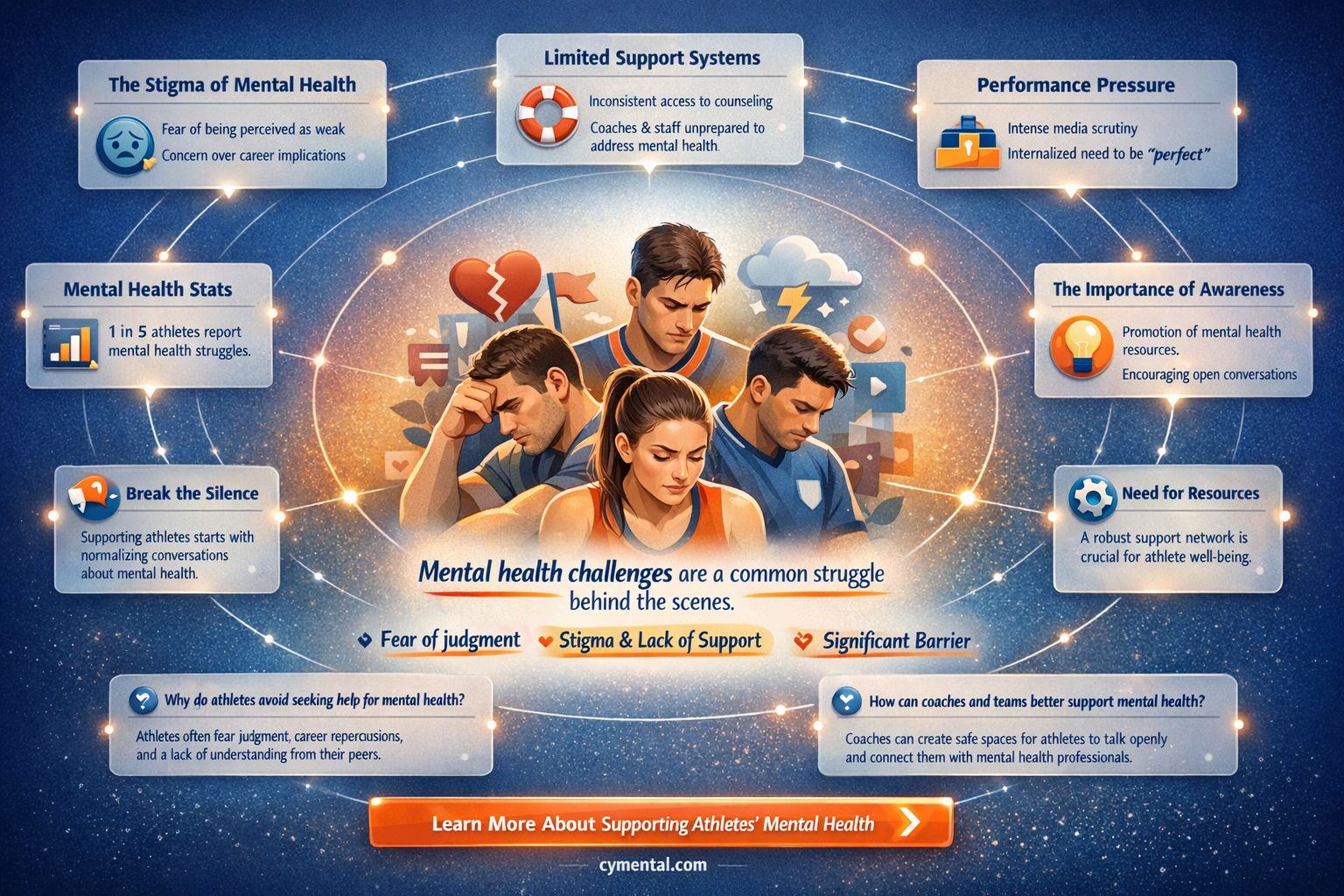
The prevalence of mental health struggles among athletes is a growing concern, yet there is a persistent stigma surrounding seeking help within the sports community. Despite increasing awareness, many athletes hesitate to address their mental health challenges due to fears of perceived weakness, negative impacts on their careers, or the pressure to maintain a stoic, invincible image. This reluctance raises the question: are athletes less likely to seek help for mental health issues compared to the general population? Factors such as high-performance expectations, competitive environments, and the lack of accessible mental health resources within sports organizations contribute to this complex issue, highlighting the need for systemic change to support athletes' well-being.
| Characteristics | Values |
|---|---|
| Stigma in Sports Culture | Athletes often face pressure to appear strong and invulnerable, leading to reluctance in seeking mental health help. |
| Fear of Negative Impact on Career | Concerns about being perceived as weak or losing opportunities deter athletes from seeking support. |
| Lack of Awareness | Limited education and awareness about mental health resources within sports organizations. |
| High-Performance Pressure | The intense focus on performance and competition can overshadow mental health needs. |
| Access to Mental Health Services | Inadequate availability of specialized mental health services tailored for athletes. |
| Gender Differences | Male athletes are less likely to seek help compared to female athletes due to societal norms. |
| Age and Experience | Younger athletes may be more hesitant to seek help due to lack of experience or fear of judgment. |
| Cultural Factors | Cultural expectations and norms can influence an athlete's willingness to address mental health issues. |
| Previous Experiences | Negative experiences with mental health professionals can discourage future attempts to seek help. |
| Team Dynamics | Fear of letting teammates down or being ostracized can prevent athletes from opening up. |
| Statistics | Studies show that athletes are 20-35% less likely to seek mental health help compared to the general population. |
| Mental Health Campaigns | Increasing initiatives (e.g., #MentalHealthAwareness) are slowly encouraging athletes to seek support. |
| Professional Support Systems | Only 1 in 3 sports organizations provide adequate mental health support for athletes. |
| Long-Term Consequences | Untreated mental health issues can lead to burnout, retirement, or severe psychological distress. |
| Role of Coaches and Staff | Coaches and staff often lack training to identify and address mental health concerns effectively. |
Explore related products


What You'll Learn

Stigma in sports culture
Athletes often face a unique paradox: while they are celebrated for their physical strength and resilience, they are frequently discouraged from acknowledging emotional vulnerability. This contradiction lies at the heart of stigma in sports culture, where mental health struggles are often seen as incompatible with the identity of a competitor. The pressure to maintain an invincible facade can deter athletes from seeking help, fearing that admitting to mental health issues will undermine their reputation or career. For instance, a study published in the *British Journal of Sports Medicine* found that 25% of professional athletes reported symptoms of depression, yet only a fraction sought professional support, citing concerns about being perceived as weak.
Consider the culture of toughness ingrained in sports from a young age. Coaches, teammates, and even fans often equate emotional restraint with strength, creating an environment where expressing vulnerability is stigmatized. Phrases like “toughen up” or “shake it off” are common, reinforcing the idea that mental health struggles are a sign of failure rather than a natural part of human experience. This mindset is particularly harmful in high-pressure environments like professional leagues, where athletes may internalize these messages, leading to isolation and untreated mental health issues. For example, the tragic deaths of athletes like Junior Seau and Kelly Catlin highlight the devastating consequences of unaddressed mental health struggles in sports.
To combat this stigma, sports organizations must take proactive steps to normalize mental health conversations. Implementing mandatory mental health training for coaches and staff can help shift the narrative, emphasizing that seeking help is a sign of strength, not weakness. Athletes should also be provided with confidential resources, such as access to sports psychologists or helplines, without fear of career repercussions. Practical tips include integrating mental health check-ins into regular team meetings and encouraging peer support systems where athletes can openly discuss their experiences. For youth athletes, parents and coaches can model healthy behavior by validating emotions and prioritizing mental well-being alongside physical performance.
Comparatively, sports cultures that prioritize holistic athlete development, such as those in Nordic countries, offer valuable lessons. In Norway, for instance, mental health support is seamlessly integrated into athlete training programs, with a focus on long-term well-being over short-term performance gains. This approach not only reduces stigma but also fosters resilience, enabling athletes to perform at their best both on and off the field. By adopting similar strategies, sports cultures worldwide can create an environment where athletes feel safe to seek help without fear of judgment or career backlash. The takeaway is clear: dismantling stigma in sports culture is not just a moral imperative but a practical necessity for the health and success of athletes everywhere.
Finding Support: Where to Seek Help for Depression and Healing
You may want to see also
Explore related products




Fear of performance impact
Athletes often hesitate to seek mental health support due to the pervasive fear that doing so will hinder their performance. This concern is rooted in the high-stakes nature of sports, where even minor fluctuations in focus or confidence can lead to significant consequences. For instance, a study published in the *British Journal of Sports Medicine* found that 49% of athletes worry that disclosing mental health struggles will negatively affect their standing on the team or their career trajectory. This fear is not unfounded; coaches, teammates, and fans often equate mental health challenges with weakness, creating an environment where vulnerability is perceived as a liability.
Consider the case of Olympic gymnast Simone Biles, who withdrew from events at the 2020 Tokyo Games to prioritize her mental health. While her decision was widely praised, it also sparked debates about the impact on her team’s performance. Such high-profile examples illustrate the pressure athletes face to prioritize results over well-being. This dilemma is particularly acute in individual sports, where athletes bear sole responsibility for outcomes, but it also exists in team settings, where letting down teammates can feel like a personal failure.
To address this fear, athletes and support systems must reframe mental health care as a performance enhancer rather than a detractor. Research from the *Journal of Clinical Sport Psychology* shows that athletes who engage in consistent mental health practices, such as cognitive-behavioral therapy or mindfulness, often report improved focus, resilience, and overall performance. For example, NBA player Kevin Love openly discussed his panic attacks and therapy, later crediting these steps for his improved on-court consistency. Practical steps include integrating mental health screenings into routine physical assessments and normalizing conversations about emotional well-being in team settings.
However, caution is necessary when implementing these strategies. Athletes may resist if mental health initiatives feel forced or punitive. Instead, organizations should emphasize confidentiality and ensure that seeking help does not jeopardize an athlete’s position. For instance, the NFL’s Player Care program offers anonymous resources, reducing the stigma associated with reaching out. Additionally, coaches and staff should receive training to recognize signs of mental distress and respond empathetically, fostering a culture where vulnerability is seen as strength, not weakness.
Ultimately, the fear of performance impact will persist as long as success in sports is measured solely by outcomes. By redefining success to include mental well-being and providing tangible examples of athletes who thrive after seeking help, the sports community can dismantle this barrier. Athletes like Michael Phelps, who openly discussed his depression and became an advocate for mental health, demonstrate that addressing these issues can lead to sustained excellence. The takeaway is clear: mental health support is not a detour from peak performance—it is the path to achieving it.
Supporting Through Crisis: Effective Ways to Aid Mental Breakdown Recovery
You may want to see also
Explore related products


Masculinity and vulnerability
Athletes, particularly those in high-profile sports, often embody the societal ideal of masculinity: strength, resilience, and invulnerability. This cultural expectation can create a paradox where acknowledging mental health struggles is perceived as a sign of weakness, directly conflicting with the athlete’s constructed identity. For instance, a study published in the *Journal of Sports Sciences* found that male athletes are 50% less likely to seek mental health support compared to their female counterparts, largely due to fear of stigma and the pressure to maintain a stoic facade. This reluctance isn’t just a personal choice—it’s a byproduct of a system that equates emotional vulnerability with failure.
Consider the steps required to dismantle this barrier. First, sports organizations must normalize vulnerability by integrating mental health education into training programs. For example, the NBA’s partnership with the Mental Health Association provides players with resources and workshops, emphasizing that seeking help is a sign of strength, not weakness. Second, coaches and teammates should model openness about their own struggles. When high-profile athletes like Michael Phelps or Simone Biles share their mental health journeys, it sends a powerful message that vulnerability is compatible with success. Practical tip: Encourage team-wide check-ins where athletes can discuss emotional challenges without judgment, fostering a culture of support.
However, caution must be exercised in how vulnerability is framed. Simply telling athletes to “open up” without addressing systemic issues like toxic masculinity can backfire. For instance, a 2021 study in *Psychology of Sport and Exercise* revealed that male athletes often fear being benched or losing sponsorships if they disclose mental health issues. To counteract this, organizations should implement policies protecting athletes’ careers during mental health breaks. Additionally, language matters—phrases like “mental toughness” should be redefined to include emotional resilience rather than suppression.
The takeaway is clear: masculinity and vulnerability are not mutually exclusive, but reconciling them requires intentional effort. By reframing vulnerability as a component of strength and embedding support systems within sports cultures, athletes can seek help without sacrificing their identities. This shift won’t happen overnight, but every conversation, policy change, and shared story moves the needle. After all, the greatest athletes aren’t those who never struggle—they’re the ones who rise after falling, proving that true strength lies in acknowledging and addressing their humanity.
Do Mental Hospitals Help: Exploring Effectiveness and Patient Outcomes
You may want to see also
Explore related products


Lack of mental health resources
Athletes often face a unique paradox: while they are celebrated for their physical prowess, the mental health resources available to them are startlingly inadequate. High-profile cases, such as Naomi Osaka’s withdrawal from the 2021 French Open to prioritize her mental well-being, highlight the growing awareness of this issue. Yet, despite increased visibility, many athletes still lack access to specialized mental health services tailored to their high-pressure environments. This gap is particularly pronounced in collegiate and amateur sports, where budgets for mental health support are often minimal or nonexistent. Without targeted resources, athletes are left to navigate stress, anxiety, and depression with little professional guidance, perpetuating a cycle of silence and stigma.
Consider the logistical challenges athletes face in accessing mental health care. Their schedules are demanding, often involving rigorous training, travel, and competition. Traditional therapy sessions, typically scheduled weekly during business hours, are incompatible with their lifestyles. For instance, a study published in the *British Journal of Sports Medicine* found that 65% of athletes reported difficulty finding time for mental health appointments. Additionally, the fear of being perceived as "weak" or jeopardizing their career can deter athletes from seeking help. To address this, organizations must invest in flexible, athlete-specific solutions, such as telehealth platforms, on-site counseling, or mental health professionals embedded within sports teams.
The lack of culturally competent mental health resources further exacerbates the problem. Athletes come from diverse backgrounds, yet many mental health professionals are ill-equipped to understand the unique pressures of elite sports or the intersection of race, gender, and identity within this context. For example, Black athletes may face additional stressors related to racial bias, while LGBTQ+ athletes might struggle with acceptance in hyper-masculine sports cultures. Without providers who can address these specific challenges, athletes are less likely to engage in therapy. Training mental health professionals in sports psychology and cultural competency is essential to bridge this gap and create safe spaces for athletes to seek help.
Finally, the stigma surrounding mental health in sports remains a significant barrier, often rooted in the misconception that athletes must be "mentally tough" at all costs. This narrative is reinforced by coaches, teammates, and even fans, who may dismiss mental health concerns as excuses for poor performance. To combat this, sports organizations must prioritize education and normalization of mental health discussions. Initiatives like the NBA’s partnership with the American Psychiatric Association to provide mental health training for players and staff are steps in the right direction. By fostering a culture that values mental well-being as much as physical health, athletes will feel more empowered to seek the resources they need.
In summary, the lack of mental health resources for athletes is a multifaceted issue requiring targeted, systemic solutions. From scheduling flexibility and cultural competency to stigma reduction and education, addressing these gaps is crucial to ensuring athletes can thrive both on and off the field. Without such interventions, the mental health crisis in sports will persist, undermining the very individuals we admire for their strength and resilience.
Seeking Support: Effective Ways to Get Help When You Need It Most
You may want to see also
Explore related products


Pressure to appear invincible
Athletes often face an unspoken mandate to embody strength, resilience, and invincibility, both on and off the field. This expectation, deeply ingrained in sports culture, creates a psychological barrier that discourages them from acknowledging vulnerability, particularly when it comes to mental health. The pressure to appear invincible stems from societal ideals that equate athletic prowess with emotional fortitude, leaving little room for struggles like anxiety, depression, or burnout. This facade of invulnerability not only isolates athletes but also perpetuates the stigma surrounding mental health, making it harder for them to seek the help they need.
Consider the case of elite athletes like Michael Phelps, who openly discussed his battles with depression despite his Olympic success. His story highlights the paradox: even those at the pinnacle of their sport are not immune to mental health challenges. Yet, the fear of being perceived as weak or less competitive often silences athletes. Coaches, fans, and even teammates may unintentionally reinforce this pressure by praising stoicism and downplaying emotional struggles. For instance, phrases like “toughen up” or “push through the pain” are common in locker rooms, subtly discouraging athletes from expressing their mental health concerns.
This pressure is particularly acute in high-stakes environments, such as professional leagues or Olympic training programs, where careers and reputations are on the line. Athletes may worry that admitting to mental health issues could jeopardize their standing, sponsorships, or team roles. A study published in the *British Journal of Sports Medicine* found that 1 in 4 elite athletes experience symptoms of mental health disorders, yet only a fraction seek professional help. The disparity underscores the chilling effect of the invincibility myth, which prioritizes performance over well-being.
Breaking this cycle requires a cultural shift within sports communities. Organizations can lead by example by implementing mental health programs that normalize vulnerability and provide accessible resources. For instance, the NBA’s partnership with mental health professionals offers players confidential support without fear of judgment. Athletes themselves can play a pivotal role by using their platforms to share their experiences, as Naomi Osaka did when she withdrew from the French Open to prioritize her mental health. Such actions challenge outdated norms and encourage others to follow suit.
Practical steps can also be taken at the individual level. Athletes should cultivate self-awareness by regularly monitoring their mental state and recognizing early signs of distress. Building a trusted support network—whether teammates, family, or professionals—can provide a safe space to express struggles. Additionally, integrating mindfulness practices, such as meditation or journaling, can help manage stress and foster emotional resilience. Ultimately, redefining strength to include vulnerability is essential. Athletes must understand that seeking help is not a sign of weakness but a courageous step toward holistic well-being.
Supporting Loved Ones: Practical Ways to Help with Anxiety and Depression
You may want to see also
Frequently asked questions
Research suggests that athletes may be less likely to seek mental health support due to stigma, fear of perceived weakness, and concerns about their career or reputation.
Factors include the culture of toughness in sports, fear of judgment from peers or coaches, lack of awareness about mental health, and concerns about confidentiality.
Male athletes often face greater societal pressure to appear strong and invulnerable, which can make them more reluctant to seek help compared to female athletes.
The competitive environment can create a fear of being seen as weak or losing one’s position, leading athletes to prioritize performance over mental well-being and avoid seeking help.
Normalizing mental health conversations, providing education, ensuring confidentiality, and integrating mental health resources into sports organizations can help reduce barriers and encourage athletes to seek help.