Harper Lewis
When it comes to enhancing mental focus, certain supplements have gained attention for their potential cognitive benefits. Among the most popular are omega-3 fatty acids, which support brain health and improve concentration, and caffeine, often paired with L-theanine for sustained alertness without jitters. Ginkgo biloba is another well-known option, believed to boost memory and focus by improving blood flow to the brain. Additionally, Rhodiola rosea and Bacopa monnieri are herbal supplements that may reduce mental fatigue and enhance cognitive function. While these supplements show promise, their effectiveness can vary depending on individual needs, and consulting a healthcare professional is advisable before starting any regimen.
| Characteristics | Values |
|---|---|
| Supplement Name | Caffeine, L-Theanine, Omega-3 Fatty Acids, Rhodiola Rosea, Ginkgo Biloba, Bacopa Monnieri, Lion's Mane Mushroom, Vitamin B Complex, Ashwagandha, Phosphatidylserine |
| Primary Benefit | Enhances mental focus, alertness, and cognitive function |
| Mechanism of Action | Stimulates neurotransmitters (e.g., dopamine, acetylcholine), reduces stress, improves blood flow to the brain, supports neuronal health |
| Recommended Dosage | Varies by supplement (e.g., Caffeine: 40-200 mg, L-Theanine: 100-200 mg, Omega-3: 1000-2000 mg EPA/DHA) |
| Best Time to Take | Morning or early afternoon for stimulants; evening for adaptogens |
| Potential Side Effects | Insomnia, jitters (Caffeine), digestive issues (Omega-3), fatigue (high doses of Rhodiola) |
| Evidence Level | Moderate to high (Caffeine, L-Theanine, Omega-3); emerging (Lion's Mane, Bacopa) |
| Synergistic Combinations | Caffeine + L-Theanine, Omega-3 + Phosphatidylserine, Ashwagandha + Rhodiola |
| Safety Considerations | Consult a healthcare provider if pregnant, nursing, or on medication |
| Form Available | Capsules, tablets, powders, liquids, gummies |
| Cost Range | $10-$50 per month, depending on brand and dosage |
Explore related products


What You'll Learn
- Caffeine and L-Theanine: Enhances alertness, reduces jitters, improves sustained attention, and promotes calm focus
- Omega-3 Fatty Acids: Supports brain health, boosts cognitive function, and improves concentration and memory
- Rhodiola Rosea: Reduces mental fatigue, increases stamina, and enhances mental clarity under stress
- Bacopa Monnieri: Improves memory, reduces anxiety, and enhances information processing speed
- Ginkgo Biloba: Increases blood flow to the brain, improves focus, and supports cognitive performance

Caffeine and L-Theanine: Enhances alertness, reduces jitters, improves sustained attention, and promotes calm focus
Caffeine and L-theanine, when combined, create a synergistic effect that optimizes mental focus without the drawbacks of caffeine alone. Caffeine, a well-known stimulant, enhances alertness by blocking adenosine receptors in the brain, but it can also cause jitters, anxiety, and a crash. L-theanine, an amino acid found in tea, promotes relaxation by increasing alpha brain waves, which are associated with a calm, focused state. Together, they balance each other: caffeine sharpens attention, while L-theanine smooths out its edge, reducing side effects like restlessness. This combination is particularly effective for sustained tasks requiring both energy and precision, such as studying, coding, or creative work.
To harness this duo effectively, timing and dosage matter. A typical ratio of 2:1 (caffeine to L-theanine) is recommended, often starting with 100–200 mg of caffeine paired with 50–100 mg of L-theanine. For example, a cup of coffee (roughly 95 mg caffeine) paired with a 50 mg L-theanine supplement can provide a balanced boost. Avoid exceeding 400 mg of caffeine daily to prevent tolerance or adverse effects. For those sensitive to caffeine, start with lower doses and gradually adjust. Consume this stack in the morning or early afternoon to avoid disrupting sleep, as caffeine’s half-life is 5–6 hours. Pairing it with a light snack can enhance absorption and minimize stomach discomfort.
The science behind this combination is rooted in how these compounds interact with the brain. Caffeine increases dopamine and norepinephrine, enhancing motivation and alertness, while L-theanine elevates serotonin and GABA levels, promoting relaxation. Studies show this pairing improves attention and task performance more effectively than caffeine alone, particularly in cognitively demanding situations. For instance, a 2019 study in *Nutrients* found participants taking caffeine and L-theanine together exhibited better accuracy and reduced mental fatigue during attention-switching tasks. This makes it a popular choice for professionals, students, and athletes seeking sustained focus without the crash.
Practical tips can maximize the benefits of this stack. First, avoid combining it with other stimulants to prevent overstimulation. Second, stay hydrated, as both caffeine and L-theanine can have diuretic effects. Third, monitor your body’s response; if you feel overly sedated or wired, adjust the dosage. For those new to supplements, start with pre-formulated stacks that ensure precise ratios. Finally, consider cycling this combination—using it 3–4 times a week—to maintain sensitivity and prevent dependency. When used mindfully, caffeine and L-theanine can be a powerful tool for enhancing mental clarity and productivity.
Traveling and Mental Health: A Case for FMLA Benefits
You may want to see also
Explore related products


Omega-3 Fatty Acids: Supports brain health, boosts cognitive function, and improves concentration and memory
Omega-3 fatty acids, particularly EPA (eicosapentaenoic acid) and DHA (docosahexaenoic acid), are foundational for brain structure and function. These essential fats compose a significant portion of the brain’s cell membranes, influencing fluidity and communication between neurons. Studies show that higher omega-3 levels correlate with improved cognitive performance, particularly in tasks requiring sustained attention and working memory. For instance, a 2019 meta-analysis in *Nutritional Neuroscience* found that omega-3 supplementation enhanced executive function in adults with mild cognitive impairment. This isn’t just theory—it’s biology at work, making omega-3s a cornerstone for mental focus.
To harness these benefits, dosage matters. Adults typically require 250–500 mg of combined EPA and DHA daily for maintenance, but doses up to 2,000 mg may be needed for therapeutic effects, such as improving concentration in attention-deficit scenarios. For children and adolescents, age-appropriate dosing is critical; consult a pediatrician, as excessive intake can interfere with blood clotting. Practical tip: Pair omega-3 supplements with a meal containing healthy fats (e.g., avocado or nuts) to enhance absorption. Avoid standalone doses on an empty stomach to prevent gastrointestinal discomfort.
Not all omega-3 sources are created equal. Fish oil supplements dominate the market, but vegan alternatives like algae-based DHA are equally effective and sustainable. When selecting a supplement, prioritize products with third-party testing (e.g., NSF or USP certification) to ensure purity and potency. Beware of low-quality options containing oxidized oils, which can do more harm than good. For those relying on dietary intake, fatty fish (salmon, mackerel) and flaxseeds are excellent sources, though supplements often provide a more concentrated dose.
While omega-3s are powerful, they’re not a standalone solution. Their effects are most pronounced when paired with a holistic approach to brain health—adequate sleep, regular exercise, and stress management. For example, a 2020 study in *The American Journal of Clinical Nutrition* found that omega-3 supplementation significantly improved focus in individuals who also maintained a consistent sleep schedule. Conversely, relying solely on supplements while neglecting lifestyle factors may yield minimal results. Think of omega-3s as a key player in a team effort, not the entire game plan.
Finally, consider the long-term impact. Chronic omega-3 deficiency is linked to cognitive decline and neurodegenerative diseases, making supplementation a proactive measure for brain health across all ages. For older adults, combining omega-3s with cognitive exercises (e.g., puzzles or language learning) can amplify benefits. For students or professionals, incorporating omega-3s into a daily routine may enhance productivity and mental stamina. The takeaway? Omega-3s aren’t just a supplement—they’re an investment in sustained mental clarity and focus.
Compassionate Approaches to Supporting Street-Dwelling Mentally Ill Individuals
You may want to see also
Explore related products


Rhodiola Rosea: Reduces mental fatigue, increases stamina, and enhances mental clarity under stress
Rhodiola Rosea, an adaptogenic herb native to the cold, high-altitude regions of Europe and Asia, has been used for centuries to combat fatigue and enhance physical and mental performance. Its active compounds, rosavin and salidroside, are believed to modulate stress responses in the body, making it a standout supplement for those seeking to improve mental focus under pressure. Unlike stimulants that provide a temporary boost, Rhodiola works by supporting the body’s natural ability to adapt to stress, reducing mental exhaustion while promoting sustained energy.
To harness Rhodiola’s benefits, dosage is key. Studies suggest 200–600 mg per day, standardized to contain 3% rosavins and 1% salidroside, taken in the morning or early afternoon. This timing avoids potential interference with sleep, as Rhodiola can be mildly stimulating. For best results, pair it with a balanced diet and consistent sleep schedule, as no supplement can fully compensate for poor lifestyle habits. Individuals under 18, pregnant or nursing women, and those with bipolar disorder should consult a healthcare provider before use, as safety data in these groups is limited.
Comparatively, Rhodiola stands out from other focus-enhancing supplements like caffeine or L-theanine due to its dual action on fatigue reduction and stress resilience. While caffeine provides immediate alertness, it often leads to crashes and increased anxiety in high doses. Rhodiola, on the other hand, offers a smoother, more sustained effect, particularly beneficial for long work sessions or high-pressure environments. Its ability to enhance mental clarity under stress makes it a favorite among students, athletes, and professionals alike.
Practical integration of Rhodiola into daily routines can be simple yet effective. For instance, taking a 300 mg capsule with breakfast can set the tone for a focused day. Combining it with mindfulness practices, such as deep breathing or short breaks, amplifies its stress-reducing effects. Additionally, tracking mental energy levels over a few weeks can help determine the optimal dosage and timing for individual needs. Rhodiola’s adaptability makes it a versatile tool for anyone looking to sharpen focus without relying on harsh stimulants.
In conclusion, Rhodiola Rosea offers a natural, science-backed solution for reducing mental fatigue, increasing stamina, and enhancing clarity under stress. Its unique mechanism of action, coupled with proper dosage and lifestyle synergy, positions it as a valuable supplement for those seeking sustained mental focus. By understanding its specifics and incorporating it thoughtfully, individuals can unlock its full potential to navigate demanding tasks with greater ease and resilience.
Delaying Mental Health Support: Risks, Consequences, and Why It Matters
You may want to see also
Explore related products


Bacopa Monnieri: Improves memory, reduces anxiety, and enhances information processing speed
Bacopa Monnieri, an ancient herb revered in Ayurvedic medicine, has emerged as a potent nootropic for modern cognitive enhancement. Its active compounds, bacosides, are known to repair damaged neurons and enhance synaptic communication, directly impacting memory retention and recall. Studies show that consistent use over 12 weeks can significantly improve both short-term and long-term memory, making it a valuable tool for students, professionals, and older adults seeking to combat age-related cognitive decline. For optimal results, a daily dose of 300–450 mg of standardized extract is recommended, preferably with a meal to enhance absorption.
Beyond memory, Bacopa Monnieri’s anxiolytic properties set it apart from other focus-enhancing supplements. By modulating neurotransmitters like serotonin and GABA, it reduces anxiety without inducing sedation, allowing for sustained mental clarity under stress. This dual action is particularly beneficial for individuals in high-pressure environments, where focus often falters due to overwhelming tension. Users report feeling calmer yet more alert, a balance rarely achieved with synthetic alternatives. Pairing Bacopa with mindfulness practices, such as deep breathing or meditation, can amplify its anxiety-reducing effects.
The herb’s ability to enhance information processing speed is another critical aspect of its cognitive benefits. Bacopa Monnieri improves the rate at which the brain processes and interprets data, leading to quicker decision-making and problem-solving. This is attributed to its role in increasing cerebral blood flow and reducing oxidative stress in the brain. Gamers, programmers, and multitaskers may find this particularly advantageous, as it translates to faster reaction times and improved efficiency. However, results are not instantaneous; consistent use for at least 8–12 weeks is necessary to experience noticeable improvements.
While Bacopa Monnieri is generally safe, its use requires careful consideration. Some users experience mild side effects, such as digestive discomfort or fatigue, especially when starting at high doses. Beginning with a lower dose (150–200 mg daily) and gradually increasing can mitigate these issues. Additionally, it is not recommended for pregnant or breastfeeding women, and those on thyroid medication should consult a healthcare provider, as Bacopa may affect thyroid function. Despite these cautions, its natural origin and multifaceted benefits make it a standout choice for those seeking to enhance mental focus holistically.
Incorporating Bacopa Monnieri into a daily routine can be as simple as adding it to your morning supplement regimen. Combining it with other nootropics like Rhodiola Rosea or L-Theanine can create a synergistic effect, further boosting focus and reducing stress. For best results, pair supplementation with a balanced diet rich in omega-3 fatty acids, regular exercise, and adequate sleep. By addressing cognitive health from multiple angles, Bacopa Monnieri becomes more than just a supplement—it’s a cornerstone of a comprehensive strategy for sharper, more resilient mental performance.
School Shooters and Mental Health: Addressing the Crisis and Seeking Solutions
You may want to see also
Explore related products

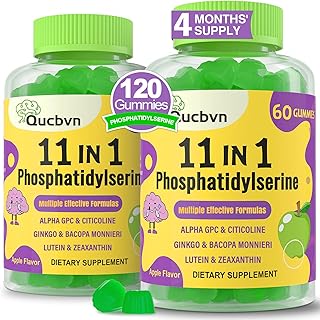
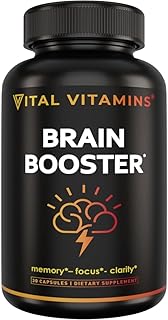


Ginkgo Biloba: Increases blood flow to the brain, improves focus, and supports cognitive performance
Ginkgo Biloba, derived from one of the oldest tree species on Earth, has been a staple in traditional medicine for centuries. Its modern appeal lies in its ability to enhance mental focus by increasing blood flow to the brain, which in turn supports cognitive performance. This process is rooted in the supplement’s antioxidant properties and its capacity to dilate blood vessels, ensuring optimal oxygen and nutrient delivery to brain cells. For individuals seeking a natural way to sharpen concentration, Ginkgo Biloba offers a scientifically backed solution.
To harness its benefits, adults typically start with a dosage of 120–240 mg per day, divided into two or three doses. It’s crucial to choose a standardized extract containing 24% ginkgo flavone glycosides and 6% terpene lactones, as these compounds are responsible for its cognitive effects. Consistency is key; results often become noticeable after 4–6 weeks of regular use. However, those on blood-thinning medications or with bleeding disorders should consult a healthcare provider, as Ginkgo Biloba can interact with these conditions.
Comparatively, Ginkgo Biloba stands out among focus-enhancing supplements for its dual action on circulation and neuroprotection. Unlike caffeine, which provides a short-term boost, Ginkgo Biloba works gradually to improve long-term cognitive function. Its efficacy is particularly notable in older adults experiencing age-related cognitive decline, though it’s equally beneficial for younger individuals seeking sustained mental clarity. Pairing it with a balanced diet and regular exercise amplifies its effects, creating a holistic approach to brain health.
Practical tips for incorporating Ginkgo Biloba into daily routines include taking it with meals to enhance absorption and avoiding late-day doses, as it may interfere with sleep in some individuals. For those new to the supplement, starting with a lower dose and gradually increasing it can minimize potential side effects like mild headaches or digestive discomfort. By integrating Ginkgo Biloba thoughtfully, users can unlock its full potential to improve focus and cognitive performance, making it a valuable addition to any mental wellness regimen.
Zumba's Mental Health Benefits: Dance Your Way to Wellness
You may want to see also
Frequently asked questions
Caffeine is a widely recognized supplement that enhances mental focus by blocking adenosine receptors in the brain, increasing alertness and concentration.
Yes, supplements like Bacopa Monnieri, Ginkgo Biloba, and Rhodiola Rosea are natural options known to support cognitive function and mental clarity.
Yes, omega-3 fatty acids, particularly DHA, are essential for brain health and have been shown to improve focus, memory, and overall cognitive performance.
Yes, L-theanine, often paired with caffeine, promotes a calm yet focused mental state by reducing stress and enhancing attention without jittery side effects.
Yes, B vitamins, especially B6, B9 (folate), and B12, play a crucial role in brain health and energy metabolism, supporting mental focus and reducing fatigue.