Noah Parker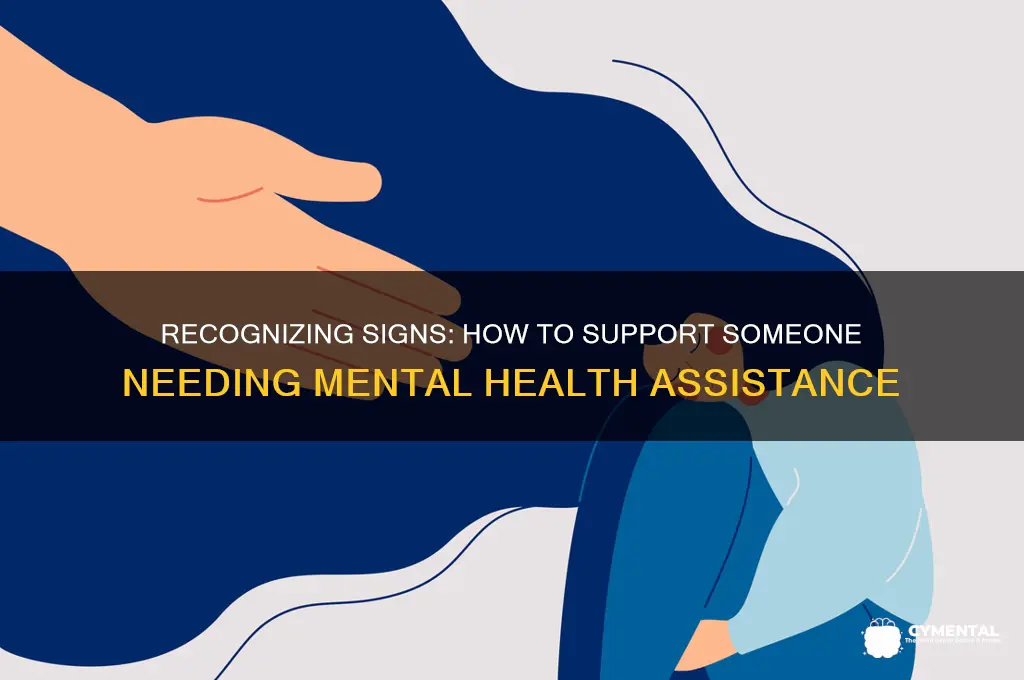
Recognizing when someone may need mental health support can be challenging, but it’s a crucial step in helping them access the care they need. If you suspect a friend, family member, or colleague is struggling, it’s important to approach the situation with empathy, patience, and understanding. Start by observing consistent changes in their behavior, mood, or functioning, such as withdrawal, persistent sadness, or difficulty coping with daily tasks. When addressing your concerns, choose a private, non-judgmental setting and express your observations in a caring way, using I statements to avoid sounding accusatory. Encourage them to seek professional help, such as therapy or counseling, and offer to assist with finding resources or accompanying them to appointments. Above all, listen without judgment and validate their feelings, while also setting boundaries to ensure your own well-being. Remember, your role is to support, not to diagnose or fix, and professional intervention is often necessary for effective treatment.
Explore related products


What You'll Learn
- Recognize Warning Signs: Notice sudden changes in behavior, mood, or habits that seem unusual or concerning
- Approach with Empathy: Use a calm, non-judgmental tone to express care and willingness to listen
- Encourage Professional Help: Gently suggest seeking a therapist, counselor, or mental health professional for support
- Offer Immediate Support: Stay with them, remove risks, and call crisis hotlines if there’s urgency
- Follow Up Regularly: Check in consistently to show ongoing support and reinforce their efforts to get help

Recognize Warning Signs: Notice sudden changes in behavior, mood, or habits that seem unusual or concerning
Sudden shifts in a person's demeanor can be red flags, signaling an underlying struggle with mental health. Imagine a colleague who’s always been punctual and organized suddenly missing deadlines, appearing disheveled, and withdrawing from team interactions. These changes, though subtle, can indicate distress. Recognizing such patterns early is crucial, as it allows for timely intervention and support. Mental health issues often manifest in altered behavior, mood, or habits, making these observable changes vital clues for those around them.
Analyzing these warning signs requires a balance of empathy and objectivity. For instance, a teenager who abruptly stops participating in favorite activities, isolates themselves, or exhibits extreme irritability might be grappling with anxiety or depression. Similarly, an older adult showing sudden confusion, neglect of personal care, or drastic changes in sleep patterns could be experiencing late-onset mental health challenges. The key is to note deviations from their baseline behavior, not to judge, but to understand and assist.
To effectively notice these changes, maintain regular, non-intrusive observation. Keep a mental or written note of the person’s usual habits and mood. If you’re close to them, initiate casual conversations to gauge their emotional state without prying. For example, “I’ve noticed you’ve been less active lately—is everything okay?” Phrasing questions this way shows concern without being confrontational. If you’re not as close, subtle observations and occasional check-ins can still provide valuable insights.
However, caution is necessary to avoid misinterpretation. Not all changes are indicative of mental health issues; life stressors, physical health problems, or temporary mood fluctuations can also cause shifts. For instance, a student might seem withdrawn during exam season due to stress, not necessarily depression. Context matters. Before jumping to conclusions, consider recent events in their life that could explain the behavior. If the changes persist or intensify, that’s when deeper concern is warranted.
In conclusion, recognizing warning signs is both an art and a science. It requires attentiveness, empathy, and a willingness to act without overstepping boundaries. By noticing sudden changes in behavior, mood, or habits, you can be the first line of support for someone silently struggling. Early recognition not only fosters timely help but also reinforces the message that they are not alone in their battle.
Nurturing Your Mind: Practical Steps to Boost Mental Well-Being
You may want to see also
Explore related products


Approach with Empathy: Use a calm, non-judgmental tone to express care and willingness to listen
Recognizing that someone may be struggling with their mental health can be a delicate and challenging situation. In these moments, your approach can significantly impact how the person receives your concern and whether they feel safe to open up. The key lies in empathy—a powerful tool that fosters connection and trust. When you approach with empathy, you create a non-threatening environment, allowing the individual to lower their guard and consider the possibility of seeking help.
The Power of Tone and Language
Imagine a friend confiding in you about their recent feelings of overwhelming sadness. Instead of reacting with shock or dismissal, you respond with a gentle, "I've noticed you haven't seemed like yourself lately, and I'm here if you want to talk." This simple statement, delivered in a calm and non-judgmental tone, conveys empathy and openness. It encourages the person to share their experiences without fear of criticism or rejection. The choice of words and tone can either build a bridge of understanding or create a barrier of defensiveness. For instance, saying, "You seem really down; is everything okay?" is more inviting than, "What's wrong with you lately?" The former invites a conversation, while the latter might make the individual feel scrutinized.
Practical Steps to Empathic Communication
- Active Listening: Pay attention to both verbal and non-verbal cues. Maintain eye contact, nod in understanding, and avoid interrupting. Reflect on what they say to show you're engaged, e.g., "It sounds like you're going through a tough time with your anxiety."
- Ask Open-Ended Questions: Encourage dialogue by asking questions that require more than a yes or no answer. For instance, "How have you been coping with these feelings?" or "What does support look like for you in this situation?"
- Avoid Quick Fixes: Refrain from offering simplistic solutions or advice unless asked. Statements like, "Just think positively," can minimize their struggles. Instead, acknowledge their emotions and offer support, e.g., "It's completely valid to feel this way, and I'm here to help you find resources if you need them."
Empathy in Action: A Scenario
Consider a colleague who has been missing deadlines and seems increasingly irritable. Instead of assuming they are lazy or difficult, an empathic approach would be to privately express your concern. You might say, "I've noticed you've been under a lot of pressure lately, and I wanted to check in. Is there something going on that I can support you with?" This approach not only shows care but also respects their autonomy, allowing them to decide how much to share.
In the context of mental health, empathy is a vital skill that can make a significant difference in how individuals perceive their struggles and seek assistance. It involves being present, listening without judgment, and offering support tailored to the person's needs. By mastering this approach, you become a safe haven for those around you, fostering an environment where seeking help is encouraged and stigma is reduced. Remember, sometimes, the most powerful way to help is simply to be there, listen, and offer a non-judgmental ear.
Accessing Mental Health Support: Can the Mentally Ill Find Assistance?
You may want to see also
Explore related products





Encourage Professional Help: Gently suggest seeking a therapist, counselor, or mental health professional for support
Recognizing when someone might benefit from professional mental health support is a delicate but crucial skill. If you notice persistent changes in behavior, mood, or functioning, it’s a signal to act thoughtfully. Encouraging professional help isn’t about diagnosing or pushing; it’s about offering a lifeline in a way that feels safe and respectful. Start by expressing concern without judgment, using "I" statements to share your observations. For example, "I’ve noticed you’ve been feeling really overwhelmed lately, and I’m worried about you." This approach avoids defensiveness and opens the door for a conversation.
The next step is to normalize seeking help by framing therapy or counseling as a practical tool, not a sign of weakness. Many people hesitate because of stigma or misconceptions about mental health care. Share relatable examples, like how athletes have coaches to improve performance, or how physical therapy is standard for injuries. You could say, "Just like we’d see a doctor for a broken bone, talking to a professional can help with emotional pain." Be specific about the benefits: therapists provide unbiased perspectives, teach coping strategies, and offer evidence-based techniques tailored to individual needs.
Timing and context matter when suggesting professional help. Avoid bringing it up during a crisis or heated moment, as this can feel dismissive or overwhelming. Instead, choose a calm, private setting where the person feels comfortable. If they resist, don’t force the issue but leave the door open by saying, "I’m here if you ever want to talk about this more, and there are professionals who can help too." Offer practical assistance, like helping them find a therapist, sharing resources, or even accompanying them to the first appointment if they’re anxious.
One common barrier is the perceived cost or inaccessibility of mental health care. Address this by researching affordable options beforehand, such as sliding-scale therapists, community mental health centers, or online platforms like BetterHelp or Talkspace. Mention employee assistance programs (EAPs) if they’re employed, or suggest apps like Calm or Headspace as a starting point. For younger individuals, schools often have counseling services, while colleges typically provide free or low-cost mental health resources. Tailoring your suggestion to their circumstances shows you’ve considered their potential concerns.
Finally, remember that encouraging professional help is an act of care, not a solution in itself. Be patient and prepared for resistance, as accepting help can be a gradual process. Reinforce your support by checking in periodically without being intrusive. If you’re concerned about their immediate safety, don’t hesitate to involve crisis resources like the 988 Suicide & Crisis Lifeline. By approaching this conversation with empathy, practicality, and persistence, you can help bridge the gap between their struggles and the support they need.
Empowering Mental Health: Strategies for Hospitals to Provide Comprehensive Care
You may want to see also
Explore related products


Offer Immediate Support: Stay with them, remove risks, and call crisis hotlines if there’s urgency
In moments of crisis, your physical presence can be a lifeline. Staying with someone who is struggling mentally isn’t just about companionship—it’s about safety. Research shows that individuals in distress are less likely to act on harmful impulses when someone is actively present. Sit with them, maintain eye contact, and use calm, non-judgmental language. Avoid leaving them alone, especially if they express thoughts of self-harm or suicide. Your role here is to be a grounding force, a reminder that they aren’t facing this alone.
Removing immediate risks is a critical step often overlooked. This means securing the environment by discreetly removing sharp objects, medications, or other potential tools for self-harm. If they’re in a dangerous location, gently guide them to a safer space. For example, if they’re standing near a balcony, suggest moving to a seated position indoors. Be mindful of their autonomy while prioritizing their safety—this isn’t about control, but about reducing the likelihood of harm in a high-stress moment.
Crisis hotlines are an underutilized resource that can provide professional guidance in real-time. In the U.S., the 988 Suicide & Crisis Lifeline offers 24/7 support, while international options like Befrienders Worldwide connect callers to local services. If the situation feels urgent—if the person is actively suicidal, severely agitated, or detached from reality—don’t hesitate to call. You can even dial the hotline while staying with them, putting the call on speakerphone to involve them in the conversation. This step isn’t a betrayal of trust; it’s a proactive measure to ensure they receive the help they need.
Balancing immediate support with long-term care is key. While staying with them, removing risks, and calling hotlines address the crisis at hand, these actions also create a window to discuss next steps. Encourage them to seek ongoing help, whether through therapy, medication, or support groups. Offer to accompany them to their first appointment or help research local resources. Your role in the moment is vital, but it’s equally important to help them build a safety net for the future.
Mental Disorders and Bankruptcy: Unraveling the Complex Financial Impact
You may want to see also
Explore related products


Follow Up Regularly: Check in consistently to show ongoing support and reinforce their efforts to get help
Regular check-ins are a lifeline for someone navigating mental health challenges. Think of it as tending a fragile plant: sporadic watering won’t sustain growth, but consistent care fosters resilience. A 2020 study in the *Journal of Affective Disorders* found that individuals with regular social support were 40% more likely to adhere to treatment plans. This isn’t about smothering—it’s about creating a predictable, reassuring presence that says, “I’m here, and I’m not going anywhere.”
To follow up effectively, structure your approach. Start with a cadence that feels natural—weekly texts, bi-weekly calls, or monthly coffee dates. Avoid open-ended questions like, “How are you?” which can feel overwhelming. Instead, try specifics: “How did your therapy session go this week?” or “Did you try that mindfulness app we talked about?” These questions show you’re paying attention and validate their efforts. For younger individuals (teens or early 20s), shorter, more frequent check-ins via messaging platforms like Instagram or Snapchat can feel less intrusive and more aligned with their communication style.
Caution: Balance is key. Over-checking can feel suffocating, while under-checking risks signaling disinterest. If you’re unsure, ask directly: “How often would you like me to check in?” Respect their boundaries, but also trust your instincts. If they’re withdrawing or showing signs of deterioration, increase your outreach—even if it means stepping outside their stated preferences. For older adults, who may prefer phone calls or in-person visits, ensure your follow-ups align with their comfort level and technological familiarity.
The power of consistent follow-up lies in its cumulative effect. Each check-in reinforces the message that recovery is a process, not a destination. Celebrate small wins—like attending a therapy session or opening up to a professional—to build momentum. If they relapse or struggle, avoid judgmental language like, “I thought you were doing better.” Instead, say, “This is tough, but I’m proud of you for still trying.” Over time, these interactions create a safety net that encourages persistence, even when progress feels slow.
In conclusion, regular follow-up isn’t just about asking how someone’s doing—it’s about demonstrating unwavering commitment to their journey. It’s the difference between saying, “I care,” and proving it through action. By tailoring your approach, respecting boundaries, and celebrating progress, you become a steady force in their corner, helping them navigate the ups and downs of mental health recovery.
Managing Chronic Pain and Mental Health: Strategies for Healing and Hope
You may want to see also
Frequently asked questions
Look for significant changes in behavior, mood, or personality. Signs may include prolonged sadness, withdrawal from social activities, extreme mood swings, or expressions of hopelessness. If you notice these symptoms, it may be time to encourage them to seek help.
Approach them in a private, non-judgmental way. Express your concerns gently and let them know you’re there to support them. Encourage them to speak with a mental health professional and offer to help them find resources or accompany them to an appointment.
Use "I" statements to express your observations and feelings, such as, "I’ve noticed you seem really stressed lately, and I’m worried about you." Be empathetic, patient, and avoid minimizing their feelings. Let them know you care and want to help.
Respect their feelings but let them know you’re available whenever they’re ready to talk. Avoid pushing too hard, as this can create resistance. Continue to check in periodically and reinforce your support. If they’re in immediate danger, seek professional help or emergency services.
Yes, suggest contacting a mental health professional, such as a therapist or counselor. You can also recommend hotlines like the National Alliance on Mental Illness (NAMI) Helpline, Crisis Text Line, or local mental health clinics. Online resources and support groups can also be helpful.


![Help![Blu-ray]](https://m.media-amazon.com/images/I/6155cLsT0HL._AC_UY218_.jpg)


![Help! [LP]](https://m.media-amazon.com/images/I/71Lo3XMoSlL._AC_UY218_.jpg)