Harper Lewis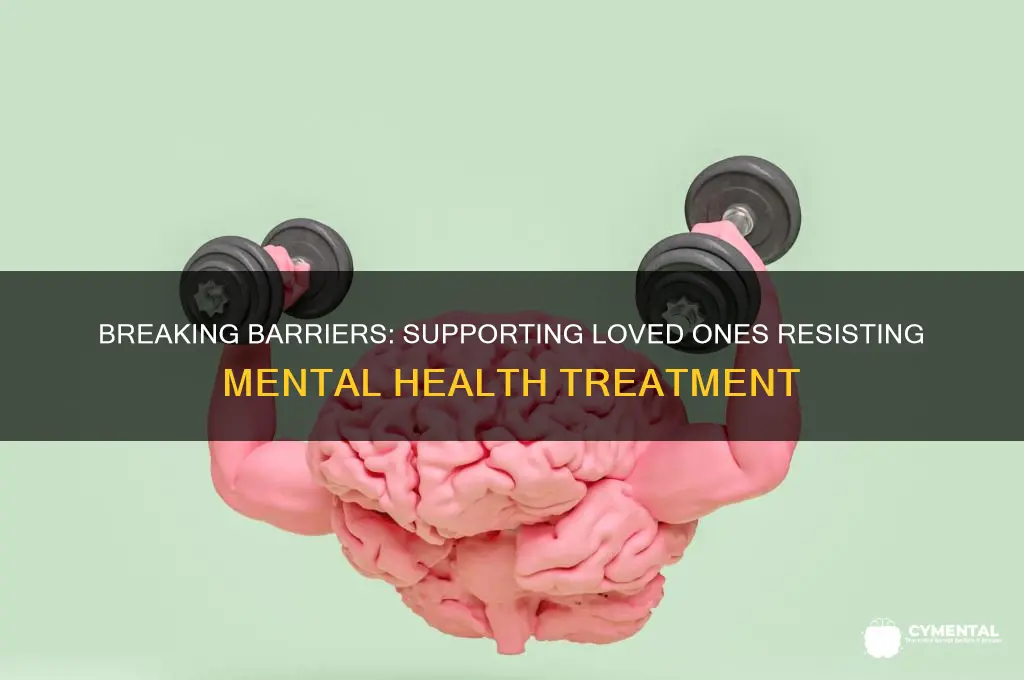
When someone is mentally ill and refuses to seek help, it creates a complex and often heartbreaking situation for both the individual and their loved ones. Mental illness can distort one’s perception of reality, making it difficult for them to recognize their need for treatment or trust others’ concerns. Fear of stigma, denial, or a lack of insight into their condition often contribute to their reluctance. Meanwhile, family and friends may feel powerless, frustrated, or overwhelmed, unsure of how to intervene without causing further alienation. Balancing respect for autonomy with the urgency of ensuring safety and well-being becomes a delicate challenge, requiring patience, education, and sometimes professional guidance to navigate effectively.
| Characteristics | Values |
|---|---|
| Denial of Symptoms | Refusal to acknowledge mental health issues, often claiming "I'm fine" or "It's not a big deal." |
| Fear of Stigma | Avoidance of treatment due to fear of being judged, labeled, or discriminated against. |
| Lack of Insight (Anosognosia) | Inability to recognize one's own mental illness, common in conditions like schizophrenia or bipolar disorder. |
| Fear of Medication | Reluctance to take psychiatric medications due to concerns about side effects, dependency, or loss of control. |
| Previous Negative Experiences | Past traumatic or unsatisfactory experiences with mental health professionals or treatment. |
| Cultural or Religious Beliefs | Beliefs that mental illness is a sign of weakness, a spiritual issue, or should be handled within the family. |
| Logistical Barriers | Lack of access to affordable care, transportation difficulties, or long wait times for appointments. |
| Trust Issues | Distrust of healthcare providers or fear of confidentiality breaches. |
| Perceived Lack of Control | Belief that seeking help means losing autonomy or being forced into treatment. |
| Hopelessness or Apathy | Feeling that treatment won't help or lacking the motivation to seek assistance. |
| Substance Abuse | Using drugs or alcohol to self-medicate, which can mask the need for professional help. |
| Social Isolation | Withdrawal from social circles, reducing opportunities for encouragement to seek help. |
| Financial Concerns | Fear of the cost of treatment or lack of insurance coverage. |
| Misinformation | Misconceptions about mental health treatment, such as believing it’s ineffective or only for "crazy" people. |
| Pride or Self-Reliance | Belief in the ability to handle problems independently without external help. |
| Lack of Awareness | Unawareness of available resources or the severity of one's condition. |
Explore related products


What You'll Learn
- Stigma and Shame: Fear of judgment or embarrassment prevents seeking treatment for mental health issues
- Lack of Awareness: Not recognizing symptoms or understanding the need for professional intervention
- Denial and Avoidance: Refusing to acknowledge the problem, often due to fear or overwhelm
- Trust Issues: Skepticism about mental health professionals or treatment methods hinders help-seeking
- Logistical Barriers: Financial constraints, lack of access, or time limitations prevent accessing care

Stigma and Shame: Fear of judgment or embarrassment prevents seeking treatment for mental health issues
Stigma and shame act as invisible barriers, trapping individuals in a cycle of silence and suffering. Consider this: a 2023 study by the American Psychological Association found that 60% of people with mental illness avoid seeking help due to fear of being judged or labeled as "weak." This statistic isn't just a number; it represents millions of people delaying or forgoing treatment, allowing their conditions to worsen. Imagine a young adult struggling with anxiety, convinced that admitting their struggles will make them appear incapable or unemployable. This fear, fueled by societal misconceptions, becomes a self-fulfilling prophecy, as untreated anxiety often leads to decreased productivity and social withdrawal.
The roots of this stigma are deep, intertwined with cultural norms and historical misconceptions. In many societies, mental illness has been wrongly equated with personal failure or moral weakness. For instance, phrases like "just snap out of it" or "it’s all in your head" trivialize serious conditions, reinforcing the idea that seeking help is unnecessary or embarrassing. This narrative is particularly damaging for men, who are often socialized to suppress emotions and equate vulnerability with weakness. A 2022 survey by the National Alliance on Mental Illness revealed that men are less likely than women to seek mental health treatment, with stigma being a leading factor.
Breaking this cycle requires a multi-faceted approach. First, education is key. Schools, workplaces, and media platforms must normalize conversations about mental health, emphasizing that seeking help is a sign of strength, not weakness. For example, implementing mental health literacy programs in schools can equip young people with the knowledge to recognize symptoms and the confidence to seek support. Second, healthcare systems must prioritize accessibility and confidentiality. Teletherapy and anonymous helplines can provide safe spaces for those hesitant to seek in-person treatment. Finally, individuals can play a role by challenging stigmatizing language and behaviors in their daily lives.
Practical steps can make a tangible difference. If you know someone struggling, start by listening without judgment. Use phrases like "I’m here for you" instead of "just stay positive." Encourage professional help by offering to accompany them to their first appointment or researching therapists together. For those hesitant to seek help, starting small can be less intimidating—try a mental health app or join an online support group. Remember, progress is incremental, and every step counts.
Ultimately, dismantling stigma and shame is a collective responsibility. By fostering empathy, challenging misconceptions, and creating supportive environments, we can ensure that fear of judgment no longer stands in the way of healing. The journey is challenging, but the alternative—a world where people suffer in silence—is far more costly.
Can ERs Provide Mental Health Support in Crisis Situations?
You may want to see also
Explore related products


Lack of Awareness: Not recognizing symptoms or understanding the need for professional intervention
Mental health symptoms often masquerade as everyday struggles, making them difficult to identify. Fatigue, irritability, or social withdrawal can be mistaken for laziness, a bad mood, or introversion. For instance, a teenager sleeping until noon might be labeled as unmotivated, while in reality, they could be experiencing depression. This misattribution delays intervention, as both the individual and those around them fail to recognize the underlying issue. Without awareness of these subtle signs, mental illness can deepen, becoming more resistant to treatment.
Consider a step-by-step approach to improve symptom recognition. First, educate yourself on common mental health indicators, such as persistent sadness, changes in appetite, or difficulty concentrating. Second, observe patterns rather than isolated incidents. For example, occasional sadness is normal, but daily hopelessness warrants attention. Third, use reliable resources like the DSM-5 criteria or WHO guidelines to cross-reference observed behaviors. Finally, encourage open conversations without judgment, creating a safe space for the individual to express their struggles.
A comparative analysis reveals that cultural stigma often exacerbates lack of awareness. In collectivist societies, mental illness may be seen as a family shame, leading to denial or avoidance. Conversely, individualistic cultures might dismiss symptoms as personal weakness. For instance, a study in *The Lancet* found that 60% of individuals in low-awareness regions attributed mental illness to "lack of willpower." This highlights the need for culturally tailored awareness campaigns, such as community workshops or media portrayals that normalize seeking help.
Persuasively, it’s critical to address the misconception that mental illness is self-manageable. While coping mechanisms like exercise or journaling can help, they are not substitutes for professional intervention. For example, someone with generalized anxiety disorder may benefit from mindfulness but still require medication or therapy to manage symptoms effectively. Dosage matters here—just as you wouldn’t treat a broken leg with a bandage, mental health requires appropriate, often multi-faceted, treatment.
Practically, start by normalizing mental health conversations in everyday life. Share articles, attend awareness events, or discuss mental health openly with peers. For parents, incorporate age-appropriate discussions with children, such as explaining emotions to a 5-year-old or discussing stress management with a teenager. Employers can offer training sessions on recognizing mental health issues in the workplace. Small, consistent actions can shift societal perceptions, making it easier for individuals to recognize symptoms and seek help without fear or confusion.
DHS Assistance: Navigating Disability Benefits for Mental Health Disorders
You may want to see also
Explore related products





Denial and Avoidance: Refusing to acknowledge the problem, often due to fear or overwhelm
Denial and avoidance are common responses when individuals confront the possibility of mental illness, often stemming from fear or overwhelm. This psychological defense mechanism can manifest in various ways: dismissing symptoms as temporary, attributing them to external stressors, or outright refusing to acknowledge their existence. For instance, a person experiencing persistent anxiety might insist it’s “just stress from work” rather than a potential anxiety disorder. This behavior is not merely stubbornness but a coping strategy to avoid the emotional pain and uncertainty that accepting the problem might bring.
Consider the case of Sarah, a 32-year-old professional who began isolating herself and struggling with concentration. Her friends suggested therapy, but she brushed it off, claiming she was “just tired.” Her denial was rooted in fear—fear of being labeled as weak, fear of the stigma surrounding mental health, and fear of the unknown treatment process. This avoidance delayed her diagnosis of depression for over a year, during which her symptoms worsened. Sarah’s story illustrates how denial can act as a barrier to timely intervention, exacerbating the condition and prolonging suffering.
To address denial and avoidance, it’s crucial to approach the individual with empathy and patience. Start by normalizing the conversation around mental health, using non-judgmental language and sharing relatable examples. For instance, saying, “Many people feel this way when they’re overwhelmed—it’s okay to ask for help” can reduce resistance. Encourage small steps, such as taking an online mental health assessment or speaking to a trusted friend, rather than pushing for immediate professional intervention. Practical tools like journaling or mindfulness apps can also serve as low-stakes entry points to self-reflection.
A comparative analysis reveals that denial often stems from societal stigma and personal misconceptions about mental illness. In cultures where mental health is taboo, individuals may internalize shame, viewing their struggles as a personal failure rather than a treatable condition. For example, a study found that 60% of individuals in stigmatizing environments delayed seeking help due to fear of judgment. Conversely, in communities with open dialogue about mental health, denial is less prevalent, highlighting the importance of cultural shifts in reducing avoidance behaviors.
In conclusion, breaking through denial and avoidance requires a combination of understanding, strategic communication, and actionable steps. By acknowledging the underlying fears and providing a supportive framework, loved ones can help individuals move from resistance to acceptance. Remember, the goal is not to force change but to create a safe space where the person feels empowered to take the first step toward healing. Practical tips, such as offering to accompany them to a first appointment or sharing resources like helplines (e.g., the National Alliance on Mental Illness at 1-800-950-NAMI), can make a significant difference in overcoming these barriers.
Brahmi's Impact: Enhancing Mental Wellbeing and Cognitive Health Naturally
You may want to see also
Explore related products



Trust Issues: Skepticism about mental health professionals or treatment methods hinders help-seeking
Skepticism toward mental health professionals and treatment methods often stems from a deep-seated mistrust of authority figures, fueled by historical and systemic failures in healthcare. For instance, marginalized communities, such as Black Americans, have valid reasons for wariness, given the Tuskegee Syphilis Study and other instances of medical exploitation. This distrust isn't irrational—it's a survival mechanism. When someone perceives mental health providers as part of a system that has historically harmed or dismissed their experiences, they're less likely to seek help. Addressing this requires acknowledging these grievances and actively working to rebuild trust through culturally competent care and transparent practices.
Consider the case of a 32-year-old woman who avoids therapy because her previous therapist dismissed her anxiety as "overthinking." This experience reinforced her belief that mental health professionals don't understand her struggles. Such invalidation can create a self-fulfilling prophecy: she stops seeking help, her symptoms worsen, and her skepticism deepens. To counteract this, providers must prioritize empathy and validation, ensuring clients feel heard and understood. Practical steps include incorporating client feedback into treatment plans and offering diverse therapeutic approaches, such as mindfulness-based cognitive therapy or art therapy, to cater to individual preferences.
Persuading someone to trust mental health treatment isn’t about dismissing their skepticism but reframing it as a starting point for collaboration. For example, if someone fears medication side effects, a psychiatrist could present evidence-based data on dosage adjustments—like starting SSRIs at 50% of the standard dose to minimize initial discomfort—while emphasizing shared decision-making. Similarly, for those wary of talk therapy, providers can highlight low-stakes options like group therapy or online counseling, which offer anonymity and flexibility. The goal is to empower individuals to take small, manageable steps toward care.
Comparing mental health skepticism to physical health attitudes reveals a double standard. Few would refuse treatment for a broken leg, yet stigma and fear often prevent people from addressing psychological pain. This disparity underscores the need for public campaigns that normalize mental health care, much like campaigns for cancer screenings or vaccinations. For instance, initiatives like "Mental Health First Aid" train individuals to recognize symptoms and offer support, reducing the stigma that fuels distrust. By treating mental health with the same urgency as physical health, society can begin to dismantle barriers to care.
Finally, rebuilding trust requires systemic change, not just individual efforts. Clinics and hospitals must adopt policies that prioritize transparency, consent, and cultural humility. For example, informed consent forms should clearly outline treatment risks and benefits, and providers should actively involve clients in decision-making. Additionally, diversifying the mental health workforce—ensuring representation across race, gender, and lived experiences—can make services more relatable and accessible. While these changes won’t erase historical mistrust overnight, they lay the foundation for a system that feels safer and more inclusive for everyone.
Unlocking Mental Wellness: The Transformative Power of Psychedelics Explained
You may want to see also
Explore related products


$20.49 $36.99

$18.08 $32.99


Logistical Barriers: Financial constraints, lack of access, or time limitations prevent accessing care
Financial constraints often erect an insurmountable wall between individuals and mental health care. Therapy sessions can cost anywhere from $60 to $250 per hour, and psychiatric evaluations may run upwards of $500. For those without insurance or with high-deductible plans, these expenses are simply unattainable. Even with coverage, copays and medication costs—antidepressants like SSRIs can range from $10 to $200 monthly—quickly accumulate. A single parent working a minimum-wage job, for instance, might forgo treatment to prioritize rent or groceries, illustrating how economic survival trumps mental well-being in dire circumstances.
Lack of access compounds the problem, particularly in rural or underserved areas. In the U.S., over 110 million people live in regions with a shortage of mental health professionals. Telehealth emerged as a solution during the pandemic, but it requires reliable internet and digital literacy—luxuries not everyone possesses. Consider a farmer in Montana, hours from the nearest clinic, with spotty Wi-Fi and no smartphone. For them, "access" remains a theoretical concept, not a practical option. This geographic and technological divide exacerbates disparities, leaving many without viable pathways to care.
Time limitations further hinder those already stretched thin. A full-time worker with a 40-hour week, plus commuting and household responsibilities, may have zero flexibility for midday appointments. Mental health care often demands consistent, long-term engagement—weekly therapy, monthly medication management—which clashes with rigid schedules. For example, a retail worker with unpredictable shifts might struggle to commit to recurring sessions, fearing job repercussions for requesting time off. The system, designed for those with stable 9-to-5 jobs, fails to accommodate the realities of gig workers, caregivers, or those in low-wage positions.
Practical solutions exist but require systemic change. Sliding-scale clinics and community health centers offer affordable care, yet they’re often underfunded and overwhelmed. Employers can play a role by providing mental health days or flexible scheduling, though this is rare outside corporate environments. Policy interventions, such as expanding Medicaid or capping medication costs, could alleviate financial burdens. Meanwhile, individuals can explore free resources like support groups or apps, though these are no substitute for professional care. Until these barriers are addressed, logistical constraints will continue to isolate those in need, turning a treatable condition into a silent crisis.
Shorter School Weeks: Boosting Student Mental Health and Well-Being
You may want to see also
Frequently asked questions
Encourage open communication, express your concern without judgment, and offer to help them find resources. If they remain resistant, consider consulting a mental health professional for guidance on how to approach the situation.
In most cases, you cannot force someone into treatment unless they pose an immediate danger to themselves or others. Laws vary by location, but involuntary treatment is typically a last resort and requires legal intervention.
Be patient, listen without judgment, and validate their feelings. Encourage small steps toward self-care and offer to accompany them to appointments if they eventually agree. Take care of your own mental health while supporting them.
Untreated mental illness can worsen over time, leading to increased suffering, social isolation, or even self-harm. It’s important to balance respect for their autonomy with efforts to encourage treatment.
Yes, alternatives include peer support groups, self-help resources, or encouraging lifestyle changes like exercise, healthy eating, and social connection. However, these should not replace professional care for severe conditions.