Harper Lewis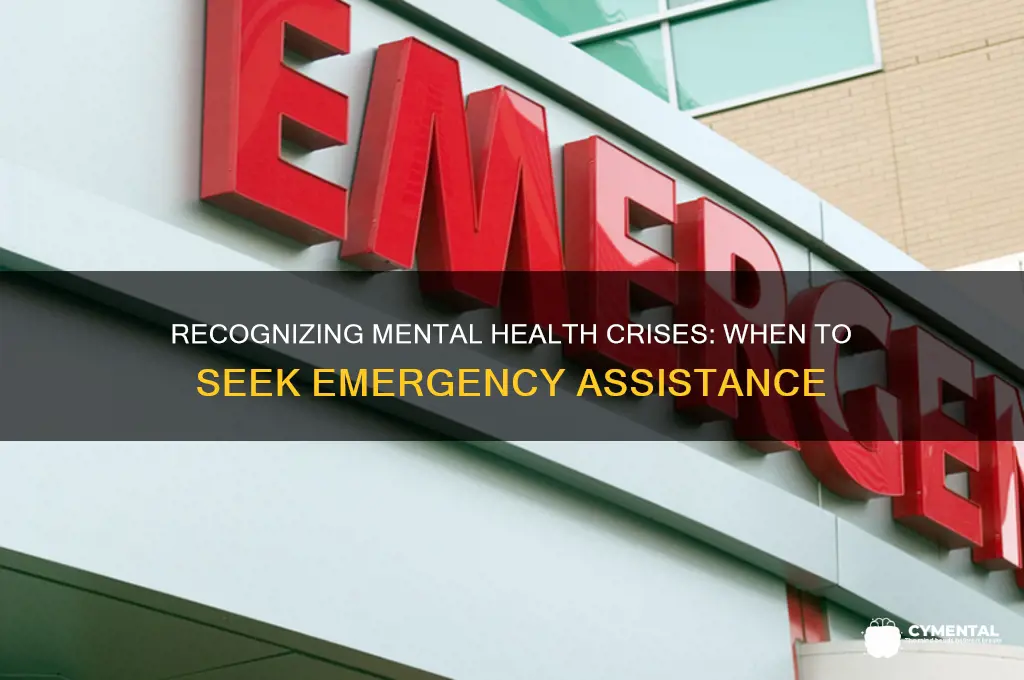
Recognizing when to seek emergency help for mental health is crucial, as it can be a matter of life and death. Immediate assistance should be sought if an individual is experiencing severe symptoms such as suicidal thoughts, self-harm, or a clear plan to end their life. Other red flags include psychotic episodes, uncontrollable panic attacks, or sudden, extreme changes in behavior that pose a danger to themselves or others. Additionally, if someone is unable to care for themselves due to their mental state, such as neglecting basic needs like eating or hygiene, emergency intervention is necessary. Friends, family, or caregivers should not hesitate to call emergency services or take the person to the nearest emergency room if they suspect a mental health crisis, as timely support can prevent tragic outcomes and provide critical stabilization.
When to Seek Emergency Help for Mental Health
| Characteristics | Values |
|---|---|
| Suicidal Thoughts or Behaviors | Expressing thoughts of wanting to die, making plans for suicide, attempting suicide, or engaging in self-harm. |
| Homicidal Thoughts or Behaviors | Expressing intent to harm or kill others, making threats, or exhibiting violent behavior. |
| Severe Psychosis | Experiencing hallucinations (seeing or hearing things that aren't there), delusions (fixed false beliefs), or disorganized thinking that significantly impairs functioning. |
| Severe Mania or Hypomania | Experiencing an elevated or irritable mood lasting for at least a week, accompanied by increased energy, racing thoughts, decreased need for sleep, reckless behavior, and impaired judgment. |
| Severe Depression | Experiencing persistent feelings of sadness, hopelessness, worthlessness, or guilt, loss of interest in activities, changes in appetite or sleep, fatigue, difficulty concentrating, and thoughts of death or suicide. |
| Severe Anxiety or Panic Attacks | Experiencing intense fear or panic, rapid heartbeat, shortness of breath, chest pain, dizziness, nausea, and feelings of impending doom that are severe and persistent. |
| Acute Agitation or Aggression | Exhibiting extreme restlessness, irritability, hostility, or violence that poses a risk to self or others. |
| Inability to Care for Oneself | Unable to perform basic activities of daily living (eating, bathing, dressing) due to mental health symptoms. |
| Substance Abuse Crisis | Experiencing severe intoxication, withdrawal symptoms, or overdose related to drug or alcohol use. |
| Significant Change in Behavior | Sudden and drastic changes in behavior, personality, or functioning that are concerning and unexplained. |
Explore related products


What You'll Learn

Severe suicidal thoughts or plans
Suicidal thoughts are a mental health emergency, demanding immediate action. If you or someone you know is experiencing severe suicidal thoughts or has a plan to end their life, call emergency services (911 in the U.S.) or a local crisis hotline without hesitation. Time is critical, and professional intervention can save lives.
The presence of a specific plan—such as acquiring means (e.g., pills, weapons) or setting a date—escalates the risk significantly. Unlike passive thoughts like "I wish I weren’t here," severe suicidal ideation involves active planning and intent. For instance, a person might say, "I’ve decided to take an overdose of my medication tonight." Such statements are red flags requiring urgent response.
Children and adolescents, particularly those aged 10–24, are at heightened risk, with suicide being the second leading cause of death in this age group. Warning signs in younger individuals may include sudden withdrawal from friends, drastic changes in behavior, or giving away prized possessions. Adults may exhibit signs like increased substance use, sudden calmness after a period of depression, or unresolved grief. Recognizing these cues and acting swiftly can be life-saving.
If immediate emergency services are not available, do not leave the person alone. Stay with them, remove any potential means of self-harm, and contact a mental health professional or crisis intervention team. Online resources like the Crisis Text Line (text HOME to 741741) or the National Suicide Prevention Lifeline (988) offer immediate support. Remember, severe suicidal thoughts are a medical crisis, not a personal failure, and professional help is both necessary and effective.
Aromatherapy's Healing Power: Enhancing Mental Health and Well-being Naturally
You may want to see also
Explore related products


$43.68 $70.95


Hallucinations or delusions
Hallucinations and delusions are red flags that demand immediate attention. These symptoms, often associated with severe mental health conditions like schizophrenia, bipolar disorder, or severe depression, can indicate a crisis. Hallucinations involve sensing things that aren’t there—hearing voices, seeing visions, or feeling imaginary touches. Delusions are unwavering, false beliefs, such as thinking one is being persecuted or has extraordinary powers. If someone experiences these symptoms, especially for the first time or with sudden intensity, it’s crucial to act swiftly. Ignoring them can lead to self-harm, harm to others, or a complete break from reality.
Consider this scenario: a 28-year-old begins hearing voices commanding them to harm themselves. This isn’t a passing phase; it’s an emergency. The first step is to ensure safety. Remove sharp objects, medications, or other potential hazards from their immediate environment. Next, contact a mental health professional or emergency services. If the person is resistant to help, remain calm but firm—explain that their safety is the priority. Avoid arguing about the reality of their experiences, as this can escalate distress. Instead, acknowledge their fear or confusion and reassure them that help is available.
Not all hallucinations or delusions are identical in urgency. For instance, a person with chronic schizophrenia may manage their symptoms with medication and therapy, but if their delusions intensify or they stop taking prescribed medication (e.g., antipsychotics like olanzapine or risperidone), it’s a warning sign. Similarly, if someone with bipolar disorder enters a manic phase and develops grandiose delusions, such as believing they can fly, immediate intervention is necessary. Monitor changes in behavior, speech, or mood—sudden aggression, incoherent speech, or extreme paranoia are critical indicators.
Here’s a practical tip: keep a crisis plan ready. This includes emergency contacts (therapist, psychiatrist, local crisis hotline), a list of current medications, and a trusted person who can accompany the individual to the hospital. If hospitalization is required, know that short-term stays often stabilize acute symptoms through medication adjustments and therapy. For example, antipsychotic doses may be increased under medical supervision to manage severe hallucinations. Remember, seeking help isn’t a failure—it’s a proactive step toward recovery.
In conclusion, hallucinations and delusions are not mere quirks of the mind; they are urgent calls for action. Recognize the signs, prioritize safety, and leverage professional resources. Early intervention can prevent long-term harm and restore stability. Mental health emergencies are as valid as physical ones—treat them with the same urgency and compassion.
Empathetic Approaches to Encourage Mental Health Support for Loved Ones
You may want to see also
Explore related products


Inability to care for oneself
One of the most critical indicators that emergency mental health intervention is necessary is when an individual can no longer perform basic activities of daily living (ADLs). These include tasks like bathing, dressing, eating, and maintaining personal hygiene. When someone neglects these essential self-care routines, it often signals a severe decline in mental health, such as depression, psychosis, or overwhelming anxiety. For instance, a person who leaves dishes piled up for weeks or stops showering altogether may be experiencing a level of despair or disconnection from reality that requires immediate attention.
Consider the following scenario: a college student who once excelled academically begins skipping classes, ignoring assignments, and isolating themselves in their dorm room. They stop responding to messages from friends and family, and their appearance becomes unkempt. This isn’t just laziness or a temporary slump—it’s a red flag. The inability to care for oneself in this context often stems from a mental health crisis that has progressed to the point of functional impairment. If left unaddressed, such neglect can lead to physical health complications, academic or job loss, and social isolation.
From a practical standpoint, here’s how to assess and respond: first, observe specific changes in behavior. Are meals being skipped consistently? Is the person wearing the same clothes for days? Are they neglecting medication or medical appointments? If these signs are present, intervene by gently encouraging professional help. For adults, this might involve contacting a mental health crisis line or urging them to visit an emergency room. For minors or dependents, caregivers should seek immediate assistance from a pediatrician or mental health provider. In extreme cases, such as when the person is at risk of severe malnutrition or dehydration, calling emergency services (e.g., 911 in the U.S.) is warranted.
It’s crucial to differentiate between occasional self-care lapses and a persistent inability to function. For example, a teenager staying up late to play video games occasionally is different from one who hasn’t left their room in days, skipped meals, and stopped attending school. The latter scenario demands urgent action. Additionally, cultural or situational factors (e.g., grief, temporary stress) can influence self-care habits, but when these changes are prolonged and severe, they point to a deeper issue.
Finally, remember that the inability to care for oneself is not a character flaw but a symptom of a treatable condition. Emergency intervention can include hospitalization for stabilization, medication adjustments, or intensive therapy. Early recognition and action can prevent long-term consequences and restore the individual’s ability to manage daily life. If you notice these signs in someone, act swiftly—your intervention could be life-saving.
Struggling in Silence: The Cost of Unaffordable Mental Health Care
You may want to see also
Explore related products




Severe panic attacks or paranoia
Severe panic attacks and paranoia can be overwhelming, leaving individuals feeling helpless and disconnected from reality. These episodes often manifest as intense fear, rapid heartbeat, shortness of breath, and irrational thoughts, such as believing one is in immediate danger or being persecuted. Recognizing the signs early is crucial, as untreated episodes can escalate, leading to self-harm, harm to others, or a complete inability to function. For instance, a person experiencing severe paranoia might become convinced that someone is breaking into their home, leading them to act aggressively or flee in terror. Understanding these symptoms is the first step in knowing when to seek emergency help.
In the midst of a severe panic attack or paranoid episode, immediate intervention can prevent long-term psychological damage. If someone is unable to calm down after 30 minutes of deep breathing or grounding techniques, or if they express suicidal thoughts or intentions to harm others, it’s time to call emergency services. Practical steps include staying with the person, speaking calmly, and removing any objects that could be used for self-harm. For example, if a 25-year-old adult is hyperventilating and insists they’re having a heart attack despite no physical symptoms, this warrants urgent attention. Emergency responders are trained to de-escalate such situations and provide necessary medical or psychiatric care.
Comparing severe panic attacks to milder episodes highlights the urgency of seeking help. While occasional anxiety or fleeting paranoid thoughts are common, severe episodes are characterized by their intensity, duration, and disruption to daily life. For instance, a mild panic attack might last 10 minutes and resolve with relaxation techniques, whereas a severe one can persist for hours, accompanied by derealization or a fear of losing control. Similarly, paranoia that interferes with work, relationships, or personal safety—such as refusing to leave the house due to unfounded fears—requires immediate professional intervention. Recognizing these distinctions ensures timely and appropriate action.
Persuading someone to seek emergency help during a severe panic attack or paranoid episode can be challenging, as their perception of reality may be distorted. It’s essential to approach the situation with empathy and firmness. Phrases like, “I’m here to help you, and we need to get you to a safe place,” can be more effective than arguing against their irrational beliefs. Offering to accompany them to the emergency room or calling a crisis hotline (e.g., the National Suicide Prevention Lifeline at 988 in the U.S.) can provide immediate support. Remember, the goal is to ensure their safety and connect them with professionals who can administer treatments like benzodiazepines for acute anxiety or antipsychotics for severe paranoia, under medical supervision.
In conclusion, severe panic attacks and paranoia are not mere moments of discomfort but critical mental health emergencies. By identifying symptoms, understanding the risks, and taking swift action, you can play a vital role in safeguarding someone’s well-being. Whether it’s a teenager experiencing their first psychotic episode or a middle-aged adult overwhelmed by panic, knowing when and how to intervene can be life-saving. Emergency help is not a last resort but a necessary step toward recovery and stability.
Supporting Veterans: Strategies to Address Mental Health Challenges Effectively
You may want to see also
Explore related products


Self-harm or harm to others
Self-harm, whether directed inward or outward, is a critical red flag demanding immediate attention. Cutting, burning, or hitting oneself are overt signs, but self-harm can also manifest subtly—skipping meals, refusing necessary medication, or engaging in reckless behaviors like unsafe sex or substance abuse. Any intentional act to cause physical or emotional pain to oneself warrants emergency intervention. Similarly, threats or attempts to harm others—whether verbalized, written, or acted upon—require urgent action. This includes violent outbursts, weapon possession with intent, or detailed plans to cause injury. Both scenarios indicate a severe mental health crisis that cannot be managed without professional help.
Consider the context and severity. A single instance of self-harm may reflect a momentary lapse in coping, but repeated episodes or escalating methods (e.g., deeper cuts, more dangerous tools) signal a deteriorating mental state. For harm to others, assess the target—is it a specific person, a group, or indiscriminate? Specific threats, especially toward vulnerable individuals like children or the elderly, heighten urgency. Age plays a role too: adolescents experimenting with self-harm may require different interventions than adults with a history of chronic suicidal ideation. In all cases, err on the side of caution; even ambiguous signs like sudden social withdrawal or fixation on violent themes should prompt a call to emergency services or a mental health hotline.
Emergency response protocols vary, but the goal is consistent: de-escalation and stabilization. If you’re with someone in crisis, remove immediate dangers (e.g., sharp objects, weapons) and stay calm. Use a crisis line (e.g., 988 in the U.S.) for real-time guidance. For self-harm, physical injuries may need medical attention, but the underlying psychological distress is paramount. Hospitals can provide psychiatric evaluations and short-term holds if risk is high. For harm to others, law enforcement may be involved, but mental health professionals should lead the assessment to address root causes like psychosis, severe depression, or trauma. Never attempt to handle these situations alone; trained responders can balance safety with empathy.
Prevention is as critical as reaction. Educate yourself on warning signs: drastic mood swings, giving away prized possessions (a sign of suicidal intent), or glorifying violence. Keep emergency contacts handy, including local crisis centers and trusted therapists. For adolescents, schools and pediatricians can be allies in early detection. Apps like Calm Harm offer temporary coping tools, but they’re no substitute for professional care. Remember, seeking help isn’t overreacting—it’s a potentially life-saving act. Whether you’re the one struggling or a concerned bystander, acting swiftly can alter the trajectory of a crisis.
School Nurses: Prepared to Address Student Mental Health Challenges?
You may want to see also
Frequently asked questions
Seek emergency help if you or someone else is experiencing severe symptoms such as suicidal thoughts, self-harm, hallucinations, delusions, inability to care for oneself, or extreme agitation that poses a risk to safety.
Call emergency services (e.g., 911 in the U.S.) or a local crisis hotline immediately. Stay with the person, keep them safe, and provide reassurance until help arrives.
Yes, warning signs include sudden changes in behavior, threats of harm to self or others, severe disorientation, or inability to function in daily life. Do not wait—seek emergency care promptly.