Lucas Bennett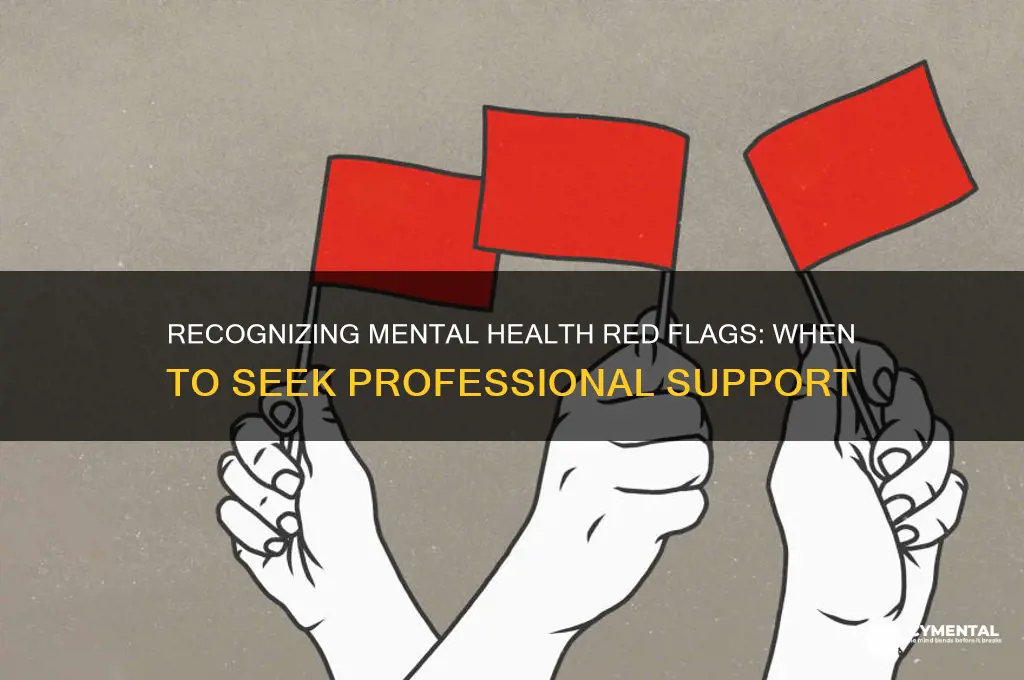
Recognizing when to seek mental health help is crucial for overall well-being, yet many people struggle to identify the signs or feel uncertain about taking the first step. An infographic on this topic can serve as a valuable tool, offering clear, concise guidance on common indicators such as persistent sadness, changes in sleep or appetite, difficulty concentrating, or feelings of hopelessness. It can also highlight situations where professional support is essential, such as experiencing suicidal thoughts or significant disruptions in daily life. By visually organizing this information, the infographic empowers individuals to make informed decisions about their mental health, reduces stigma, and encourages timely intervention for a healthier, more balanced life.
Explore related products



What You'll Learn
- Recognizing Warning Signs: Persistent sadness, anxiety, or changes in behavior that disrupt daily life
- When to Act: If symptoms last over two weeks or interfere with work, relationships, or self-care?
- Crisis Situations: Thoughts of self-harm, suicide, or harm to others require immediate professional intervention
- Impact on Functioning: Struggling to perform basic tasks or maintain hygiene signals a need for help
- Support Options: Therapy, medication, or support groups can provide effective treatment and recovery tools

Recognizing Warning Signs: Persistent sadness, anxiety, or changes in behavior that disrupt daily life
Persistent sadness, anxiety, or changes in behavior that disrupt daily life are not merely fleeting emotions but potential red flags signaling a deeper mental health issue. These symptoms often manifest as a prolonged sense of hopelessness, excessive worry, or noticeable shifts in how one interacts with the world. For instance, a person might withdraw from social activities, struggle to complete routine tasks, or exhibit irritability that seems out of character. Recognizing these signs early can be the difference between timely intervention and a worsening condition.
Consider the analytical perspective: persistent sadness lasting more than two weeks, especially when accompanied by loss of interest in previously enjoyed activities, could indicate depression. Anxiety becomes a concern when it interferes with work, relationships, or sleep, such as experiencing panic attacks or constant fear without an apparent trigger. Behavioral changes, like sudden aggression, neglect of personal hygiene, or drastic changes in eating habits, often reflect underlying distress. Tracking these patterns objectively—using journals or mental health apps—can help distinguish between normal fluctuations and cause for concern.
From an instructive standpoint, here’s a practical approach: monitor symptoms using the "3-2-1 rule." Note if sadness or anxiety persists for 3 weeks or more, affects 2 or more areas of life (e.g., work and relationships), and involves 1 severe symptom (e.g., suicidal thoughts or self-harm). For children and adolescents, look for age-specific signs: younger children might regress (e.g., bedwetting), while teens may show increased defiance or academic decline. Adults might mask symptoms with substance use or overwork. If these criteria are met, seeking professional help is not optional—it’s essential.
Persuasively speaking, ignoring these warning signs can lead to severe consequences. Untreated depression increases the risk of physical health issues like heart disease, while unmanaged anxiety can escalate into debilitating phobias or panic disorder. Behavioral changes, if left unaddressed, may strain relationships or lead to isolation. Early intervention, such as therapy or medication, can prevent these outcomes. Think of it as addressing a small crack in a foundation before it compromises the entire structure.
Finally, a comparative view highlights the importance of context. Everyone experiences sadness or anxiety occasionally, but when these feelings become a constant companion, they differ from typical emotional responses. For example, grief after a loss is normal, but if it evolves into persistent despair that hinders functioning, it crosses into clinical depression. Similarly, pre-exam jitters are common, but anxiety that prevents attending school or work warrants attention. Understanding these distinctions empowers individuals to act proactively rather than dismissing symptoms as "just a phase."
In summary, recognizing persistent sadness, anxiety, or behavioral changes requires vigilance, objectivity, and a willingness to act. By applying specific criteria, understanding age-related nuances, and acknowledging the risks of inaction, individuals can navigate these warning signs effectively. Mental health is not a luxury—it’s a necessity, and addressing these symptoms early is a critical step toward well-being.
Do Mental Health Services Truly Deliver Effective Support and Recovery?
You may want to see also
Explore related products


When to Act: If symptoms last over two weeks or interfere with work, relationships, or self-care
Mental health symptoms that persist beyond two weeks often signal a need for intervention. This timeframe is a critical benchmark because it distinguishes between transient stress and potential long-term issues. For instance, feeling overwhelmed after a major life event is normal, but if anxiety or sadness lingers, it may indicate an underlying condition like depression or generalized anxiety disorder. Tracking symptoms in a journal can help identify patterns and determine if professional help is warranted.
Interference with daily functioning is another red flag that demands attention. When symptoms disrupt work performance—such as difficulty concentrating, frequent absences, or conflicts with colleagues—it’s time to act. Similarly, strained relationships, whether with partners, family, or friends, often reflect untreated mental health struggles. Even self-care routines, like hygiene, sleep, or eating habits, can deteriorate, creating a cycle of decline. For example, insomnia paired with persistent sadness could exacerbate depression, making it harder to recover without support.
Practical steps can mitigate these issues before they escalate. Start by consulting a primary care physician to rule out physical causes. If mental health is the concern, seek a therapist or psychiatrist who can provide tailored strategies. Cognitive-behavioral therapy (CBT) is effective for many conditions, while medication may be recommended for moderate to severe cases. Apps like Calm or Headspace can offer temporary relief, but they are not substitutes for professional care.
Comparing mental health to physical health can clarify when to act. Just as persistent back pain warrants a doctor’s visit, ongoing emotional distress requires attention. Ignoring symptoms often leads to worsening conditions, much like untreated high blood pressure can cause heart disease. Early intervention not only alleviates suffering but also prevents complications, such as job loss or relationship breakdown.
In conclusion, the two-week mark and functional impairment are clear indicators to seek help. Acting promptly can prevent minor issues from becoming major crises. Whether through therapy, medication, or lifestyle changes, addressing mental health proactively is essential for long-term well-being. Remember, seeking help is a sign of strength, not weakness.
Technology's Impact: Transforming Mental Health Care and Support
You may want to see also
Explore related products


Crisis Situations: Thoughts of self-harm, suicide, or harm to others require immediate professional intervention
In moments of crisis, when thoughts of self-harm, suicide, or harming others arise, immediate action is non-negotiable. These thoughts are not mere passing feelings but urgent signals that professional intervention is required. Unlike general stress or sadness, which may resolve with time or self-care, crisis situations demand a swift response to prevent irreversible consequences. Recognizing this distinction is the first step toward safety and recovery.
Consider the following steps if you or someone you know is in this situation: Call emergency services (911 in the U.S.) or a suicide hotline (e.g., 988 for the Suicide & Crisis Lifeline) immediately. These resources are equipped to provide instant support and guide you toward the next steps. If the person is in immediate danger, do not leave them alone. Remove any potential means of harm, such as weapons or medications, and stay with them until help arrives. Time is critical, and hesitation can be fatal.
Analyzing the urgency of these situations reveals why professional intervention is essential. Thoughts of self-harm or harm to others often stem from overwhelming emotional distress, severe mental health conditions, or acute crises. Without expert help, individuals may lack the tools to manage these feelings, leading to tragic outcomes. Professionals can provide crisis stabilization, such as hospitalization or intensive therapy, to address the immediate risk and develop a long-term treatment plan. Ignoring these signs or attempting to handle them alone can exacerbate the situation.
A comparative perspective highlights the difference between crisis situations and milder mental health concerns. While therapy or support groups may suffice for managing anxiety or depression, crises require a higher level of care. For instance, inpatient psychiatric treatment offers 24/7 monitoring and medication management, which are often necessary to stabilize individuals in acute distress. Outpatient care, while valuable, may not provide the intensity needed in these moments. Understanding this distinction ensures that the right level of support is sought promptly.
Finally, practical tips can empower individuals to act effectively in a crisis. Keep a list of emergency contacts readily available, including local crisis centers and trusted friends or family members. Educate yourself on the signs of suicidal or homicidal ideation, such as withdrawal, sudden mood changes, or explicit threats. If you’re supporting someone in crisis, use active listening and avoid judgmental language. Remember, seeking help is not a sign of weakness but a courageous step toward healing. In crisis situations, every second counts—act decisively to save a life.
Drawing for Mental Health: Creative Therapy Benefits and Techniques
You may want to see also
Explore related products


Impact on Functioning: Struggling to perform basic tasks or maintain hygiene signals a need for help
One of the most tangible signs that mental health struggles are escalating is a noticeable decline in the ability to perform daily tasks. Brushing teeth, showering, cooking a meal, or even getting out of bed can feel insurmountable. This isn’t about occasional laziness or a bad day; it’s a persistent pattern that disrupts your ability to function independently. For example, if you find yourself skipping meals for days or wearing the same clothes for a week because the thought of changing feels overwhelming, these are red flags. Such changes often indicate that your mental health is interfering with your basic survival instincts and self-care routines.
Analyzing this further, the link between mental health and functioning is bidirectional. Depression, anxiety, or other conditions can sap your energy and motivation, making tasks feel Herculean. Conversely, the inability to complete these tasks can worsen your mental state, creating a vicious cycle. For instance, neglecting hygiene can lead to social withdrawal due to embarrassment, which in turn deepens feelings of isolation and despair. Recognizing this cycle is crucial because it highlights the urgency of intervention. Ignoring these signs can lead to long-term consequences, such as physical health issues or strained relationships.
From a practical standpoint, here’s how to address this issue: Start small and break tasks into manageable steps. If showering feels overwhelming, begin with washing your face. Use tools like timers or checklists to create structure. For example, set a 5-minute timer to tidy up your living space, or keep a hygiene kit by your bed to simplify morning routines. If you’re supporting someone else, avoid judgmental language and offer specific, actionable help, like “Can I help you pick out clothes for tomorrow?” instead of “You need to take care of yourself.”
Comparatively, while everyone experiences occasional difficulty with daily tasks, the severity and duration differentiate a temporary slump from a mental health crisis. A college student pulling an all-nighter might skip a shower, but if a previously independent adult stops bathing for weeks, it’s a different story. Age can also play a role; younger individuals might mask their struggles better, while older adults may face additional barriers like physical health limitations. Understanding these nuances helps tailor responses to individual needs.
Persuasively, seeking help isn’t a sign of weakness—it’s a necessary step toward reclaiming your life. Therapists, counselors, or support groups can provide strategies to rebuild routines and address underlying issues. Medication, when appropriate, can restore the energy and focus needed to re-engage with daily tasks. Remember, mental health is just as vital as physical health, and neglecting it can have equally serious consequences. If you or someone you know is struggling with basic functioning, it’s not something to brush off. It’s a call to action.
Massage Therapy: Unlocking Mental Wellness and Stress Relief Naturally
You may want to see also
Explore related products

$9.59 $16.99


Support Options: Therapy, medication, or support groups can provide effective treatment and recovery tools
Recognizing the need for mental health support is only the first step. The next critical decision is choosing the right tools for your journey. Therapy, medication, and support groups each offer distinct benefits, often working best in combination.
Therapy: Unraveling Patterns, Building Skills
Cognitive Behavioral Therapy (CBT), for instance, is a structured, goal-oriented approach proven effective for anxiety, depression, and PTSD. Sessions typically last 45–60 minutes, with 12–20 sessions recommended for moderate conditions. Dialectical Behavior Therapy (DBT), another evidence-based method, focuses on emotional regulation and is particularly useful for borderline personality disorder. Therapy isn’t a quick fix—it requires commitment, honesty, and practice. Think of it as a gym for your mind, where you strengthen coping mechanisms over time.
Medication: Balancing Chemistry, Managing Symptoms
For some, medication is a cornerstone of treatment. Antidepressants like SSRIs (e.g., fluoxetine, sertraline) are commonly prescribed, often starting at low doses (10–20 mg/day) and adjusted based on response. Mood stabilizers (e.g., lithium) and antipsychotics (e.g., quetiapine) may be used for bipolar disorder or schizophrenia. Medication isn’t one-size-fits-all—finding the right type and dosage can take 4–6 weeks. Side effects are possible, so open communication with your prescriber is essential. Medication often pairs well with therapy, addressing both chemical imbalances and behavioral patterns.
Support Groups: Shared Experience, Collective Strength
Support groups provide a sense of community and understanding that formal treatment may lack. Groups like Alcoholics Anonymous (AA) or Depression and Bipolar Support Alliance (DBSA) meet regularly, often weekly, and are free or low-cost. These spaces allow you to share struggles, learn from others, and practice vulnerability in a safe environment. While not a replacement for professional care, they complement therapy and medication by reducing isolation and fostering accountability.
Combining Approaches: A Tailored Path to Recovery
The most effective treatment plans often blend these options. For example, someone with severe depression might start medication to stabilize mood while engaging in CBT to address negative thought patterns and joining a support group for peer encouragement. The key is personalization—what works for one person may not work for another. Regular check-ins with a mental health professional can help adjust your plan as needed.
Practical Tips for Getting Started
- Therapy: Research therapists specializing in your concerns (e.g., trauma, anxiety) and consider telehealth options for flexibility.
- Medication: Keep a symptom journal to track changes and side effects, and be patient—results often take weeks.
- Support Groups: Attend at least three meetings before deciding if it’s a fit. Online groups can be a good starting point if in-person feels intimidating.
Ultimately, these support options aren’t mutually exclusive—they’re tools in your toolkit. By combining them thoughtfully, you can build a robust foundation for healing and growth.
Basketball's Impact: Boosting Mental Health Through Physical Activity and Teamwork
You may want to see also
Frequently asked questions
Signs include persistent sadness, anxiety, changes in sleep or appetite, difficulty concentrating, withdrawal from social activities, or thoughts of self-harm. If these symptoms interfere with daily life, it’s time to seek help.
Seek help if your child shows sudden changes in behavior, struggles academically, expresses frequent sadness or anger, or exhibits signs of anxiety or fear that disrupt their routine.
If stress leads to physical symptoms (e.g., headaches, insomnia), affects relationships, or makes it hard to function at work or school, it’s a sign to seek mental health support.
Yes, you don’t need a diagnosis to seek help. If you’re struggling emotionally or mentally, reaching out to a professional can provide valuable support and tools for coping.
Trust your instincts. If your feelings are causing distress or impacting your life, they’re serious enough. Consulting a mental health professional can help clarify your needs and provide guidance.