Harper Lewis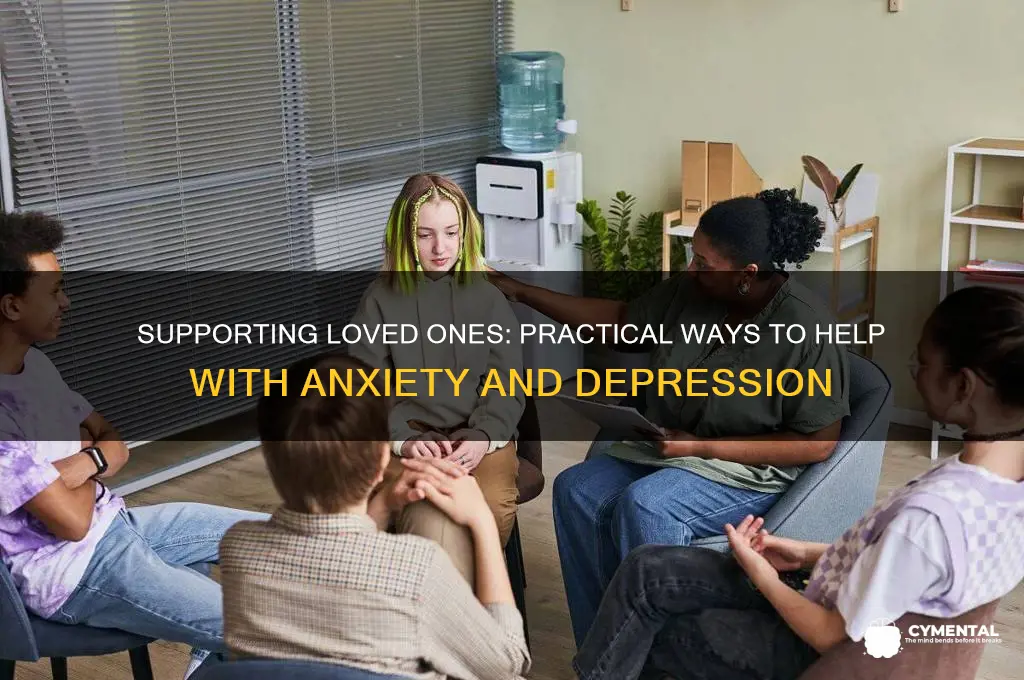
Helping someone with anxiety and depression requires empathy, patience, and understanding. It’s essential to create a safe, nonjudgmental space where they feel heard and supported, while avoiding dismissive phrases like “just stay positive” or “it’s all in your head.” Encourage open communication by actively listening and validating their feelings, even if you don’t fully understand their experience. Offer practical assistance, such as helping with daily tasks or accompanying them to therapy appointments, and gently encourage healthy habits like regular exercise, balanced nutrition, and adequate sleep. Educate yourself about their conditions to better understand their struggles, and remind them that seeking professional help, such as therapy or medication, is a sign of strength. Above all, let them know they are not alone and that their feelings matter, while also taking care of your own well-being to avoid burnout.
Explore related products



$12.23 $14.39


What You'll Learn
- Active Listening: Show empathy, listen without judgment, and validate their feelings to build trust and connection
- Encourage Professional Help: Gently suggest therapy, medication, or support groups as effective treatment options
- Promote Self-Care: Support healthy habits like exercise, sleep, and nutrition to improve mental well-being
- Be Patient and Consistent: Understand recovery takes time; avoid pressure and remain a reliable presence
- Educate Yourself: Learn about anxiety and depression to better understand their experiences and offer informed support

Active Listening: Show empathy, listen without judgment, and validate their feelings to build trust and connection
One of the most powerful tools in supporting someone with anxiety and depression is the art of active listening. It’s not just about hearing words; it’s about tuning into the emotions behind them. When someone is struggling, they often feel unseen or misunderstood. By showing genuine empathy, you create a safe space where they can express themselves without fear of judgment. For instance, instead of offering quick fixes like “Just think positive,” try saying, “It sounds like this has been really overwhelming for you. I’m here to listen.” This simple shift acknowledges their experience and fosters trust.
Active listening involves more than nodding along—it requires intentional effort. Start by maintaining eye contact (when culturally appropriate) and using nonverbal cues like nodding or leaning in to show engagement. Reflect back what you hear to ensure clarity and demonstrate understanding. For example, if they say, “I feel like I’m drowning,” respond with, “It seems like you’re feeling completely overwhelmed right now.” Avoid interrupting or jumping to solutions; let them lead the conversation. This approach validates their feelings and communicates that their emotions are valid and worthy of attention.
Validation is a cornerstone of active listening, especially for individuals battling anxiety and depression. Often, their feelings are dismissed or minimized, leaving them isolated. Phrases like “That makes sense,” or “Anyone would feel that way in your situation,” can be incredibly reassuring. Be cautious, however, not to overdo it—authenticity is key. If you’re unsure how to respond, it’s okay to say, “I can’t fully understand what you’re going through, but I’m here to support you.” Honesty paired with empathy builds a stronger connection than empty reassurance.
A practical tip for mastering active listening is to practice mindfulness during conversations. Focus entirely on the person speaking, setting aside distractions like phones or mental to-do lists. If your mind wanders, gently bring it back to the present. This level of attentiveness communicates respect and care, which can be deeply comforting to someone feeling vulnerable. Remember, the goal isn’t to “fix” their problems but to provide a safe, nonjudgmental space where they feel heard and understood. Over time, this consistent support can help rebuild their sense of self-worth and hope.
Exercise and Mental Health: Unlocking the Mind-Body Connection for Wellness
You may want to see also
Explore related products

$16.97 $19.99



Encourage Professional Help: Gently suggest therapy, medication, or support groups as effective treatment options
Professional help can be a lifeline for those grappling with anxiety and depression, yet many hesitate to seek it. Fear of stigma, uncertainty about effectiveness, or simply not knowing where to start often stand in the way. As a supportive ally, your role isn’t to diagnose or push, but to gently illuminate the path toward proven treatment options like therapy, medication, or support groups. Start by normalizing the conversation—mention how common these struggles are and how many find relief through professional intervention. For instance, cognitive-behavioral therapy (CBT) has a success rate of 50–75% for anxiety and depression, according to the American Psychological Association. Sharing such facts can make these options feel less daunting and more accessible.
When suggesting therapy, avoid vague statements like “You should see someone.” Instead, offer specific examples tailored to their situation. For a friend overwhelmed by panic attacks, mention how CBT teaches grounding techniques to manage symptoms. For someone struggling with persistent sadness, bring up interpersonal therapy, which focuses on improving relationships and communication. If medication comes up, provide context without prescribing—explain how antidepressants like SSRIs (e.g., fluoxetine or sertraline) work by balancing brain chemicals, often taking 4–6 weeks to show full effects. Emphasize that medication is often most effective when paired with therapy, not a standalone solution.
Support groups are another underutilized resource worth highlighting. Unlike therapy, they offer a sense of community and shared experience, which can combat the isolating nature of mental health struggles. Suggest local or online groups like those hosted by the Anxiety and Depression Association of America (ADAA) or peer-led organizations like Depression and Bipolar Support Alliance (DBSA). Share testimonials or statistics, such as how 70% of support group participants report reduced symptoms of depression after consistent attendance. This can make the idea feel less intimidating and more relatable.
Encouraging professional help requires sensitivity to timing and tone. Avoid framing it as a quick fix or moral obligation. Instead, frame it as a courageous step toward self-care. For example, say, “I’ve heard great things about therapy for managing anxiety—would you be open to exploring that?” or “Many people find support groups helpful because they’re talking to others who truly get it.” Offer to help with logistics, like finding a therapist or attending the first session together, to reduce barriers. Remember, your goal is to empower, not pressure—small, empathetic nudges can plant seeds that grow into meaningful action.
Finally, be prepared for resistance or ambivalence. It’s common for individuals to feel unworthy of help or skeptical of its benefits. Acknowledge their feelings without dismissing them, and validate their struggles. For instance, respond to “I don’t think therapy will work for me” with, “It’s totally okay to feel that way—many people are unsure at first. But what if we start with just one session to see how it feels?” By meeting them where they are, you create space for gradual acceptance. Over time, your consistent, nonjudgmental encouragement can become a turning point in their journey toward healing.
Supporting Your Adult Son’s Mental Health: Practical Steps for Parents
You may want to see also
Explore related products


Promote Self-Care: Support healthy habits like exercise, sleep, and nutrition to improve mental well-being
Physical activity is a powerful tool in the battle against anxiety and depression, yet it’s often overlooked. Research shows that regular exercise can reduce symptoms of both conditions by releasing endorphins, which act as natural mood lifters. Aim for at least 30 minutes of moderate-intensity exercise, such as brisk walking or cycling, most days of the week. For those who find structured workouts daunting, encourage activities they enjoy—dancing, gardening, or even a leisurely hike. Consistency is key; even small, daily movements can accumulate significant mental health benefits.
Sleep deprivation exacerbates anxiety and depression, creating a vicious cycle that’s hard to break. Adults should strive for 7–9 hours of quality sleep per night, but achieving this often requires intentional habits. Establish a bedtime routine that includes winding down without screens at least an hour before sleep. Keep the bedroom cool, dark, and quiet, and limit caffeine intake after noon. If racing thoughts interfere, techniques like mindfulness meditation or journaling can calm the mind. For persistent sleep issues, consult a healthcare provider to rule out underlying conditions like sleep apnea.
Nutrition plays a critical role in mental health, yet it’s frequently underestimated. A diet rich in whole foods—fruits, vegetables, lean proteins, and whole grains—provides essential nutrients that support brain function. Omega-3 fatty acids, found in fish like salmon and flaxseeds, are particularly beneficial for mood regulation. Conversely, excessive sugar and processed foods can lead to inflammation and energy crashes, worsening symptoms. Encourage meal planning and cooking together as a way to foster both physical and emotional well-being. Even small dietary changes, like swapping sugary snacks for nuts or berries, can make a noticeable difference.
Supporting someone in adopting these habits requires patience and empathy. Avoid pushing too hard, as this can lead to resistance. Instead, lead by example—invite them to join you for a walk, cook a healthy meal together, or share your own sleep-improvement strategies. Celebrate small victories, like a consistent bedtime routine or trying a new vegetable. Remember, self-care isn’t a one-size-fits-all solution; tailor your approach to their preferences and challenges. By fostering these habits, you’re not just addressing symptoms—you’re helping build a foundation for long-term mental resilience.
Seeking Support: Exploring Resources to Help Navigate Life's Challenges
You may want to see also
Explore related products


Be Patient and Consistent: Understand recovery takes time; avoid pressure and remain a reliable presence
Recovery from anxiety and depression is a marathon, not a sprint. It’s a process marked by setbacks, plateaus, and small victories, often invisible to the untrained eye. For those supporting someone in this journey, the temptation to rush progress or impose timelines can be strong, fueled by a desire to alleviate suffering. Yet, such pressure can backfire, deepening feelings of inadequacy or failure in the individual. Patience isn’t just a virtue here—it’s a necessity. Recognize that healing unfolds at its own pace, shaped by biological, psychological, and environmental factors beyond anyone’s control.
Consistency in your support acts as a stabilizing force in a world that feels unpredictable to someone battling mental health challenges. Show up regularly, whether through daily check-ins, weekly coffee dates, or simply being available via text. Avoid the trap of overpromising and underdelivering; reliability builds trust, while inconsistency erodes it. For instance, if you commit to a weekly phone call, honor that commitment even when life gets busy. Small, predictable actions—like sending a thoughtful message or remembering their therapy schedule—signal that your support isn’t contingent on their progress.
Pressure, even when well-intentioned, can exacerbate anxiety and depression. Phrases like “You just need to think positively” or “Have you tried [insert suggestion]?” can feel dismissive, implying the individual hasn’t tried hard enough. Instead, adopt a stance of curiosity and empathy. Ask open-ended questions like, “How are you feeling today?” or “What’s been on your mind lately?” This approach validates their experience without imposing expectations. Remember, your role isn’t to fix their struggles but to provide a safe, nonjudgmental space for them to navigate their journey.
Practical consistency extends to helping them maintain routines, which are often disrupted by mental health challenges. For example, if they’re struggling to leave the house, offer to accompany them on a short walk or to a therapy session. If medication or self-care practices are part of their treatment, gently remind them without scolding. Use tools like shared calendars or reminder apps to assist without being overbearing. The goal is to empower, not enable—to foster independence while ensuring they don’t feel abandoned.
Ultimately, patience and consistency are acts of resilience, both for the individual and their support system. It’s about embracing the messiness of recovery, celebrating progress without demanding perfection, and being present even when the path forward seems unclear. By avoiding pressure and remaining a steady presence, you create an environment where healing can flourish—not because you’ve forced it, but because you’ve allowed it the time and space it needs.
Supporting Loved Ones: Strategies to Assist Those Denying Mental Health Struggles
You may want to see also
Explore related products




Educate Yourself: Learn about anxiety and depression to better understand their experiences and offer informed support
Understanding anxiety and depression begins with recognizing that these conditions are not merely fleeting moods but complex mental health disorders with distinct symptoms and triggers. Anxiety often manifests as excessive worry, restlessness, or physical symptoms like rapid heartbeat, while depression can include persistent sadness, loss of interest in activities, and fatigue. By familiarizing yourself with these signs, you can better identify when someone is struggling and respond with empathy rather than judgment. For instance, knowing that a person with depression might isolate themselves helps you approach them with patience and reassurance, rather than assuming they’re being distant.
One practical way to educate yourself is to explore reputable resources such as the National Institute of Mental Health (NIMH), the Anxiety and Depression Association of America (ADAA), or books like *Feeling Good* by David D. Burns. These sources provide insights into the biological, psychological, and environmental factors contributing to these conditions. For example, learning that anxiety can stem from imbalances in brain chemistry or traumatic experiences equips you to avoid oversimplified advice like “just stay positive.” Instead, you can acknowledge the complexity of their struggle and offer support that respects their reality.
A cautionary note: while educating yourself is essential, avoid the trap of becoming an armchair expert. Mental health is deeply personal, and what you read may not fully reflect an individual’s experience. For instance, not everyone with depression feels sadness; some experience numbness or irritability. Use your knowledge as a foundation for understanding, but always prioritize listening to the person’s unique perspective. Phrases like “I’ve learned that this might be part of what you’re going through—can you tell me more?” show respect for their autonomy while demonstrating your effort to understand.
Finally, education should translate into actionable support. For example, if you learn that anxiety often involves catastrophic thinking, you can help by gently challenging their fears with reality-based questions like, “What’s the worst that could happen, and how likely is it?” Similarly, understanding that depression can sap energy might inspire you to offer specific, low-effort activities like a short walk or watching a favorite show together. By combining knowledge with practical, tailored actions, you become a more effective ally in their journey toward healing.
Supporting Loved Ones: Practical Ways to Help Family with Mental Illness
You may want to see also
Frequently asked questions
Listen without judgment, offer emotional support, and encourage them to seek professional help. Be patient, as recovery takes time, and avoid minimizing their feelings.
Help them establish a routine, encourage physical activity, and promote healthy eating habits. Offer to accompany them to appointments or engage in relaxing activities together, like walking or meditation.
Use empathetic and non-confrontational language, validate their feelings, and avoid offering unsolicited advice. Ask open-ended questions to show you care and want to understand their perspective.
Gently express your concern and provide resources, such as therapist recommendations or helpline numbers. Offer to accompany them to their first appointment, and emphasize that seeking help is a sign of strength.