Ava Ramirez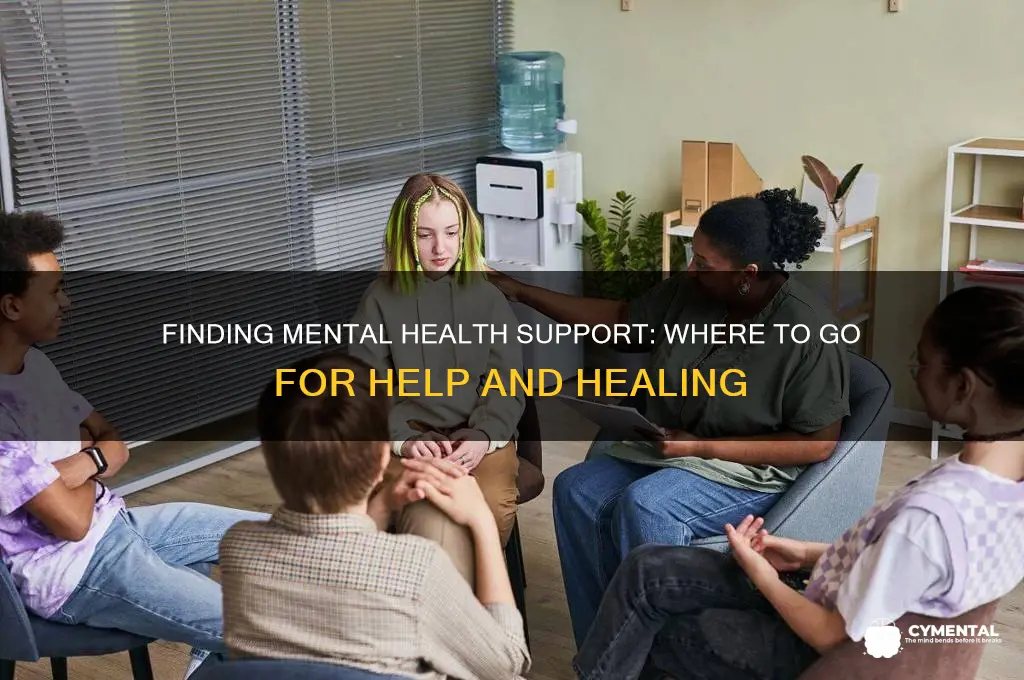
Seeking mental health support is a crucial step toward well-being, and there are numerous resources available depending on your needs and location. Locally, you can start by contacting your primary care physician, who may refer you to a therapist, psychologist, or psychiatrist. Community mental health centers often provide affordable or sliding-scale services, while universities and hospitals may offer counseling or psychiatric care. Online platforms like BetterHelp or Talkspace connect individuals with licensed therapists remotely. Support groups, such as those offered by organizations like NAMI (National Alliance on Mental Illness), can provide peer-based assistance. Additionally, crisis hotlines like the National Suicide Prevention Lifeline (988 in the U.S.) are available 24/7 for immediate help. Insurance coverage, employee assistance programs, and local nonprofits are also valuable avenues to explore for accessible mental health care.
Explore related products

$16.98 $30

$14.99 $29.99


What You'll Learn
- Local Mental Health Clinics: Find community clinics offering therapy, counseling, and psychiatric services at affordable rates
- Online Therapy Platforms: Access licensed therapists and counselors remotely via video, chat, or phone sessions
- Support Groups: Join peer-led or professional groups for shared experiences and emotional support
- Crisis Hotlines: Call 24/7 hotlines for immediate help with mental health emergencies or distress
- University Counseling Centers: Students can access free or low-cost mental health services on campus

Local Mental Health Clinics: Find community clinics offering therapy, counseling, and psychiatric services at affordable rates
Local mental health clinics are often the unsung heroes of community support, providing accessible and affordable care to those who might otherwise slip through the cracks. These clinics typically offer a range of services, including individual therapy, group counseling, and psychiatric evaluations, often on a sliding scale fee structure. This means the cost of treatment is adjusted based on your income, making professional help available to individuals and families across socioeconomic lines. For instance, a single therapy session at a community clinic might range from $20 to $80, compared to $100 to $200 at a private practice, depending on your financial situation.
Finding these clinics requires a bit of legwork, but the effort is well worth it. Start by searching online directories like the Substance Abuse and Mental Health Services Administration (SAMHSA) Treatment Locator or contacting your local health department. Many clinics are affiliated with universities, hospitals, or nonprofit organizations, so checking their websites or calling their outreach departments can yield valuable information. Additionally, community health fairs and local libraries often have resource lists that include mental health services. Once you’ve identified a clinic, call ahead to inquire about their services, wait times, and eligibility criteria. Some clinics prioritize residents of specific neighborhoods or those with certain diagnoses, so understanding their focus can streamline your search.
One of the strengths of local mental health clinics is their ability to address a wide range of needs within a single setting. For example, a clinic might offer specialized programs for adolescents struggling with anxiety, adults dealing with depression, or families navigating trauma. Many also provide medication management services, where psychiatrists or nurse practitioners can prescribe and monitor medications like SSRIs (e.g., fluoxetine, sertraline) or mood stabilizers (e.g., lithium, lamotrigine). This integrated approach ensures that clients receive comprehensive care without the hassle of coordinating multiple providers.
Despite their benefits, local clinics often face challenges such as limited funding and high demand, which can result in longer wait times or fewer appointment slots. To maximize your experience, be proactive in your care. Arrive early for appointments, communicate openly with your therapist or counselor, and take advantage of any additional resources offered, such as workshops or support groups. Remember, these clinics are designed to be community-driven, so your engagement not only aids your own recovery but also strengthens the support network for others.
In conclusion, local mental health clinics are a vital resource for affordable, comprehensive care. By offering therapy, counseling, and psychiatric services on a sliding scale, they break down financial barriers and provide a lifeline to those in need. While finding the right clinic may require some research and persistence, the benefits of accessible, community-based care make the effort worthwhile. Whether you’re seeking help for yourself or a loved one, these clinics stand ready to support your journey toward mental wellness.
Empowering Self-Care: Practical Strategies to Help Yourself Thrive Daily
You may want to see also
Explore related products




Online Therapy Platforms: Access licensed therapists and counselors remotely via video, chat, or phone sessions
Online therapy platforms have revolutionized mental health care by breaking down geographical and logistical barriers. With just a smartphone or computer, individuals can connect with licensed therapists and counselors from virtually anywhere, eliminating the need for travel or long wait times. Platforms like BetterHelp, Talkspace, and Calmerry offer flexible scheduling, allowing sessions to fit into even the busiest lifestyles. This accessibility is particularly beneficial for those in remote areas, with limited mobility, or who prefer the comfort of their own space.
Consider the process: After signing up, users typically complete a brief assessment to match them with a therapist whose expertise aligns with their needs. Sessions can be conducted via video calls, which mimic face-to-face interactions, or through text-based chat for those who prefer written communication. Phone sessions are also available for a more traditional approach. Each method has its advantages—video allows for non-verbal cues, chat provides time to reflect before responding, and phone calls offer convenience without the need for a stable internet connection.
One of the standout benefits of online therapy is its affordability compared to traditional in-person sessions. Many platforms operate on subscription models, with monthly fees often ranging from $60 to $100 per week, depending on the frequency of sessions. Some even accept insurance, further reducing out-of-pocket costs. For those on a tight budget, sliding-scale fees or financial aid options may be available, making mental health care more inclusive.
However, online therapy isn’t without limitations. It may not be suitable for severe mental health conditions requiring immediate intervention, such as acute suicidal ideation or psychosis. In such cases, emergency services or in-person care are critical. Additionally, the lack of physical presence can sometimes hinder the therapeutic relationship for those who thrive on tangible, in-person connections. It’s essential to assess your needs and preferences before committing to an online platform.
To maximize the benefits of online therapy, establish a dedicated, quiet space for sessions to minimize distractions. Test your technology beforehand to ensure a smooth experience. Be open and honest with your therapist, as the effectiveness of therapy largely depends on the quality of communication. Finally, track your progress over time—many platforms offer journaling tools or progress trackers to help you reflect on your journey. With the right approach, online therapy can be a powerful tool for improving mental well-being.
Exercise and Mental Health: Unlocking the Mind-Body Connection for Wellness
You may want to see also
Explore related products

$10.21 $18.95


Support Groups: Join peer-led or professional groups for shared experiences and emotional support
Support groups offer a unique blend of camaraderie and understanding that can be a lifeline for those navigating mental health challenges. Unlike individual therapy, these groups provide a collective space where experiences are shared, and the weight of emotional struggles is distributed among peers. Whether led by trained professionals or fellow individuals with lived experience, these gatherings foster a sense of belonging and normalize feelings that often seem isolating. For instance, groups like the National Alliance on Mental Illness (NAMI) Family Support Group cater to relatives of those with mental illness, offering structured sessions to share coping strategies and emotional support.
Joining a support group requires minimal commitment but yields significant benefits. Most groups meet weekly or bi-weekly, with sessions lasting 60–90 minutes. Peer-led groups, such as those facilitated by organizations like Depression and Bipolar Support Alliance (DBSA), are often free and accessible both in-person and virtually. Professional-led groups, on the other hand, may involve a fee but provide additional therapeutic techniques, such as cognitive-behavioral exercises or mindfulness practices. To find a suitable group, start by identifying your specific needs—whether it’s anxiety, grief, addiction, or caregiver stress—and use platforms like Psychology Today or local community boards to locate options.
One of the most compelling aspects of support groups is their ability to combat stigma through shared vulnerability. In these spaces, participants often report feeling less judged and more understood than in their daily lives. For example, a study published in the *Journal of Clinical Psychology* found that individuals in peer-led support groups experienced a 40% reduction in symptoms of depression over six months, attributed to the sense of community and practical advice exchanged. However, it’s crucial to approach these groups with realistic expectations; they are not a substitute for individualized treatment but rather a complementary resource.
When selecting a support group, consider the dynamics and structure. Peer-led groups thrive on mutual empathy and shared experiences, making them ideal for those seeking a non-hierarchical environment. Professional-led groups, however, offer more structured guidance and may be better suited for individuals needing targeted strategies. For instance, a professionally facilitated anxiety support group might incorporate breathing exercises or progressive muscle relaxation techniques during sessions. Regardless of format, consistency is key—attending regularly allows for deeper connections and sustained emotional growth.
Practical tips can enhance your support group experience. Arrive prepared to listen as much as you share, and respect confidentiality to build trust. If you’re hesitant to speak, start by nodding in agreement or offering brief affirmations. For virtual groups, ensure a quiet, private space to minimize distractions. Finally, don’t be discouraged if the first group you try doesn’t feel right; finding the right fit may take time. Support groups are not one-size-fits-all, but when aligned with your needs, they can be a powerful tool for healing and resilience.
Supporting Teens: Practical Strategies for Navigating Mental Health Challenges
You may want to see also
Explore related products

$7.84 $14.99


Crisis Hotlines: Call 24/7 hotlines for immediate help with mental health emergencies or distress
In moments of acute mental distress, crisis hotlines serve as a lifeline, offering immediate support when every second counts. These 24/7 services are staffed by trained professionals who can provide emotional grounding, safety planning, and guidance on next steps. Unlike therapy or medication, which require time to arrange or take effect, crisis hotlines deliver instant access to help, making them a critical resource for emergencies such as suicidal thoughts, panic attacks, or overwhelming anxiety.
Consider this scenario: It’s 3 a.m., and you’re overwhelmed by feelings of hopelessness. Instead of waiting until morning to reach out, you can call a crisis hotline like the National Suicide Prevention Lifeline (988 in the U.S.). The person on the other end will listen without judgment, assess your risk, and help de-escalate the situation. For non-English speakers, many hotlines offer services in multiple languages, ensuring accessibility across diverse populations. Additionally, some hotlines, like the Crisis Text Line (text HOME to 741741), provide text-based support for those who prefer not to speak aloud.
While crisis hotlines are invaluable in emergencies, they are not a substitute for long-term mental health care. Think of them as the equivalent of an ER visit—essential for immediate stabilization but not a replacement for ongoing treatment. After using a hotline, follow-up steps might include scheduling an appointment with a therapist, contacting a psychiatrist for medication evaluation, or joining a support group. Hotline operators can often assist in connecting you to these resources, ensuring continuity of care.
Practical tip: Save crisis hotline numbers in your phone or write them down in a visible place, such as on your fridge or near your bed. In moments of distress, searching for a number can feel impossible. For parents or caregivers, discuss these resources with teens and young adults, who may be more likely to experience mental health crises but less likely to know where to turn. Knowing help is just a call or text away can provide a sense of security during uncertain times.
Finally, debunking a common myth: Crisis hotlines are not just for suicidal individuals. They are for anyone experiencing emotional distress, whether it’s due to relationship issues, financial stress, trauma, or feelings of isolation. For example, veterans in crisis can call the Veterans Crisis Line (press 1 after dialing 988), while LGBTQ+ individuals can access specialized support through The Trevor Project (1-866-488-7386). These tailored services ensure that everyone, regardless of background, can find relevant and compassionate help. By leveraging crisis hotlines, you take a proactive step toward safeguarding your mental well-being in times of need.
Supporting Your Child’s Mental Health: Practical Steps for Parents
You may want to see also
Explore related products


$6.79 $14.99


University Counseling Centers: Students can access free or low-cost mental health services on campus
University counseling centers are a vital yet often underutilized resource for students grappling with mental health challenges. These on-campus facilities offer a range of services, from individual therapy sessions to group workshops, all tailored to the unique stressors of academic life. Unlike off-campus providers, university counselors are intimately familiar with issues like exam anxiety, homesickness, and the pressure to perform, making their support particularly relevant and effective. Most importantly, these services are typically free or available at a minimal cost, removing financial barriers that might otherwise deter students from seeking help.
For students unsure of where to begin, accessing these services is often as simple as scheduling an appointment through the university’s health portal or walking into the counseling center during open hours. Initial consultations usually involve a brief assessment to determine the student’s needs, followed by recommendations for ongoing support. This could include short-term counseling (typically 6–10 sessions per semester), referrals to specialized therapists, or participation in psychoeducational workshops on topics like stress management or mindfulness. Some centers also offer crisis intervention services for urgent situations, ensuring students have immediate access to care when needed.
One of the standout advantages of university counseling centers is their holistic approach to mental health. Many integrate services with academic advising, disability support, and health clinics, creating a seamless network of care. For instance, a student struggling with depression might receive counseling while also working with an academic advisor to adjust their course load or apply for accommodations. This interdisciplinary collaboration not only addresses mental health symptoms but also tackles the underlying stressors contributing to them, fostering long-term resilience.
Despite their benefits, university counseling centers are not without limitations. High demand during peak times (like midterms or finals) can lead to longer wait times, and services are often restricted to enrolled students, excluding recent graduates or those on leave. Additionally, while counselors are trained to handle a wide range of issues, severe or chronic conditions may require off-campus specialists. Students should view these centers as a starting point rather than a one-size-fits-all solution, leveraging their resources while remaining open to external options if necessary.
To maximize the benefits of university counseling services, students should take proactive steps. First, familiarize yourself with the center’s offerings early in the semester, not just when a crisis arises. Second, be honest and specific during assessments—counselors can only provide effective support if they fully understand your needs. Finally, don’t hesitate to advocate for yourself if you feel the services aren’t meeting your needs; most centers are receptive to feedback and willing to adjust their approach. By treating these resources as a cornerstone of self-care, students can navigate the challenges of university life with greater confidence and clarity.
Art's Healing Power: Boosting Mental Health Through Creativity
You may want to see also
Frequently asked questions
You can seek help from community mental health centers, free clinics, or nonprofit organizations that offer sliding-scale fees or free services. Additionally, online platforms like 7 Cups or Crisis Text Line provide immediate support at no cost.
In an emergency, call 911 or go to the nearest emergency room. You can also contact the National Suicide Prevention Lifeline at 988 for immediate assistance.
Many telehealth platforms, such as BetterHelp, Talkspace, or Amwell, offer online therapy and counseling. Some therapists also provide virtual sessions through video calls or phone calls.
Most schools and universities offer counseling services through their student health centers. Check with your institution’s mental health resources or reach out to campus counseling centers for support.