Harper Lewis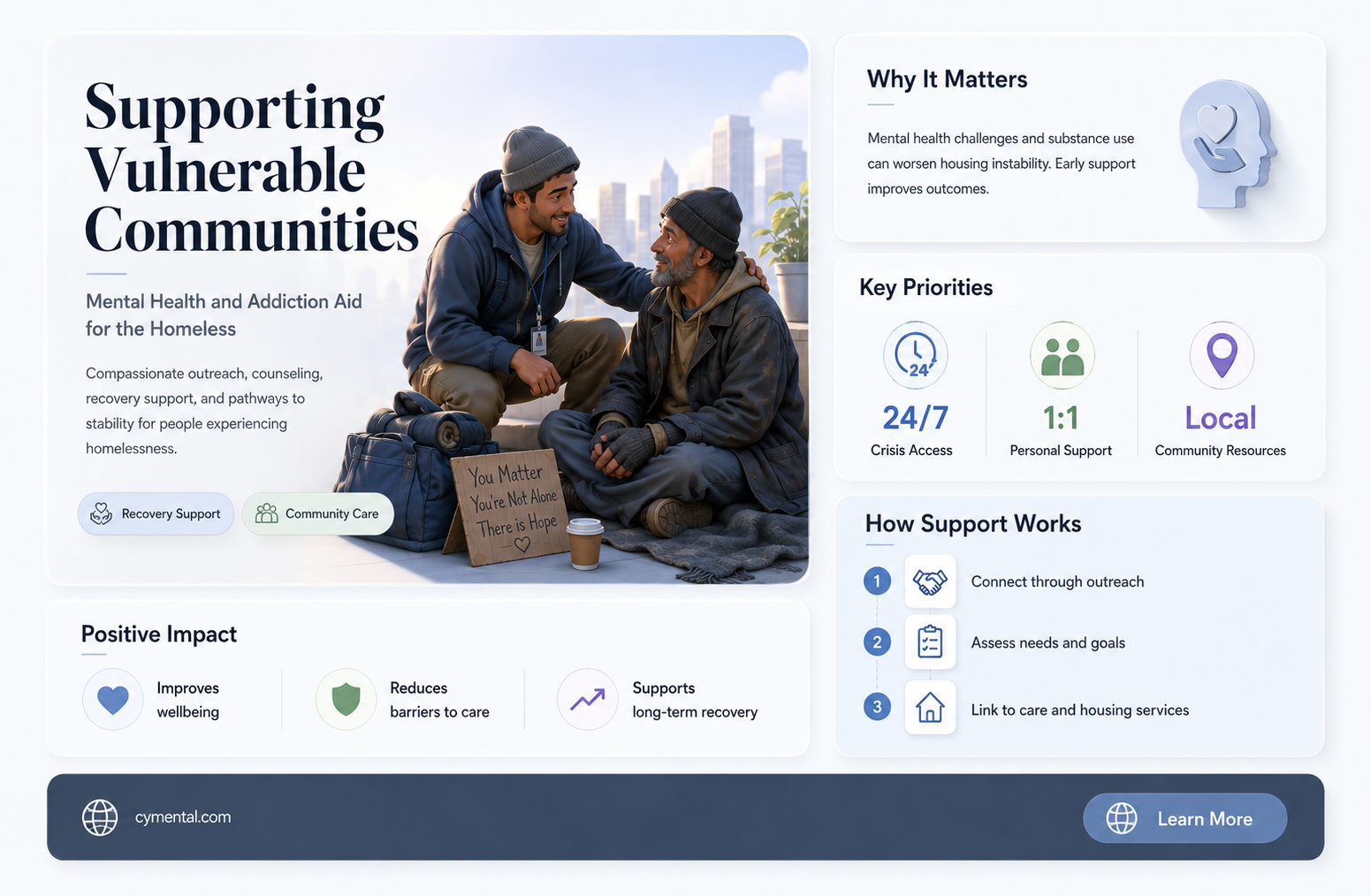
Addressing the complex needs of individuals who are both homeless and struggling with addiction and mental illness requires a compassionate, multifaceted approach that prioritizes empathy, resources, and systemic support. These individuals often face intersecting challenges, including trauma, lack of access to healthcare, and societal stigma, which exacerbate their situations. To effectively help, it is essential to provide immediate access to safe housing, mental health services, and substance abuse treatment programs tailored to their unique needs. Building trust through consistent, nonjudgmental outreach and offering integrated care that addresses both addiction and mental health simultaneously can create pathways to recovery. Additionally, advocating for policy changes that increase funding for affordable housing, healthcare, and social services is crucial to addressing the root causes of homelessness and ensuring long-term stability for this vulnerable population.
Explore related products


What You'll Learn
- Provide Access to Mental Health Services: Offer therapy, counseling, and psychiatric care tailored to their unique needs
- Create Safe Housing Solutions: Develop supportive housing programs with on-site mental health resources
- Build Trust and Rapport: Train outreach workers to engage empathetically and consistently with the homeless
- Integrate Addiction Treatment: Combine mental health care with evidence-based addiction recovery programs
- Promote Community Support Networks: Encourage peer support groups and community involvement for sustained recovery

Provide Access to Mental Health Services: Offer therapy, counseling, and psychiatric care tailored to their unique needs
Mental health services are often the linchpin in helping homeless individuals with addiction and mental illness regain stability. Without access to therapy, counseling, or psychiatric care, many remain trapped in cycles of self-destruction. Tailoring these services to their unique needs—such as trauma-informed care, flexible scheduling, and mobile clinics—can bridge the gap between their reality and recovery. For instance, a study by the Substance Abuse and Mental Health Services Administration (SAMHSA) found that integrated treatment programs, combining mental health and addiction services, reduced relapse rates by 40% among homeless populations.
Consider the logistical barriers: many homeless individuals lack transportation, identification, or the ability to commit to rigid appointment times. To address this, mobile clinics can bring services directly to shelters, encampments, or community centers. These clinics should offer walk-in availability and accept clients without requiring proof of insurance or residency. For example, the Los Angeles-based program "Street Medicine" pairs mental health professionals with outreach workers to provide on-the-spot counseling and medication management. This model removes the stigma of entering a traditional clinic and meets clients where they are—literally and figuratively.
Therapy and counseling must also adapt to the complexities of homelessness. Cognitive Behavioral Therapy (CBT) and Dialectical Behavior Therapy (DBT) are effective for addressing addiction and mental illness, but sessions should incorporate practical survival skills. For instance, a therapist might help a client develop coping strategies for managing anxiety in a shelter environment or teach emotional regulation techniques to de-escalate conflicts on the street. Group therapy sessions can foster a sense of community, reducing isolation—a common trigger for relapse. Programs like "Seeking Safety" focus on trauma recovery and are specifically designed for individuals facing substance abuse and homelessness.
Psychiatric care is equally critical, particularly for those with severe mental illnesses like schizophrenia or bipolar disorder. Medication management programs should offer low-barrier access to prescriptions, such as long-acting injectable antipsychotics, which eliminate the need for daily adherence. Peer support specialists—individuals with lived experience of homelessness and recovery—can play a vital role in encouraging medication compliance and building trust. For example, the "Housing First" model, which prioritizes stable housing before requiring sobriety or treatment, often integrates psychiatric care into case management, ensuring holistic support.
Finally, sustainability is key. Funding for these services must be consistent and long-term, as short-term interventions rarely yield lasting change. Partnerships between government agencies, nonprofits, and healthcare providers can pool resources and expertise. For instance, the PATH (Projects for Assistance in Transition from Homelessness) program, funded by the U.S. Department of Housing and Urban Development, connects homeless individuals to mental health services while also addressing housing needs. By weaving mental health care into a broader support network, we can offer not just treatment, but a pathway to dignity and self-sufficiency.
Are Mental Institutions Truly Helpful? Exploring Their Impact and Effectiveness
You may want to see also
Explore related products


Create Safe Housing Solutions: Develop supportive housing programs with on-site mental health resources
Stable housing is the cornerstone of recovery for individuals struggling with addiction and mental illness. Without a safe, consistent place to live, it's nearly impossible to address underlying health issues, access treatment, or rebuild a life. Traditional shelters, while crucial, often lack the specialized support needed for this vulnerable population. This is where supportive housing programs with integrated mental health services come in.
Imagine a residential community designed specifically for individuals facing these challenges. On-site counselors and case managers provide individualized therapy, medication management, and crisis intervention. Residents have access to group therapy sessions, life skills training, and vocational rehabilitation programs. This holistic approach addresses the complex needs of this population, fostering stability, healing, and long-term recovery.
Building Blocks of Success:
Developing such programs requires careful planning and collaboration. Securing funding through government grants, private donations, and partnerships with healthcare providers is essential. Identifying suitable properties, whether renovating existing buildings or constructing new ones, is another critical step. Staffing is key – a multidisciplinary team of mental health professionals, social workers, and peer support specialists is vital for comprehensive care.
Additionally, establishing clear eligibility criteria and a supportive admissions process ensures the program serves those who will benefit most. Ongoing evaluation and data collection are necessary to measure success, identify areas for improvement, and demonstrate the program's impact to stakeholders.
Beyond Four Walls:
Supportive housing is more than just a roof over someone's head. It's about creating a community that fosters hope and empowerment. Residents should have access to communal spaces for socializing and support groups, promoting a sense of belonging. Integrating harm reduction strategies, such as needle exchange programs and overdose prevention education, acknowledges the realities of addiction while prioritizing safety. By addressing both housing and mental health needs simultaneously, these programs offer a pathway out of homelessness and towards a brighter future.
A Ripple Effect:
The benefits of supportive housing extend far beyond the individuals it directly serves. By providing stable housing and treatment, these programs reduce reliance on emergency services, hospitals, and the criminal justice system, leading to significant cost savings for communities. More importantly, they offer a chance for individuals to reclaim their lives, rebuild relationships, and contribute positively to society. Investing in supportive housing with on-site mental health resources is not just a humanitarian imperative; it's a sound investment in a healthier, more equitable future for all.
Are Mental Health Hotlines Free? Costs and Accessibility Explained
You may want to see also
Explore related products




Build Trust and Rapport: Train outreach workers to engage empathetically and consistently with the homeless
Effective outreach to the homeless, especially those struggling with addiction and mental illness, begins with building trust and rapport. This is not a one-time interaction but a sustained effort requiring empathy, consistency, and specialized training. Outreach workers must be equipped with the skills to navigate complex situations, recognizing that each individual has a unique story and set of challenges. For instance, a study by the National Alliance to End Homelessness highlights that consistent, non-judgmental engagement increases the likelihood of individuals accepting services by 40%. This underscores the importance of training outreach workers to approach their role with both compassion and strategy.
Training should emphasize active listening and trauma-informed care. Outreach workers must learn to communicate in a way that validates the experiences of the homeless, avoiding language that stigmatizes addiction or mental illness. For example, instead of asking, "Why don’t you just stop using?" they should inquire, "What’s been the hardest part of your journey so far?" This shift in tone fosters a sense of safety and openness. Role-playing scenarios during training can help workers practice de-escalation techniques and empathetic responses, ensuring they are prepared for real-world interactions.
Consistency is equally critical. Homeless individuals often face repeated abandonment and broken promises, making it difficult for them to trust new faces. Outreach workers should commit to regular, predictable visits, even if initial attempts at engagement are unsuccessful. For instance, a program in Seattle found that weekly check-ins over three months increased trust levels by 60%, leading to higher rates of shelter utilization and mental health referrals. Workers should also document interactions to track progress and personalize their approach, showing individuals that they are remembered and valued.
Practical tips for building rapport include offering small, immediate forms of assistance, such as food, water, or hygiene kits, without attaching strings. These acts of kindness demonstrate genuine care and can serve as a gateway to deeper conversations. Additionally, training should cover cultural competency, as many homeless individuals come from marginalized communities. Understanding their backgrounds and speaking their language—literally and metaphorically—can bridge gaps and strengthen connections.
Ultimately, building trust and rapport is a long-term investment. It requires patience, humility, and a commitment to seeing individuals as more than their circumstances. By training outreach workers to engage empathetically and consistently, we not only address immediate needs but also lay the foundation for lasting change. This approach transforms outreach from a transactional encounter into a relationship-driven process, offering hope and support to those who need it most.
Seeking Support: What to Do When You Need Help
You may want to see also
Explore related products


Integrate Addiction Treatment: Combine mental health care with evidence-based addiction recovery programs
Homeless individuals with co-occurring addiction and mental illness face a complex web of challenges that require integrated solutions. Simply addressing one issue in isolation often leads to relapse or continued suffering. Integrating addiction treatment with mental health care offers a more holistic and effective approach.
Evidence-based addiction recovery programs like Cognitive Behavioral Therapy (CBT) and Medication-Assisted Treatment (MAT) have proven successful in treating substance use disorders. However, for homeless individuals with mental illness, these programs must be tailored to address the unique barriers they face, such as lack of stable housing, trauma histories, and limited access to resources.
Consider a 32-year-old woman experiencing homelessness, struggling with both schizophrenia and opioid addiction. Traditional addiction treatment, focused solely on abstinence, might fail to address her psychotic symptoms, leading to medication non-compliance and increased risk of relapse. An integrated approach would involve a psychiatrist managing her schizophrenia with antipsychotic medication (e.g., olanzapine 10-20 mg daily) while a counselor provides CBT sessions focused on coping mechanisms for both her mental health and addiction. Simultaneously, a case manager would work on securing stable housing and connecting her with community resources.
This integrated model, combining medication management, therapy, and social support, addresses the interconnected nature of addiction and mental illness in homeless populations.
Implementing integrated care requires collaboration between healthcare providers, social workers, and community organizations. Key steps include:
- Screening and Assessment: Conduct comprehensive assessments to identify co-occurring disorders and tailor treatment plans accordingly.
- Co-located Services: Provide mental health and addiction treatment services in the same location to reduce barriers to access.
- Trauma-Informed Care: Recognize the high prevalence of trauma among homeless individuals and incorporate trauma-informed practices into treatment.
- Housing First Approach: Prioritize securing stable housing as a foundation for successful treatment and recovery.
While integrated care presents challenges, such as coordinating services and addressing resource limitations, the potential benefits are significant. By addressing the complex needs of homeless individuals with co-occurring disorders, we can break the cycle of homelessness, improve health outcomes, and promote long-term recovery.
Yoga and Mental Health: Unlocking Inner Peace and Resilience
You may want to see also
Explore related products


Promote Community Support Networks: Encourage peer support groups and community involvement for sustained recovery
Peer support groups are lifelines for individuals grappling with addiction, mental illness, and homelessness. These groups provide a sense of belonging, shared understanding, and accountability that traditional treatment models often lack. Unlike clinical settings, peer support groups foster an environment where individuals can openly discuss their struggles without fear of judgment, drawing strength from collective experiences. For instance, organizations like Alcoholics Anonymous (AA) and Narcotics Anonymous (NA) have demonstrated the power of shared narratives in sustaining recovery. However, their effectiveness hinges on consistent participation, which is where community involvement becomes crucial.
Building community support networks requires intentional collaboration between local organizations, volunteers, and policymakers. Start by identifying existing resources—shelters, churches, or community centers—that can host peer support meetings. Train volunteers to facilitate these groups, ensuring they understand the principles of active listening and non-confrontational guidance. For example, a weekly drop-in session at a local library could offer a safe space for individuals to connect, share stories, and access information about available services. Pairing these meetings with practical resources, such as hygiene kits or bus passes, can increase attendance and engagement.
One often overlooked aspect of community involvement is the role of local businesses and residents. Encourage businesses to sponsor events or provide employment opportunities for individuals in recovery, fostering a sense of purpose and financial stability. Residents can contribute by volunteering time, donating goods, or simply being compassionate neighbors. A study by the Corporation for Supportive Housing found that communities with active resident involvement in homelessness initiatives saw a 30% increase in long-term housing retention rates. This highlights the tangible impact of collective effort.
However, sustaining these networks requires addressing potential challenges. Stigma remains a significant barrier, as does the lack of funding for long-term programs. To combat this, advocate for policy changes that allocate resources to community-based initiatives. Share success stories through local media to shift public perception and inspire action. For instance, a campaign in Portland, Oregon, highlighted how a community garden project not only provided fresh produce but also became a hub for peer support, reducing relapse rates by 25% among participants.
In conclusion, promoting community support networks is not just about creating spaces for connection—it’s about fostering a culture of empathy and shared responsibility. By leveraging peer support groups and engaging local stakeholders, communities can provide the sustained, holistic support necessary for recovery. Start small, stay consistent, and remember: every individual who finds stability through these networks becomes a testament to the power of collective action.
Hypnotherapy for Mental Health: Unlocking Healing Potential and Inner Peace
You may want to see also
Frequently asked questions
Offer resources like local mental health clinics, crisis hotlines, or outreach programs that specialize in dual diagnosis (addiction and mental illness). Encourage them to seek professional help and provide companionship to reduce isolation.
Help them navigate healthcare systems, provide transportation to appointments, and connect them with case managers or social workers who can coordinate care for their specific needs.
Approach them with empathy, consistency, and non-judgment. Offer small acts of kindness, like food or water, and listen actively to their concerns without pushing for immediate change.
Refer them to shelters with mental health services, peer support groups, housing assistance programs, and organizations that provide job training or life skills coaching.