Noah Parker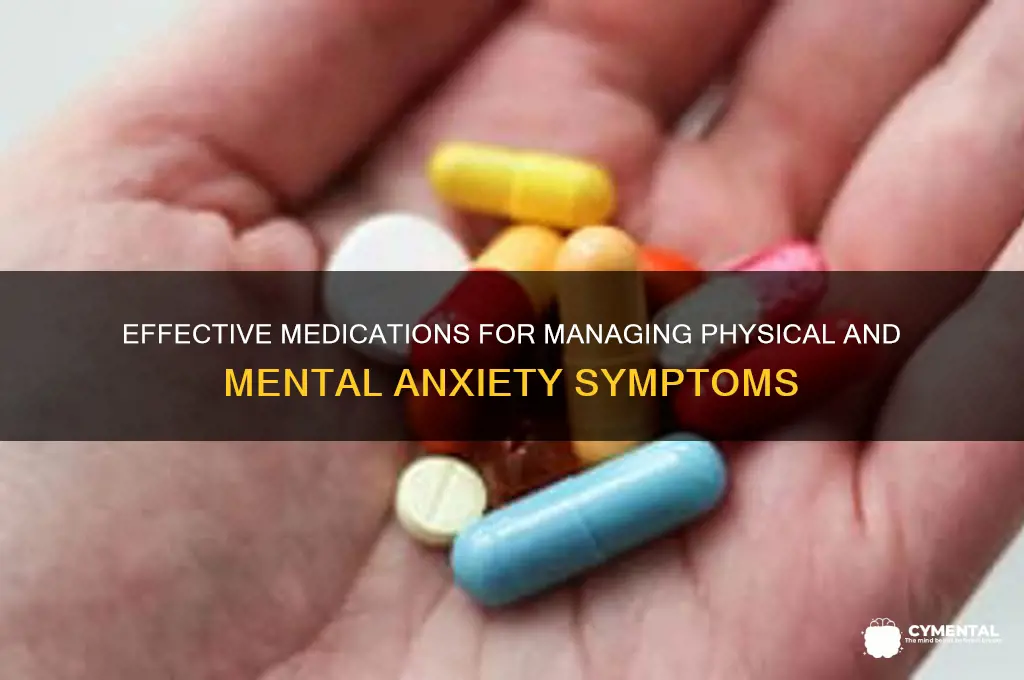
Anxiety, whether physical or mental, can significantly impact daily life, and finding effective treatments is crucial for managing symptoms and improving overall well-being. Several medications have been proven to help alleviate both physical and mental anxiety, often working by balancing brain chemicals or reducing the body’s stress response. Commonly prescribed options include selective serotonin reuptake inhibitors (SSRIs) and serotonin-norepinephrine reuptake inhibitors (SNRIs), which are primarily used for mental anxiety but can also address physical symptoms like muscle tension and restlessness. Benzodiazepines, such as Xanax or Valium, offer quick relief for acute anxiety but are typically recommended for short-term use due to their potential for dependence. Beta-blockers, like propranolol, are particularly effective for physical symptoms like rapid heartbeat and trembling, often associated with performance anxiety. Additionally, buspirone, an anti-anxiety medication, is known for its milder side effects and is suitable for long-term use. Consulting a healthcare professional is essential to determine the most appropriate medication based on individual needs and medical history.
Explore related products

$8.49 $11.99


What You'll Learn
- Benzodiazepines: Fast-acting relief for acute anxiety symptoms, but risk of dependence limits long-term use
- SSRIs/SNRIs: Antidepressants that balance brain chemicals, effective for chronic anxiety and depression
- Beta-Blockers: Block stress hormones, reducing physical symptoms like rapid heartbeat and tremors
- Buspirone: Non-addictive option for generalized anxiety, works by modulating serotonin receptors
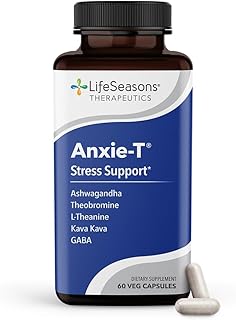
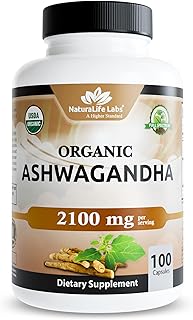
- Natural Remedies: Herbal supplements like lavender, valerian root, and magnesium may ease mild anxiety

Benzodiazepines: Fast-acting relief for acute anxiety symptoms, but risk of dependence limits long-term use
Benzodiazepines, often referred to as "benzos," are a class of medications known for their rapid onset of action, making them a go-to option for acute anxiety relief. Within 30 minutes to an hour of ingestion, drugs like alprazolam (Xanax), lorazepam (Ativan), and diazepam (Valium) can significantly reduce symptoms such as panic attacks, muscle tension, and overwhelming fear. This quick efficacy is particularly valuable in crisis situations, where immediate calming is essential. However, their potency comes with a critical caveat: the risk of physical and psychological dependence, which escalates with prolonged use.
The mechanism behind benzodiazepines’ effectiveness lies in their ability to enhance the activity of gamma-aminobutyric acid (GABA), a neurotransmitter that inhibits excessive neuronal activity in the brain. This results in sedation, muscle relaxation, and anxiolytic effects. For instance, a typical dose of alprazolam ranges from 0.25 mg to 2 mg taken two to three times daily, depending on the severity of symptoms. While this can provide swift relief, tolerance often develops within weeks, requiring higher doses to achieve the same effect—a red flag for potential dependence.
Prescribers typically limit benzodiazepine use to short-term management, often no longer than 2–4 weeks, to minimize risks. For older adults, dosages are frequently reduced due to increased sensitivity and higher risk of side effects like dizziness and cognitive impairment. Patients with a history of substance abuse or those taking other central nervous system depressants, such as opioids or alcohol, are generally advised to avoid benzodiazepines altogether due to the heightened risk of respiratory depression and overdose.
Despite their drawbacks, benzodiazepines remain indispensable in specific scenarios. For example, they are often used in emergency settings to halt panic attacks or during pre-surgical procedures to alleviate anxiety. To mitigate dependence risks, clinicians often pair benzodiazepine prescriptions with a tapering plan, gradually reducing the dose over time. Patients are also encouraged to explore adjunctive therapies, such as cognitive-behavioral therapy (CBT) or mindfulness practices, to address anxiety’s root causes without relying solely on medication.
In summary, benzodiazepines offer unparalleled short-term relief for acute anxiety but are not a sustainable long-term solution. Their use requires careful consideration of risks versus benefits, strict adherence to prescribed dosages, and a clear exit strategy. For those in immediate distress, they can be a lifeline; for others, they serve as a temporary bridge to safer, more sustainable treatments. Always consult a healthcare provider to determine if benzodiazepines are the right choice for your specific situation.
The Power of Positive Words: Boosting Mental and Physical Well-Being
You may want to see also
Explore related products


SSRIs/SNRIs: Antidepressants that balance brain chemicals, effective for chronic anxiety and depression
SSRIs (Selective Serotonin Reuptake Inhibitors) and SNRIs (Serotonin-Norepinephrine Reuptake Inhibitors) are cornerstone medications for managing chronic anxiety and depression, working by balancing neurotransmitters in the brain. Unlike benzodiazepines, which offer quick relief but carry risks of dependence, SSRIs and SNRIs are designed for long-term use, addressing the root chemical imbalances rather than just symptoms. Common SSRIs include fluoxetine (Prozac), sertraline (Zoloft), and escitalopram (Lexapro), while SNRIs like venlafaxine (Effexor) and duloxetine (Cymbalta) are often prescribed when SSRIs alone aren’t sufficient. These medications typically take 4–6 weeks to show full effects, so patience is key.
When starting an SSRI or SNRI, dosage adjustments are common to find the right balance. For instance, sertraline often begins at 25–50 mg daily, gradually increasing to 100–200 mg based on response and tolerance. SNRIs like venlafaxine may start at 37.5 mg daily, titrating up to 75–225 mg. It’s crucial to follow a healthcare provider’s guidance, as abrupt changes can lead to withdrawal symptoms or reduced efficacy. Side effects such as nausea, insomnia, or headaches are common initially but often subside within a few weeks. For those under 25, close monitoring is essential, as these medications may increase suicidal thoughts in younger populations.
Comparatively, SSRIs are generally better tolerated than SNRIs, making them a first-line choice for most patients. However, SNRIs may be more effective for individuals with both anxiety and chronic pain, as they target norepinephrine, which plays a role in pain perception. For example, duloxetine is FDA-approved for generalized anxiety disorder and conditions like fibromyalgia. Combining these medications with therapy, such as cognitive-behavioral therapy (CBT), often enhances outcomes, as medication addresses the chemical imbalance while therapy equips individuals with coping strategies.
Practical tips for managing SSRI/SNRI use include taking the medication at the same time daily to maintain consistent levels, avoiding alcohol to prevent heightened side effects, and tracking mood changes in a journal to monitor progress. If side effects persist or worsen, consult a doctor before discontinuing, as tapering is necessary to avoid withdrawal. While these medications aren’t a cure-all, they provide a stable foundation for managing chronic anxiety and depression, allowing individuals to engage more effectively in other aspects of treatment and daily life.
In summary, SSRIs and SNRIs are powerful tools for balancing brain chemicals and alleviating chronic anxiety and depression. Their effectiveness lies in long-term use, tailored dosages, and combination with therapy. By understanding their mechanisms, potential side effects, and practical management strategies, individuals can maximize their benefits and work toward sustained mental health improvement. Always consult a healthcare provider to determine the best approach for your specific needs.
Supporting Veterans: Mental Health Professionals' Role in Post-Service Transition
You may want to see also
Explore related products


Beta-Blockers: Block stress hormones, reducing physical symptoms like rapid heartbeat and tremors
Beta-blockers, originally developed to treat heart conditions, have emerged as a unique tool for managing the physical symptoms of anxiety. Unlike traditional anxiolytics, they don’t target the brain directly. Instead, they act as a shield against the body’s stress response, blocking the effects of adrenaline and noradrenaline. This mechanism makes them particularly effective for performance anxiety, social anxiety, and situations where physical symptoms like rapid heartbeat, tremors, or sweating dominate. For instance, a musician with stage fright might take a beta-blocker like propranolol 30–60 minutes before a performance to steady their hands and calm their racing heart, without dulling mental focus.
The key to beta-blockers’ effectiveness lies in their ability to disrupt the body’s fight-or-flight response. By binding to beta receptors in the heart and blood vessels, they slow the heart rate, reduce blood pressure, and decrease the force of heart contractions. This physiological calming effect can break the cycle of anxiety, where physical symptoms often exacerbate mental distress. For example, a person with social anxiety might experience fewer panic symptoms during public speaking, allowing them to focus on the task rather than their body’s reaction. Dosages vary, but a typical starting dose of propranolol for anxiety is 10–40 mg, taken as needed, up to three times daily.
While beta-blockers are not a cure for anxiety, they offer a practical solution for managing acute physical symptoms. They are particularly useful for situational anxiety, such as job interviews, exams, or medical procedures. However, they are not recommended for long-term use in anxiety management, as they do not address the underlying psychological causes. Additionally, they are contraindicated in certain populations, including individuals with asthma, severe heart block, or bradycardia. Always consult a healthcare provider before starting beta-blockers, as they may interact with other medications or exacerbate certain conditions.
One of the advantages of beta-blockers is their lack of sedative effects, making them suitable for individuals who need to remain alert and focused. Unlike benzodiazepines, which can cause drowsiness and impair cognitive function, beta-blockers allow users to perform tasks requiring mental clarity. This makes them a preferred choice for professionals, students, and performers. However, it’s important to note that they are not effective for generalized anxiety disorder (GAD) or chronic anxiety, where cognitive-behavioral therapy or SSRIs may be more appropriate.
In summary, beta-blockers offer a targeted approach to managing the physical symptoms of anxiety by blocking stress hormones and calming the body’s response. While they are not a standalone treatment for anxiety disorders, their ability to reduce symptoms like rapid heartbeat and tremors makes them a valuable tool in specific situations. Practical tips include taking the medication 30–60 minutes before a stressful event, starting with a low dose, and monitoring for side effects like fatigue or cold extremities. For those seeking relief from performance-related anxiety, beta-blockers can provide the physical stability needed to excel under pressure.
Finding the Right Mental Health Support: A Personalized Guide
You may want to see also
Explore related products


$21.77 $25.35


Buspirone: Non-addictive option for generalized anxiety, works by modulating serotonin receptors
Buspirone stands out as a unique medication for generalized anxiety disorder (GAD) due to its non-addictive nature and distinct mechanism of action. Unlike benzodiazepines, which act on GABA receptors and carry a risk of dependence, buspirone modulates serotonin receptors, specifically targeting the 5-HT1A subtype. This differentiation makes it a safer long-term option for individuals seeking relief from both the mental and physical symptoms of anxiety without the risk of addiction.
Analytically, buspirone’s efficacy lies in its ability to regulate serotonin, a neurotransmitter closely linked to mood and anxiety. By acting as a partial agonist at 5-HT1A receptors, it enhances serotonin signaling in the brain, which helps reduce feelings of worry, tension, and physical manifestations like muscle tightness or restlessness. Clinical studies show that buspirone’s effects build gradually, typically over 2–4 weeks, making it less suited for immediate relief but ideal for sustained management of chronic anxiety. Dosage typically starts at 7.5 mg twice daily, with adjustments up to 60 mg/day based on individual response and tolerance.
Instructively, buspirone is best used as part of a comprehensive anxiety management plan. It is not a sedative, so it won’t impair cognitive function or cause drowsiness, making it suitable for daytime use. Patients should take it consistently, as prescribed, and avoid abrupt discontinuation to prevent withdrawal-like symptoms such as dizziness or irritability. Unlike benzodiazepines, buspirone does not interact negatively with alcohol, though moderation is still advised. It is also safe for use in older adults and individuals with a history of substance abuse, provided there are no contraindications like severe liver or kidney impairment.
Persuasively, buspirone’s non-addictive profile addresses a critical gap in anxiety treatment. For those wary of the dependency risks associated with benzodiazepines or the side effects of SSRIs, buspirone offers a middle ground. Its targeted action on serotonin receptors minimizes systemic side effects, with the most common being mild nausea, headaches, or lightheadedness. Additionally, its lack of abuse potential makes it a preferred choice for long-term therapy, particularly in populations vulnerable to substance misuse.
Comparatively, while SSRIs like sertraline or fluoxetine are also first-line treatments for GAD, buspirone’s side effect profile and non-addictive nature give it an edge for specific patients. SSRIs may cause sexual dysfunction, weight gain, or initial worsening of anxiety, whereas buspirone’s side effects are generally milder and transient. However, buspirone’s slower onset of action means it may not replace SSRIs as the primary choice for all patients but rather serve as an alternative or adjunctive therapy.
In conclusion, buspirone is a valuable, non-addictive option for generalized anxiety disorder, particularly for those seeking a medication that addresses both mental and physical symptoms without the risks of dependence. Its mechanism of modulating serotonin receptors offers a targeted approach to anxiety management, making it a practical choice for long-term use. Patients should work closely with their healthcare provider to determine the appropriate dosage and integrate buspirone into a holistic treatment plan that may include therapy, lifestyle modifications, and other supportive measures.
Is 'Mental Retardation' a Useful or Outdated Classification?
You may want to see also
Explore related products


Natural Remedies: Herbal supplements like lavender, valerian root, and magnesium may ease mild anxiety
Herbal supplements offer a natural alternative for those seeking to alleviate mild anxiety without the side effects often associated with prescription medications. Among the most studied are lavender, valerian root, and magnesium, each with unique properties that target both physical and mental symptoms. Lavender, for instance, is renowned for its calming aroma, but its oil and extracts have been shown to reduce heart rate and lower cortisol levels, the body’s primary stress hormone. A 2010 study published in *Phytomedicine* found that Silexan, an oral lavender oil preparation, significantly improved generalized anxiety disorder (GAD) symptoms in adults over six weeks, with dosages ranging from 80 to 160 mg daily.
Valerian root, another popular option, acts as a mild sedative by increasing gamma-aminobutyric acid (GABA) levels in the brain, promoting relaxation and improving sleep quality. While research is mixed, a meta-analysis in *The American Journal of Medicine* suggested that valerian can reduce anxiety symptoms, particularly in individuals with insomnia. Typical dosages range from 300 to 600 mg, taken 30 minutes to two hours before bedtime. However, it’s important to note that valerian may cause drowsiness, so it’s best avoided before driving or operating machinery.
Magnesium, an essential mineral, plays a critical role in regulating neurotransmitters and reducing muscle tension, both of which are linked to anxiety. Studies indicate that magnesium deficiency can exacerbate anxiety symptoms, while supplementation may offer relief. A 2017 review in *PLOS ONE* found that magnesium supplementation (300–400 mg daily) reduced subjective anxiety in adults over eight weeks. Foods like spinach, almonds, and black beans are rich in magnesium, but supplements like magnesium glycinate or citrate are often more effective for those with deficiencies.
When incorporating these remedies, start with the lowest effective dose and monitor your body’s response. Lavender oil can be diffused, applied topically (diluted with a carrier oil), or taken orally in capsule form. Valerian root is best used short-term, as prolonged use may lead to dependence. Magnesium supplements should be taken with meals to minimize gastrointestinal discomfort. While these natural remedies are generally safe, consult a healthcare provider if you’re pregnant, nursing, or taking other medications, as interactions can occur.
The appeal of herbal supplements lies in their accessibility and minimal side effects, making them a viable option for mild anxiety management. However, they are not a substitute for professional treatment in severe cases. By combining these remedies with lifestyle changes like mindfulness, exercise, and a balanced diet, individuals can create a holistic approach to easing anxiety and improving overall well-being.
Boost Your Mood: Exercise's Powerful Impact on Mental Health
You may want to see also
Frequently asked questions
Beta-blockers, such as propranolol, are often used to manage physical symptoms like rapid heartbeat, trembling, and sweating. They work by blocking the effects of adrenaline, helping to calm the body's physical response to anxiety.
Selective serotonin reuptake inhibitors (SSRIs) like sertraline, fluoxetine, and paroxetine are commonly prescribed for both anxiety and depression. They increase serotonin levels in the brain, improving mood and reducing anxiety symptoms.
Yes, benzodiazepines such as alprazolam (Xanax) and lorazepam (Ativan) are fast-acting medications that can provide quick relief from mental symptoms of anxiety, including excessive worry and panic attacks. However, they are typically prescribed for short-term use due to the risk of dependence.
Serotonin-norepinephrine reuptake inhibitors (SNRIs) like venlafaxine and duloxetine, as well as buspirone, are non-benzodiazepine options for long-term anxiety management. They work by balancing neurotransmitters in the brain and are less likely to cause dependence compared to benzodiazepines.