Harper Lewis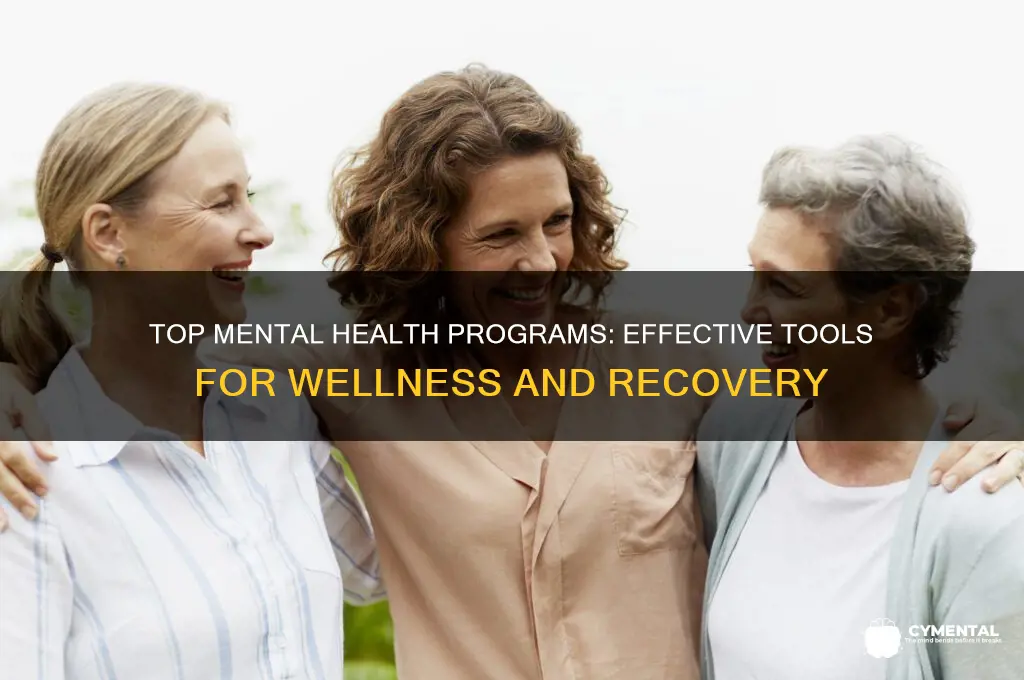
Addressing mental health effectively requires a combination of evidence-based programs and resources tailored to individual needs. Among the most helpful programs are Cognitive Behavioral Therapy (CBT), which focuses on changing negative thought patterns and behaviors, and Dialectical Behavior Therapy (DBT), designed to improve emotional regulation and interpersonal skills. Mindfulness-Based Stress Reduction (MBSR) and Mindfulness-Based Cognitive Therapy (MBCT) are also widely recognized for reducing stress and preventing relapse in depression. Additionally, digital mental health platforms, such as apps offering guided meditation, mood tracking, and teletherapy, provide accessible support for those seeking immediate or ongoing assistance. Community-based programs, such as peer support groups and crisis intervention services, play a crucial role in fostering connection and providing timely help. Ultimately, the most effective programs are those that integrate personalized care, professional guidance, and accessible tools to address the diverse needs of individuals struggling with mental health challenges.
Explore related products


What You'll Learn
- Digital Therapy Platforms: Apps like Calm, Headspace, and BetterHelp offer accessible mental health support
- Peer Support Programs: Online communities and forums foster connection and shared coping strategies
- Cognitive Behavioral Tools: Programs like MoodGYM and SilverCloud focus on CBT techniques
- Mindfulness and Meditation: Apps like Insight Timer promote stress reduction through guided practices
- Crisis Intervention Services: Programs like Crisis Text Line provide immediate mental health assistance

Digital Therapy Platforms: Apps like Calm, Headspace, and BetterHelp offer accessible mental health support
Digital therapy platforms have revolutionized mental health care by making support accessible to millions worldwide. Apps like Calm, Headspace, and BetterHelp offer tools ranging from guided meditation and mindfulness exercises to licensed therapy sessions, all available at users’ fingertips. These platforms cater to diverse needs, whether it’s managing stress, improving sleep, or addressing anxiety and depression. For instance, Calm provides sleep stories and breathing exercises, while BetterHelp connects users with professional therapists for personalized sessions. This convenience eliminates barriers like cost, location, and stigma, making mental health care more inclusive.
Consider the analytical perspective: studies show that consistent use of mindfulness apps like Headspace can reduce symptoms of anxiety by up to 57% over eight weeks. Similarly, BetterHelp users report significant improvements in depression and stress levels after just one month of therapy. These results highlight the effectiveness of digital platforms in delivering evidence-based interventions. However, it’s crucial to note that these apps are not one-size-fits-all. Users should assess their specific needs—whether they require self-guided tools or professional counseling—to choose the most suitable platform.
From an instructive standpoint, integrating these apps into daily routines maximizes their benefits. Start by setting aside 10–15 minutes daily for guided meditation or journaling prompts. For therapy apps like BetterHelp, commit to weekly sessions and communicate openly with your therapist to build a productive relationship. Parents can introduce apps like Calm Kids to children aged 3–12, using bedtime stories and mindfulness activities to foster emotional resilience. Remember, consistency is key; sporadic use may yield limited results.
A persuasive argument for digital therapy platforms lies in their scalability and affordability. Traditional therapy often involves long waitlists and high costs, but apps like Headspace offer annual subscriptions for as low as $69.99, while BetterHelp’s plans start at $60 per week. This affordability, combined with 24/7 access, ensures that more individuals can prioritize their mental health. Critics argue that digital therapy lacks the personal touch of in-person sessions, but for many, it’s a vital first step toward seeking help.
Finally, a comparative analysis reveals that while apps like Calm and Headspace excel in preventive care and stress management, platforms like BetterHelp and Talkspace are better suited for addressing severe mental health issues. For example, BetterHelp’s licensed therapists can provide cognitive-behavioral therapy (CBT) and other evidence-based treatments, whereas Calm’s focus remains on relaxation and sleep. Users should evaluate their needs critically: if symptoms persist or worsen, transitioning from self-guided apps to professional therapy is essential. Digital platforms are not a panacea but powerful tools in a comprehensive mental health toolkit.
Supporting Mental Challenges: Compassionate Guidance for Effective Assistance
You may want to see also
Explore related products


Peer Support Programs: Online communities and forums foster connection and shared coping strategies
Peer support programs, particularly those centered around online communities and forums, have emerged as a powerful tool in addressing mental health challenges. These platforms provide a unique space where individuals can connect with others who share similar experiences, fostering a sense of belonging and understanding that is often difficult to find elsewhere. For instance, platforms like 7 Cups and SANE Forums offer 24/7 access to peer support, allowing users to engage in real-time conversations or post messages that receive thoughtful responses from community members. This immediacy and accessibility make online peer support particularly valuable for those who may feel isolated or unable to access traditional mental health services.
One of the key strengths of online peer support programs is their ability to democratize mental health care. Unlike formal therapy, which can be costly and time-consuming, these communities are often free or low-cost, making them accessible to a broader audience. For example, Reddit’s mental health subreddits, such as r/depression and r/anxiety, provide a space for individuals to share their struggles and receive advice from peers who have firsthand experience with similar issues. This shared vulnerability creates a safe environment where users can explore coping strategies, from mindfulness techniques to journaling prompts, without fear of judgment. However, it’s important to note that while these platforms are supportive, they are not a substitute for professional treatment, especially in cases of severe mental health conditions.
The effectiveness of peer support programs lies in their ability to empower individuals through shared experiences. Research has shown that engaging in peer support can reduce feelings of stigma, increase self-efficacy, and improve overall mental well-being. For younger demographics, such as teenagers and young adults, platforms like The Trevor Project’s TrevorSpace offer a lifeline, connecting LGBTQ+ youth with peers who understand their unique challenges. These communities often incorporate structured activities, such as group discussions or resource-sharing threads, to enhance engagement and provide practical tools for managing mental health. For maximum benefit, users should aim to participate consistently, as regular interaction fosters deeper connections and a stronger sense of community.
Despite their advantages, online peer support programs are not without limitations. Moderation is critical to ensure these spaces remain safe and constructive. Unregulated forums can sometimes amplify negative emotions or disseminate inaccurate information. To mitigate this, reputable platforms employ trained moderators or community guidelines to maintain a positive environment. Users should also be cautious about sharing personal information and seek professional help when needed. For those new to online peer support, starting with smaller, niche communities can be less overwhelming and more conducive to meaningful interactions.
In conclusion, peer support programs rooted in online communities and forums offer a unique and accessible approach to addressing mental health. By fostering connection, sharing coping strategies, and reducing stigma, these platforms empower individuals to take an active role in their mental well-being. While they are not a replacement for professional care, they serve as a valuable complement, particularly for those who may face barriers to traditional services. For anyone considering joining an online peer support community, the key is to find a space that feels welcoming and aligns with their specific needs, ensuring a supportive and enriching experience.
Empowering Actions: Simple Ways to Make a Positive Impact Today
You may want to see also
Explore related products




Cognitive Behavioral Tools: Programs like MoodGYM and SilverCloud focus on CBT techniques
Cognitive Behavioral Therapy (CBT) has long been a cornerstone in treating mental health issues, and its principles are now accessible through digital platforms like MoodGYM and SilverCloud. These programs distill CBT techniques into structured, interactive modules that users can navigate at their own pace. MoodGYM, developed by the Australian National University, offers a five-module program designed to reduce symptoms of depression and anxiety by teaching users to identify and challenge negative thought patterns. SilverCloud, on the other hand, provides a broader range of programs tailored to specific conditions, such as generalized anxiety, insomnia, and stress, with each module typically taking 30–45 minutes to complete. Both platforms emphasize self-reflection and skill-building, making them effective tools for those seeking evidence-based strategies to manage their mental health.
One of the strengths of these programs lies in their accessibility and flexibility. Unlike traditional therapy, which requires scheduling and travel, MoodGYM and SilverCloud can be accessed anytime, anywhere, provided there’s an internet connection. This makes them particularly useful for individuals in remote areas or those with busy schedules. However, their effectiveness depends on consistent engagement. Users are encouraged to complete one module per week, dedicating at least 30 minutes to each session. For maximum benefit, incorporating learned techniques into daily life—such as journaling negative thoughts or practicing mindfulness—is essential. Studies have shown that users who complete at least 70% of the program content report significant improvements in mood and coping skills.
While these programs are designed to be self-guided, they are not a one-size-fits-all solution. MoodGYM and SilverCloud are most effective for mild to moderate symptoms of anxiety and depression. Individuals with severe or complex mental health conditions may require additional support from a therapist or psychiatrist. Additionally, these platforms rely heavily on user motivation and self-discipline. Those who struggle with accountability might benefit from pairing the program with a support group or check-ins with a mental health professional. It’s also worth noting that while CBT is evidence-based, digital programs like these may not address the nuances of individual experiences, such as trauma or cultural factors, as effectively as personalized therapy.
A practical tip for maximizing the benefits of these programs is to treat them like a course rather than a casual activity. Set aside dedicated time each week, minimize distractions, and actively engage with the exercises. For example, MoodGYM’s thought-challenging exercises require users to write down specific negative thoughts and reframe them using evidence-based techniques. Taking notes or using a journal to track progress can enhance retention and application of these skills. Similarly, SilverCloud’s mindfulness exercises are more effective when practiced in a quiet, comfortable environment. By approaching these programs with intention and consistency, users can unlock their full potential as tools for mental health improvement.
In comparison to other digital mental health tools, MoodGYM and SilverCloud stand out for their strong foundation in CBT, a therapy approach backed by decades of research. While apps like Headspace focus on mindfulness and Calm emphasizes relaxation, these CBT-based programs target the root causes of negative thinking patterns. This makes them particularly valuable for individuals looking to develop long-term coping strategies rather than temporary symptom relief. However, combining these programs with other tools—such as meditation apps or physical activity—can create a comprehensive mental health regimen. Ultimately, MoodGYM and SilverCloud offer a structured, science-based approach to mental health that empowers users to take control of their well-being.
Recognizing Signs: When to Seek Mental Health Support for Others
You may want to see also
Explore related products


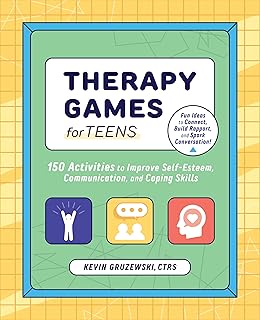
$9.59 $16.99


Mindfulness and Meditation: Apps like Insight Timer promote stress reduction through guided practices
In the digital age, mindfulness and meditation apps have emerged as powerful tools for mental health, offering accessible and structured practices to reduce stress. Insight Timer, for instance, stands out with its vast library of guided meditations, breathing exercises, and sleep aids. Users can choose sessions as short as 5 minutes or immerse themselves in hour-long practices, making it adaptable to any schedule. Research suggests that consistent use of such apps can lower cortisol levels, the body’s primary stress hormone, by up to 14% over 8 weeks. This flexibility and evidence-based effectiveness make apps like Insight Timer a cornerstone for those seeking to integrate mindfulness into their daily lives.
To maximize the benefits of these apps, start with a clear intention. Are you aiming to reduce anxiety, improve focus, or enhance sleep? Insight Timer categorizes sessions by purpose, allowing users to tailor their practice. Beginners should begin with 10-minute guided meditations daily, gradually increasing duration as comfort grows. Pairing mindfulness with physical activity, such as yoga or walking, amplifies its stress-reducing effects. For parents or educators, the app’s kid-friendly meditations introduce mindfulness to children as young as 4, fostering emotional resilience early.
While the convenience of apps is undeniable, it’s crucial to approach them as complements, not replacements, for professional mental health care. Users should monitor their emotional responses during practice; if meditation triggers distress, consult a therapist. Additionally, avoid over-reliance on technology—balance app use with offline mindfulness, like mindful eating or nature walks. Insight Timer’s offline timer feature encourages this by tracking silent meditation sessions, bridging the digital and analog worlds.
The comparative advantage of apps like Insight Timer lies in their community-driven model. With over 20,000 free guided meditations and a global user base, the app fosters a sense of collective well-being. Users can join live sessions, participate in challenges, or share experiences in forums, reducing feelings of isolation. This social aspect differentiates it from solitary practices, making mindfulness a shared journey rather than a solo endeavor. For those hesitant to start, the app’s free tier removes financial barriers, democratizing access to mental health tools.
In conclusion, mindfulness and meditation apps like Insight Timer offer a structured, evidence-based approach to stress reduction, adaptable to diverse needs and lifestyles. By combining accessibility, community, and scientific backing, these platforms empower users to take proactive steps toward mental well-being. Whether you’re a novice or seasoned practitioner, integrating such tools into your routine can yield measurable benefits, proving that sometimes, the best solutions are just a tap away.
Gratitude's Power: Enhancing Mental Well-being and Emotional Resilience
You may want to see also
Explore related products


Crisis Intervention Services: Programs like Crisis Text Line provide immediate mental health assistance
In moments of acute mental distress, immediate access to support can be a lifeline. Crisis intervention services, such as Crisis Text Line, fill this critical gap by offering real-time assistance to individuals experiencing emotional turmoil. Unlike traditional therapy, which often requires scheduling and waiting periods, these programs provide instant connectivity to trained counselors via text or chat platforms. This immediacy is particularly vital for those in crisis, where every minute counts in preventing escalation.
Consider the mechanics of Crisis Text Line as an example. Users text a designated number and are paired with a crisis counselor within minutes. The counselor employs active listening, empathy, and evidence-based techniques like cognitive reframing to de-escalate the situation. Notably, the platform’s anonymity reduces barriers to seeking help, especially for younger demographics or those hesitant to engage face-to-face. Data from the service shows that 80% of texters feel better after a single conversation, highlighting its efficacy in providing immediate relief.
While crisis intervention services are not a substitute for long-term mental health care, they serve as a crucial bridge to ongoing support. Counselors often help texters create safety plans, connect them to local resources, or encourage follow-up with therapists. For instance, a texter experiencing suicidal ideation might be guided through a calming exercise, then referred to a 24/7 suicide prevention hotline or a nearby mental health clinic. This dual role—immediate stabilization and linkage to care—makes these programs uniquely valuable in the mental health ecosystem.
However, it’s essential to recognize limitations. Crisis text lines are not equipped to handle severe psychiatric emergencies requiring in-person intervention. For such cases, calling emergency services remains the priority. Additionally, the brevity of interactions means complex issues may not be fully resolved in a single session. Still, for individuals in the throes of panic, grief, or despair, these services offer a vital first step toward healing. By combining accessibility, anonymity, and evidence-based care, crisis intervention programs like Crisis Text Line exemplify how technology can humanize mental health support.
Effective Strategies to Improve Mental Health: Real Methods That Work
You may want to see also
Frequently asked questions
Cognitive Behavioral Therapy (CBT)-based programs, such as Mindfulness-Based Stress Reduction (MBSR) and apps like Headspace or Calm, are highly effective for managing anxiety and stress. These programs focus on mindfulness, relaxation techniques, and cognitive restructuring to reduce symptoms.
Programs like Behavioral Activation (BA) and Interpersonal Psychotherapy (IPT) are evidence-based and effective for depression. Additionally, digital platforms like MoodGym and Sanvello offer accessible tools for symptom management and emotional support.
Yes, Trauma-Focused Cognitive Behavioral Therapy (TF-CBT) and Eye Movement Desensitization and Reprocessing (EMDR) are highly recommended for trauma and PTSD. Apps like PTSD Coach also provide supplementary support for symptom tracking and coping strategies.