Harper Lewis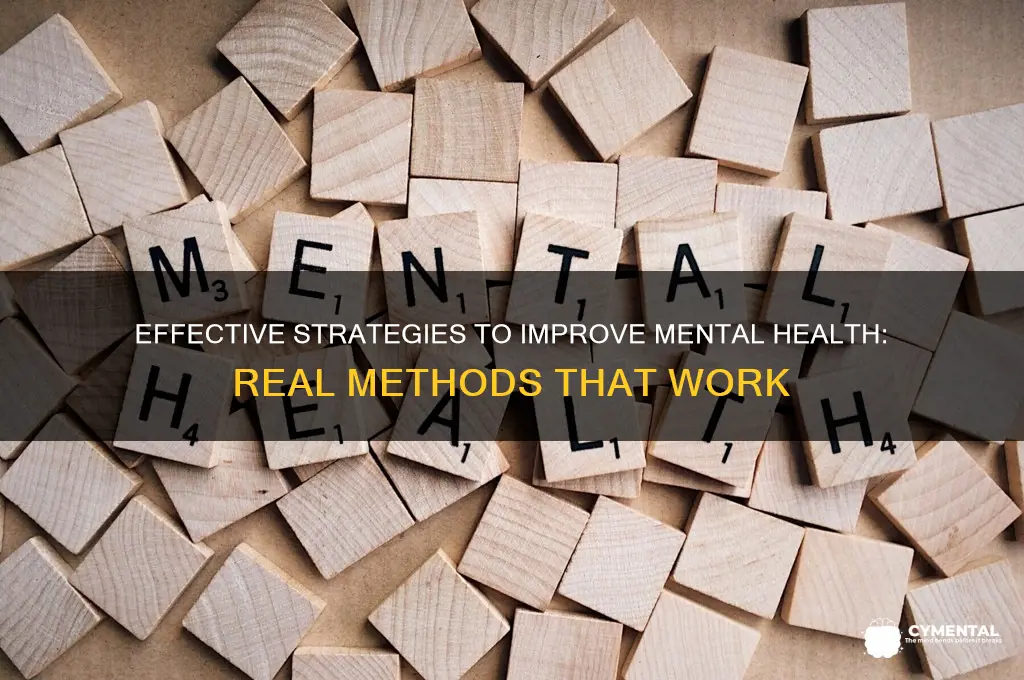
Mental health is a critical aspect of overall well-being, and finding effective methods to support it is essential in today’s fast-paced world. Real, evidence-based strategies such as mindfulness and meditation have been shown to reduce stress and anxiety by promoting present-moment awareness. Regular physical activity, including exercise and yoga, not only improves mood by releasing endorphins but also enhances cognitive function. Building a strong support system through meaningful relationships and open communication can provide emotional resilience during challenging times. Additionally, professional interventions like therapy and counseling, particularly cognitive-behavioral therapy (CBT), offer structured ways to address and manage mental health issues. Incorporating healthy habits such as adequate sleep, balanced nutrition, and limiting screen time can also significantly contribute to mental stability. By combining these methods, individuals can create a holistic approach to nurturing their mental health and fostering long-term well-being.
Explore related products


What You'll Learn
- Mindfulness Practices: Meditation, deep breathing, and grounding techniques to stay present and reduce anxiety
- Physical Activity: Regular exercise boosts mood, reduces stress, and improves overall mental well-being
- Healthy Sleep Habits: Consistent sleep schedules and routines enhance mental clarity and emotional stability
- Social Connections: Building and maintaining relationships fosters support and reduces feelings of isolation
- Professional Therapy: Accessing counseling or therapy provides tools to manage and improve mental health

Mindfulness Practices: Meditation, deep breathing, and grounding techniques to stay present and reduce anxiety
Anxiety often stems from the mind’s tendency to dwell on the past or race into the future. Mindfulness practices—specifically meditation, deep breathing, and grounding techniques—counteract this by anchoring awareness in the present moment. These methods, backed by research, reduce the physiological symptoms of anxiety and foster emotional resilience. For instance, a study published in *JAMA Internal Medicine* found that mindfulness meditation programs significantly decreased anxiety levels, comparable to the effects of antidepressant medication.
To begin a meditation practice, set aside 5–10 minutes daily in a quiet space. Sit comfortably, close your eyes, and focus on your breath. Notice the sensation of air entering and leaving your nostrils. When thoughts wander (which they will), gently redirect attention to the breath. Apps like Headspace or Calm offer guided sessions for beginners, but simplicity is key—no special equipment or expertise required. Consistency matters more than duration; even brief daily practice rewires neural pathways to enhance calmness over time.
Deep breathing exercises, such as diaphragmatic breathing, activate the parasympathetic nervous system, which calms the body’s stress response. Inhale slowly through your nose for a count of four, allowing your abdomen to rise, then exhale through your mouth for a count of six. Repeat this cycle for 2–3 minutes whenever anxiety spikes. This technique is particularly effective during acute episodes, as it lowers heart rate and reduces cortisol levels. For children or those new to the practice, visualize blowing out candles on a birthday cake to encourage slower exhalation.
Grounding techniques bring awareness to the present by engaging the senses. The "5-4-3-2-1" method is a popular example: identify five things you can see, four you can touch, three you can hear, two you can smell, and one you can taste. This exercise disrupts anxious thought loops by refocusing attention on immediate surroundings. Another technique involves holding an ice cube or a textured object, focusing on its temperature or shape to reconnect with the physical environment. These tools are especially useful in public settings where meditation may not be feasible.
While mindfulness practices are accessible and low-risk, they are not a one-size-fits-all solution. Individuals with severe anxiety or trauma may find certain techniques triggering; in such cases, consult a mental health professional before starting. Additionally, mindfulness is most effective when paired with other strategies like therapy or lifestyle changes. Think of it as a tool in your mental health toolkit—simple yet powerful when practiced regularly and intentionally. By staying present, you reclaim control over your mind, one breath at a time.
Black Music's Healing Power: Boosting Mental Health and Well-being
You may want to see also
Explore related products




Physical Activity: Regular exercise boosts mood, reduces stress, and improves overall mental well-being
Engaging in regular physical activity is one of the most effective, evidence-based methods to enhance mental health. Studies consistently show that exercise triggers the release of endorphins, often referred to as "feel-good" hormones, which directly combat symptoms of depression and anxiety. Even moderate activities like brisk walking or cycling for 30 minutes a day, five days a week, can yield noticeable improvements in mood and stress reduction. This isn’t just anecdotal—meta-analyses in journals like *JAMA Psychiatry* highlight that consistent exercise can be as effective as medication or therapy for mild to moderate depression in some cases.
To maximize mental health benefits, focus on activities that combine aerobic exercise with mindfulness or social interaction. Yoga, for instance, pairs physical movement with breath control, reducing cortisol levels while fostering mental clarity. Team sports like basketball or group fitness classes add a social dimension, combating feelings of isolation. For older adults, low-impact exercises like swimming or tai chi improve mental well-being while minimizing joint strain. The key is consistency: aim for 150 minutes of moderate-intensity exercise weekly, broken into manageable sessions, to create a sustainable habit.
While the mental health benefits of exercise are clear, it’s crucial to approach physical activity with realism, not rigidity. Over-exercising or setting unattainable goals can lead to burnout or increased stress. Start small—a 10-minute walk during lunch or stretching routine before bed—and gradually build intensity. For those with chronic conditions or disabilities, consult a healthcare provider to tailor activities to individual needs. Remember, the goal isn’t peak performance but mental resilience; even small, consistent efforts can lead to significant long-term gains.
Practical tips can make integrating exercise into daily life more achievable. Use technology like fitness apps or wearable devices to track progress and stay motivated. Incorporate movement into routines by taking the stairs, walking during phone calls, or doing bodyweight exercises while watching TV. For those who struggle with motivation, pair exercise with something enjoyable, like listening to podcasts or working out with a friend. By viewing physical activity as a tool for mental wellness rather than a chore, it becomes a sustainable, empowering practice.
Empowering Mental Health: Community Strategies to Support the Vulnerable
You may want to see also
Explore related products
$6.79 $14.99


Healthy Sleep Habits: Consistent sleep schedules and routines enhance mental clarity and emotional stability
Sleep is the cornerstone of mental health, yet it’s often overlooked in favor of more glamorous interventions like therapy or meditation. A consistent sleep schedule—going to bed and waking up at the same time every day, even on weekends—regulates your body’s internal clock, known as the circadian rhythm. This rhythm influences not just sleep but also mood, cognitive function, and stress response. For adults, the National Sleep Foundation recommends 7–9 hours of sleep per night, though individual needs vary. Adolescents require 8–10 hours, while older adults may need slightly less. Deviating from this range, even by an hour, can disrupt neurotransmitter balance, leading to irritability, foggy thinking, and heightened anxiety.
Establishing a bedtime routine is as crucial as the schedule itself. Think of it as a signal to your brain that it’s time to wind down. Start 30–60 minutes before your intended bedtime. Activities like reading a physical book (not a screen), practicing deep breathing exercises, or taking a warm bath can calm the nervous system. Avoid stimulants like caffeine after 2 p.m. and limit exposure to blue light from devices at least an hour before bed. For those struggling with racing thoughts, journaling can help offload worries, clearing mental clutter. Consistency is key—your brain thrives on predictability, and over time, this routine becomes a cue for relaxation.
Comparing the impact of irregular sleep to a consistent routine highlights its importance. Studies show that shifting sleep patterns, common in shift workers or frequent travelers, increases the risk of depression and anxiety by up to 30%. In contrast, individuals with stable sleep schedules report better emotional regulation and problem-solving skills. For example, a 2020 study published in *Sleep Health* found that college students who maintained a regular sleep schedule scored higher on cognitive tests and exhibited lower stress levels during exam periods. This isn’t just about avoiding sleep deprivation—it’s about optimizing mental resilience through habit.
Practical implementation requires small, intentional changes. Begin by setting a bedtime alarm 30 minutes before your desired sleep time to remind yourself to start the wind-down process. Gradually adjust your schedule in 15-minute increments if you’re far off your goal. For parents, modeling this behavior for children reinforces healthy habits early. If you struggle with falling asleep, consider a “worry window”—a 10-minute period earlier in the evening to address concerns, reducing the likelihood of midnight rumination. Remember, the goal isn’t perfection but progress. Even minor improvements in sleep consistency can yield significant mental health benefits.
In a world that glorifies busyness and undervalues rest, prioritizing sleep is an act of self-care. It’s not just about the quantity of sleep but the quality of the routine surrounding it. By treating sleep as a non-negotiable pillar of mental health, you create a foundation for clarity, stability, and emotional well-being. Start tonight—your brain will thank you tomorrow.
Navigating Mental Health Support Amid COVID-19 Challenges and Resources
You may want to see also
Explore related products

$10.99 $18.99


Social Connections: Building and maintaining relationships fosters support and reduces feelings of isolation
Human beings are inherently social creatures, and our mental health thrives on meaningful connections. Research consistently shows a strong link between social isolation and increased risk of depression, anxiety, and even cognitive decline. Conversely, strong social ties act as a buffer against stress, provide emotional support, and contribute to a sense of belonging and purpose.
Consider this: a study published in the *Journal of Health and Social Behavior* found that individuals with diverse social networks, encompassing friends, family, and community groups, reported significantly higher levels of well-being compared to those with limited social circles. This highlights the importance of not just having connections, but cultivating a variety of relationships that offer different forms of support.
Imagine a garden. Just as diverse plants contribute to a thriving ecosystem, a variety of social connections nurture our mental health. Close friendships provide intimacy and understanding, while family offers a sense of belonging and history. Community groups, whether based on shared interests, hobbies, or beliefs, provide a sense of purpose and connection to something larger than ourselves.
Building and maintaining these connections requires intentional effort. Start small: reach out to an old friend, join a local club or volunteer group, or initiate conversations with colleagues. Consistency is key; regular contact, even brief check-ins, strengthens bonds. Be present and engaged in interactions, actively listening and showing genuine interest. Remember, relationships are a two-way street; be willing to offer support and vulnerability as well as receive it.
It's important to acknowledge that building social connections can be challenging, especially for those struggling with anxiety or past experiences of rejection. Start with manageable steps, perhaps joining an online community or attending a small, low-pressure social event. Seek professional guidance if needed; therapists can provide valuable tools and support for navigating social anxiety and building healthy relationships.
Succulents: Nature's Therapy for Mental Well-being and Stress Relief
You may want to see also
Explore related products


Professional Therapy: Accessing counseling or therapy provides tools to manage and improve mental health
Professional therapy is a cornerstone of mental health care, offering structured, evidence-based strategies to address emotional and psychological challenges. Unlike self-help methods, therapy provides a personalized approach tailored to individual needs, guided by trained professionals who can diagnose, treat, and monitor progress. Whether through cognitive-behavioral therapy (CBT), psychodynamic therapy, or other modalities, these sessions equip individuals with tools to reframe negative thought patterns, manage stress, and build resilience. For instance, CBT typically involves 12 to 20 sessions, focusing on identifying and changing harmful behaviors and thought processes, making it particularly effective for anxiety and depression.
Accessing therapy begins with finding the right fit—a therapist whose expertise and approach align with your specific concerns. Online platforms like BetterHelp or Psychology Today offer directories to search by specialty, such as trauma, relationships, or addiction. Initial consultations often serve as a trial period to assess comfort and compatibility. Practical tips include verifying insurance coverage, exploring sliding-scale fees for affordability, and considering telehealth options for convenience. For adolescents and young adults, family therapy can be particularly beneficial, addressing systemic issues that impact mental health.
One of the most compelling aspects of professional therapy is its adaptability. Therapists often integrate techniques like mindfulness, exposure therapy, or interpersonal therapy based on the client’s goals and progress. For example, mindfulness-based cognitive therapy (MBCT) combines CBT with mindfulness practices to prevent relapse in depression, requiring 8 weekly group sessions. This flexibility ensures that therapy remains dynamic and responsive to evolving needs, fostering long-term growth rather than temporary relief.
Despite its benefits, therapy requires commitment and vulnerability. Sessions may uncover uncomfortable emotions or memories, and progress isn’t always linear. However, this process is a testament to its effectiveness—it challenges individuals to confront root causes rather than merely alleviating symptoms. To maximize outcomes, consistency is key; attending sessions regularly and practicing skills outside of therapy amplifies its impact. Ultimately, professional therapy isn’t just about managing mental health—it’s about transforming it, offering a pathway to deeper self-awareness and sustained well-being.
Recognizing Signs: When to Seek Mental Health Support for Others
You may want to see also
Frequently asked questions
Effective stress management techniques include mindfulness meditation, deep breathing exercises, regular physical activity, maintaining a balanced diet, and ensuring adequate sleep. Additionally, setting boundaries and prioritizing self-care can significantly reduce stress levels.
Therapy or counseling provides a safe space to explore thoughts, emotions, and behaviors with a trained professional. It helps individuals develop coping strategies, gain insight into their challenges, and work through trauma or mental health conditions like anxiety or depression.
Yes, regular exercise releases endorphins, which improve mood and reduce symptoms of anxiety and depression. It also boosts self-esteem, enhances sleep quality, and provides a healthy distraction from negative thoughts.
A consistent sleep schedule regulates your body’s internal clock, improving mood, focus, and emotional resilience. Poor sleep is linked to increased risk of mental health issues like depression and anxiety, so prioritizing sleep is crucial.
Yes, journaling allows you to process emotions, track patterns in thoughts or behaviors, and reduce stress. It can also help clarify problems, set goals, and foster gratitude, all of which contribute to better mental well-being.