Madison Cole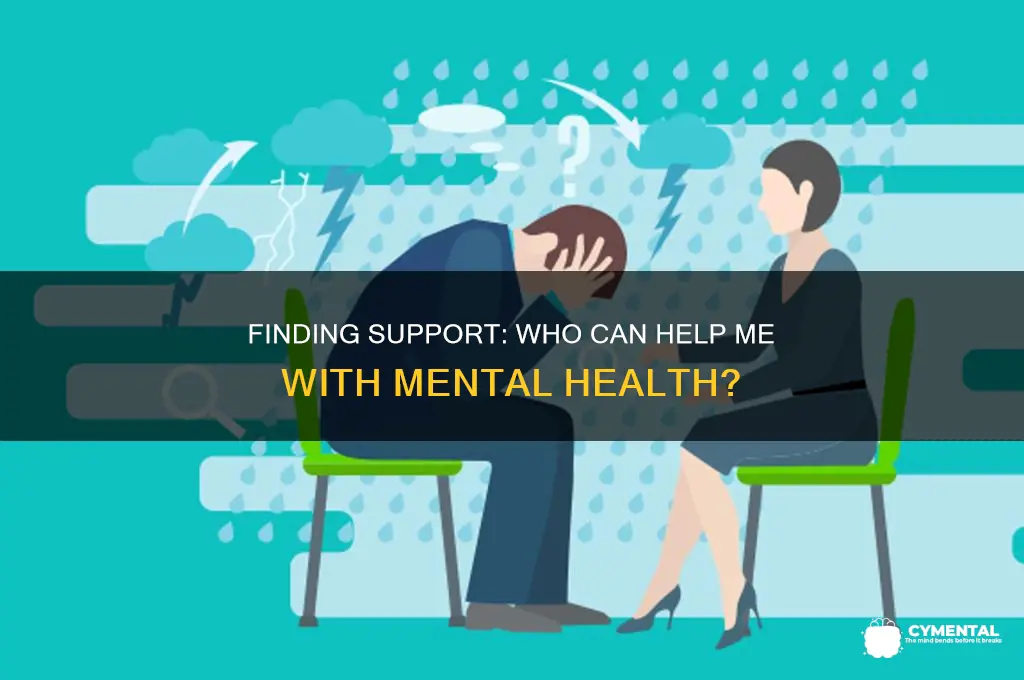
Navigating mental health challenges can feel overwhelming, but it’s important to remember that you’re not alone—support is available from a variety of sources. Professionals like therapists, counselors, and psychiatrists offer specialized care tailored to your needs, while primary care physicians can provide initial guidance or referrals. Support groups and community organizations create safe spaces to connect with others facing similar struggles, fostering a sense of belonging. Friends, family, and trusted loved ones can also play a crucial role by offering emotional support and encouragement. Additionally, helplines and online resources provide immediate assistance and information, ensuring help is accessible anytime, anywhere. Whether you’re seeking professional treatment, peer support, or simply someone to talk to, there are numerous avenues to find the help you need to prioritize your mental well-being.
| Characteristics | Values |
|---|---|
| Professionals | Psychiatrists, Psychologists, Therapists, Counselors, Social Workers |
| Specializations | Cognitive Behavioral Therapy (CBT), Dialectical Behavior Therapy (DBT), Psychodynamic Therapy, Family Therapy, Group Therapy |
| Accessibility | In-person sessions, Online therapy (telehealth), Mobile apps (e.g., BetterHelp, Talkspace) |
| Cost | Insurance-covered, Sliding scale fees, Free or low-cost clinics, Employee Assistance Programs (EAPs) |
| Support Groups | Peer support groups, 12-step programs, Community-based organizations |
| Hotlines & Helplines | National Suicide Prevention Lifeline (988), Crisis Text Line (741741), Local crisis hotlines |
| Self-Help Resources | Books, Podcasts, Online courses, Mindfulness and meditation apps (e.g., Headspace, Calm) |
| Community Resources | Local mental health clinics, Non-profit organizations, Faith-based counseling |
| Emergency Services | Emergency rooms, Crisis intervention teams, Mobile crisis units |
| Cultural Competence | Culturally sensitive therapists, Bilingual services, LGBTQ+-friendly providers |
| Age-Specific Support | Child and adolescent therapists, Geriatric mental health specialists |
| Workplace Support | Employee Assistance Programs (EAPs), Workplace wellness initiatives |
| Educational Programs | Mental health first aid training, Workshops, Seminars |
| Technology Tools | Mental health tracking apps, Virtual reality therapy, AI-based chatbots |
| Legal & Advocacy | Mental health advocacy organizations, Legal aid for disability rights |
Explore related products


What You'll Learn
- Therapists & Counselors: Trained professionals offering talk therapy for various mental health concerns
- Psychiatrists: Medical doctors prescribing medication for mental health disorders
- Support Groups: Peer-led communities providing shared experiences and emotional support
- Hotlines & Helplines: Immediate assistance for crisis situations, available 24/7
- Primary Care Doctors: Initial point of contact for mental health referrals and care

Therapists & Counselors: Trained professionals offering talk therapy for various mental health concerns
Therapists and counselors are the architects of safe spaces, where words become tools for healing. Unlike self-help books or online forums, these professionals undergo rigorous training (typically a master’s degree or higher) in evidence-based techniques like cognitive-behavioral therapy (CBT), dialectical behavior therapy (DBT), or psychodynamic approaches. This isn’t casual conversation—it’s structured dialogue designed to unravel complex emotions, challenge harmful thought patterns, and build coping strategies. For instance, a therapist might use CBT to help someone reframe catastrophic thinking about social situations, reducing anxiety over time. The American Psychological Association recommends weekly sessions for at least 12 weeks to see measurable progress, though timelines vary based on individual needs.
Choosing the right therapist is like finding a tailor for your mental wardrobe—fit matters. Counselors often specialize in areas like trauma, addiction, or couples therapy, so aligning their expertise with your concerns is crucial. For example, a licensed marriage and family therapist (LMFT) is ideal for relationship issues, while a licensed professional counselor (LPC) might focus on individual anxiety or depression. Don’t hesitate to “shop around”—the first therapist you meet isn’t always the best match. Practical tip: During the initial consultation, ask about their approach, experience with your specific issue, and whether they offer sliding-scale fees or accept insurance.
Talk therapy isn’t a passive experience; it’s collaborative work. Therapists provide frameworks, but clients must engage actively—whether through journaling between sessions, practicing mindfulness exercises, or confronting uncomfortable truths. For instance, a counselor might assign a “thought record” to track negative self-talk, a CBT staple. This homework isn’t busywork; it’s the bridge between insight and action. Studies show that clients who actively participate in therapy see better outcomes, so treat sessions as a partnership, not a monologue.
One common misconception is that therapy is only for “serious” issues. In reality, therapists address a spectrum of concerns—from chronic stress and grief to life transitions and self-improvement. For example, a young professional navigating burnout might benefit from solution-focused brief therapy, a goal-oriented approach that typically spans 6–12 sessions. Conversely, someone with deep-seated trauma might engage in longer-term psychodynamic therapy. The takeaway? Therapy isn’t one-size-fits-all, and its value isn’t tied to the severity of your struggles.
Finally, therapy’s effectiveness isn’t just anecdotal—it’s backed by research. A meta-analysis in *Clinical Psychology Review* found that talk therapy reduces symptoms of depression and anxiety in 75% of patients. Yet, stigma and logistical barriers (cost, accessibility) often deter people from seeking help. Telehealth platforms have democratized access, offering virtual sessions for those in remote areas or with busy schedules. If cost is a concern, community health centers or training clinics often provide low-fee services. Remember: Investing in therapy isn’t indulgent—it’s a proactive step toward mental wellness, as essential as treating a physical injury.
Spirituality and Mental Health: Exploring Inner Peace for Well-Being
You may want to see also
Explore related products


Psychiatrists: Medical doctors prescribing medication for mental health disorders
Psychiatrists are medical doctors who specialize in mental health, uniquely qualified to diagnose, treat, and manage mental health disorders through a combination of therapy and medication. Unlike other mental health professionals, they complete medical school and a residency in psychiatry, enabling them to prescribe medications such as antidepressants, antipsychotics, mood stabilizers, and anxiolytics. For instance, selective serotonin reuptake inhibitors (SSRIs) like fluoxetine (Prozac) are commonly prescribed at dosages ranging from 20 to 60 mg daily for adults with depression or anxiety disorders. This medical expertise allows psychiatrists to address the biological underpinnings of mental health conditions, often providing relief when therapy alone is insufficient.
When considering medication, psychiatrists conduct thorough assessments, including medical history, symptom severity, and potential drug interactions. For example, a psychiatrist might prescribe lithium for bipolar disorder, starting at 300 mg twice daily and adjusting based on blood levels and side effects. They also monitor patients regularly, as medications like antipsychotics (e.g., olanzapine) can have significant side effects, such as weight gain or metabolic changes. This meticulous approach ensures that treatment is both safe and effective, particularly for complex or severe cases.
One of the key advantages of consulting a psychiatrist is their ability to integrate medication management with other treatment modalities. For adolescents with ADHD, a psychiatrist might prescribe methylphenidate (Ritalin) at 10–20 mg twice daily while also recommending behavioral therapy to improve focus and impulse control. This dual approach addresses both the neurochemical imbalances and the functional challenges of the disorder. However, it’s important to note that medication is not always the first-line treatment; psychiatrists often explore non-pharmacological options before prescribing, especially for mild cases or younger patients.
Despite their expertise, working with a psychiatrist requires active participation from the patient. Adherence to medication regimens, open communication about side effects, and regular follow-ups are critical for success. For instance, patients on SSRIs should be aware that it can take 4–6 weeks to notice significant improvement and should not discontinue the medication abruptly to avoid withdrawal symptoms. Additionally, psychiatrists often collaborate with other professionals, such as psychologists or primary care physicians, to provide comprehensive care, ensuring that all aspects of a patient’s mental and physical health are addressed.
In conclusion, psychiatrists play a vital role in mental health care by leveraging their medical training to prescribe and manage medications tailored to individual needs. Their ability to combine pharmacological treatment with clinical insight makes them indispensable for those with moderate to severe mental health disorders. While medication is a powerful tool, it is just one component of a holistic treatment plan, and patients should approach it with informed expectations and active engagement. For those seeking relief from debilitating symptoms, a psychiatrist can offer a pathway to stability and improved quality of life.
Recharge Your Mind: Strategies to Overcome Mental Exhaustion Effectively
You may want to see also
Explore related products





Support Groups: Peer-led communities providing shared experiences and emotional support
Support groups are not just circles of strangers sharing stories; they are structured environments where individuals facing similar mental health challenges come together to exchange coping strategies, emotional support, and practical advice. Unlike therapy, which is led by a trained professional, peer-led support groups are facilitated by individuals who have firsthand experience with the issues being discussed. This shared experience fosters a unique sense of understanding and trust, allowing members to speak openly without fear of judgment. For example, groups like Alcoholics Anonymous (AA) or Depression and Bipolar Support Alliance (DBSA) chapters operate on this principle, providing a safe space for members to navigate their struggles collectively.
Consider the mechanics of joining a support group: most are free or low-cost, meet weekly or biweekly, and last 60–90 minutes. They can be found through local community centers, hospitals, or online platforms like Meetup or Facebook. When attending your first session, arrive early to acclimate, and remember that participation is voluntary—you can choose to listen until you feel comfortable sharing. Practical tips include bringing a notebook to jot down insights, setting boundaries around what you share, and committing to at least three sessions to gauge the group’s fit. For younger individuals (teens or college students), youth-specific groups like those offered by Active Minds can provide age-appropriate support tailored to developmental challenges.
The effectiveness of support groups lies in their ability to combat isolation, a common symptom of mental health struggles. Research shows that consistent participation in peer-led groups can reduce symptoms of anxiety and depression by up to 30%, particularly when combined with professional treatment. However, it’s crucial to recognize their limitations: support groups are not a substitute for therapy or medication but rather a complementary resource. For instance, someone with severe PTSD may find group settings triggering without prior individual counseling. Always consult a mental health professional to determine if a support group aligns with your treatment plan.
A comparative analysis reveals that peer-led groups differ from traditional therapy in their focus on collective problem-solving rather than individual diagnosis. While therapists provide clinical expertise, support group members offer lived wisdom—a perspective that can be equally transformative. For example, a parent in a postpartum depression support group might share specific strategies for managing sleep deprivation, a detail a therapist might overlook. This blend of emotional and practical support makes groups particularly effective for conditions like addiction, grief, or chronic illness, where shared experiences are central to healing.
Finally, the persuasive case for support groups rests in their accessibility and inclusivity. Unlike therapy, which can be costly and time-consuming, support groups are often free and require no formal commitment. They also cater to diverse identities, with specialized groups for LGBTQ+ individuals, veterans, or cultural communities. For instance, the National Alliance on Mental Illness (NAMI) offers peer-led programs in multiple languages, ensuring broader reach. By joining a support group, you’re not just seeking help—you’re becoming part of a movement that challenges stigma and fosters resilience through connection. Start by searching for local or virtual groups today, and take the first step toward a community that understands and uplifts you.
Rehabilitation Over Retribution: Healing Minds, Transforming Lives, and Building Futures
You may want to see also
Explore related products


Hotlines & Helplines: Immediate assistance for crisis situations, available 24/7
In moments of acute distress, when the weight of mental health crises feels unbearable, hotlines and helplines serve as lifelines, offering immediate, confidential support. These services are staffed by trained professionals and volunteers who provide a listening ear, crisis intervention, and guidance to resources. Available 24/7, they ensure that no one has to face their darkest moments alone, regardless of the hour.
Consider this: a person experiencing suicidal thoughts at 3 a.m. may feel isolated and helpless, but a single call to a hotline like the National Suicide Prevention Lifeline (988 in the U.S.) connects them to someone equipped to de-escalate the crisis. The process is straightforward—dial the number, and a compassionate voice will guide the conversation, focusing on active listening and safety planning. For those uncomfortable with speaking, many hotlines now offer text or chat options, such as the Crisis Text Line (text HOME to 741741), ensuring accessibility for diverse needs.
While hotlines are not a substitute for long-term therapy, they play a critical role in stabilizing immediate crises. For instance, someone experiencing a panic attack can call a helpline like the Substance Abuse and Mental Health Services Administration’s (SAMHSA) treatment referral line (1-800-662-HELP) to receive coping strategies and referrals to local mental health services. It’s important to note that these services are anonymous and free, removing barriers like cost or fear of judgment.
However, knowing when to use these resources is key. Hotlines are ideal for urgent situations—suicidal ideation, self-harm, severe anxiety, or overwhelming emotional pain. They are less suited for non-urgent concerns, such as scheduling therapy appointments or discussing long-term treatment plans. For ongoing support, pairing hotline use with professional mental health care is recommended.
In conclusion, hotlines and helplines are indispensable tools in the mental health landscape, offering immediate relief and a pathway to further assistance. By understanding their purpose and accessibility, individuals can leverage these services effectively during their most vulnerable moments, ensuring that help is always within reach.
Positive Relationships and Mental Health: Insights from Scholarly Research
You may want to see also
Explore related products


Primary Care Doctors: Initial point of contact for mental health referrals and care
Primary care doctors often serve as the first line of defense in addressing mental health concerns, acting as gatekeepers who can identify, treat, or refer patients to specialized care. A 2020 study published in *JAMA Network Open* found that nearly 40% of mental health diagnoses in the U.S. are made by primary care physicians, underscoring their pivotal role in early intervention. Unlike specialists, these doctors are accessible without long wait times and are often covered by insurance, making them a practical starting point for individuals unsure of where to turn.
Consider this scenario: A 32-year-old patient visits their primary care doctor complaining of persistent fatigue and difficulty concentrating. Through a routine checkup, the doctor screens for depression using the PHQ-9 questionnaire, a 9-item tool that assesses symptoms over the past two weeks. If the score indicates moderate to severe depression, the doctor may initiate treatment with a low-dose SSRI (e.g., sertraline 25 mg daily) while referring the patient to a psychiatrist for further evaluation. This dual approach ensures immediate care and long-term management, leveraging the doctor’s ability to bridge the gap between physical and mental health.
One of the strengths of primary care doctors lies in their holistic perspective. They are trained to recognize how mental health intersects with physical conditions—for instance, untreated anxiety exacerbating hypertension or depression worsening diabetes control. A 2019 report from the *American Journal of Preventive Medicine* highlighted that integrated care models, where mental health is addressed alongside chronic diseases, lead to better patient outcomes. Primary care doctors are uniquely positioned to implement such models, offering a continuity of care that fragmented systems often lack.
However, there are limitations. Primary care doctors typically receive limited training in psychiatry, which can hinder their ability to manage complex cases. For example, a patient with treatment-resistant depression or bipolar disorder may require a psychiatrist’s expertise in adjusting medication regimens or exploring therapies like transcranial magnetic stimulation (TMS). Recognizing these boundaries, primary care doctors often collaborate with mental health specialists, ensuring patients receive the appropriate level of care.
To maximize your visit, come prepared. Write down specific symptoms, their duration, and how they impact daily life. Mention any family history of mental illness, as genetics play a role in conditions like schizophrenia and major depressive disorder. If you’re hesitant to discuss mental health, start with a physical complaint—fatigue, headaches, or sleep disturbances—that often co-occur with psychological issues. This approach can ease the conversation and allow the doctor to explore underlying causes. Primary care doctors are not just diagnosticians; they are partners in navigating the often complex journey toward mental wellness.
Is 'Mental Retardation' a Useful or Outdated Classification?
You may want to see also
Frequently asked questions
A good starting point is your primary care physician or a general practitioner. They can assess your symptoms, provide initial guidance, and refer you to a mental health professional like a therapist, counselor, or psychiatrist.
Many community health centers, non-profit organizations, and online platforms offer low-cost or free mental health services. Additionally, support groups, hotlines (e.g., crisis lines), and apps like Calm or Headspace can provide accessible resources.
Trusted friends, family members, or support groups can be a great starting point. If you prefer professional help, consider starting with a brief consultation or trying online therapy, which can feel less intimidating than in-person sessions.
In a crisis, contact emergency services (e.g., 911 in the U.S.) or a crisis hotline like the National Suicide Prevention Lifeline (988 in the U.S.). These services provide immediate support and can connect you to local emergency resources.