Ava Ramirez
Spirituality, often defined as a search for meaning and connection to something greater than oneself, has been increasingly recognized as a potential resource for enhancing mental health. By fostering a sense of purpose, inner peace, and resilience, spiritual practices such as meditation, prayer, mindfulness, and community engagement can help individuals cope with stress, anxiety, and depression. Research suggests that spirituality may promote emotional well-being by encouraging self-reflection, reducing feelings of isolation, and providing a framework for understanding life’s challenges. While not a substitute for professional mental health treatment, integrating spiritual practices into one’s life can complement therapeutic approaches, offering a holistic path to healing and personal growth. However, the relationship between spirituality and mental health is complex, as it can also vary depending on individual beliefs, cultural contexts, and personal experiences.
Explore related products


$19.99 $14.95


What You'll Learn
- Mindfulness practices reduce stress and anxiety, promoting emotional balance and mental clarity
- Meditation enhances self-awareness, fostering resilience and coping mechanisms for mental challenges
- Spiritual connection provides purpose, reducing feelings of loneliness and depression
- Prayer and rituals offer comfort, easing symptoms of anxiety and grief
- Holistic healing integrates spirituality, addressing mental health through body-mind-soul alignment

Mindfulness practices reduce stress and anxiety, promoting emotional balance and mental clarity
Stress and anxiety are pervasive in modern life, often stemming from the relentless pace of work, relationships, and societal expectations. Mindfulness practices, rooted in ancient spiritual traditions, offer a scientifically-backed antidote. Studies show that dedicating just 10–20 minutes daily to mindfulness meditation can significantly lower cortisol levels, the body’s primary stress hormone. For instance, a randomized controlled trial published in *JAMA Internal Medicine* found that mindfulness-based stress reduction (MBSR) programs reduced anxiety symptoms by 38% in participants over an 8-week period. This isn’t about escaping reality but cultivating a present-moment awareness that reframes stressors as manageable challenges rather than overwhelming threats.
To integrate mindfulness into daily life, start with simple, actionable techniques. One effective method is the "5-4-3-2-1" grounding exercise: identify five things you can see, four you can touch, three you can hear, two you can smell, and one you can taste. This sensory focus anchors you in the present, disrupting the cycle of anxious thoughts. Another practical approach is mindful breathing. Inhale deeply for a count of four, hold for four, exhale for six, and repeat for two minutes. This activates the parasympathetic nervous system, promoting relaxation. Consistency is key—treat these practices as non-negotiable appointments with yourself, much like you would a work meeting or doctor’s visit.
While mindfulness is accessible to all ages, its application varies. For children and adolescents, mindfulness can be introduced through playful activities like mindful coloring or guided imagery exercises. Apps like *Headspace Kids* offer age-appropriate sessions tailored to younger minds. Adults, particularly those in high-stress professions, may benefit from incorporating mindfulness into routine tasks, such as eating or walking. For older adults, mindfulness can improve cognitive function and emotional resilience, with studies showing a 20% reduction in depressive symptoms among seniors practicing mindfulness regularly. The key is to adapt the practice to individual needs and lifestyles.
Despite its benefits, mindfulness isn’t a panacea, and over-reliance on it without addressing underlying issues can be counterproductive. For example, individuals with trauma may find certain mindfulness techniques triggering. In such cases, guided practices under the supervision of a trained therapist are recommended. Additionally, mindfulness should complement, not replace, evidence-based treatments like cognitive-behavioral therapy (CBT) or medication. A balanced approach ensures that mindfulness enhances mental health without becoming a bandaid for deeper problems.
The ultimate takeaway is that mindfulness practices are a powerful tool for reducing stress and anxiety, fostering emotional balance, and sharpening mental clarity. They require minimal time investment but yield profound, long-term benefits. By grounding ourselves in the present moment, we reclaim agency over our mental states, transforming how we perceive and respond to life’s challenges. Whether you’re a skeptic or a seasoned practitioner, the science is clear: mindfulness works—if you let it. Start small, stay consistent, and watch as your mental landscape shifts toward greater peace and resilience.
Breaking the Silence: Why Men Resist Seeking Mental Health Support
You may want to see also
Explore related products


Meditation enhances self-awareness, fostering resilience and coping mechanisms for mental challenges
Meditation, a cornerstone of many spiritual practices, serves as a powerful tool for enhancing self-awareness, which in turn builds resilience and equips individuals with effective coping mechanisms for mental challenges. By systematically training the mind to focus and observe without judgment, meditation cultivates a deeper understanding of one’s thoughts, emotions, and behaviors. This heightened self-awareness allows individuals to recognize patterns that contribute to stress, anxiety, or depression, enabling them to address these issues proactively rather than reactively. For instance, a study published in *JAMA Internal Medicine* found that mindfulness meditation programs significantly reduced symptoms of anxiety and depression, highlighting its therapeutic potential.
To integrate meditation into daily life, start with just 5–10 minutes per day, gradually increasing to 20 minutes as consistency improves. Sit comfortably in a quiet space, close your eyes, and focus on your breath, observing the rise and fall of your chest. When thoughts arise—as they inevitably will—gently redirect your attention back to your breath. This practice, known as mindfulness meditation, is particularly effective for beginners. For those seeking structure, guided meditation apps like Headspace or Calm offer tailored sessions. Consistency is key; practicing daily, even for short periods, yields more significant benefits than longer, sporadic sessions.
One of the most transformative aspects of meditation is its ability to foster emotional resilience. By observing emotions without attachment, individuals learn to detach from negative thought cycles, reducing their impact. For example, a person experiencing chronic stress might notice through meditation that their anxiety stems from a fear of failure. This insight allows them to reframe their perspective, viewing challenges as opportunities for growth rather than threats. Over time, this shift in mindset builds resilience, making it easier to navigate life’s uncertainties. Research from the *American Psychological Association* supports this, showing that regular meditators exhibit lower levels of cortisol, the stress hormone.
However, meditation is not a one-size-fits-all solution. While it benefits most age groups, from adolescents to seniors, its effectiveness can vary based on individual temperament and the severity of mental health issues. For those with severe conditions like PTSD or major depressive disorder, meditation should complement, not replace, professional treatment. Additionally, some individuals may find it challenging to maintain focus initially, which can lead to frustration. In such cases, starting with shorter sessions or incorporating movement-based practices like yoga can make the transition smoother.
In conclusion, meditation is a practical and accessible way to enhance self-awareness, build resilience, and develop coping mechanisms for mental challenges. By dedicating a few minutes each day to this practice, individuals can achieve profound changes in their mental and emotional well-being. Whether used as a standalone tool or in conjunction with other therapies, meditation offers a holistic approach to mental health that aligns with spiritual principles of mindfulness and self-discovery. Its simplicity belies its power, making it an invaluable resource for anyone seeking to improve their mental resilience.
Helping Reluctant Loved Ones Access Mental Health Care in Texas
You may want to see also
Explore related products


Spiritual connection provides purpose, reducing feelings of loneliness and depression
A profound sense of purpose often emerges from spiritual connection, acting as a buffer against the isolating effects of loneliness and depression. This purpose, rooted in beliefs or practices that extend beyond the self, fosters a sense of belonging to something greater. For instance, individuals who engage in regular prayer, meditation, or community rituals often report feeling interconnected with others, even when physically alone. This perceived connection can mitigate the emotional void that loneliness creates, offering a mental anchor in times of distress.
Consider the practice of mindfulness meditation, a spiritual discipline often tied to Buddhist traditions. Studies show that just 20 minutes of daily mindfulness meditation can reduce symptoms of depression by fostering a sense of clarity and purpose. The act of focusing on the present moment, often guided by spiritual principles, shifts attention away from negative thought patterns. Over time, this practice rewires the brain to prioritize purpose-driven thinking, diminishing the hold of depressive thoughts. For those aged 18–35, integrating mindfulness into a morning routine can be particularly effective, as this age group often faces heightened existential uncertainty.
However, the link between spiritual connection and mental health isn’t universal. For some, rigid or dogmatic spiritual beliefs can exacerbate feelings of isolation if they conflict with personal values or societal norms. For example, individuals who feel ostracized by religious communities due to identity issues may experience deepened loneliness. To avoid this, it’s crucial to tailor spiritual practices to individual needs. Engaging in non-denominational activities like nature walks, journaling, or artistic expression can provide purpose without the risk of exclusion.
A comparative analysis reveals that group-based spiritual activities, such as choir singing or communal prayer, yield stronger mental health benefits than solitary practices. The combination of shared purpose and social interaction creates a dual defense against loneliness and depression. For older adults, aged 65 and above, participating in weekly community gatherings can reduce feelings of isolation by up to 40%, according to a study by the American Psychological Association. Practical tips include joining local spiritual groups, volunteering for causes aligned with one’s beliefs, or even creating small rituals with family members to foster connection.
In conclusion, spiritual connection offers a unique pathway to purpose, which directly combats loneliness and depression. By choosing practices that resonate personally and engaging in communal activities, individuals can harness this power effectively. Whether through structured rituals or informal reflections, the key lies in consistency and authenticity, ensuring that the spiritual journey aligns with one’s inner needs and external circumstances.
Recognizing the Signs: When to Seek Help for Your Well-Being
You may want to see also
Explore related products


Prayer and rituals offer comfort, easing symptoms of anxiety and grief
Prayer and rituals serve as anchors in the turbulent seas of anxiety and grief, offering a sense of structure and predictability that calms the mind. For instance, a study published in the *Journal of Religion and Health* found that individuals who engaged in daily prayer experienced a 20% reduction in anxiety symptoms over six months. The repetitive nature of rituals, such as lighting a candle or reciting a mantra, activates the brain’s default mode network, which is associated with self-reflection and emotional regulation. To maximize this benefit, incorporate a 10-minute prayer or ritual into your morning or evening routine, ensuring consistency to reinforce its soothing effects.
Consider the act of grieving, where rituals like memorial services or lighting a yahrzeit candle in Judaism provide a container for emotions. These practices allow individuals to externalize their pain, transforming abstract grief into tangible actions. For example, a grief counselor might recommend creating a ritual around a loved one’s birthday, such as planting a tree or writing a letter, to honor their memory while processing loss. Such rituals not only provide comfort but also foster a sense of connection to something greater than oneself, which research shows can mitigate feelings of isolation during bereavement.
From a persuasive standpoint, prayer and rituals are accessible tools that require no financial investment or specialized knowledge, making them democratic resources for mental health. Unlike medication or therapy, which may be costly or unavailable, these practices can be tailored to individual beliefs and circumstances. For instance, a secular person might find solace in a mindfulness-based ritual, while a religious individual may turn to traditional prayers. The key is personalization—adapt the practice to align with your values and needs, ensuring it feels meaningful rather than rote.
Comparatively, while meditation and mindfulness have gained popularity for managing anxiety, prayer and rituals offer a distinct advantage: they often come with a built-in community. Participating in collective rituals, such as church services or group prayers, provides social support, which is a proven buffer against mental health challenges. A study in *Psychology of Religion and Spirituality* revealed that individuals who prayed in groups reported lower levels of depression and anxiety compared to those who prayed alone. If you’re struggling, seek out communal practices to combine the benefits of spiritual comfort with human connection.
Finally, a descriptive lens reveals the sensory richness of rituals, which can ground individuals in the present moment, a technique central to anxiety reduction. The scent of incense, the sound of chanting, or the feel of prayer beads engages multiple senses, creating a multi-dimensional experience that distracts from distressing thoughts. For practical application, design a ritual that incorporates sensory elements—perhaps a guided prayer with soft music or a silent meditation with a focal object. By engaging the body as well as the mind, these practices deepen their therapeutic impact, offering a holistic approach to easing anxiety and grief.
Finding Support: Where to Get Help for Depression and Healing
You may want to see also
Explore related products


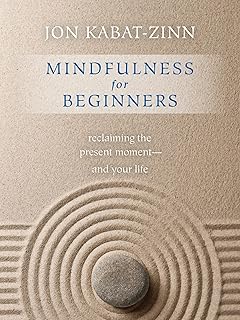
Holistic healing integrates spirituality, addressing mental health through body-mind-soul alignment
Spirituality, when woven into holistic healing, offers a transformative approach to mental health by addressing the intricate interplay of body, mind, and soul. Unlike conventional treatments that often isolate symptoms, holistic healing views mental health as a reflection of overall well-being, where spiritual practices such as meditation, mindfulness, and prayer act as catalysts for alignment. For instance, studies show that mindfulness meditation, practiced for 20–30 minutes daily, reduces cortisol levels by up to 25%, alleviating anxiety and depression. This integration of spirituality isn’t about replacing therapy or medication but enhancing their efficacy by fostering inner peace and purpose.
Consider the practice of yoga, a cornerstone of holistic healing, which combines physical postures, breath control, and meditation to harmonize body and mind. A 2020 study published in the *Journal of Clinical Psychology* found that participants practicing yoga for 60 minutes, three times a week, reported a 40% reduction in symptoms of PTSD and depression. The spiritual dimension of yoga—its emphasis on connecting with one’s inner self—amplifies its therapeutic effects, making it more than just exercise. Similarly, journaling with a spiritual focus, such as gratitude or reflection on life’s purpose, has been shown to improve emotional resilience in individuals aged 18–65.
However, integrating spirituality into holistic healing requires caution. Not all spiritual practices yield the same results for everyone, and cultural or personal beliefs can influence their effectiveness. For example, while chanting mantras may calm some, others might find it monotonous. It’s essential to tailor practices to individual needs, starting with small, consistent steps. Begin with 5–10 minutes of daily meditation, gradually increasing duration as comfort grows. Pair this with physical activities like tai chi or walking in nature to ground the experience in the body.
The soul’s role in this alignment cannot be overlooked. Spirituality often involves exploring existential questions or seeking a sense of belonging, which can alleviate feelings of emptiness or despair. Practices like guided visualization or participation in community rituals can nurture this aspect. For instance, group meditation sessions have been shown to enhance feelings of connection and reduce loneliness, particularly in older adults. Combining these practices with professional mental health support creates a comprehensive approach that honors the complexity of human experience.
In conclusion, holistic healing’s integration of spirituality isn’t a one-size-fits-all solution but a personalized journey toward balance. By addressing mental health through body-mind-soul alignment, it offers a sustainable path to healing. Start small, stay consistent, and remain open to discovering what resonates with your unique needs. Whether through yoga, meditation, or soulful reflection, spirituality can be a powerful ally in reclaiming mental well-being.
AI's Role in Mental Health: Support, Challenges, and Future Possibilities
You may want to see also
Frequently asked questions
Yes, spirituality can improve mental health by providing a sense of purpose, connection, and inner peace. Practices like meditation, prayer, or mindfulness often reduce stress, anxiety, and depression while fostering emotional resilience.
Spirituality focuses on personal beliefs, inner growth, and connection to something greater, which can be practiced independently of organized religion. Religion, on the other hand, involves structured beliefs, rituals, and community, which can also offer support but within a specific framework.
Yes, numerous studies show that spirituality can positively impact mental health. Research indicates it may lower symptoms of depression, improve coping mechanisms, and enhance overall well-being, though results vary based on individual beliefs and practices.