Harper Lewis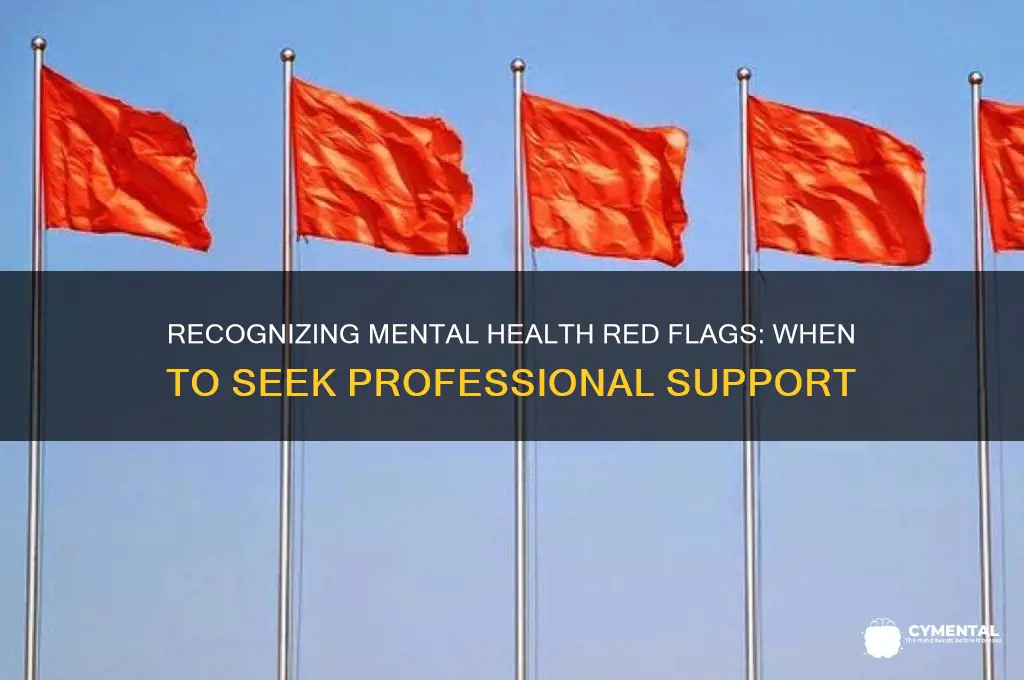
Mental health is an essential aspect of overall well-being, yet it is often overlooked or stigmatized, making it challenging for individuals to recognize when they need professional support. According to the World Health Organization (WHO), mental health encompasses emotional, psychological, and social well-being, influencing how we think, feel, and act. While it’s normal to experience occasional stress, anxiety, or sadness, persistent or severe symptoms such as prolonged sadness, difficulty functioning in daily life, or thoughts of self-harm may indicate a need for professional intervention. Seeking help from a mental health professional, such as a therapist, counselor, or psychiatrist, is a crucial step toward recovery and should be encouraged without hesitation. Recognizing the signs and knowing when to reach out can significantly improve outcomes and quality of life.
Explore related products


$6.79 $14.99


$9.79 $17.99


What You'll Learn

Persistent sadness or anxiety affecting daily life
Persistent sadness or anxiety that lingers beyond fleeting moments can signal a deeper issue requiring professional attention. Unlike temporary emotional responses to life’s challenges, these feelings become problematic when they persist for weeks or months, disrupting daily functioning. For instance, a person might find themselves unable to concentrate at work, withdraw from social activities, or struggle with basic tasks like eating or sleeping. The World Health Organization (WHO) emphasizes that such symptoms are not signs of weakness but indicators of potential mental health disorders like depression or generalized anxiety disorder, which often necessitate intervention.
Consider this scenario: a 32-year-old professional experiences unrelenting worry about job performance, leading to insomnia and frequent absences from work. Despite efforts to "snap out of it," the anxiety intensifies, affecting relationships and physical health. This is a clear example of when self-help strategies—like exercise or mindfulness—may not suffice. The WHO recommends seeking professional help when symptoms persist for two weeks or more, especially if they interfere with personal or professional responsibilities. Early intervention can prevent the condition from worsening and improve long-term outcomes.
From a practical standpoint, recognizing the need for help involves self-assessment and honesty. Ask yourself: *Has my sadness or anxiety lasted longer than a typical response to stress? Are these feelings preventing me from enjoying life or fulfilling obligations?* If the answer is yes, start by consulting a primary care physician or mental health professional. They can provide a diagnosis, recommend therapy (such as cognitive-behavioral therapy), or prescribe medication if necessary. For adults, antidepressants or anti-anxiety medications may be considered, but dosage and type should always be tailored by a healthcare provider. For adolescents, therapy is often the first-line treatment, with medication reserved for severe cases.
Comparatively, untreated persistent sadness or anxiety can lead to more severe consequences, such as chronic health conditions or suicidal ideation. For example, prolonged stress weakens the immune system, increasing susceptibility to illnesses like cardiovascular disease. Conversely, timely professional intervention can restore emotional balance and improve overall quality of life. The WHO highlights that mental health care is as essential as physical health care, yet stigma often delays treatment. Overcoming this barrier begins with acknowledging that seeking help is a proactive step toward recovery, not a sign of failure.
In conclusion, persistent sadness or anxiety that disrupts daily life is not something to endure silently. It demands attention and action. By recognizing the signs, seeking professional guidance, and following recommended treatments, individuals can reclaim their well-being. Remember, mental health is a vital component of overall health, and addressing these issues early can lead to a more fulfilling, functional life.
Naturopathic Approaches to Mental Health: Effective Support or Alternative?
You may want to see also
Explore related products


$15.99 $21.95


Sudden changes in behavior or mood
Sudden shifts in behavior or mood can be red flags signaling underlying mental health issues that require professional attention. These changes often manifest as abrupt alterations in personality, habits, or emotional responses, deviating sharply from an individual’s baseline. For instance, a typically outgoing person becoming withdrawn or a calm individual exhibiting explosive anger without apparent cause. Such transformations may indicate conditions like depression, anxiety, bipolar disorder, or even psychosis, particularly if they interfere with daily functioning. Recognizing these signs early is crucial, as timely intervention can prevent escalation and improve outcomes.
Analyzing the context of these changes is essential. Are they triggered by a specific event, such as trauma or loss, or do they appear without an obvious cause? While situational mood shifts are normal, persistent or unexplained alterations warrant concern. For example, a teenager suddenly refusing to attend school, an adult neglecting responsibilities, or a senior displaying uncharacteristic confusion could all be indicators of deeper issues. Tracking the duration and intensity of these changes helps differentiate between transient stress responses and symptoms of a mental health disorder.
Persuasively, it’s vital to act on these observations rather than dismissing them as "just a phase." Procrastinating professional help can exacerbate conditions, leading to long-term consequences like strained relationships, job loss, or self-harm. Practical steps include documenting observed behaviors, encouraging open conversations, and gently suggesting a mental health evaluation. For children or adolescents, consult a pediatrician or school counselor who can provide age-appropriate referrals. Adults may benefit from direct access to therapists, psychiatrists, or community mental health resources.
Comparatively, sudden behavioral changes in older adults deserve special attention, as they may overlap with symptoms of physical ailments like dementia or stroke. A 70-year-old suddenly becoming agitated or disoriented requires immediate medical assessment to rule out neurological issues before attributing the behavior solely to mental health. Similarly, in younger populations, substance abuse can mimic or contribute to mood disorders, necessitating dual diagnosis and treatment. Understanding these nuances ensures targeted and effective care.
Descriptively, imagine a scenario where a 35-year-old professional, previously punctual and composed, starts missing deadlines, snapping at colleagues, and isolating during lunch breaks. These changes, if sustained for two weeks or more, align with diagnostic criteria for major depressive disorder or generalized anxiety disorder. A spouse noticing their partner’s sudden insomnia, irritability, and loss of interest in hobbies might recognize symptoms of a manic or depressive episode. In both cases, urging professional consultation—whether through therapy, medication, or both—can be life-altering.
In conclusion, sudden changes in behavior or mood are not to be ignored. They demand proactive observation, empathetic communication, and informed decision-making. By understanding their potential significance and taking appropriate steps, individuals and their support systems can navigate these challenges effectively, fostering resilience and recovery.
Empowering Teens: Strategies to Navigate and Overcome Mental Health Challenges
You may want to see also
Explore related products


Thoughts of self-harm or suicide
Experiencing thoughts of self-harm or suicide is a critical signal that professional mental health intervention is urgently needed. These thoughts are not a sign of weakness or a character flaw but rather an indicator of severe emotional distress that requires immediate attention. Ignoring such thoughts can lead to irreversible consequences, making timely action essential. If you or someone you know is grappling with these feelings, reaching out to a mental health professional, crisis hotline, or trusted individual is a crucial first step.
Analyzing the nature of these thoughts reveals their complexity. They often stem from overwhelming feelings of hopelessness, isolation, or unbearable pain. Unlike fleeting moments of sadness, persistent thoughts of self-harm or suicide are a symptom of underlying mental health conditions such as depression, anxiety, or trauma. Recognizing this distinction is vital. For instance, a teenager experiencing prolonged feelings of worthlessness after academic failure or an adult struggling with chronic stress at work may begin to entertain such thoughts as a perceived escape. These scenarios underscore the importance of early intervention to address the root causes before they escalate.
A practical approach to managing these thoughts involves creating a safety plan. This plan should include steps like identifying triggers, listing coping strategies (e.g., deep breathing exercises, journaling), and keeping emergency contacts readily available. For example, a 24-hour crisis hotline like the National Suicide Prevention Lifeline (988 in the U.S.) can provide immediate support. Additionally, limiting access to potential means of self-harm, such as medications or sharp objects, is a tangible step to reduce risk. These measures, while not a substitute for professional help, can serve as a temporary safeguard.
Comparing self-help strategies to professional treatment highlights the limitations of the former. While self-help books, meditation apps, or support groups can offer temporary relief, they are insufficient for addressing suicidal ideation. Professional help, such as therapy (e.g., cognitive-behavioral therapy) or medication, targets the underlying issues systematically. For instance, antidepressants like selective serotonin reuptake inhibitors (SSRIs) may be prescribed under medical supervision to stabilize mood, but their dosage and efficacy vary by individual. This underscores the need for personalized treatment plans developed by qualified mental health providers.
In conclusion, thoughts of self-harm or suicide demand immediate and professional attention. They are not to be dismissed or managed alone. By recognizing their severity, creating a safety plan, and seeking expert help, individuals can navigate these dangerous waters toward recovery. Remember, reaching out is not a sign of defeat but a courageous step toward reclaiming mental well-being.
Seeking At-Home Mental Health Support: A Guide to Accessible Care
You may want to see also
Explore related products


Difficulty managing stress or emotions
Stress and emotional turmoil are inevitable parts of life, but when they become unmanageable, they can signal a deeper issue. Difficulty managing stress or emotions often manifests as persistent feelings of overwhelm, irritability, or numbness, even in situations that others handle with ease. For instance, a person might find themselves snapping at colleagues over minor issues or feeling paralyzed by anxiety before routine tasks. These reactions, when disproportionate or chronic, can disrupt daily functioning and indicate the need for professional intervention.
Consider the following scenario: a 32-year-old professional begins experiencing frequent panic attacks triggered by work deadlines, despite having managed similar pressures in the past. They also notice a growing inability to concentrate and a tendency to isolate themselves socially. Such changes suggest that their coping mechanisms are no longer sufficient, and stress has escalated into a mental health concern. The World Health Organization emphasizes that seeking help early can prevent minor issues from becoming major crises, highlighting the importance of recognizing these signs.
To address difficulty managing stress or emotions, start by implementing self-care strategies such as regular exercise, mindfulness practices, and adequate sleep. For example, dedicating 15–20 minutes daily to deep breathing exercises or progressive muscle relaxation can reduce physiological symptoms of stress. However, if these measures provide little relief after 2–4 weeks, it’s crucial to consult a mental health professional. Therapies like Cognitive Behavioral Therapy (CBT) are evidence-based approaches that teach individuals to reframe negative thought patterns and develop healthier emotional responses.
A comparative analysis reveals that untreated emotional dysregulation often leads to secondary issues, such as strained relationships or physical health problems like hypertension. Conversely, those who seek timely help report improved emotional resilience and overall well-being. For instance, a study published in the *Journal of Clinical Psychology* found that individuals who engaged in therapy for stress management experienced a 50% reduction in symptoms within 12 weeks. This underscores the transformative potential of professional support.
In conclusion, difficulty managing stress or emotions is not a sign of weakness but a common challenge that warrants attention. By combining self-care with professional guidance, individuals can regain control over their emotional lives and prevent long-term consequences. Remember, acknowledging the problem is the first step toward healing—and there’s no shame in asking for help.
Sweat for Serenity: Exercise's Powerful Impact on Mental Well-Being
You may want to see also
Explore related products


$10.49 $21


Physical symptoms without clear medical cause
Physical symptoms like chronic headaches, unexplained fatigue, or persistent gastrointestinal issues often baffle both patients and doctors. When blood tests, scans, and exams come back normal, the root cause may lie in mental health rather than physical illness. This phenomenon, known as somatization, occurs when psychological distress manifests as bodily symptoms. Recognizing this connection is crucial, as untreated mental health issues can exacerbate physical discomfort and vice versa.
Consider a 32-year-old professional experiencing daily migraines despite no neurological abnormalities. After months of painkillers and specialist visits, a mental health evaluation reveals high levels of workplace stress and anxiety. Cognitive behavioral therapy (CBT) and stress management techniques not only reduce migraine frequency but also improve overall well-being. This example underscores the importance of exploring mental health when physical symptoms lack a clear medical explanation.
To address such symptoms effectively, start by tracking their patterns. Note when they occur, their intensity, and any potential triggers. For instance, does fatigue spike after social interactions? Does stomach pain worsen during deadlines? Share this log with a healthcare provider to identify psychological links. Next, incorporate stress-reduction practices like mindfulness or yoga, aiming for 15–20 minutes daily. If symptoms persist, consult a mental health professional who specializes in psychophysiological disorders.
A cautionary note: dismissing physical symptoms as "all in your head" can delay necessary medical care. Always rule out underlying conditions before attributing symptoms to mental health. Conversely, over-medicalizing can lead to unnecessary procedures or medication dependency. Striking a balance requires collaboration between primary care physicians and mental health experts, ensuring a holistic approach to treatment.
In conclusion, physical symptoms without clear medical cause are not uncommon and often signal underlying mental health challenges. By acknowledging the mind-body connection, tracking symptom patterns, and seeking integrated care, individuals can address both the physical and psychological aspects of their health. Early intervention not only alleviates discomfort but also prevents long-term complications, fostering a healthier, more balanced life.
Emotional Support: A Lifeline for Mental Health in Tough Times
You may want to see also
Frequently asked questions
Signs include persistent feelings of sadness, anxiety, or hopelessness; difficulty functioning in daily life; changes in sleep or appetite; withdrawal from social activities; or thoughts of self-harm. If these symptoms last for two weeks or more, it’s advisable to consult a mental health professional.
Any level of distress that interferes with your quality of life is valid for seeking help. You don’t need to wait until your symptoms are severe. Early intervention can prevent worsening conditions and improve outcomes. Trust your instincts—if you feel something is wrong, it’s worth addressing.
Professionals include therapists, psychologists, psychiatrists, and counselors. Therapists and counselors provide talk therapy, psychologists offer assessments and therapy, and psychiatrists can prescribe medication. To find one, ask for referrals from your primary care doctor, use online directories, or contact your insurance provider for in-network options.