Harper Lewis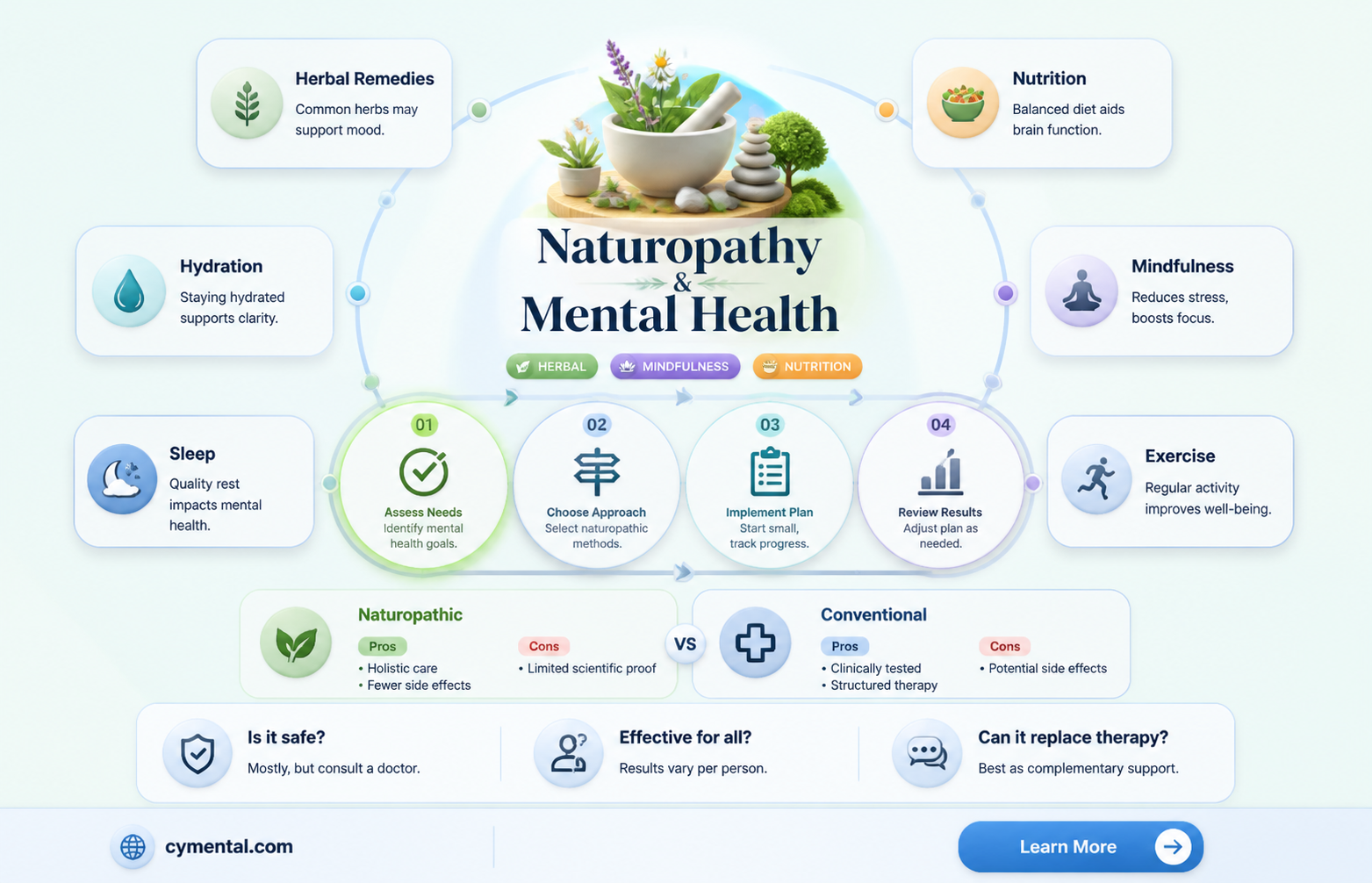
Naturopaths, who focus on holistic and natural approaches to health, are increasingly being considered as potential allies in addressing mental health concerns. By emphasizing the interconnectedness of physical, emotional, and mental well-being, naturopaths aim to identify and treat the root causes of mental health issues rather than just managing symptoms. They utilize a variety of tools, including dietary and lifestyle modifications, herbal remedies, stress management techniques, and nutritional supplements, to support mental health. While naturopathic care is not a replacement for traditional mental health treatments like therapy or medication, it can complement these approaches by promoting overall wellness and resilience. However, it’s essential to consult with a qualified healthcare provider to ensure a comprehensive and integrated approach to mental health care.
| Characteristics | Values |
|---|---|
| Holistic Approach | Naturopaths focus on treating the whole person, addressing physical, mental, emotional, and spiritual health. They aim to identify and treat the root causes of mental health issues rather than just symptoms. |
| Personalized Treatment Plans | Treatment is tailored to the individual, considering unique health history, lifestyle, and needs. This may include dietary changes, herbal remedies, supplements, and lifestyle modifications. |
| Stress Management Techniques | Naturopaths often incorporate stress reduction techniques such as mindfulness, meditation, yoga, and deep breathing exercises to support mental well-being. |
| Nutritional Support | Emphasis on diet and nutrition to support brain health, including recommendations for specific foods, elimination diets, or nutrient supplementation (e.g., omega-3s, vitamins D and B). |
| Herbal Medicine | Use of herbal remedies with potential mental health benefits, such as St. John’s Wort for depression, lavender for anxiety, or adaptogenic herbs like ashwagandha to manage stress. |
| Lifestyle Counseling | Guidance on sleep hygiene, exercise, and routine adjustments to improve mental health and overall quality of life. |
| Complementary to Conventional Care | Naturopathic treatments can complement traditional mental health therapies (e.g., medication, psychotherapy) but are not a replacement for evidence-based treatments. |
| Limited Scientific Evidence | While some naturopathic approaches show promise, many lack robust scientific evidence. It’s important to consult with a licensed healthcare provider for serious mental health conditions. |
| Focus on Prevention | Naturopaths emphasize preventive measures to maintain mental health, such as balancing hormones, reducing inflammation, and supporting gut health (gut-brain axis). |
| Mind-Body Connection | Recognition of the interplay between physical and mental health, often incorporating therapies like acupuncture, massage, or hydrotherapy to promote relaxation and healing. |
| Patient Empowerment | Encourages patients to take an active role in their health through education and self-care practices. |
| Regulation and Credentials | Naturopaths must be licensed in some regions, ensuring they meet specific educational and practice standards. Always verify credentials before seeking treatment. |
Explore related products



What You'll Learn

Naturopathic approaches to anxiety and stress management
Anxiety and stress are pervasive in modern life, often stemming from a combination of lifestyle, environmental, and genetic factors. Naturopathic approaches to managing these conditions focus on addressing root causes rather than merely alleviating symptoms. By integrating natural therapies, dietary adjustments, and lifestyle modifications, naturopaths aim to restore balance and promote long-term mental well-being. For instance, herbal remedies like ashwagandha and lavender have been shown to reduce cortisol levels, the body's primary stress hormone, offering a gentler alternative to pharmaceutical interventions.
One cornerstone of naturopathic anxiety and stress management is dietary intervention. Consuming a whole-foods diet rich in magnesium (found in spinach, almonds, and dark chocolate) and omega-3 fatty acids (from fatty fish like salmon) can significantly impact mood regulation. Conversely, reducing caffeine, refined sugars, and processed foods is essential, as these can exacerbate anxiety symptoms. For those struggling with stress, incorporating adaptogenic herbs like rhodiola or holy basil into daily routines—whether in tea, tincture, or supplement form—can enhance resilience to stressors. A typical dosage for ashwagandha, for example, ranges from 300 to 500 mg daily, though consultation with a naturopath is advised for personalized guidance.
Lifestyle modifications play an equally critical role in naturopathic care. Mind-body practices such as yoga, meditation, and deep-breathing exercises are frequently recommended to calm the nervous system. Even 10–15 minutes of daily mindfulness meditation can reduce anxiety over time. Physical activity is another powerful tool; regular exercise, particularly low-impact activities like walking or swimming, helps lower stress hormones and releases endorphins, the body’s natural mood lifters. Sleep hygiene is also emphasized, as poor sleep patterns can both result from and contribute to anxiety. Naturopaths often suggest establishing a bedtime routine, limiting screen time before bed, and using natural sleep aids like melatonin or valerian root.
While naturopathic approaches offer holistic benefits, they are not without considerations. For instance, herbal supplements can interact with medications, making professional oversight crucial. Additionally, results may take weeks or months to manifest, requiring patience and commitment. For individuals with severe anxiety or co-occurring conditions, naturopathic methods should complement, not replace, conventional treatments. However, for those seeking a natural, preventive approach, these strategies provide a sustainable pathway to managing stress and anxiety effectively. By addressing the interconnectedness of mind and body, naturopathic care empowers individuals to take proactive steps toward mental health resilience.
Texas State Services for Mentally Disabled Individuals: Available Resources and Support
You may want to see also
Explore related products


Herbal remedies for depression and mood disorders
Herbal remedies have been used for centuries to address mental health concerns, and their role in managing depression and mood disorders is gaining attention in both traditional and integrative medicine circles. While pharmaceutical interventions remain a cornerstone of treatment, many individuals seek natural alternatives or complementary options. Naturopaths often recommend specific herbs backed by emerging research and historical use, offering a holistic approach that considers the interplay between physical and mental well-being.
One of the most studied herbs for depression is St. John’s Wort (*Hypericum perforatum*). Clinical trials suggest it may be as effective as some antidepressants for mild to moderate depression, particularly in reducing symptoms like sadness, anxiety, and sleep disturbances. The typical dosage is 300–600 mg of standardized extract (0.3% hypericin content) taken two to three times daily. However, caution is advised, as St. John’s Wort can interact with medications, including birth control pills, anticoagulants, and SSRIs, potentially reducing their efficacy or causing serotonin syndrome. It’s also not recommended for severe depression or bipolar disorder without medical supervision.
Another herb gaining traction is Rhodiola rosea, an adaptogen known for its ability to combat stress and fatigue while improving mood. Studies indicate that doses of 200–600 mg daily, standardized to 3% rosavins and 1% salidroside, can alleviate symptoms of mild depression and burnout. Unlike St. John’s Wort, Rhodiola is less likely to interact with medications, making it a safer option for those on concurrent treatments. However, it may cause insomnia if taken late in the day, so morning or midday dosing is recommended.
For those seeking a calming effect alongside mood stabilization, Lavender (*Lavandula angustifolia*) offers a gentle yet effective solution. Inhaling lavender essential oil or taking oral capsules (80 mg daily) has been shown to reduce anxiety and improve mood in individuals with mild to moderate depression. Its anxiolytic properties are particularly beneficial for those whose depression is accompanied by restlessness or insomnia. However, topical use of essential oils should be diluted to avoid skin irritation, and oral supplements should be sourced from reputable manufacturers to ensure purity.
While these herbs show promise, their use requires careful consideration. Herbal remedies are not one-size-fits-all, and individual responses can vary based on factors like genetics, diet, and lifestyle. Naturopaths often emphasize the importance of combining herbal treatments with dietary changes, stress management techniques, and regular physical activity for optimal results. For instance, pairing Rhodiola with a low-inflammatory diet rich in omega-3 fatty acids may enhance its mood-stabilizing effects.
In conclusion, herbal remedies like St. John’s Wort, Rhodiola, and Lavender offer viable options for managing depression and mood disorders, particularly for those seeking natural alternatives. However, their use should be guided by a qualified practitioner to ensure safety, efficacy, and compatibility with existing treatments. As research continues to evolve, these herbs may become increasingly integrated into mainstream mental health care, bridging the gap between traditional wisdom and modern medicine.
Journaling for Mental Health: Unlocking Emotional Healing and Self-Discovery
You may want to see also
Explore related products


Lifestyle changes for mental well-being
Mental health struggles often stem from a complex interplay of biological, psychological, and environmental factors. Naturopaths approach this complexity holistically, viewing the mind and body as interconnected. They emphasize lifestyle modifications as a cornerstone of treatment, recognizing that small, consistent changes can yield significant improvements in mental well-being. This approach aligns with growing research highlighting the impact of diet, sleep, exercise, and stress management on mental health.
While medication and therapy are crucial for many, naturopathic interventions offer complementary strategies that empower individuals to actively participate in their healing process.
Consider your daily routine as a foundation for mental well-being. Start by prioritizing sleep. Aim for 7-9 hours of uninterrupted sleep each night. Establish a consistent sleep schedule, even on weekends. Create a relaxing bedtime routine, avoiding screens for at least an hour before bed. Incorporate magnesium-rich foods like leafy greens, nuts, and seeds into your diet, as magnesium promotes relaxation and sleep quality. If needed, consult a naturopath about natural sleep aids like valerian root or melatonin, ensuring proper dosage and suitability for your individual needs.
Remember, adequate sleep is not a luxury; it's a necessity for emotional regulation, cognitive function, and overall mental resilience.
Diet plays a pivotal role in mental health. Reduce processed foods, refined sugars, and inflammatory fats, which can exacerbate mood disorders. Instead, focus on whole, unprocessed foods rich in omega-3 fatty acids (found in fatty fish, flaxseeds, and walnuts), complex carbohydrates (whole grains, legumes), and antioxidants (berries, leafy greens). Consider incorporating fermented foods like yogurt and kimchi for gut health, as a healthy gut microbiome is increasingly linked to improved mental well-being. A naturopath can guide you in identifying food sensitivities and creating a personalized nutrition plan tailored to your specific needs and preferences.
Think of food as medicine, nourishing your brain and body for optimal mental functioning.
Physical activity is a powerful tool for managing stress, anxiety, and depression. Aim for at least 30 minutes of moderate-intensity exercise most days of the week. Choose activities you enjoy, whether it's walking, dancing, swimming, or yoga. Exercise releases endorphins, natural mood boosters, and reduces stress hormones like cortisol. Incorporate mindfulness into your workouts by focusing on your breath and bodily sensations. If you're new to exercise, start slowly and gradually increase intensity. A naturopath can recommend specific exercises or movement therapies based on your fitness level and mental health goals.
Remember, movement doesn't have to be strenuous to be beneficial; consistency is key.
Stress management is essential for long-term mental well-being. Naturopaths often recommend mindfulness practices like meditation, deep breathing exercises, or yoga. These practices train your mind to focus on the present moment, reducing anxiety and promoting relaxation. Start with short sessions (5-10 minutes) and gradually increase duration. Incorporate stress-reducing activities into your daily routine, such as spending time in nature, journaling, or engaging in hobbies you enjoy. A naturopath can teach you specific techniques like progressive muscle relaxation or guided imagery to further enhance your stress management toolkit.
View stress management as a skill to be cultivated, not a luxury to be indulged in occasionally. By prioritizing these lifestyle changes, you can actively contribute to your mental well-being and create a foundation for a healthier, happier life.
Supporting the Mentally Handicapped: Are Current Efforts Truly Making a Difference?
You may want to see also
Explore related products


Mind-body techniques like meditation and yoga
Naturopaths often integrate mind-body techniques like meditation and yoga into their treatment plans to address mental health concerns. These practices are rooted in the principle that mental and physical health are interconnected, and by nurturing one, you can positively influence the other. For instance, a 2014 study published in the *Journal of Clinical Psychology* found that mindfulness meditation can reduce symptoms of anxiety and depression by up to 30%. This highlights the potential of such techniques as complementary tools in mental health care.
To incorporate meditation into your routine, start with just 5–10 minutes daily. Find a quiet space, sit comfortably, and focus on your breath. When your mind wanders (which it will), gently bring your attention back to your breath. Apps like Headspace or Calm can guide beginners, offering structured sessions tailored to stress reduction, sleep improvement, or emotional balance. Consistency is key—aim to practice at the same time each day to build a habit. For children or teens, shorter sessions (3–5 minutes) with visual aids or guided imagery can make meditation more accessible and engaging.
Yoga, another cornerstone of mind-body practices, combines physical postures, breath control, and meditation to promote mental clarity and emotional stability. A 2017 study in the *Journal of Alternative and Complementary Medicine* showed that participants practicing yoga twice weekly for 8 weeks experienced significant reductions in stress and anxiety. For optimal benefits, choose a style suited to your needs: Hatha for relaxation, Vinyasa for energy, or Yin for deep stretching and mindfulness. Beginners should attend a few classes with a certified instructor to learn proper alignment and avoid injury. At-home practice can be supported by online videos or apps like Yoga with Adriene, which offers routines for all levels.
While these techniques are generally safe, it’s important to approach them mindfully. Meditation can occasionally bring up difficult emotions, so start slowly and consider working with a therapist if you have a history of trauma. Yoga, though gentle, requires awareness of physical limitations—modify poses as needed, especially if you have joint issues or chronic pain. Pregnant individuals should opt for prenatal yoga classes to ensure safety. Always consult a healthcare provider before starting any new regimen, particularly if you’re managing a mental health condition.
The beauty of mind-body techniques lies in their accessibility and adaptability. Whether you’re a busy professional, a student, or a senior, meditation and yoga can be tailored to fit your lifestyle. Pairing these practices with naturopathic guidance—such as dietary adjustments or herbal remedies—can create a holistic approach to mental wellness. By addressing both the mind and body, you’re not just managing symptoms but fostering resilience and balance for long-term mental health.
Social Workers' Role in Mental Health Support: Impact and Challenges
You may want to see also
Explore related products


$14.99 $15.89


Nutritional strategies to support mental health
Nutritional deficiencies can exacerbate mental health issues, and addressing these gaps is a cornerstone of naturopathic care. For instance, low levels of omega-3 fatty acids, commonly found in fatty fish like salmon and flaxseeds, have been linked to increased anxiety and depression. A 2019 meta-analysis published in the *Journal of Clinical Psychiatry* found that omega-3 supplementation significantly reduced symptoms of depression, particularly in individuals with diagnosed clinical depression. To incorporate this, aim for 2–3 servings of fatty fish per week or consider a high-quality fish oil supplement providing 1,000–2,000 mg of EPA and DHA daily.
The gut-brain axis is another critical area where nutrition intersects with mental health. A diet rich in prebiotic and probiotic foods can foster a healthy gut microbiome, which in turn supports emotional well-being. Fermented foods like kimchi, kefir, and sauerkraut are excellent sources of probiotics, while prebiotics can be found in garlic, onions, and bananas. For those struggling with mood disorders, a naturopath might recommend a daily probiotic supplement containing *Lactobacillus* and *Bifidobacterium* strains, alongside dietary adjustments to reduce processed foods and sugars that disrupt gut health.
Magnesium, often referred to as the "relaxation mineral," plays a vital role in regulating stress and anxiety. Studies suggest that up to 50% of adults in the U.S. consume less than the recommended daily intake of magnesium. Incorporating magnesium-rich foods like spinach, almonds, and dark chocolate can help, but supplementation may be necessary for some. A typical dose ranges from 200–400 mg of magnesium glycinate or citrate before bed, which can also improve sleep quality—a key factor in mental health.
Finally, the role of blood sugar stability cannot be overstated. Fluctuations in blood glucose levels can lead to irritability, anxiety, and brain fog. Naturopaths often advise clients to focus on balanced meals that combine complex carbohydrates, lean proteins, and healthy fats. For example, pairing oatmeal (complex carb) with almond butter (healthy fat) and a sprinkle of chia seeds (protein and omega-3s) can provide sustained energy and mood support. Avoiding sugary snacks and beverages is equally important, as they can trigger rapid spikes and crashes in blood sugar.
Incorporating these nutritional strategies requires a personalized approach, as individual needs vary based on factors like age, lifestyle, and existing health conditions. A naturopath can provide tailored guidance, ensuring that dietary changes and supplements complement other mental health treatments. While nutrition alone may not resolve severe mental health issues, it is a powerful tool in a holistic approach to emotional well-being.
Nurturing Mental Well-Being: Essential Strategies for a Healthier Mind
You may want to see also
Frequently asked questions
Yes, a naturopath can help manage mental health conditions by addressing underlying causes through lifestyle changes, nutrition, herbal medicine, and stress-reduction techniques, often complementing conventional treatments.
Naturopaths use holistic approaches such as dietary modifications, supplements, mindfulness practices, exercise recommendations, and herbal remedies to support mental well-being.
Naturopathic care is not a replacement for traditional therapy or medication but can be used alongside these treatments to enhance overall mental health and address root causes.
Many naturopathic treatments, such as omega-3 supplements, St. John’s wort, and mindfulness practices, have scientific support, though evidence varies by approach and individual needs.
Naturopaths often collaborate with psychiatrists, therapists, and other healthcare providers to create integrated treatment plans that address both physical and mental health aspects.