Lucas Bennett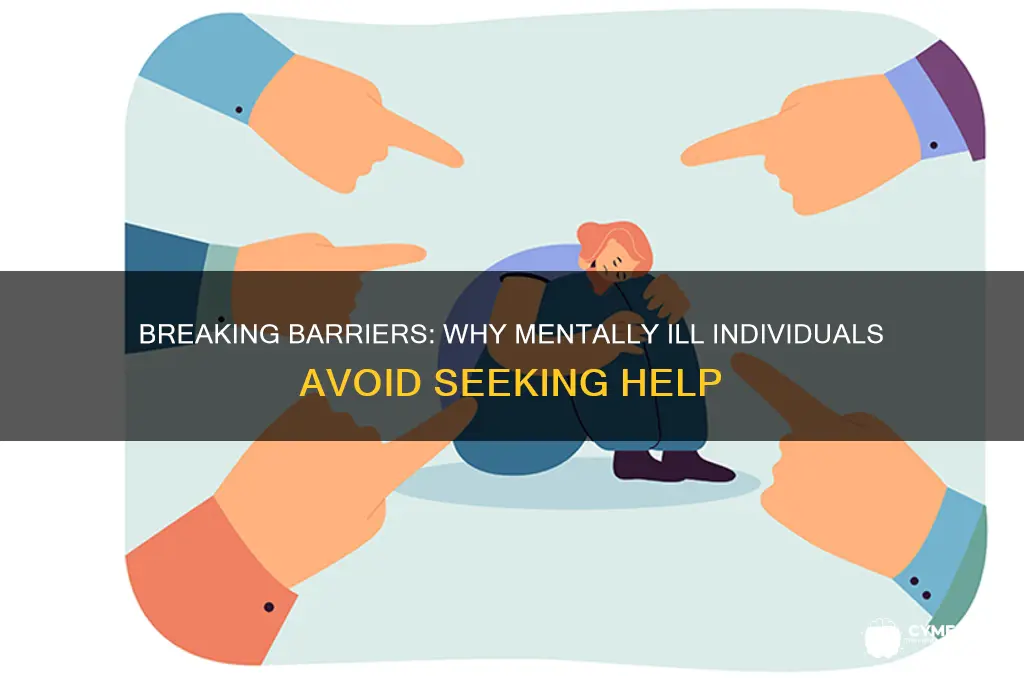
Many individuals with mental illness often face significant barriers to seeking and receiving help, stemming from a complex interplay of societal stigma, lack of awareness, and systemic challenges. Stigma surrounding mental health can lead to feelings of shame or fear of judgment, discouraging people from openly discussing their struggles. Additionally, limited access to affordable and quality mental health services, coupled with long wait times and shortages of mental health professionals, further exacerbates the issue. Misconceptions about mental illness, such as believing it to be a sign of weakness or something one can overcome without professional intervention, also contribute to reluctance in seeking help. Financial constraints, lack of insurance coverage, and insufficient community support systems further hinder access to care. Addressing these barriers requires a multifaceted approach, including public education, policy reforms, and increased investment in mental health resources to ensure that those in need can access timely and effective support.
Explore related products


What You'll Learn
- Stigma and Discrimination: Fear of judgment, shame, and societal prejudice deter individuals from seeking mental health support
- Lack of Awareness: Many are unaware of available resources, symptoms, and the importance of early intervention
- Financial Barriers: High costs of therapy, medication, and limited insurance coverage make treatment inaccessible
- Fear of Diagnosis: Anxiety about being labeled or misdiagnosed prevents people from reaching out
- Systemic Barriers: Long wait times, limited access to professionals, and inadequate healthcare infrastructure hinder help-seeking

Stigma and Discrimination: Fear of judgment, shame, and societal prejudice deter individuals from seeking mental health support
Stigma acts as an invisible barrier, trapping individuals with mental health struggles in a cycle of silence and isolation. Consider this: a 2017 survey by the National Alliance on Mental Illness (NAMI) revealed that 60% of adults with mental illness didn’t seek treatment in the past year, with stigma cited as a leading reason. This isn’t merely about discomfort; it’s about the tangible fear of being labeled, ostracized, or deemed "weak." For instance, a young professional might avoid therapy for anxiety, fearing colleagues will question their competence, while a teenager battling depression may stay silent to escape the "attention-seeker" label. These scenarios illustrate how stigma transforms a personal struggle into a public liability, deterring people from accessing life-changing support.
To dismantle this barrier, start by normalizing conversations about mental health in everyday settings. Employers can lead by offering anonymous mental health resources and sharing leadership stories of resilience. Schools should integrate mental health education into curricula, framing it as essential as physical health. For individuals, small acts like using neutral language ("I’m struggling today" instead of "I’m crazy") can reduce self-stigma. Practical tools, such as NAMI’s StigmaFree toolkit, provide actionable steps to challenge stereotypes. Remember, stigma thrives on silence—breaking it begins with one honest conversation at a time.
Compare the treatment of physical versus mental health to grasp the depth of societal prejudice. A broken leg earns sympathy and support; a panic disorder often invites skepticism or dismissal. This double standard perpetuates the myth that mental illness is a choice or a flaw, not a medical condition. For example, a study in *Psychiatric Services* found that 46% of respondents believed individuals with mental illness were unpredictable, fueling avoidance and discrimination. Such misconceptions create a hostile environment where seeking help feels riskier than suffering in silence. To counter this, advocate for media representation that humanizes mental illness, showcasing recovery stories rather than sensationalizing crises.
Finally, address internalized shame, a silent saboteur that convinces individuals they’re unworthy of help. A person with PTSD might believe, "I should be stronger," while someone with bipolar disorder may feel, "I’m a burden." These self-judgments stem from absorbing societal stigma over time. To combat this, encourage self-compassion practices, such as journaling affirmations or seeking peer support groups where shared experiences foster acceptance. Therapists can play a role by framing mental health care as an act of courage, not admission of failure. The takeaway? Shame loses its grip when met with empathy—both from others and oneself.
Instructively, here’s a three-step plan to challenge stigma at the community level: First, organize awareness campaigns that pair facts with personal narratives, like "1 in 5 adults experiences mental illness—here’s my story." Second, train local leaders (teachers, clergy, employers) in Mental Health First Aid to recognize and respond to crises without judgment. Third, lobby for policies that protect against discrimination in housing, employment, and healthcare. These actions create a safety net, signaling that seeking help is not just acceptable but encouraged. Stigma may be deeply rooted, but with persistence, it can be uprooted—one mind, one community at a time.
Accessing Mental Health Support Without Insurance: Affordable Options and Resources
You may want to see also
Explore related products


Lack of Awareness: Many are unaware of available resources, symptoms, and the importance of early intervention
A staggering number of individuals struggling with mental health issues never seek help, often due to a lack of awareness about available resources, symptoms, and the critical importance of early intervention. This knowledge gap perpetuates suffering and prevents timely, effective treatment. Many people simply don’t recognize the signs of mental illness in themselves or others, mistaking them for temporary stress or personality quirks. For instance, persistent sadness might be dismissed as "just a phase," while anxiety could be labeled as "overthinking." Without understanding these as potential symptoms, individuals are unlikely to seek the help they need.
Consider the case of a 28-year-old professional who experiences frequent panic attacks but believes they are simply "not cut out for high-pressure jobs." Without awareness that these episodes could be symptoms of an anxiety disorder, they may never consult a mental health professional. Similarly, a teenager exhibiting irritability and social withdrawal might be labeled as "moody" by parents and teachers, delaying intervention for depression. This lack of recognition is compounded by the absence of widespread education on mental health, leaving many in the dark about what constitutes a mental health issue and when to seek help.
Early intervention is a game-changer in mental health treatment, yet its importance is often overlooked. Research shows that untreated mental health conditions can worsen over time, leading to more severe symptoms and complications. For example, untreated depression can increase the risk of suicidal ideation, while unmanaged anxiety can evolve into debilitating panic disorder. Practical steps to address this include integrating mental health education into school curricula, workplace training programs, and public health campaigns. Teaching individuals to recognize symptoms—such as changes in sleep patterns, appetite, or social behavior—can empower them to seek help sooner rather than later.
To bridge the awareness gap, actionable strategies are essential. Start by familiarizing yourself with local mental health resources, such as crisis hotlines, counseling services, and support groups. Websites like the National Alliance on Mental Illness (NAMI) offer comprehensive guides to symptoms and treatment options. For parents and educators, tools like the Columbia Suicide Severity Rating Scale can help identify at-risk youth. Additionally, leveraging technology, such as mental health apps or online therapy platforms, can make accessing care more convenient and less intimidating.
Ultimately, addressing the lack of awareness requires a collective effort. Governments, healthcare providers, and communities must work together to destigmatize mental health conversations and promote accessible information. By fostering a culture of understanding and early intervention, we can ensure that fewer individuals slip through the cracks, untreated and unsupported. Awareness isn’t just about knowing—it’s about acting on that knowledge to save lives.
Zumba's Mental Health Benefits: Dance Your Way to Wellness
You may want to see also
Explore related products


Financial Barriers: High costs of therapy, medication, and limited insurance coverage make treatment inaccessible
The financial burden of mental health treatment is a silent crisis, pushing many into a corner where they must choose between their well-being and financial stability. Imagine a single parent, working two jobs, who notices their teenager’s deepening depression but cannot afford the $150 weekly therapy sessions or the $200 monthly prescription for antidepressants. This isn’t an edge case—it’s a common reality. In the U.S., nearly 10% of individuals with mental illness report cost as the primary barrier to care, according to the National Alliance on Mental Illness (NAMI). For those without insurance, the situation is dire: a single psychiatric consultation can cost upwards of $300, and medication prices often fluctuate based on insurance coverage or lack thereof.
Consider the mechanics of insurance coverage, which often feels like navigating a labyrinth. Many plans cap therapy sessions at 20 per year or exclude certain medications from their formulary, forcing patients to pay out-of-pocket for alternatives. For instance, a selective serotonin reuptake inhibitor (SSRI) like sertraline might cost $4 with insurance but jump to $100 without it. Even with coverage, high deductibles and copays can make treatment feel out of reach. A 2021 study found that 25% of insured individuals skipped medication doses or therapy sessions due to cost, risking relapse or symptom escalation. This isn’t just about money—it’s about systemic failures that treat mental health as a luxury rather than a necessity.
To address this, practical steps can make a difference, though they’re not foolproof. First, research sliding-scale clinics or community health centers, which adjust fees based on income. For example, a therapist might charge $60 instead of $150 for low-income clients. Second, explore medication assistance programs like RxAssist or NeedyMeds, which offer discounts or free prescriptions for qualifying individuals. Third, advocate for policy change: support legislation that mandates comprehensive mental health coverage under insurance plans, as seen in the Mental Health Parity and Addiction Equity Act, which is often underenforced. Finally, consider telehealth platforms, which can reduce costs by eliminating travel expenses and offering lower session fees, though they may not suit severe cases requiring in-person care.
The takeaway is clear: financial barriers aren’t just about affordability—they’re about equity. Until mental health care is treated as essential and accessible, countless individuals will remain untreated, not by choice, but by circumstance. The system demands reform, but in the meantime, knowing where to turn—sliding-scale clinics, assistance programs, telehealth—can be a lifeline. It’s not a perfect solution, but it’s a start.
Dogs and Mental Health: How Canines Provide Emotional Support and Healing
You may want to see also
Explore related products


Fear of Diagnosis: Anxiety about being labeled or misdiagnosed prevents people from reaching out
The fear of being labeled with a mental health condition is a powerful deterrent, often rooted in the stigma that persists despite growing awareness. Imagine a young professional, let’s call her Sarah, who experiences persistent anxiety but avoids seeking help because she fears being seen as "weak" or "unstable." This stigma isn’t just personal; it’s systemic, embedded in workplaces, schools, and even families. Studies show that 40% of individuals with mental health symptoms delay treatment due to concerns about societal judgment. The label itself can feel like a scarlet letter, altering how others perceive and interact with the individual, often leading to discrimination in professional and social settings.
Now, consider the anxiety surrounding misdiagnosis. Mental health diagnoses are complex, relying heavily on self-reported symptoms and clinical judgment. A misdiagnosis could mean inappropriate treatment, such as being prescribed antidepressants for bipolar disorder, which can exacerbate symptoms. For instance, a 2019 study found that up to 20% of patients initially diagnosed with depression later received a bipolar disorder diagnosis. This uncertainty creates a paralyzing fear: *What if I’m not accurately understood? What if the treatment makes things worse?* For many, the risk feels too great, and they choose to endure their struggles silently rather than face potential harm.
To address this fear, mental health professionals must prioritize transparency and collaboration in the diagnostic process. Start by educating patients about the steps involved in diagnosis, emphasizing that it’s an iterative process, not a one-time judgment. For example, a therapist might explain, "We’ll begin with a broad assessment, and as we gather more information, we’ll refine our understanding together." Practical tips include asking patients to keep a symptom journal, which provides concrete data and empowers them to participate actively in their care. Additionally, offering second opinions or involving multidisciplinary teams can reduce the risk of misdiagnosis and build trust.
Finally, destigmatizing mental health labels requires a cultural shift, but individuals can take proactive steps. Encourage open conversations about mental health in everyday settings, normalizing the idea that seeking help is a sign of strength, not weakness. For parents, this might mean discussing emotions openly with children, while employers can implement policies that support mental health without judgment. By reframing the narrative around diagnosis—from a feared label to a tool for understanding and healing—we can dismantle the barriers that prevent people like Sarah from reaching out. The goal isn’t to eliminate fear entirely but to make the prospect of help more compelling than the anxiety of staying silent.
Micro Minerals: Unlocking Mental Health Treatment and Disorder Control
You may want to see also
Explore related products





Systemic Barriers: Long wait times, limited access to professionals, and inadequate healthcare infrastructure hinder help-seeking
Long wait times for mental health services are a systemic failure that discards patients before they even begin treatment. In Canada, for instance, the average wait time to see a psychiatrist can exceed 12 months in some regions. This delay is not merely an inconvenience; it’s a critical juncture where individuals may lose hope, worsen their condition, or abandon care altogether. Imagine breaking a bone and being told to wait a year for treatment—the absurdity highlights the disparity in how physical and mental health are prioritized. Such delays are often rooted in underfunding and a shortage of professionals, creating a bottleneck that leaves vulnerable populations stranded.
Limited access to mental health professionals exacerbates this crisis, particularly in rural or underserved areas. In the U.S., nearly 132 million people live in areas with a shortage of mental health providers. Telehealth has emerged as a partial solution, but it’s not a panacea. Many lack reliable internet, digital literacy, or the privacy needed for virtual sessions. Even in urban areas, specialists often prioritize private practices, leaving public systems understaffed. This scarcity forces individuals to navigate a labyrinth of referrals, self-pay options, or simply go without care. The result? A two-tiered system where access to mental health care is a privilege, not a right.
Inadequate healthcare infrastructure compounds these issues, particularly in low-income countries where mental health budgets can be as low as 1% of total health expenditure. Even in wealthier nations, mental health facilities are often outdated, overcrowded, or nonexistent. For example, in the UK, nearly 20% of mental health beds were cut between 2010 and 2018. This lack of physical space translates to shorter appointments, rushed diagnoses, and a reliance on medication over therapy. Without robust infrastructure, even the most well-intentioned policies fail to translate into meaningful care.
To dismantle these barriers, systemic change is non-negotiable. Governments must increase funding, incentivize professionals to work in underserved areas, and integrate mental health into primary care. Practical steps include expanding loan forgiveness programs for mental health providers, mandating insurance parity for mental and physical health, and investing in community-based clinics. Individuals can advocate by contacting representatives, supporting mental health organizations, and normalizing conversations about care. Until these barriers are addressed, the promise of accessible mental health care will remain an unfulfilled promise, leaving millions to suffer in silence.
Supporting Her Journey: Practical Ways to Aid Girls' Mental Health
You may want to see also
Frequently asked questions
Many avoid seeking help due to stigma, fear of judgment, lack of awareness about their condition, financial barriers, or limited access to mental health services.
Stigma creates shame, embarrassment, and fear of being labeled, leading individuals to hide their struggles and avoid seeking treatment to protect their reputation or relationships.
Many people may not recognize their symptoms as signs of mental illness or may not know where to turn for help, leading to delays or avoidance of treatment.