Noah Parker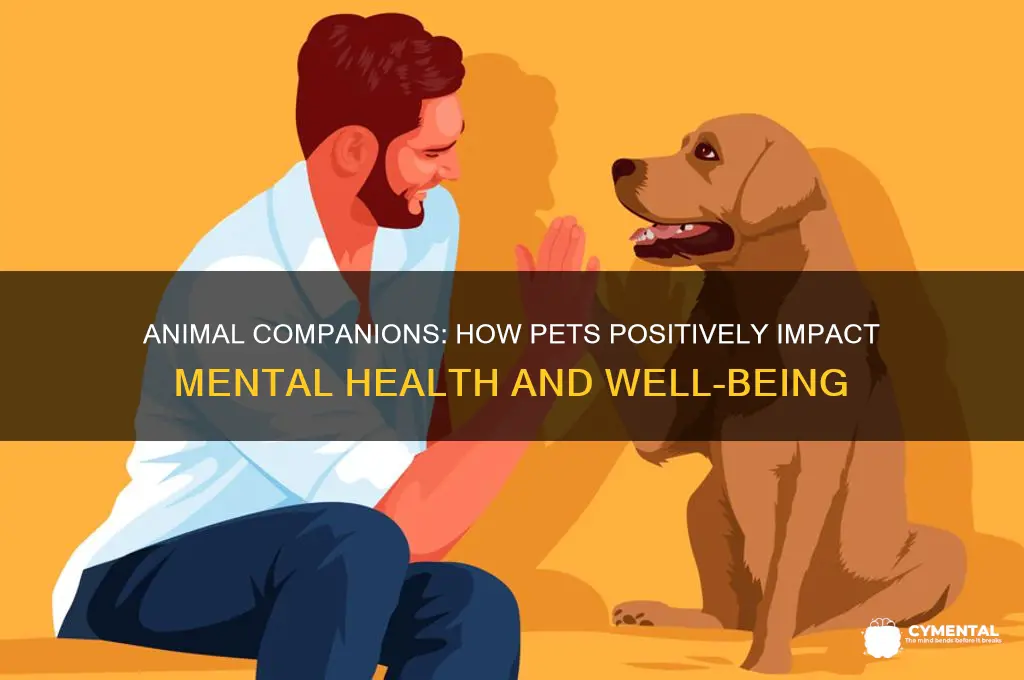
Animals have long been recognized as powerful allies in supporting mental health, offering unique benefits that complement traditional therapeutic approaches. Their presence alone can reduce stress and anxiety, as interactions with pets release oxytocin, a hormone associated with bonding and relaxation, while lowering cortisol, the stress hormone. Beyond companionship, animals provide unconditional love and non-judgmental support, creating a sense of security and emotional stability for individuals struggling with mental health issues. Service animals, such as therapy dogs, are specifically trained to assist with conditions like depression, PTSD, and anxiety, offering practical help and emotional reassurance. Additionally, caring for an animal fosters a sense of purpose and routine, which can be particularly beneficial for those dealing with feelings of isolation or low self-worth. Whether through the calming purr of a cat, the playful energy of a dog, or the gentle presence of a horse in equine therapy, animals play a vital role in improving mental well-being and enhancing overall quality of life.
Explore related products


What You'll Learn
- Emotional Support: Animals provide comfort, reduce loneliness, and foster emotional connection, improving mental well-being
- Stress Reduction: Interacting with pets lowers cortisol levels, promoting relaxation and reducing anxiety
- Routine & Purpose: Caring for animals creates structure, giving individuals a sense of responsibility and meaning
- Social Interaction: Pets encourage conversations and connections, combating isolation and boosting social engagement
- Physical Activity: Walking or playing with animals increases exercise, releasing endorphins and enhancing mood

Emotional Support: Animals provide comfort, reduce loneliness, and foster emotional connection, improving mental well-being
Animals have an unparalleled ability to provide emotional support, often acting as silent confidants who offer comfort without judgment. Unlike human interactions, which can be complicated by expectations or misunderstandings, the bond between a person and their pet is straightforward and unconditional. For instance, a dog’s wagging tail or a cat’s purring presence can instantly soothe anxiety, creating a sense of safety and calm. This immediate emotional relief is particularly valuable for individuals facing mental health challenges, as it provides a grounding effect in moments of distress. Studies show that even brief interactions with animals can lower cortisol levels, the hormone associated with stress, by as much as 10–24%.
Loneliness is a pervasive issue in modern society, exacerbated by factors like remote work, social isolation, or life transitions. Animals act as natural antidotes to this loneliness by providing consistent companionship. For older adults, who are disproportionately affected by isolation, having a pet can mean the difference between feeling forgotten and feeling needed. A cat’s daily routine or a dog’s reliance on their owner for walks creates structure and purpose, combating the aimlessness that often accompanies loneliness. Research indicates that pet owners report significantly lower levels of loneliness compared to non-pet owners, with 85% of respondents in one study citing their pet as a primary source of emotional support.
Emotional connection is another critical aspect of how animals improve mental well-being. Pets foster non-verbal communication, allowing individuals to express and receive affection without the pressure of words. This is especially beneficial for those who struggle with verbalizing their emotions, such as children or individuals with autism. For example, a therapy horse’s gentle nudge or a rabbit’s soft fur can convey comfort and understanding in ways that transcend language. Such connections not only reduce feelings of isolation but also build self-esteem and empathy, as caring for another living being reinforces a sense of responsibility and worth.
To maximize the emotional support animals provide, consider practical steps like establishing a routine that includes dedicated time for bonding, such as daily walks or grooming sessions. For those with anxiety or depression, incorporating pets into mindfulness practices—like petting a cat during meditation—can enhance relaxation. Additionally, selecting the right animal for your lifestyle is crucial; low-maintenance pets like fish or hamsters may suit busy individuals, while more active dogs can encourage physical activity and social interaction. Regardless of the pet, the key is consistency in interaction, as regular engagement deepens the emotional bond and amplifies the mental health benefits.
While animals offer profound emotional support, it’s important to acknowledge that they are not a substitute for professional mental health treatment. However, when integrated into a holistic approach, pets can significantly enhance therapeutic outcomes. For instance, animal-assisted therapy has been shown to improve mood and reduce symptoms of depression and anxiety in clinical settings. By combining the unconditional love of animals with evidence-based interventions, individuals can experience a more comprehensive and sustainable improvement in their mental well-being. In this way, pets become not just companions, but partners in the journey toward emotional health.
Moderate Alcohol Consumption: Boosting Mental Function or Myth?
You may want to see also
Explore related products

$29.67 $39.95


$65.7 $74.95

$17.99 $17.99


Stress Reduction: Interacting with pets lowers cortisol levels, promoting relaxation and reducing anxiety
Cortisol, often dubbed the "stress hormone," spikes in response to pressure, triggering a cascade of physiological reactions. Interacting with pets, however, has been shown to significantly lower cortisol levels, offering a natural antidote to stress. Studies reveal that spending just 15–30 minutes with a dog or cat can reduce cortisol by up to 25%, promoting a state of relaxation. This biochemical shift isn’t merely anecdotal; it’s backed by research demonstrating the profound impact of animal companionship on our hormonal balance.
Consider this: when you pet a dog or stroke a cat, your body responds by releasing oxytocin, the "feel-good" hormone, while simultaneously suppressing cortisol. This dual action creates a calming effect, akin to a physiological reset button. For instance, a study published in the *Journal of Behavioral Medicine* found that pet owners exhibited lower cortisol levels during stressful tasks compared to non-pet owners. The takeaway? Incorporating brief, intentional interactions with pets into your daily routine can serve as a practical stress-management tool, particularly for adults aged 18–65 who face chronic stressors like work or caregiving.
To maximize these benefits, create structured pet interaction rituals. Start with 10–15 minutes of focused petting or playtime in the morning to set a calm tone for the day. For evening stress relief, engage in a quiet activity like grooming or simply sitting with your pet. Avoid overstimulating interactions, such as rough play, which can inadvertently elevate cortisol. Additionally, ensure the environment is conducive to relaxation—soft lighting, minimal noise, and a comfortable space for both you and your pet.
While pets are universally beneficial, individual preferences matter. Dogs, with their social nature, are ideal for active stress relief, such as walking or fetch. Cats, on the other hand, offer a more passive form of relaxation through their soothing purrs and gentle presence. For those with allergies or space constraints, smaller animals like guinea pigs or fish can still provide cortisol-lowering benefits. The key is consistency; regular interaction, even in short bursts, yields the most significant stress-reduction results.
Incorporating pets into mental health strategies isn’t just about fleeting moments of joy—it’s a scientifically grounded practice with measurable outcomes. By understanding the cortisol-lowering effects of pet interaction, individuals can harness this natural remedy to combat stress effectively. Whether you’re a busy professional, a student, or a retiree, the simple act of connecting with an animal can be a powerful tool in your mental health toolkit. Start small, stay consistent, and let the science-backed benefits of pet companionship transform your stress management routine.
Seeking Support: How Asking for Help Boosts Mental Well-Being
You may want to see also
Explore related products




Routine & Purpose: Caring for animals creates structure, giving individuals a sense of responsibility and meaning
Caring for an animal introduces a non-negotiable daily routine, one that demands consistency regardless of your mood or circumstances. Dogs, for instance, require feeding at specific times, regular walks, and dedicated play sessions. This structured schedule acts as a natural timekeeper, anchoring individuals in the present and providing a sense of predictability. For those struggling with mental health issues like depression or anxiety, where days can blur together in a haze of uncertainty, this enforced routine can be a lifeline. Studies show that structured daily activities significantly reduce symptoms of depression, and pet care provides a particularly effective form of structure due to its inherent sense of obligation.
A cat's meow at dawn, a hamster's wheel spinning at dusk – these are not mere sounds, but reminders of a responsibility that extends beyond oneself. Caring for another living being fosters a sense of purpose, a feeling of being needed and valued. This is especially crucial for individuals grappling with feelings of worthlessness or existential angst, common symptoms of mental health struggles. The act of providing food, shelter, and affection for an animal shifts the focus from internal turmoil to external care, offering a tangible way to contribute and make a difference, no matter how small.
Consider the case of elderly individuals living alone. Research indicates that pet ownership in this demographic is associated with lower levels of loneliness and depression. The daily routine of feeding, grooming, and interacting with a pet provides a sense of structure and purpose, combating the social isolation that often accompanies aging. Similarly, children with autism spectrum disorder (ASD) often benefit from the structured routines and unconditional love provided by therapy animals. The predictability of animal behavior and the responsibility of caring for a pet can help children with ASD develop social skills and emotional regulation.
While the benefits of routine and purpose through animal care are undeniable, it's important to acknowledge potential challenges. The financial burden of pet ownership, the physical demands of certain animals, and the emotional toll of potential loss are all factors to consider. Individuals with severe mental health issues should seek professional guidance before committing to pet ownership. However, even interacting with animals through volunteering at shelters or participating in animal-assisted therapy programs can provide a sense of routine and purpose without the full responsibility of ownership.
Ultimately, the structured routine and sense of purpose derived from caring for animals offer a powerful tool for improving mental well-being. From the elderly combating loneliness to children with ASD developing social skills, the impact is profound and multifaceted. By incorporating animal care into our lives, we not only provide for the needs of another living being but also nurture our own mental health, finding structure, meaning, and a renewed sense of connection in the process.
Essential Tools to Enhance Mental Health Group Practice Efficiency
You may want to see also
Explore related products


Social Interaction: Pets encourage conversations and connections, combating isolation and boosting social engagement
Pets, by their very nature, serve as social catalysts, breaking down barriers and fostering human connections in ways that often elude us in our increasingly digital lives. A simple walk with a dog, for instance, can turn into a series of micro-interactions—a nod from a passerby, a compliment from a neighbor, or a full-blown conversation with a fellow pet owner. These moments, though fleeting, accumulate into a sense of belonging and community, counteracting the isolating effects of modern living. Research shows that pet owners are more likely to engage in casual conversations, with one study indicating that dog owners, in particular, experience up to three times as many social interactions during walks compared to non-pet owners.
Consider the mechanics of these interactions: a pet acts as a neutral, non-threatening topic of interest, sidestepping the awkwardness that often accompanies human-to-human introductions. For individuals struggling with social anxiety or depression, this dynamic is invaluable. A pet’s presence provides a focal point, shifting the pressure away from the owner and onto the animal. For example, a child with autism may find it easier to engage with peers when accompanied by a therapy dog, using the animal as a bridge to initiate and sustain conversations. This indirect approach to social engagement can be particularly effective for those who find direct interaction overwhelming.
However, leveraging pets for social interaction requires intentionality. Simply owning a pet is not enough; active participation in pet-centric activities amplifies their social benefits. Joining a dog training class, attending a pet meetup, or volunteering at a local shelter are actionable steps that maximize opportunities for connection. For older adults, who are disproportionately affected by social isolation, participating in such activities can be transformative. A study published in the *Journal of Aging Studies* found that seniors who engaged in pet-related social activities reported higher levels of life satisfaction and reduced feelings of loneliness compared to those who did not.
It’s also worth noting the role of online communities in extending these social benefits. Platforms like Instagram, TikTok, and Reddit are teeming with pet enthusiasts sharing stories, advice, and photos. Engaging in these digital spaces can complement real-world interactions, particularly for individuals with mobility limitations or those living in remote areas. For instance, a cat owner with agoraphobia might find solace and connection in a Facebook group dedicated to feline care, exchanging tips and anecdotes with fellow members.
Incorporating pets into one’s social strategy is not without its challenges, however. Pet ownership demands time, resources, and emotional investment, which can be daunting for some. For those unable or unwilling to commit to full-time pet ownership, alternatives like pet-sitting, fostering, or even visiting animal cafes can provide similar social benefits without the long-term responsibility. The key is to align the level of involvement with one’s capacity and lifestyle, ensuring that the experience remains positive and sustainable.
Ultimately, pets offer a unique and accessible pathway to social engagement, one that is grounded in shared affection and mutual interest. By embracing their role as social facilitators, individuals can harness the power of these relationships to combat isolation, build connections, and enhance their overall mental well-being. Whether through a casual encounter in the park or a deep dive into an online community, the opportunities for meaningful interaction are as diverse as the pets themselves.
Exercise and Mental Health: How Physical Activity Eases Anxiety, Depression, and Stress
You may want to see also
Explore related products




Physical Activity: Walking or playing with animals increases exercise, releasing endorphins and enhancing mood
Engaging in physical activity with animals, such as walking a dog or playing with a cat, naturally boosts exercise levels, triggering the release of endorphins—the body’s "feel-good" hormones. Studies show that even 30 minutes of moderate activity daily can reduce symptoms of anxiety and depression by up to 26%. For older adults, walking a dog not only improves cardiovascular health but also provides a structured routine, combating loneliness and cognitive decline. The key lies in consistency: aim for daily 20–30 minute sessions to maximize mental health benefits.
Consider the mechanics of this interaction. When you walk a dog, the rhythmic motion and focus on the animal’s needs shift your attention away from stressors, creating a meditative effect. Playing with a pet, whether tossing a ball or engaging in interactive games, elevates heart rate and stimulates dopamine production, fostering joy and relaxation. For children, this dynamic play can improve emotional regulation and reduce hyperactivity. Practical tip: incorporate short, high-energy play sessions (5–10 minutes) twice daily to maintain engagement without overwhelming the animal or the caregiver.
From a comparative standpoint, animal-assisted physical activity offers unique advantages over solo exercise. Unlike jogging alone, walking a dog fosters social interaction—both with the pet and potential encounters with other pet owners. This dual benefit of physical exertion and social connection amplifies mood enhancement. Research indicates that individuals who exercise with pets report higher adherence rates compared to those who exercise alone, likely due to the sense of responsibility and companionship. For those hesitant to start, begin with 10-minute walks and gradually increase duration as stamina improves.
To optimize this practice, tailor activities to the animal’s and your own needs. High-energy breeds like Border Collies thrive on vigorous play or long walks, making them ideal companions for active individuals. Conversely, calmer pets like cats or rabbits encourage gentle movement through play or grooming, suitable for those with limited mobility. For families, involve all members in pet care to distribute physical activity and foster collective well-being. Caution: avoid overexertion—monitor both your and the animal’s energy levels to prevent fatigue or stress.
Incorporating animals into physical activity is a practical, evidence-backed strategy for mental health improvement. By combining exercise with the emotional rewards of animal interaction, individuals can achieve a holistic sense of well-being. Start small, stay consistent, and adapt activities to suit your lifestyle and the pet’s capabilities. The result? A happier, healthier mind—one walk or play session at a time.
Support Systems: Essential Tools for Enhancing Mental Health and Well-being
You may want to see also
Frequently asked questions
Animals, particularly pets like dogs and cats, release oxytocin in their owners, which lowers cortisol (stress hormone) levels, promoting relaxation and reducing anxiety.
Yes, interacting with animals increases serotonin and dopamine, neurotransmitters linked to happiness and well-being, which can alleviate symptoms of depression.
Animals provide non-judgmental companionship, encourage routine, and offer emotional support, making them effective tools in therapy for conditions like PTSD, anxiety, and autism.
Yes, pets provide companionship and can act as social catalysts, encouraging interactions with others and reducing feelings of loneliness.
Animals, especially service animals, provide structure and sensory grounding, helping individuals with ADHD or similar conditions stay focused and calm.