Madison Cole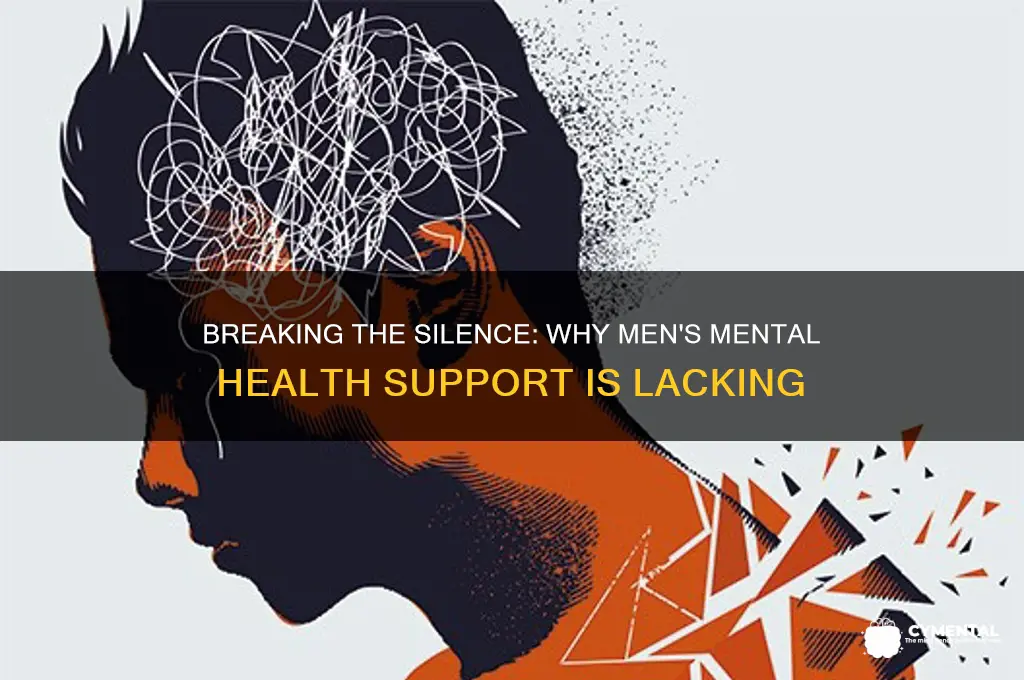
The lack of mental health support tailored specifically for men is a pressing issue rooted in societal norms, stigma, and systemic gaps in healthcare. Traditional gender roles often pressure men to suppress emotions, equate vulnerability with weakness, and prioritize stoicism, creating a culture where seeking help is seen as a failure. This stigma is compounded by a mental health system that historically caters more to women, with resources and therapies that may not resonate with men’s experiences. Additionally, men are less likely to recognize or acknowledge mental health struggles, and when they do, they often face barriers such as limited access to male-focused services, inadequate training among professionals to address male-specific issues, and a lack of awareness about the unique challenges men face, such as higher rates of substance abuse, suicide, and isolation. Addressing this gap requires dismantling toxic masculinity, increasing male-friendly mental health initiatives, and fostering environments where men feel safe to seek help without fear of judgment.
Explore related products

$8.44 $14.99


What You'll Learn
- Stigma and Masculinity Norms: Societal expectations discourage men from seeking help, viewing vulnerability as weakness
- Lack of Gender-Specific Services: Few mental health programs are tailored to men’s unique needs and experiences
- Underreporting and Misdiagnosis: Men often mask symptoms, leading to overlooked mental health issues and inadequate care
- Limited Research Focus: Insufficient studies on men’s mental health hinder understanding and effective treatment strategies
- Barriers to Access: Cost, availability, and fear of judgment prevent men from accessing mental health resources

Stigma and Masculinity Norms: Societal expectations discourage men from seeking help, viewing vulnerability as weakness
Men are often socialized to equate emotional restraint with strength, a toxic byproduct of traditional masculinity norms. This conditioning begins early: boys are told to “toughen up,” “be a man,” or “stop crying” when they express vulnerability. Such messages embed the idea that showing emotion is a sign of weakness, creating a psychological barrier to seeking mental health support. By adolescence, many men internalize this script, fearing that admitting struggle will jeopardize their social standing or self-worth. For example, a 2019 study in the *Journal of Counseling Psychology* found that men who strongly endorsed traditional masculine ideals were 50% less likely to seek therapy, even when experiencing severe symptoms of depression or anxiety.
Consider the workplace, where men are often expected to embody stoicism and invulnerability. In high-pressure environments, admitting mental health challenges can be perceived as a career liability. A 2021 survey by Mind Share Partners revealed that 60% of men feared negative consequences, such as job loss or demotion, if they disclosed mental health issues to their employer. This professional stigma reinforces the personal one, trapping men in a cycle of silence. Practical steps to counter this include fostering workplace cultures that normalize mental health conversations, offering anonymous support channels, and training managers to recognize signs of distress without judgment.
The media perpetuates harmful stereotypes, often portraying men who seek help as flawed or unmasculine. Films, TV shows, and advertisements rarely depict men vulnerably accessing therapy or support groups, instead glorifying self-reliance. This lack of representation reinforces the stigma, leaving men without role models for healthy emotional expression. A comparative analysis of media portrayals in the 1990s versus 2020s shows minimal progress, with only 15% of male characters in popular media seeking mental health assistance. To shift this narrative, content creators must consciously include diverse, realistic depictions of men prioritizing mental well-being.
Breaking the stigma requires targeted interventions at individual and systemic levels. Men’s groups, like those facilitated by organizations such as Movember or the ManKind Project, provide safe spaces to challenge toxic masculinity norms. These groups often use structured activities, like peer-led discussions or outdoor challenges, to rebuild emotional literacy. For younger men, schools can integrate mental health education into health classes, emphasizing that vulnerability is a strength, not a flaw. Parents can model this by encouraging open conversations at home, using phrases like “It’s okay to feel this way” instead of dismissing emotions.
Ultimately, dismantling the stigma tied to masculinity demands collective effort. Policymakers can fund campaigns targeting men’s mental health, while healthcare providers can offer gender-sensitive services, such as male-only therapy sessions or online platforms. Men themselves must unlearn the harmful scripts they’ve internalized, recognizing that seeking help is an act of courage, not capitulation. As society redefines masculinity to include emotional authenticity, the barriers to men’s mental health support will begin to crumble, one conversation at a time.
Empowering Change: Simple Actions to Make a Positive Impact Today
You may want to see also
Explore related products

$13.29 $16.99


Lack of Gender-Specific Services: Few mental health programs are tailored to men’s unique needs and experiences
Men face a critical gap in mental health support: the scarcity of gender-specific services. While mental health programs often adopt a one-size-fits-all approach, they frequently overlook the unique challenges men encounter. Traditional therapy models, rooted in emotional expressiveness and vulnerability, can feel alienating to men socialized to suppress emotions. This mismatch discourages engagement, leaving men without effective tools to address their struggles. For instance, group therapy sessions dominated by women or led by female therapists may inadvertently create an environment where men feel out of place, further isolating them.
Consider the following steps to address this gap: first, develop programs that incorporate male-friendly communication styles, such as action-oriented problem-solving or peer-led discussions. Second, train mental health professionals to recognize and adapt to male emotional expression, which often manifests as anger, withdrawal, or physical symptoms rather than overt distress. Third, leverage technology by creating digital platforms tailored to men, offering anonymity and flexibility to reduce stigma. For example, apps like *Man Up* or *Movember Conversations* provide male-focused resources and peer support, demonstrating the potential of targeted interventions.
A cautionary note: gender-specific services must avoid reinforcing harmful stereotypes. While acknowledging differences in how men and women experience mental health, these programs should not perpetuate rigid gender norms. Instead, they should empower men to redefine masculinity in healthier, more inclusive ways. For instance, incorporating narratives of vulnerability from male role models can challenge stigma while fostering connection.
In conclusion, the lack of gender-specific mental health services for men is not just a gap—it’s a barrier. By designing programs that resonate with men’s unique needs and experiences, we can bridge this divide. Practical, tailored solutions, from therapist training to digital tools, offer a pathway forward. The goal isn’t to segregate care but to ensure it’s accessible and effective for everyone, regardless of gender.
Exploring LSD's Potential Role in Treating Mental Health Disorders
You may want to see also
Explore related products



Underreporting and Misdiagnosis: Men often mask symptoms, leading to overlooked mental health issues and inadequate care
Men are less likely to report mental health symptoms, often masking their struggles behind a facade of stoicism or self-reliance. This underreporting stems from societal expectations that equate masculinity with emotional restraint and strength. As a result, men frequently internalize their pain, avoiding conversations about anxiety, depression, or trauma. For instance, a 2021 study found that men are half as likely as women to disclose mental health issues to friends or family, fearing judgment or weakness. This silence creates a dangerous cycle: without open dialogue, symptoms worsen, and opportunities for early intervention are lost.
Consider the case of John, a 35-year-old construction worker who began experiencing persistent fatigue and irritability. Instead of seeking help, he attributed his symptoms to long work hours and self-medicated with alcohol. His primary care physician, unaware of the underlying depression, misdiagnosed him with a sleep disorder. This scenario illustrates how men’s tendency to mask symptoms can lead to misdiagnosis, delaying appropriate treatment. Clinicians often rely on patient self-reports, and when men downplay or omit emotional distress, critical red flags are missed.
To address this issue, healthcare providers must adopt proactive screening methods tailored to male patients. For example, using gender-neutral language in mental health assessments can reduce stigma and encourage honesty. Questions like, “Have you felt overwhelmed or disconnected lately?” are less threatening than direct inquiries about depression or anxiety. Additionally, integrating mental health screenings into routine physical exams can normalize the conversation, as men are more likely to visit a doctor for physical complaints. For instance, a 2019 pilot program in Canada embedded mental health checks into annual check-ups, increasing detection rates among men by 40%.
Practical steps for men themselves include recognizing subtle signs of mental distress, such as changes in sleep patterns, increased aggression, or withdrawal from social activities. Keeping a symptom journal can help track patterns and provide concrete evidence for healthcare providers. Peer support groups, like those offered by organizations such as Movember, create safe spaces for men to share experiences without fear of judgment. Finally, leveraging technology, such as mental health apps with anonymous chat features, can offer a low-pressure entry point for those hesitant to seek in-person help.
In conclusion, underreporting and misdiagnosis of men’s mental health issues are not inevitable. By understanding the barriers men face and implementing targeted strategies, both individuals and healthcare systems can break the cycle of silence. Early detection and accurate diagnosis are critical to ensuring men receive the care they need, challenging outdated notions of masculinity in the process.
Mental Toughness: The Secret Weapon for Athletic Success and Resilience
You may want to see also
Explore related products

$9.79 $17.99


Limited Research Focus: Insufficient studies on men’s mental health hinder understanding and effective treatment strategies
The gap in mental health research between genders is stark. While women's mental health has seen significant advancements in understanding and treatment, men's mental health remains largely unexplored. This disparity is not merely a matter of oversight but a systemic issue that perpetuates the stigma and under-treatment of mental health conditions in men. For instance, depression in men often manifests differently than in women, with symptoms like anger, aggression, and substance abuse being more prevalent. Yet, these gender-specific manifestations are rarely the focus of large-scale studies, leaving clinicians with limited tools to diagnose and treat men effectively.
Consider the following steps to illustrate the research deficit: First, identify the most common mental health issues among men, such as depression, anxiety, and suicide. Next, compare the number of studies dedicated to these issues in men versus women. The imbalance is striking. For example, a review of clinical trials for antidepressants reveals that only 30% of participants are men, despite men accounting for a significant portion of suicide deaths. This underrepresentation in research means that the efficacy and side effects of treatments are often not fully understood for male populations.
The consequences of this research gap are profound. Without gender-specific data, treatment protocols remain one-size-fits-all, which can be ineffective or even harmful. For instance, selective serotonin reuptake inhibitors (SSRIs), a common antidepressant, may have different side effect profiles in men, such as increased risk of sexual dysfunction, which is often underreported in mixed-gender studies. This lack of tailored treatment options discourages men from seeking help, as they may perceive the treatments as ineffective or unacceptable.
To address this issue, researchers must prioritize gender-specific studies. This involves not only increasing the number of male participants in clinical trials but also designing studies that explicitly investigate gender differences in mental health. For example, longitudinal studies could track how stress, societal expectations, and biological factors uniquely impact men's mental health over time. Additionally, funding agencies and institutions should allocate resources specifically for men's mental health research, ensuring that this area receives the attention it deserves.
In conclusion, the insufficient focus on men's mental health research is a critical barrier to improving outcomes for men. By acknowledging this gap and taking targeted action, we can develop more effective treatments and reduce the stigma that prevents men from seeking help. Practical steps include advocating for gender-specific research funding, encouraging male participation in clinical trials, and educating healthcare providers on the unique aspects of men's mental health. Only through such efforts can we hope to bridge the gap and provide men with the mental health support they need.
Can School Counselors Seek Mental Health Support? Exploring Eligibility and Resources
You may want to see also
Explore related products



Barriers to Access: Cost, availability, and fear of judgment prevent men from accessing mental health resources
Men often face a silent crisis when it comes to mental health, and the barriers to accessing care are both systemic and deeply personal. Cost stands as a formidable obstacle, with therapy sessions averaging $75 to $150 per hour in the U.S., and psychiatric evaluations soaring to $200 or more. For uninsured men or those with high-deductible plans, these expenses are prohibitive. Even with insurance, copays and limited coverage for mental health services create financial strain. This economic burden forces many to choose between mental health care and other necessities, perpetuating a cycle of untreated distress.
Beyond cost, availability of mental health resources is a critical issue, particularly in rural or underserved areas. In the U.S., 111 million people live in regions with a shortage of mental health professionals, according to the Health Resources and Services Administration. For men in these areas, the nearest therapist might be hours away, and telehealth options, while growing, remain inaccessible to those without reliable internet or digital literacy. Even in urban centers, long wait times—often stretching to months—discourage men from pursuing care. This scarcity of resources disproportionately affects men, who are less likely to seek help proactively.
Perhaps the most insidious barrier is the fear of judgment, rooted in societal expectations of masculinity. Men are often conditioned to equate emotional vulnerability with weakness, a stigma reinforced by phrases like "man up" or "tough it out." This internalized shame creates a paralyzing fear of being labeled as inadequate or unmasculine if they admit to struggling. A 2019 study by the American Psychological Association found that 38% of men avoid mental health care due to concerns about being judged, compared to 25% of women. This fear is not just personal—it’s systemic, perpetuated by cultural norms that devalue male emotional expression.
To dismantle these barriers, practical steps are essential. Employers can expand health insurance plans to include comprehensive mental health coverage, with lower copays and broader provider networks. Communities can advocate for increased funding for mental health clinics in underserved areas and support training programs to grow the workforce. Individuals can challenge harmful stereotypes by normalizing conversations about mental health and modeling vulnerability. For men hesitant to seek help, starting with anonymous online resources or peer support groups can be a low-stakes first step. Ultimately, addressing these barriers requires collective effort—from policy changes to personal courage—to ensure that men no longer face insurmountable obstacles to care.
Proactive Strategies to Foster Mental Wellness and Prevent Illness
You may want to see also
Frequently asked questions
The perception of limited mental health support for men often stems from societal norms that discourage men from seeking help. Traditional gender roles may lead men to suppress emotions, making them less likely to access available services. However, many mental health organizations are increasingly tailoring programs to address men's unique needs.
Yes, there are specialized mental health services and support groups designed specifically for men. These programs often focus on creating safe, non-judgmental spaces where men can openly discuss their struggles, addressing issues like depression, anxiety, and trauma in a gender-sensitive manner.
Men may avoid seeking mental health help due to stigma, fear of appearing weak, or societal expectations to "tough it out." Additionally, mental health issues in men are sometimes overlooked or misdiagnosed, further discouraging them from reaching out for support.
Improving mental health support for men requires raising awareness, reducing stigma, and promoting gender-sensitive approaches in mental health care. Encouraging open conversations about mental health, training professionals to better understand men's experiences, and creating targeted campaigns can help increase access and utilization of services.