Harper Lewis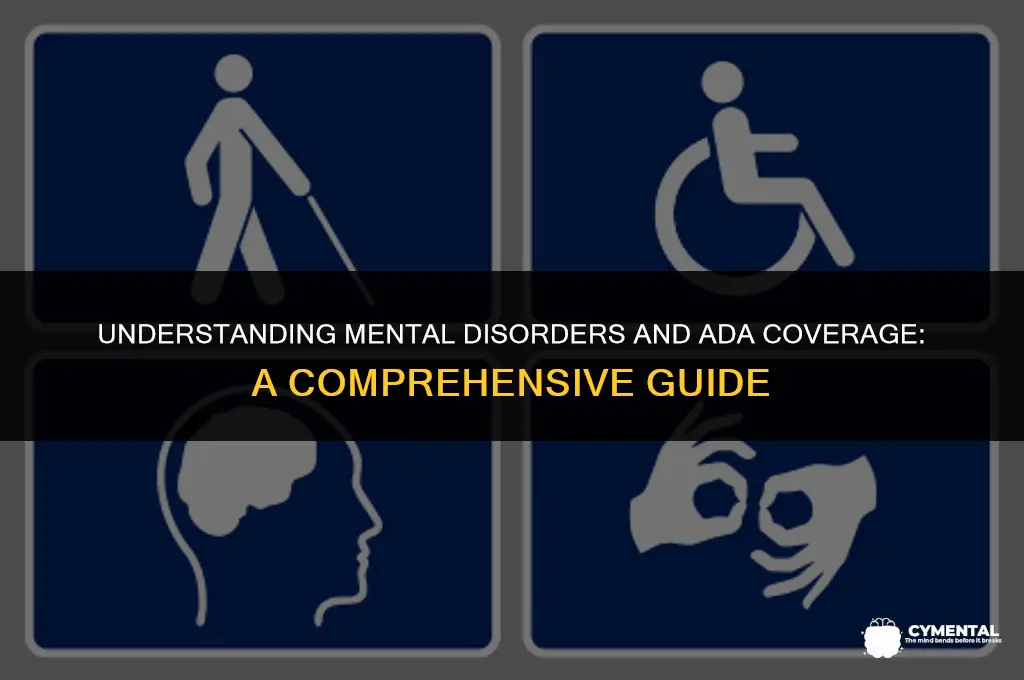
The Americans with Disabilities Act (ADA) is a comprehensive civil rights law that prohibits discrimination against individuals with disabilities in various aspects of public life, including employment, transportation, and public accommodations. A key aspect of the ADA is its definition of disability, which includes mental disorders. Under the ADA, a mental disorder is considered a disability if it substantially limits one or more major life activities. This means that individuals with mental health conditions such as depression, anxiety, bipolar disorder, or schizophrenia may be protected under the ADA, provided their condition meets the criteria of substantially limiting a major life activity. Employers and other entities covered by the ADA are required to provide reasonable accommodations to individuals with mental disorders, unless doing so would cause undue hardship. The ADA's inclusion of mental disorders as disabilities reflects a broader societal recognition of the impact that mental health conditions can have on an individual's ability to participate fully in various aspects of life.
| Characteristics | Values |
|---|---|
| Definition | Mental disorders are defined as conditions that affect a person's thinking, feeling, mood, and behavior. |
| Types | Anxiety disorders, mood disorders, psychotic disorders, eating disorders, personality disorders, etc. |
| Impact | Can significantly impact daily life, work, and social interactions. |
| Treatment | Often treated with therapy, medication, or a combination of both. |
| Legal Protection | Under the Americans with Disabilities Act (ADA), mental disorders are considered disabilities if they substantially limit one or more major life activities. |
| Employment Rights | Individuals with mental disorders are protected from discrimination in the workplace and may be eligible for reasonable accommodations. |
| Public Services | Entitled to equal access to public services, including education, healthcare, and transportation. |
| Stigma | Mental disorders are often stigmatized, leading to discrimination and social exclusion. |
| Statistics | Approximately 1 in 5 adults in the U.S. experience mental illness each year. |
| Research | Ongoing research aims to improve understanding, diagnosis, and treatment of mental disorders. |
| Support | Various support groups and resources are available for individuals with mental disorders and their families. |
| Policy | Mental health policies and laws vary by state and country, but many aim to protect the rights of individuals with mental disorders. |
| Accessibility | Efforts are being made to increase accessibility to mental health services, especially in underserved communities. |
| Education | Mental health education is crucial for reducing stigma and promoting early intervention. |
| Prevention | Strategies such as stress management, healthy lifestyle choices, and early intervention can help prevent mental disorders. |
Explore related products


What You'll Learn
- Definition of Disability: The ADA's broad definition includes mental disorders as disabilities
- Reasonable Accommodations: Employers must provide accommodations for mental disorders under ADA
- Disclosure Requirements: When and how employees must disclose mental health conditions
- Discrimination Protections: ADA prohibits discrimination based on mental health status
- Mental Health Awareness: Importance of awareness and reducing stigma in workplaces

Definition of Disability: The ADA's broad definition includes mental disorders as disabilities
The Americans with Disabilities Act (ADA) provides a comprehensive definition of disability that includes mental disorders. This broad definition is crucial in ensuring that individuals with mental health conditions are protected under the law and have access to the same rights and opportunities as those with physical disabilities. The ADA's inclusion of mental disorders as disabilities reflects a recognition of the significant impact these conditions can have on a person's daily life and ability to function in society.
Under the ADA, a disability is defined as a physical or mental impairment that substantially limits one or more major life activities. This definition encompasses a wide range of conditions, including but not limited to, psychiatric disorders such as depression, anxiety, and schizophrenia, as well as other mental health conditions like bipolar disorder and post-traumatic stress disorder (PTSD). The key factor in determining whether a mental disorder qualifies as a disability under the ADA is its impact on the individual's ability to perform major life activities, such as working, socializing, and managing daily tasks.
The ADA's broad definition of disability is significant because it ensures that individuals with mental disorders are not discriminated against based on their condition. This protection extends to various aspects of life, including employment, education, and public accommodations. Employers, for example, are required to provide reasonable accommodations to employees with mental disorders, such as flexible work schedules or modifications to the work environment, to enable them to perform their jobs effectively. Similarly, educational institutions must provide appropriate accommodations to students with mental health conditions to ensure they have equal access to educational opportunities.
In addition to protecting individuals with mental disorders from discrimination, the ADA also promotes awareness and understanding of these conditions. By including mental disorders in its definition of disability, the ADA helps to reduce the stigma associated with mental health conditions and encourages a more inclusive and supportive society. This recognition is particularly important given the prevalence of mental disorders, which affect millions of people worldwide and are a leading cause of disability globally.
In conclusion, the ADA's broad definition of disability, which includes mental disorders, plays a critical role in protecting the rights of individuals with mental health conditions and promoting a more inclusive society. By ensuring that these individuals have access to the same rights and opportunities as those with physical disabilities, the ADA helps to create a more equitable and supportive environment for all.
Understanding the Prevalence of Psychological Disorders: A Global Perspective
You may want to see also
Explore related products


Reasonable Accommodations: Employers must provide accommodations for mental disorders under ADA
Under the Americans with Disabilities Act (ADA), employers are mandated to provide reasonable accommodations for employees with mental disorders, recognizing them as disabilities. This requirement ensures that individuals with mental health conditions are not discriminated against in the workplace and are given the necessary support to perform their jobs effectively. Reasonable accommodations can vary widely depending on the specific needs of the employee and the nature of their mental disorder.
To comply with the ADA, employers must engage in an interactive process with the employee to determine the appropriate accommodations. This process involves open communication between the employer and the employee, often with the involvement of healthcare providers or other professionals who can offer insights into the employee's condition and the types of accommodations that may be beneficial. Employers are expected to make reasonable efforts to provide these accommodations, which may include modifications to the work environment, adjustments to work schedules, or the provision of additional support services.
It is important to note that the ADA does not require employers to provide accommodations that would cause undue hardship to the business. This means that while employers must make reasonable efforts to accommodate employees with mental disorders, they are not obligated to make changes that would significantly disrupt their operations or incur excessive costs. However, employers must carefully consider the potential impact of accommodations on their business and must be able to justify any denial of requested accommodations.
In practice, reasonable accommodations for mental disorders may include providing a quiet workspace for an employee with anxiety, allowing for flexible work hours for an employee with depression, or offering additional training or support for an employee with a learning disability. Employers may also need to provide time off for mental health treatment or adjust performance expectations to account for the employee's condition. By providing these accommodations, employers can help to create a more inclusive and supportive work environment for all employees.
In conclusion, the ADA's requirement for reasonable accommodations for mental disorders is a crucial aspect of ensuring equal opportunities for individuals with disabilities in the workplace. Employers must be proactive in engaging with employees to identify and implement appropriate accommodations, while also balancing the needs of the business. By doing so, they can foster a more diverse and productive workforce, while also complying with federal law.
Understanding Cognitive Deficits: Are They Synonymous with Mental Disorders?
You may want to see also
Explore related products


Disclosure Requirements: When and how employees must disclose mental health conditions
Under the Americans with Disabilities Act (ADA), employers are required to provide reasonable accommodations to employees with disabilities, including mental health conditions. However, employees are not obligated to disclose their mental health conditions to their employers unless it is necessary to request an accommodation or if the condition poses a direct threat to the safety of the employee or others.
Disclosure requirements vary depending on the specific circumstances of the employee's condition and the nature of the job. For example, an employee with a mental health condition that does not impact their ability to perform their job duties may not need to disclose their condition at all. On the other hand, an employee with a condition that requires regular time off or modifications to their work schedule may need to provide documentation from a healthcare provider to support their request for accommodation.
Employers are prohibited from asking about an employee's mental health condition during the hiring process or at any other time unless it is directly related to the employee's job performance or safety. If an employer does ask about an employee's mental health condition, the employee is not required to answer and may choose to report the inquiry to the Equal Employment Opportunity Commission (EEOC).
In some cases, employees may choose to voluntarily disclose their mental health condition to their employer in order to receive support or accommodations. In these situations, employers are required to keep the information confidential and may not share it with other employees or use it to discriminate against the employee in any way.
Employees who believe they have been discriminated against due to their mental health condition may file a complaint with the EEOC or their state's fair employment agency. It is important for employees to understand their rights under the ADA and to seek legal advice if they believe they have been subjected to discrimination or retaliation due to their mental health condition.
Understanding the Nuances: Disorders vs. Mental Illness
You may want to see also
Explore related products


Discrimination Protections: ADA prohibits discrimination based on mental health status
The Americans with Disabilities Act (ADA) is a landmark piece of legislation that provides comprehensive protections against discrimination for individuals with disabilities, including those with mental health conditions. Under the ADA, mental disorders are recognized as disabilities, and employers, public entities, and private businesses are prohibited from discriminating against individuals on the basis of their mental health status. This means that individuals with mental health conditions are entitled to the same opportunities and accommodations as those with physical disabilities.
One of the key aspects of the ADA's discrimination protections is the requirement for employers and other covered entities to provide reasonable accommodations to individuals with mental health conditions. These accommodations may include modifications to work schedules, job duties, or the work environment, as well as the provision of assistive technologies or other support services. By ensuring that individuals with mental health conditions have access to these accommodations, the ADA helps to level the playing field and promote equal opportunities for all.
In addition to prohibiting discrimination and requiring reasonable accommodations, the ADA also protects individuals with mental health conditions from harassment and retaliation. This means that employers and other covered entities are prohibited from subjecting individuals to derogatory comments, jokes, or other forms of harassment based on their mental health status. Furthermore, individuals who request accommodations or report discrimination are protected from retaliation, such as being fired, demoted, or subjected to other adverse employment actions.
The ADA's discrimination protections extend beyond the workplace, as well. Public entities, such as schools, hospitals, and government agencies, are also required to comply with the ADA and provide equal access to their programs and services for individuals with mental health conditions. This includes ensuring that their facilities are accessible, providing auxiliary aids and services, and modifying policies and procedures to accommodate individuals with mental health needs.
Overall, the ADA's discrimination protections play a critical role in promoting equal opportunities and access for individuals with mental health conditions. By recognizing mental disorders as disabilities and prohibiting discrimination based on mental health status, the ADA helps to break down barriers and ensure that individuals with mental health conditions can fully participate in all aspects of society.
Understanding Bipolar Disorder: Types, Symptoms, and Treatment Options
You may want to see also
Explore related products





Mental Health Awareness: Importance of awareness and reducing stigma in workplaces
In the context of the Americans with Disabilities Act (ADA), mental health awareness in the workplace is crucial. The ADA protects individuals with mental disorders from discrimination, ensuring they have equal opportunities in employment. However, stigma and lack of awareness can still hinder the effective implementation of these protections.
One unique angle to approach this topic is by examining the role of workplace culture in fostering mental health awareness. A culture that promotes open communication, empathy, and understanding can significantly reduce the stigma associated with mental disorders. This, in turn, encourages employees to seek help when needed and feel supported in their recovery.
Employers can take proactive steps to create such a culture. For instance, they can provide mental health training for managers and employees, ensuring that everyone understands the importance of mental well-being and how to support colleagues who may be struggling. Additionally, employers can implement policies that promote work-life balance, flexible work arrangements, and stress management techniques.
Another critical aspect is the need for clear communication about mental health resources and accommodations. Employers should inform employees about the availability of Employee Assistance Programs (EAPs), counseling services, and other support mechanisms. They should also be transparent about the process for requesting accommodations under the ADA, ensuring that employees feel empowered to seek the help they need.
Ultimately, fostering mental health awareness and reducing stigma in the workplace is not only a legal requirement under the ADA but also a moral imperative. By creating a supportive and inclusive environment, employers can help employees thrive, improve productivity, and reduce the overall impact of mental disorders on the workforce.
Understanding Obsessive-Compulsive Disorder: A Mental Health Perspective
You may want to see also
Frequently asked questions
Yes, mental disorders are considered disabilities under the ADA. The ADA defines disability as a physical or mental impairment that substantially limits one or more major life activities, and mental disorders often meet this criteria.
The ADA covers a wide range of mental disorders, including but not limited to depression, anxiety disorders, bipolar disorder, schizophrenia, and post-traumatic stress disorder (PTSD). The specific diagnosis is less important than the impact of the disorder on the individual's ability to perform major life activities.
The ADA prohibits employers from discriminating against qualified individuals with disabilities, including mental disorders, in hiring, promotion, termination, and other employment-related decisions. Employers are also required to provide reasonable accommodations to enable individuals with mental disorders to perform their job duties effectively.
Reasonable accommodations for mental disorders in the workplace can include flexible work schedules, reduced work hours, job restructuring, providing a quiet workspace, allowing for regular breaks, and offering mental health support services. The specific accommodation will depend on the individual's needs and the nature of their job.