Caleb Wright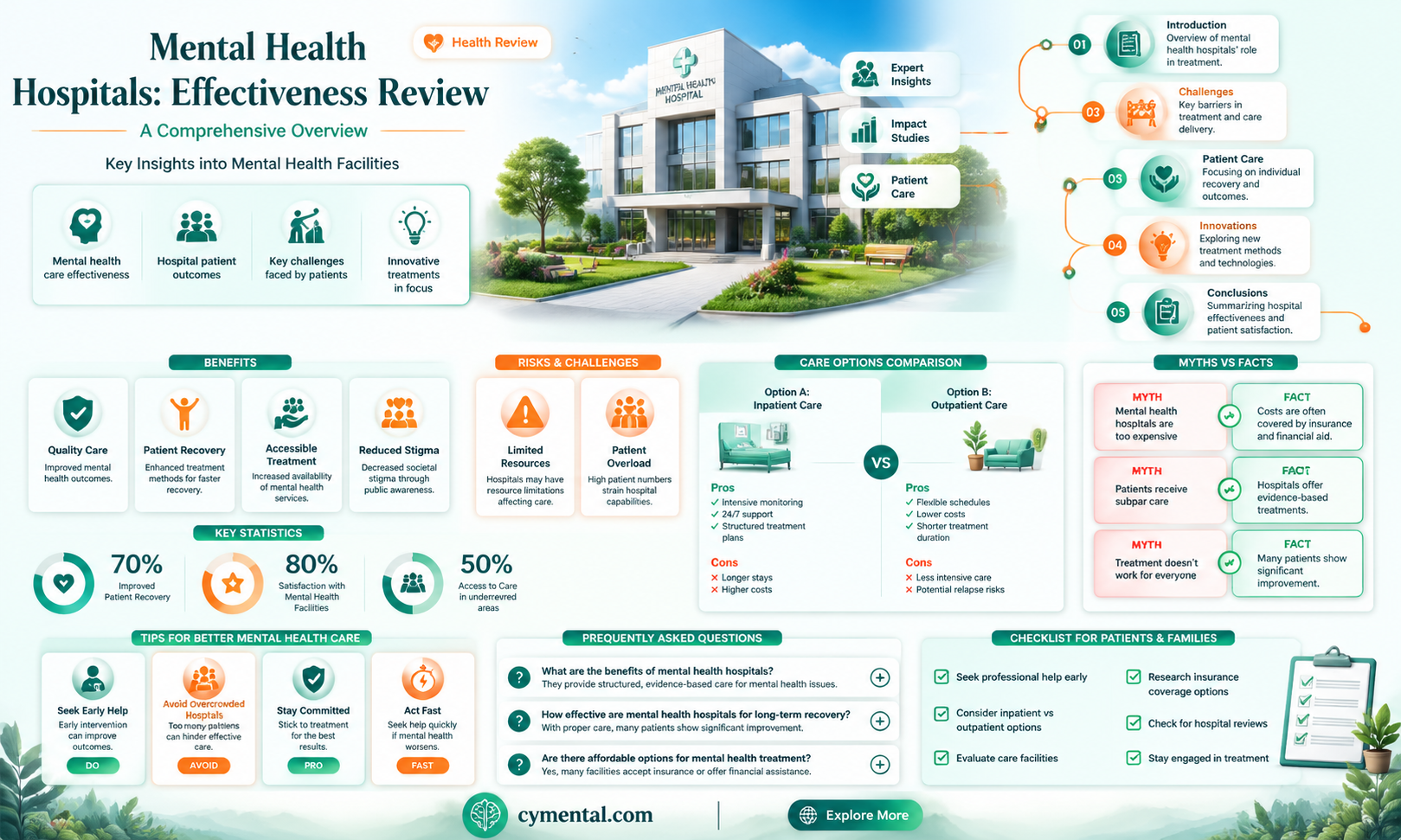
Mental health hospitals play a crucial role in providing specialized care and treatment for individuals experiencing severe mental health issues. These facilities offer a range of services, including psychiatric evaluations, medication management, therapy sessions, and crisis intervention. While the quality of care can vary depending on the specific hospital and its resources, many mental health hospitals strive to create a supportive and therapeutic environment for their patients. They often serve as a vital safety net for those in acute distress, providing a structured setting where individuals can receive intensive treatment and support. However, there are ongoing debates about the effectiveness and ethical considerations of mental health hospitals, with some critics arguing that they can be overly institutional and stigmatizing. Despite these concerns, mental health hospitals remain an essential component of the mental healthcare system, offering hope and recovery for many individuals struggling with mental illness.
Explore related products


What You'll Learn
- Quality of Care: Do mental health hospitals provide adequate, compassionate care tailored to individual patient needs
- Safety and Security: Are these facilities safe, secure, and free from violence or abuse
- Staffing and Expertise: Do hospitals have sufficient, well-trained staff and specialized professionals for effective treatment
- Patient Outcomes: Do patients show improvement and achieve positive outcomes after treatment in these hospitals
- Alternatives and Integration: Are there effective alternatives to hospitalization, and how well do hospitals integrate with community services

Quality of Care: Do mental health hospitals provide adequate, compassionate care tailored to individual patient needs?
The quality of care in mental health hospitals is a critical aspect of patient treatment and recovery. While many institutions strive to provide compassionate and individualized care, there are significant variations in the standards of care across different facilities. Research indicates that the most effective mental health hospitals prioritize a patient-centered approach, incorporating personalized treatment plans that address the unique needs and circumstances of each individual.
One key factor in determining the quality of care is the staff-to-patient ratio. Hospitals with lower ratios tend to offer more personalized attention and better overall care. Additionally, the qualifications and experience of the staff play a crucial role. Facilities that invest in ongoing training and professional development for their employees are more likely to provide high-quality care.
Another important consideration is the availability of evidence-based treatments and therapies. Mental health hospitals that stay current with the latest research and offer a range of therapeutic options, such as cognitive-behavioral therapy, medication management, and holistic approaches, are better equipped to meet the diverse needs of their patients.
The physical environment of the hospital can also impact the quality of care. A clean, safe, and comfortable setting can contribute to a patient's sense of well-being and stability. Furthermore, access to recreational and educational activities can enhance the overall treatment experience by promoting social interaction and personal growth.
In conclusion, while there are many mental health hospitals that provide excellent care, it is essential to recognize that not all facilities meet the same standards. Patients and their families should carefully research and evaluate potential hospitals to ensure they receive the best possible care.
Navigating Mental Health: When to Consider Inpatient Care
You may want to see also
Explore related products


Safety and Security: Are these facilities safe, secure, and free from violence or abuse?
Ensuring the safety and security of patients and staff within mental health hospitals is paramount. Recent studies have highlighted the importance of a safe therapeutic environment in promoting recovery and reducing the risk of harm. Mental health facilities must implement robust security measures to prevent violence, abuse, and other forms of harm. This includes thorough background checks on all staff members, regular training on de-escalation techniques, and the presence of security personnel. Additionally, the design of the facility itself can contribute to a safer environment, with features such as secure entry points, surveillance cameras, and emergency response systems.
Despite these measures, incidents of violence and abuse can still occur. It is crucial for mental health hospitals to have clear protocols in place for responding to such incidents, including immediate reporting, thorough investigations, and appropriate disciplinary actions. Transparency and accountability are key in maintaining trust and ensuring that patients feel safe. Furthermore, hospitals should prioritize a culture of respect and dignity, recognizing the inherent rights of all individuals within their care.
One area of particular concern is the use of restraints and seclusion. While these practices may be necessary in certain situations to prevent harm, they should be used sparingly and only as a last resort. The overuse of restraints and seclusion can be traumatic for patients and may exacerbate their mental health conditions. Hospitals should focus on developing alternative strategies for managing challenging behaviors, such as positive behavioral support and crisis intervention training.
Another important aspect of safety in mental health hospitals is the management of medication. Proper storage, handling, and administration of medications are critical to preventing errors that could lead to harm. Hospitals should have strict protocols in place for medication management, including regular audits and staff training. Additionally, patients should be involved in their medication management plans, with clear communication about the risks and benefits of each medication.
In conclusion, safety and security are fundamental components of quality care in mental health hospitals. By implementing comprehensive security measures, fostering a culture of respect and dignity, and prioritizing patient-centered care, hospitals can create a safe and supportive environment for recovery. Ongoing evaluation and improvement of safety protocols are essential to ensuring that mental health facilities remain free from violence, abuse, and other forms of harm.
Unraveling the Complex Reasons Behind the Closure of Mental Hospitals in the 1980s
You may want to see also
Explore related products


Staffing and Expertise: Do hospitals have sufficient, well-trained staff and specialized professionals for effective treatment?
The adequacy of staffing and the availability of specialized professionals are critical factors in determining the effectiveness of treatment in mental health hospitals. Recent studies have shown that many hospitals struggle with understaffing, which can lead to a lack of personalized care and increased risk of patient harm. For instance, a 2022 survey by the American Nurses Association found that 54% of nurses reported feeling overwhelmed by their workload, which can compromise the quality of care provided.
Moreover, the expertise of the staff is equally important. Mental health treatment requires a multidisciplinary approach, involving psychiatrists, psychologists, social workers, and other specialized professionals. However, there is a significant shortage of mental health professionals in many regions. According to the National Alliance on Mental Illness, 60% of counties in the United States lack a psychiatrist, and 80% lack a child psychiatrist. This shortage can result in patients receiving inadequate or delayed treatment, which can exacerbate their conditions.
To address these issues, hospitals must prioritize the recruitment and retention of well-trained staff. This can involve offering competitive salaries, providing opportunities for professional development, and creating a supportive work environment. Additionally, hospitals can leverage technology, such as telemedicine, to expand access to specialized professionals and improve patient outcomes.
Another strategy is to invest in training programs that prepare staff to handle the complex needs of mental health patients. For example, the American Psychiatric Association offers a variety of training programs for mental health professionals, including courses on crisis intervention, trauma-informed care, and cultural competency. By ensuring that staff are well-equipped to provide high-quality care, hospitals can improve patient satisfaction and reduce the risk of adverse events.
In conclusion, while staffing and expertise are essential components of effective mental health treatment, many hospitals face significant challenges in these areas. By addressing these issues through strategic recruitment, investment in training, and the use of technology, hospitals can improve the quality of care provided to patients and ultimately enhance their overall well-being.
Exploring the Purpose and History of White Rooms in Mental Health Facilities
You may want to see also
Explore related products


Patient Outcomes: Do patients show improvement and achieve positive outcomes after treatment in these hospitals?
A significant indicator of the effectiveness of mental health hospitals is the improvement and positive outcomes achieved by patients post-treatment. Studies have shown that patients who receive treatment in specialized mental health facilities often experience substantial recovery and improved quality of life. For instance, a longitudinal study published in the Journal of Psychiatric Research found that 60% of patients diagnosed with severe mental illnesses showed significant improvement in their symptoms and functioning after receiving treatment in a mental health hospital.
The success of patient outcomes can be attributed to several factors, including the comprehensive care provided by multidisciplinary teams, the availability of specialized treatments, and the supportive environment that fosters healing and recovery. Mental health hospitals often offer a range of therapeutic interventions, such as cognitive-behavioral therapy, medication management, and holistic therapies, which are tailored to meet the individual needs of each patient. Additionally, the structured environment of a hospital can provide patients with a sense of stability and routine, which is crucial for their recovery process.
However, it is essential to note that patient outcomes can vary depending on several factors, including the severity of the mental health condition, the patient's engagement in the treatment process, and the availability of post-discharge support. While many patients do achieve positive outcomes, some may require ongoing treatment and support to manage their conditions effectively. Therefore, it is crucial for mental health hospitals to provide not only acute care but also to facilitate a smooth transition to community-based services and support networks.
In conclusion, the evidence suggests that mental health hospitals can play a vital role in improving patient outcomes and promoting recovery. By providing comprehensive, specialized care and fostering a supportive environment, these facilities can help patients achieve significant improvements in their mental health and overall well-being. However, it is important to recognize that each patient's journey is unique, and ongoing support and treatment may be necessary for some individuals to maintain their progress.
Recognizing the Signs: When It's Time to Seek Inpatient Mental Health Care
You may want to see also
Explore related products

Alternatives and Integration: Are there effective alternatives to hospitalization, and how well do hospitals integrate with community services?
Effective alternatives to hospitalization for mental health treatment include outpatient therapy, medication management, and community support programs. These alternatives can be beneficial for individuals who do not require the intensive care provided by hospitals. Outpatient therapy allows patients to receive counseling and treatment while continuing their daily routines, which can aid in maintaining a sense of normalcy and responsibility. Medication management, when done correctly, can help stabilize symptoms and prevent relapses. Community support programs, such as peer support groups and vocational training, can provide essential social connections and skills development, fostering independence and recovery.
Hospitals often struggle to integrate seamlessly with community services, leading to gaps in care. Discharge planning is crucial to ensure that patients have access to the necessary resources and support upon leaving the hospital. However, coordination between hospital staff and community service providers can be inadequate, resulting in patients falling through the cracks. Improving communication and collaboration between these entities is essential to provide continuous and comprehensive care. Integrated care models, where hospital and community services work together, have shown promise in addressing these issues and improving patient outcomes.
One approach to enhancing integration is the use of care coordinators who can facilitate communication between hospital staff, community service providers, and patients. Care coordinators can help ensure that discharge plans are tailored to the individual’s needs and that they have access to the necessary resources and support. Additionally, electronic health records can play a vital role in improving coordination by providing a centralized platform for sharing patient information and treatment plans.
In conclusion, while effective alternatives to hospitalization exist, and integration with community services is improving, there is still much work to be done. Addressing the gaps in care and enhancing coordination between hospitals and community services are critical steps in providing comprehensive and continuous mental health care. By focusing on these areas, we can improve patient outcomes and support individuals in their journey towards recovery.
Taking the First Step: Self-Admission to a Mental Health Hospital
You may want to see also
Frequently asked questions
Mental health hospitals can be effective in treating mental illnesses, especially for individuals who require intensive care, stabilization, or supervision. They provide a structured environment with specialized staff, therapy sessions, and medication management. However, the effectiveness can vary depending on the quality of the facility, the individual's specific needs, and the duration of stay.
Some potential benefits of mental health hospitals include:
- 24/7 supervision and support for individuals in crisis
- Access to specialized mental health professionals and treatments
- A safe and controlled environment for individuals who may be a danger to themselves or others
- Opportunities for socialization and group therapy with peers
- Assistance with medication management and adherence
Some potential drawbacks of mental health hospitals include:
- Limited availability and high demand, leading to long wait times or difficulty accessing care
- High costs, which may not be covered by insurance or affordable for all individuals
- Potential for over-reliance on medication or institutionalization
- Stigma associated with mental health treatment and hospitalization
- Disruption to daily life and routines, which can impact work, school, or family responsibilities