Harper Lewis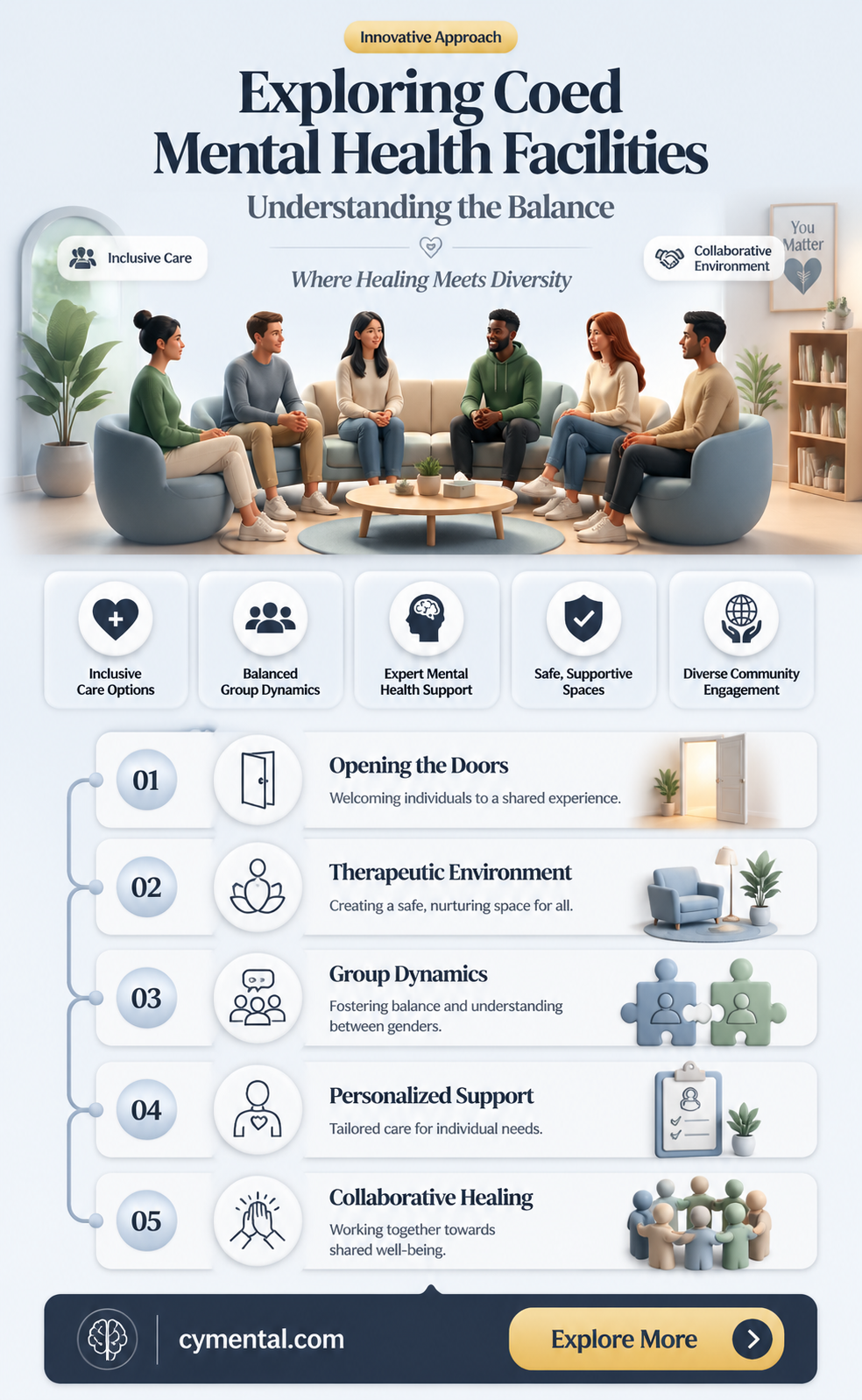
Mental hospitals, also known as psychiatric hospitals or inpatient psychiatric facilities, are specialized healthcare institutions designed to provide intensive mental health care and treatment. One common question about these facilities is whether they are coed, meaning if they house both male and female patients in the same hospital or unit. The answer to this question can vary depending on the specific hospital's policies and the country or region in which it is located. Some mental hospitals are indeed coed, with separate wings or units for different genders, while others may be single-sex facilities. The decision to make a mental hospital coed or not is often based on factors such as patient needs, safety considerations, and the availability of resources.
Explore related products


What You'll Learn
- History of Coed Mental Hospitals: Early practices, reasons for separation, and the shift towards coed facilities
- Benefits of Coed Mental Health Care: Improved social skills, reduced stigma, and enhanced therapeutic outcomes for patients
- Challenges in Coed Mental Hospitals: Managing different needs, preventing abuse, and ensuring equal treatment for all patients
- Policies and Regulations: Legal requirements, guidelines for coed facilities, and measures to protect patient rights
- Patient Perspectives: Experiences of patients in coed versus single-sex facilities, and their preferences for mental health care environments

History of Coed Mental Hospitals: Early practices, reasons for separation, and the shift towards coed facilities
The history of coed mental hospitals is a complex narrative that reflects changing societal attitudes towards mental health and gender roles. Early mental health facilities, dating back to the 18th and 19th centuries, were often segregated by gender. This separation was rooted in the belief that men and women had different mental health needs and that mixing genders could lead to moral contamination or inappropriate behavior. Women's asylums, for instance, were designed to be more domestic and nurturing, while men's asylums focused on discipline and work.
The reasons for this gender segregation were multifaceted. Part of it stemmed from the prevailing medical theories of the time, which suggested that women were more prone to certain mental illnesses, such as hysteria, due to their biological makeup. Additionally, societal norms dictated that women should be protected from the perceived dangers of the outside world, including the risk of sexual assault or exploitation. By keeping them in separate facilities, it was believed that women could be better safeguarded and treated according to their unique needs.
However, as the 20th century progressed, there was a growing movement towards gender equality and a reevaluation of the assumptions underlying gender segregation in mental health care. Advocates for coed facilities argued that separating patients by gender was discriminatory and that it hindered the development of a holistic approach to mental health treatment. They contended that both men and women could benefit from interacting with each other in a therapeutic setting and that coed facilities could provide a more realistic and supportive environment for patients to practice social skills and reintegrate into society.
The shift towards coed mental hospitals was gradual and faced significant resistance. Many mental health professionals and policymakers were hesitant to abandon the traditional gender-segregated model, citing concerns about patient safety and the potential for inappropriate behavior. However, as more research emerged supporting the benefits of coed facilities, and as legal challenges to gender discrimination gained momentum, the tide began to turn. By the late 20th century, coed mental hospitals had become increasingly common, and many of the older, segregated facilities had either closed or been converted to coed operations.
Today, coed mental hospitals are the norm in many parts of the world, reflecting a broader recognition of the importance of gender equality in mental health care. While there are still debates about the best ways to implement coed care and address the unique needs of different genders, the consensus is that coed facilities offer a more inclusive and effective approach to mental health treatment. The history of coed mental hospitals serves as a testament to the evolving nature of mental health care and the ongoing struggle to provide equitable and compassionate services to all patients, regardless of gender.
Understanding Mental Health Facilities: What Is a Mental Hospital Called?
You may want to see also
Explore related products


Benefits of Coed Mental Health Care: Improved social skills, reduced stigma, and enhanced therapeutic outcomes for patients
Coed mental health care offers a multitude of benefits that can significantly enhance the therapeutic experience for patients. One of the primary advantages is the improvement of social skills. In a coed environment, patients have the opportunity to interact with individuals of the opposite gender, which can help them develop essential communication and interpersonal skills. This is particularly beneficial for those who may have struggled with social interactions in the past, as it provides a safe and supportive space to practice and grow.
Another key benefit of coed mental health care is the reduction of stigma. By integrating both genders in the treatment process, mental health facilities can help break down the barriers and misconceptions that often surround mental illness. This inclusive approach can foster a sense of community and understanding among patients, leading to a more positive and accepting atmosphere. As a result, patients may feel more comfortable discussing their struggles and seeking help, which is crucial for their recovery.
Furthermore, coed mental health care can lead to enhanced therapeutic outcomes. Research has shown that patients in coed environments often experience better treatment results, including improved mood, reduced anxiety, and increased self-esteem. This may be attributed to the diverse perspectives and experiences that patients bring to the therapeutic process, which can enrich the overall treatment experience. Additionally, coed care can provide patients with a broader support network, as they have the opportunity to form connections with a wider range of individuals.
In conclusion, coed mental health care offers numerous benefits that can improve the quality of care and outcomes for patients. By fostering social skills, reducing stigma, and enhancing therapeutic outcomes, coed environments can provide a more holistic and effective approach to mental health treatment. As the demand for mental health services continues to grow, it is essential for facilities to consider the advantages of coed care and how it can best serve the needs of their patients.
Understanding the Difference: Are Asylums and Mental Hospitals the Same?
You may want to see also
Explore related products


Challenges in Coed Mental Hospitals: Managing different needs, preventing abuse, and ensuring equal treatment for all patients
In coed mental hospitals, one of the primary challenges is managing the different needs of male and female patients. This requires a nuanced understanding of gender-specific issues and the development of tailored treatment plans. For instance, women may be more likely to experience trauma-related disorders, while men may struggle with substance abuse. Effective management involves recognizing these differences and providing appropriate resources and support.
Preventing abuse is another critical concern in coed facilities. This includes not only physical and sexual abuse but also emotional and psychological mistreatment. Hospitals must implement strict policies and procedures to protect patients, such as regular staff training on abuse prevention, clear reporting mechanisms, and prompt investigation of allegations. Additionally, the design of the hospital environment can play a role in minimizing risks, with considerations such as separate sleeping areas and monitored common spaces.
Ensuring equal treatment for all patients is essential in coed mental hospitals. This means providing the same quality of care, resources, and opportunities for recovery regardless of gender. It involves addressing any unconscious biases among staff and ensuring that treatment protocols are gender-neutral. For example, both male and female patients should have access to the same therapeutic activities, medications, and support groups. Regular audits and feedback mechanisms can help identify and address any disparities in treatment.
In conclusion, managing coed mental hospitals presents unique challenges that require careful planning, implementation, and monitoring. By focusing on the specific needs of different genders, preventing abuse, and ensuring equal treatment, these facilities can provide a safe and effective environment for all patients.
Exploring the Myths and Realities of Psychiatric Facilities
You may want to see also
Explore related products


![Axe/Kidnapped Coed [Blu-ray]](https://m.media-amazon.com/images/I/81qm68Up+3L._AC_UY218_.jpg)


Policies and Regulations: Legal requirements, guidelines for coed facilities, and measures to protect patient rights
Mental health facilities, including hospitals and clinics, are subject to a variety of policies and regulations that govern their operations. One key aspect of these regulations pertains to the accommodation of patients in coed facilities. Legal requirements often mandate that such facilities provide separate living quarters and bathrooms for male and female patients to ensure privacy and safety. Additionally, guidelines may stipulate the need for adequate staffing, with trained professionals capable of managing the unique challenges that arise in coed environments.
Beyond physical separation, policies typically address the protection of patient rights. This includes ensuring that all patients, regardless of gender, receive equitable treatment and have access to the same resources and services. Facilities must also implement measures to prevent discrimination, harassment, and abuse, with clear protocols for reporting and addressing such incidents. Regular training for staff on these issues is often required to maintain a safe and respectful environment for all patients.
In the context of mental health treatment, regulations may also specify the need for individualized care plans that take into account the specific needs and circumstances of each patient. This can involve providing gender-specific therapy groups or activities, as well as ensuring that patients have access to appropriate medical care, including reproductive health services. Furthermore, policies may require facilities to have emergency procedures in place to handle situations such as sexual assault or other forms of violence, with a focus on supporting the victim and holding the perpetrator accountable.
Overall, the policies and regulations governing coed mental health facilities are designed to promote a safe, respectful, and equitable environment for all patients. By adhering to these guidelines, facilities can help to ensure that patients receive the care and support they need to recover and thrive.
Unraveling the Myth: The Truth About Pink Crayons in Mental Health Facilities
You may want to see also
Patient Perspectives: Experiences of patients in coed versus single-sex facilities, and their preferences for mental health care environments
Research indicates that patient experiences in coed versus single-sex mental health facilities can vary significantly. A study published in the Journal of Psychiatric Research found that patients in coed facilities reported higher levels of anxiety and discomfort compared to those in single-sex facilities. This may be attributed to the potential for increased social stressors and the need for patients to navigate complex social dynamics while in a vulnerable state.
On the other hand, some patients prefer coed facilities, citing the benefits of social interaction and the opportunity to form supportive relationships with peers of the opposite gender. A qualitative study published in the Journal of Mental Health Nursing highlighted the importance of these social connections, with patients reporting that they felt more understood and less isolated in coed environments.
When it comes to preferences for mental health care environments, patients' opinions are often shaped by their individual experiences and needs. Some may prioritize privacy and comfort, opting for single-sex facilities that provide a more controlled and predictable environment. Others may value the diversity and social stimulation of coed facilities, seeing them as more representative of the real world and better preparing them for life after treatment.
Ultimately, the choice between coed and single-sex facilities should be made on a case-by-case basis, taking into account each patient's unique needs and preferences. Mental health professionals should work closely with patients to determine the most appropriate care environment, ensuring that their treatment plan is tailored to their individual circumstances and goals.
Exploring Privacy: Are Patient Calls at Mental Hospitals Recorded?
You may want to see also
Frequently asked questions
Mental hospitals can vary in their policies regarding coed accommodations. Some facilities may have separate wings or units for men and women, while others may have coed rooms or areas. It largely depends on the specific hospital's policies and the type of treatment being provided.
Coed mental hospitals can offer several benefits, including increased opportunities for socialization and interaction between patients of different genders, which can be therapeutic. They may also provide a more realistic environment for patients to practice social skills and relationships they will encounter outside of the hospital.
Some potential drawbacks of coed mental hospitals include privacy concerns, as patients may feel uncomfortable sharing living spaces with members of the opposite sex. There is also the possibility of romantic or sexual relationships developing between patients, which can be detrimental to their treatment and recovery. Additionally, coed facilities may not be suitable for patients with specific gender-related trauma or issues.