Caleb Wright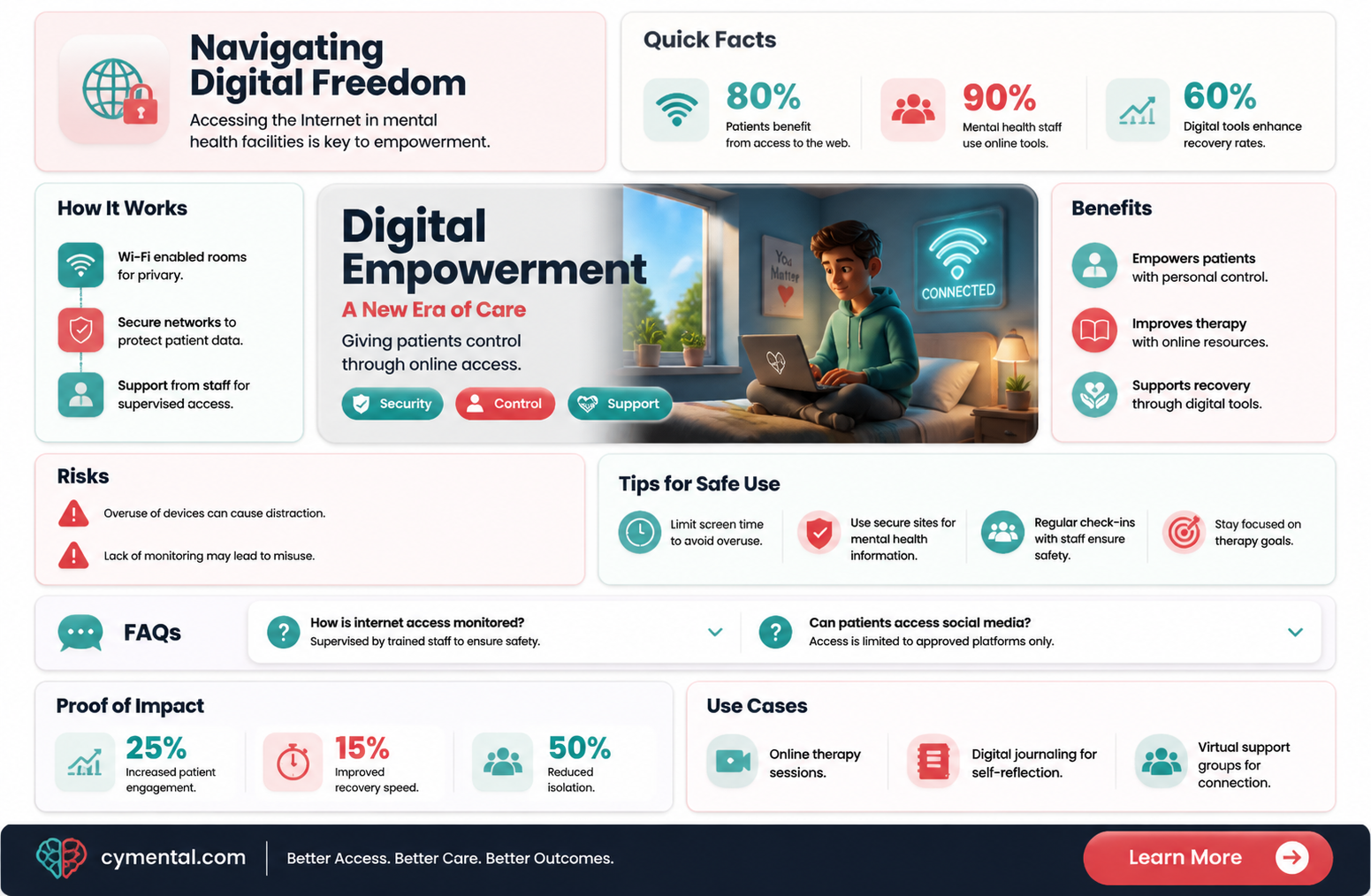
The topic of internet access in mental hospitals is a complex and multifaceted issue that touches on patient rights, therapeutic practices, and security concerns. In recent years, there has been a growing debate about whether patients in mental health facilities should be allowed to use the internet and social media. On one hand, proponents argue that internet access can be a valuable tool for patients to stay connected with loved ones, access educational resources, and engage in therapeutic activities. On the other hand, opponents raise concerns about the potential risks of internet use, such as exposure to harmful content, cyberbullying, and the possibility of patients using the internet to plan self-harm or escape. As a result, mental health facilities often have strict policies and guidelines in place to regulate internet use, balancing the need to protect patients with the desire to provide them with opportunities for connection and engagement.
Explore related products


What You'll Learn
- Internet Access Policies: Varying rules on internet usage in mental health facilities
- Patient Rights: Legal considerations regarding internet access for mental health patients
- Therapeutic Benefits: Potential positive impacts of internet access on mental health treatment
- Security Concerns: Risks and precautions related to internet use in mental hospitals
- Alternatives Provided: Other forms of entertainment or communication offered in lieu of internet access

Internet Access Policies: Varying rules on internet usage in mental health facilities
Internet access policies in mental health facilities vary widely, reflecting the complex balance between patient safety, therapeutic goals, and individual rights. Some facilities adopt a strict no-internet policy, citing concerns about the potential for online interactions to exacerbate mental health issues or facilitate harmful behaviors. Others take a more nuanced approach, allowing limited internet access under close supervision or within designated time frames.
Facilities that permit internet access often implement stringent monitoring and filtering systems to prevent patients from accessing inappropriate or harmful content. This might include blocking certain websites, restricting social media use, or limiting online communication to pre-approved contacts. Some institutions also require patients to sign agreements outlining acceptable internet use and consequences for policy violations.
The rationale behind these varying policies is multifaceted. On one hand, internet access can be seen as a tool for empowerment and normalization, allowing patients to maintain connections with the outside world and engage in therapeutic activities such as online support groups or educational resources. On the other hand, unrestricted internet access can pose risks, including exposure to triggering content, cyberbullying, or the facilitation of self-harm or suicidal ideation.
In recent years, there has been a growing trend towards more patient-centered approaches to internet access in mental health facilities. Some institutions are exploring innovative solutions, such as providing patients with secure, personalized internet access that adapts to their individual needs and risk profiles. Others are incorporating digital literacy training into their therapeutic programs, teaching patients how to navigate the online world safely and responsibly.
Ultimately, the decision to allow or restrict internet access in a mental health facility depends on a variety of factors, including the facility's mission, patient population, and available resources. As technology continues to evolve, it is likely that internet access policies will remain a subject of ongoing debate and refinement, with the goal of balancing patient safety and autonomy in an increasingly digital world.
Comfort in Care: The Role of Stuffed Animals in Mental Health Hospitals
You may want to see also
Explore related products


Patient Rights: Legal considerations regarding internet access for mental health patients
Mental health patients, like all individuals, possess certain fundamental rights that are protected by law. One of these rights is the ability to access information and communicate freely, which is often facilitated through internet access. However, in the context of mental health facilities, there are unique legal considerations that must be taken into account when it comes to granting patients internet access.
One key consideration is the duty of care that mental health facilities owe to their patients. This duty requires facilities to ensure that patients are not exposed to unnecessary risks or harm. In the case of internet access, this may involve implementing safeguards to prevent patients from accessing harmful or inappropriate content, or from using the internet in ways that could compromise their safety or well-being.
Another important consideration is the need to balance patient rights with the legitimate interests of the facility. For example, a facility may need to restrict internet access in certain areas or at certain times in order to maintain a safe and therapeutic environment. Additionally, facilities may need to monitor internet usage to ensure that patients are not engaging in activities that could be harmful to themselves or others.
The legal framework surrounding patient rights and internet access in mental health facilities is complex and evolving. In some jurisdictions, there are specific laws or regulations that govern internet access in these settings. In other cases, the legal requirements may be more general, and facilities may need to develop their own policies and procedures to ensure compliance.
Ultimately, the goal of any policy or procedure related to internet access in mental health facilities should be to promote patient well-being and safety while also respecting their fundamental rights. By carefully considering the legal and ethical implications of internet access, facilities can create an environment that supports patient recovery and empowerment.
Navigating Mental Health Care Without Insurance: A Comprehensive Guide
You may want to see also
Explore related products




Therapeutic Benefits: Potential positive impacts of internet access on mental health treatment
Internet access in mental health treatment facilities can have several therapeutic benefits. One significant advantage is the ability to provide patients with a sense of connection to the outside world. This can be particularly important for individuals who are hospitalized for extended periods, as it helps to reduce feelings of isolation and loneliness. By allowing patients to communicate with friends and family through email, social media, or video calls, mental health facilities can foster a supportive environment that promotes emotional well-being.
Another therapeutic benefit of internet access is the opportunity for patients to engage in online therapy sessions. Telehealth services have become increasingly popular in recent years, and they can be especially useful for individuals who have difficulty attending in-person appointments due to mobility issues or other constraints. Online therapy can also help to reduce stigma associated with mental health treatment, as patients can receive care from the comfort of their own homes or hospital rooms.
Furthermore, internet access can provide patients with a wealth of information about their conditions and treatment options. By allowing individuals to research their diagnoses and explore different coping strategies, mental health facilities can empower patients to take an active role in their recovery. This can lead to improved treatment outcomes and a greater sense of control over one's mental health.
However, it is important to note that internet access in mental health treatment facilities must be carefully managed to ensure patient safety. Staff should monitor online activities to prevent exposure to harmful content or interactions that could exacerbate mental health symptoms. Additionally, facilities should establish clear guidelines for internet use to maintain a therapeutic environment and protect patient confidentiality.
In conclusion, the therapeutic benefits of internet access in mental health treatment facilities are significant. By providing patients with a sense of connection, access to online therapy, and information about their conditions, internet access can play a valuable role in promoting mental health recovery. However, it is crucial to balance these benefits with appropriate safeguards to ensure a safe and supportive treatment environment.
Exploring the Complexities: Are Mental Hospitals Harmful?
You may want to see also
Explore related products


Security Concerns: Risks and precautions related to internet use in mental hospitals
Internet access in mental hospitals is a double-edged sword. While it can provide patients with a vital connection to the outside world and access to therapeutic resources, it also poses significant security risks. One of the primary concerns is the potential for patients to access inappropriate or harmful content, which could exacerbate their mental health issues. Additionally, there is a risk of patients using the internet to plan self-harm or suicide, or to access information on how to create weapons or engage in violent behavior.
To mitigate these risks, mental hospitals must implement strict security measures. This includes monitoring internet usage, filtering content, and limiting access to certain websites or applications. Hospitals may also choose to provide patients with a supervised internet session, where a staff member is present to ensure that the patient is not accessing harmful content. Furthermore, hospitals should have clear policies and procedures in place for responding to incidents of inappropriate internet use, including reporting to authorities if necessary.
Another security concern is the potential for patients to use the internet to communicate with others who may pose a risk to their safety. This could include other patients, family members, or even strangers who may be seeking to exploit or harm them. To address this, hospitals should educate patients on internet safety and the importance of not sharing personal information online. They should also consider implementing restrictions on social media use and email communication, or providing patients with a secure, hospital-approved email account.
In addition to these measures, mental hospitals should also consider the physical security of their internet infrastructure. This includes ensuring that computer equipment is stored securely, that passwords are strong and regularly changed, and that firewalls and antivirus software are up-to-date. Regular security audits should also be conducted to identify and address any vulnerabilities in the system.
Ultimately, the decision to allow internet access in a mental hospital must be carefully considered, weighing the potential benefits against the security risks. By implementing robust security measures and providing patients with education on internet safety, hospitals can help to ensure that patients are able to use the internet in a safe and responsible manner.
Unraveling the Legalities: Escaping from a Mental Hospital
You may want to see also
Explore related products


Alternatives Provided: Other forms of entertainment or communication offered in lieu of internet access
In mental health facilities, where internet access might be restricted for various therapeutic or security reasons, alternative forms of entertainment and communication are crucial for patient engagement and well-being. These alternatives can include a wide range of activities and tools designed to stimulate mental activity, encourage social interaction, and provide a sense of normalcy and connection to the outside world.
One common alternative is the provision of board games, puzzles, and other tabletop activities that promote cognitive stimulation and social interaction among patients. These activities can help fill the void left by the absence of digital entertainment and provide a platform for patients to bond and communicate with each other. Additionally, facilities might offer access to books, magazines, and newspapers, allowing patients to stay informed and engaged with current events and literature.
Another important alternative is the use of art and music therapy. These creative outlets can provide patients with a means of self-expression and emotional release, which can be particularly beneficial in a setting where traditional forms of communication might be limited. Art supplies, musical instruments, and guided therapy sessions can all be valuable tools in helping patients cope with their mental health challenges and find new ways to connect with others.
Furthermore, mental health facilities might also provide access to outdoor activities and exercise programs as alternatives to internet use. Physical activity can be a powerful tool in improving mental health, and outdoor spaces can offer a refreshing change of scenery and a sense of freedom for patients who might feel confined by the facility's walls. Group sports, gardening, and nature walks are all examples of activities that can promote physical and mental well-being while also fostering social connections.
In some cases, facilities might also offer alternative communication tools, such as landline phones or secure messaging systems, to help patients stay in touch with family and friends. These tools can be essential for maintaining social support networks and reducing feelings of isolation and loneliness.
Overall, the provision of diverse and engaging alternatives to internet access is an important aspect of mental health care. By offering a range of activities and communication tools, facilities can help patients stay connected, stimulated, and supported during their treatment, ultimately contributing to better mental health outcomes.
The Era of Mental Hospitals: A Historical Overview of Their Closure
You may want to see also
Frequently asked questions
Internet access in mental hospitals varies by facility and country. Some hospitals may allow limited internet use under supervision, while others may restrict it entirely for safety and therapeutic reasons.
Restrictions on internet access in mental hospitals are often in place to protect patients from potential harm, such as exposure to triggering content, cyberbullying, or the risk of self-harm. Additionally, it can be used to encourage patients to engage in therapeutic activities and social interactions.
When internet access is permitted, mental hospitals typically implement strict monitoring and filtering systems. Staff may review internet usage logs, block inappropriate websites, and limit the time patients can spend online. Supervision during internet use is also common to prevent any harmful activities.
Allowing internet access in mental hospitals can provide patients with a sense of normalcy and connection to the outside world. It can also be a valuable tool for education, entertainment, and communication with family and friends, which can contribute positively to the therapeutic process.
Reactions to internet restrictions in mental hospitals can vary widely among patients. Some may understand and accept the limitations as part of their treatment, while others may feel frustrated or isolated. Hospitals often explain the reasons for restrictions to patients and work to find alternative ways to meet their needs.