Caleb Wright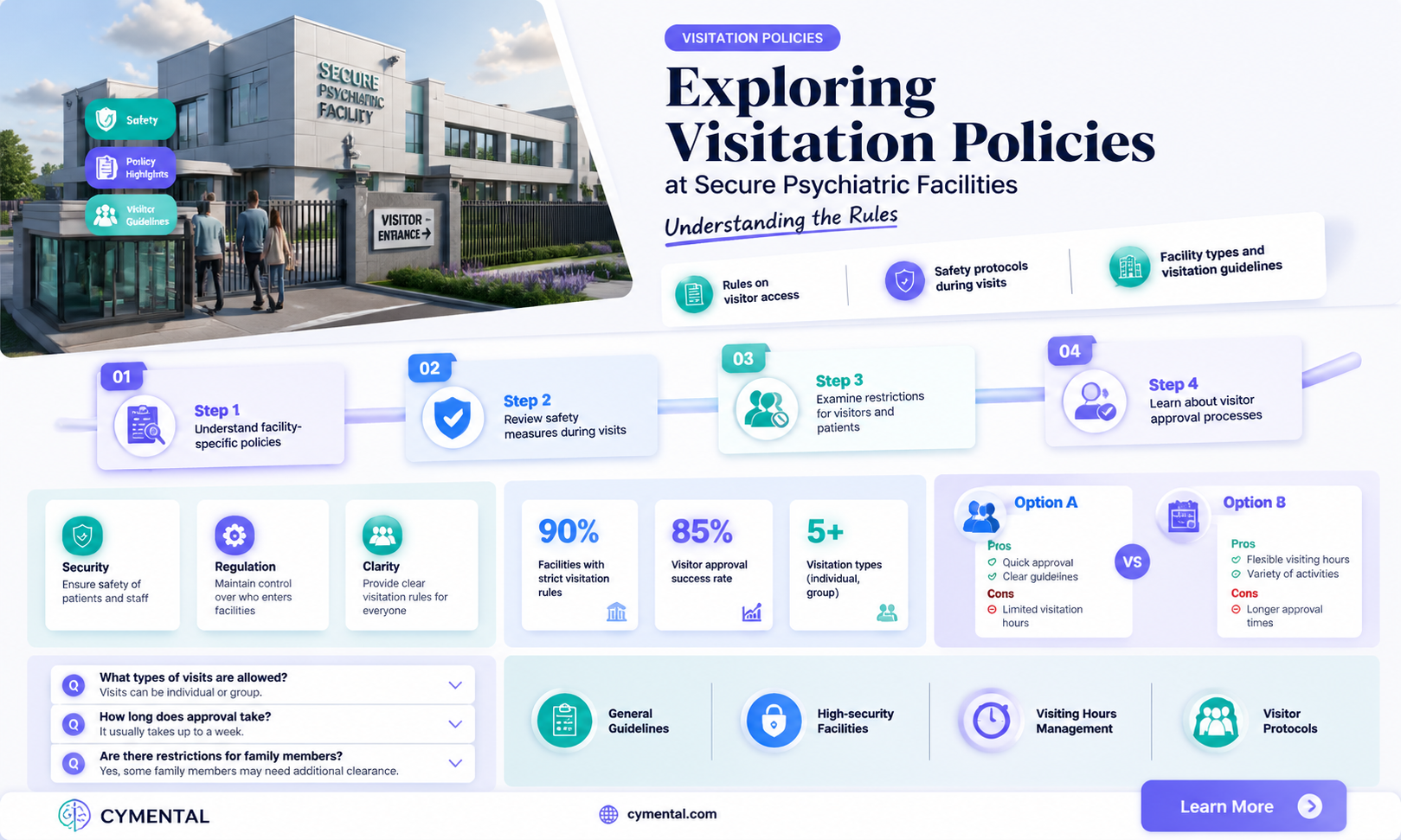
Locked mental hospitals, also known as psychiatric wards or units, are specialized facilities designed to provide intensive care and treatment for individuals experiencing severe mental health issues. These facilities often have strict security measures in place, including locked doors and controlled access, to ensure the safety of both patients and staff. Visiting hours at locked mental hospitals are typically regulated to maintain a secure and therapeutic environment. Family members and friends may be allowed to visit during designated times, but these visits are usually subject to certain conditions and restrictions. For example, visitors may need to go through a security screening process, adhere to specific rules regarding personal belongings, and follow guidelines for interacting with patients. The purpose of these measures is to balance the need for patient safety and treatment with the importance of maintaining connections with loved ones.
Explore related products


What You'll Learn
- Visiting Policies: Regulations and guidelines for visitors at a locked mental hospital
- Visitor Identification: Requirements for identification and background checks for visitors
- Visiting Areas: Designated areas within the hospital where visits can take place
- Patient Consent: Procedures for obtaining patient consent for visits
- Security Measures: Protocols to ensure the safety and security of patients and visitors

Visiting Policies: Regulations and guidelines for visitors at a locked mental hospital
Locked mental hospitals have stringent visiting policies to ensure the safety and well-being of both patients and visitors. These policies often include specific regulations and guidelines that must be followed. For instance, visitors may be required to schedule appointments in advance and provide identification upon arrival. The hospital may also have designated visiting hours, which are typically shorter and more structured than those at general hospitals.
One unique aspect of visiting policies at locked mental hospitals is the emphasis on security. Visitors may be subject to searches, and certain items may be prohibited, such as weapons, drugs, or other potentially dangerous objects. Additionally, visitors may be restricted from bringing in personal belongings or may be required to leave them in a secure area.
Another important consideration is the potential for emotional distress. Locked mental hospitals often house patients who are experiencing severe mental health issues, and visits can be emotionally taxing for both the patient and the visitor. As such, hospitals may provide support services, such as counseling or guidance on how to cope with the emotional challenges of visiting a loved one in a locked facility.
In some cases, hospitals may also have specific guidelines for different types of visitors, such as family members, friends, or legal representatives. These guidelines may address issues such as confidentiality, patient rights, and the role of visitors in the patient's treatment plan.
Overall, visiting policies at locked mental hospitals are designed to balance the need for patient safety and security with the importance of maintaining connections with loved ones. By following these policies and guidelines, visitors can help support their loved ones while also ensuring a safe and positive experience for all involved.
Exploring the Dynamics of Coed Mental Health Facilities
You may want to see also
Explore related products


Visitor Identification: Requirements for identification and background checks for visitors
In the context of visiting a locked mental hospital, visitor identification and background checks are critical components of the security protocol. These measures are implemented to ensure the safety of both the patients and the visitors. The process typically begins with the visitor presenting a valid form of identification, such as a driver's license, passport, or state-issued ID card. This is to verify the visitor's identity and to cross-reference it with any existing records or databases that may contain information about the individual.
Following the identification process, a background check is conducted. This may involve a review of the visitor's criminal history, mental health records, and any other relevant information that could impact their suitability to visit the facility. The background check is designed to identify any potential risks or threats that the visitor may pose to the patients or staff. Depending on the facility's policies, the background check may be conducted by the hospital's security personnel or by an external agency specializing in background investigations.
The requirements for visitor identification and background checks can vary significantly from one facility to another. Some hospitals may have more stringent requirements, such as mandatory fingerprinting or a detailed questionnaire about the visitor's personal history and relationships. Other facilities may have more relaxed policies, only requiring a basic identification check. It is important for visitors to be aware of the specific requirements of the facility they wish to visit and to comply with all requests for information and documentation.
The process of visitor identification and background checks is not only a security measure but also a way to protect the privacy and confidentiality of the patients. By ensuring that only authorized individuals are allowed to visit, the hospital can maintain a controlled environment that is conducive to the patients' recovery and well-being. Visitors who are denied access due to failing the background check or not meeting the identification requirements should be informed of the reasons for the denial and should be provided with information on how to appeal the decision if they believe it was made in error.
In conclusion, visitor identification and background checks are essential components of the security and safety protocols in locked mental hospitals. These measures help to ensure that only suitable individuals are allowed to visit the facility, thereby protecting the patients, staff, and visitors themselves. By understanding and complying with these requirements, visitors can contribute to maintaining a safe and supportive environment for the patients.
Connecting with Loved Ones: Phone Call Policies at West Hills Mental Hospital
You may want to see also
Explore related products


Visiting Areas: Designated areas within the hospital where visits can take place
In locked mental hospitals, visiting areas are specially designated spaces where patients can meet with their visitors. These areas are typically designed to be safe and secure, while also providing a comfortable environment for patients and their loved ones to interact. The visiting areas may be equipped with seating, tables, and sometimes even recreational facilities, such as games or televisions, to help facilitate a positive and engaging visit.
The location and layout of visiting areas within a locked mental hospital can vary depending on the facility's design and security protocols. In some cases, visiting areas may be located on the same unit as the patient's room, while in other cases, they may be situated in a separate area of the hospital. The visiting areas may also be subject to specific rules and regulations, such as restrictions on the number of visitors allowed at one time, limitations on the types of items that can be brought into the area, and requirements for visitors to sign in and out.
One unique aspect of visiting areas in locked mental hospitals is the presence of security personnel. These staff members are responsible for monitoring the visiting area to ensure the safety of both patients and visitors. They may also be tasked with enforcing the hospital's rules and regulations, as well as providing assistance in case of an emergency. The presence of security personnel can help to create a sense of safety and security for all parties involved, while also allowing for a more relaxed and enjoyable visiting experience.
In addition to providing a space for patients and visitors to interact, visiting areas in locked mental hospitals can also serve as a valuable resource for patients' treatment and recovery. For example, therapists or counselors may use the visiting area to conduct family therapy sessions or to provide patients with opportunities to practice social skills and coping strategies. The visiting area can also be used to facilitate educational programs or support groups for patients and their families, helping to promote a better understanding of mental health conditions and the recovery process.
Overall, visiting areas in locked mental hospitals play a crucial role in supporting patients' well-being and facilitating their connection with the outside world. By providing a safe, secure, and comfortable environment for patients and visitors to interact, these areas can help to foster a sense of community and support, which is essential for the recovery process.
Exploring the Impact of Mental Hospitalization on Future Opportunities
You may want to see also
Patient Consent: Procedures for obtaining patient consent for visits
In the context of a locked mental hospital, obtaining patient consent for visits is a critical procedure that ensures the patient's autonomy and protects their rights. This process typically involves several key steps. First, hospital staff must assess the patient's capacity to consent. This assessment is based on the patient's ability to understand the nature and purpose of the visit, as well as their ability to make a voluntary decision. If the patient is deemed capable of consenting, they must be informed about the visit, including the identity of the visitor, the duration of the visit, and any rules or restrictions that apply.
Once the patient has been informed, they must provide their consent, which can be verbal or written, depending on the hospital's policies and the patient's preferences. It is important to note that consent can be withdrawn at any time, and the patient has the right to refuse visits or to request that a visit be terminated early. In cases where the patient is unable to consent, the hospital may need to seek consent from a legal guardian or next of kin. This process is governed by specific legal and ethical guidelines, which vary depending on the jurisdiction and the hospital's policies.
In addition to obtaining consent, hospitals must also ensure that visits are conducted in a safe and secure manner. This may involve screening visitors for weapons or other prohibited items, providing supervision during visits, and establishing clear rules and boundaries for visitor behavior. By taking these steps, hospitals can help to protect both patients and visitors, while also promoting a therapeutic and supportive environment.
Overall, the procedure for obtaining patient consent for visits in a locked mental hospital is a complex and multifaceted process that requires careful attention to legal, ethical, and clinical considerations. By following established guidelines and protocols, hospitals can help to ensure that patients' rights are protected and that visits are conducted in a safe and respectful manner.
Reagan's Impact on Mental Health Care: The Closure of Hospitals
You may want to see also
Security Measures: Protocols to ensure the safety and security of patients and visitors
In mental health facilities, particularly those with locked wards, security measures are paramount to ensuring the safety of both patients and visitors. These protocols are meticulously designed to prevent unauthorized access, manage potential risks, and create a controlled environment conducive to treatment and recovery. One of the fundamental aspects of these security measures is the strict regulation of visiting hours. These hours are typically limited and scheduled to allow for close monitoring of interactions between patients and visitors, reducing the likelihood of contraband introduction or other security breaches.
Visitor identification and screening are also critical components of the security protocol. All visitors are required to present valid identification upon arrival and may be subject to background checks or security screenings. This process helps to verify the identity of visitors and ensures that they do not pose a threat to the patients or the facility. Additionally, visitors may be restricted from bringing certain items into the facility, such as weapons, drugs, or other potentially harmful objects.
The physical design of the facility itself plays a significant role in maintaining security. Locked mental hospitals often feature secure entry points, surveillance cameras, and alarm systems to monitor and control access to different areas of the facility. Patient rooms and common areas may also be equipped with safety features such as reinforced doors, shatter-resistant windows, and emergency call buttons. These design elements help to create a safe and secure environment for patients while also allowing staff to respond quickly in case of an emergency.
Staff training is another essential aspect of security measures in mental health facilities. All staff members, including nurses, doctors, and security personnel, receive comprehensive training on security protocols, risk assessment, and crisis management. This training ensures that staff are well-equipped to handle a variety of situations, from routine security checks to more complex emergencies. Regular drills and simulations are also conducted to test staff preparedness and identify areas for improvement.
In conclusion, security measures in locked mental hospitals are multifaceted and involve a combination of strict protocols, physical design elements, and staff training. These measures are crucial for maintaining a safe and secure environment for patients and visitors, and they help to ensure that the facility can effectively provide treatment and care while minimizing risks.
Exploring the Current Status of State Mental Hospitals: A Comprehensive Overview
You may want to see also
Frequently asked questions
Yes, most locked mental hospitals have designated visiting hours for family and friends. These hours are typically scheduled to ensure the safety and well-being of both patients and visitors.
To find out the visiting hours for a specific locked mental hospital, you can contact the hospital directly and ask to speak with the admissions or visitor information department. They will be able to provide you with the most up-to-date information regarding visiting hours and any specific guidelines or restrictions.
During a visit to a locked mental hospital, you can expect to go through a security screening process before being allowed to enter the facility. You may also be required to sign in and out, and your visit may be monitored by hospital staff. It's important to follow all hospital rules and guidelines during your visit to ensure the safety and well-being of both you and the patient.
Yes, you can typically bring items to a patient during a visit to a locked mental hospital. However, it's important to check with the hospital beforehand to find out what items are allowed and what items are prohibited. Some common items that may be allowed include clothing, toiletries, and reading materials.
If you have concerns about the care or treatment of a patient at a locked mental hospital, it's important to speak up. You can start by discussing your concerns with the hospital staff, such as the patient's doctor or nurse. If you're not satisfied with their response, you can also contact the hospital's administration or patient advocacy department. In some cases, it may also be appropriate to contact local authorities or mental health organizations for assistance.