Lucas Bennett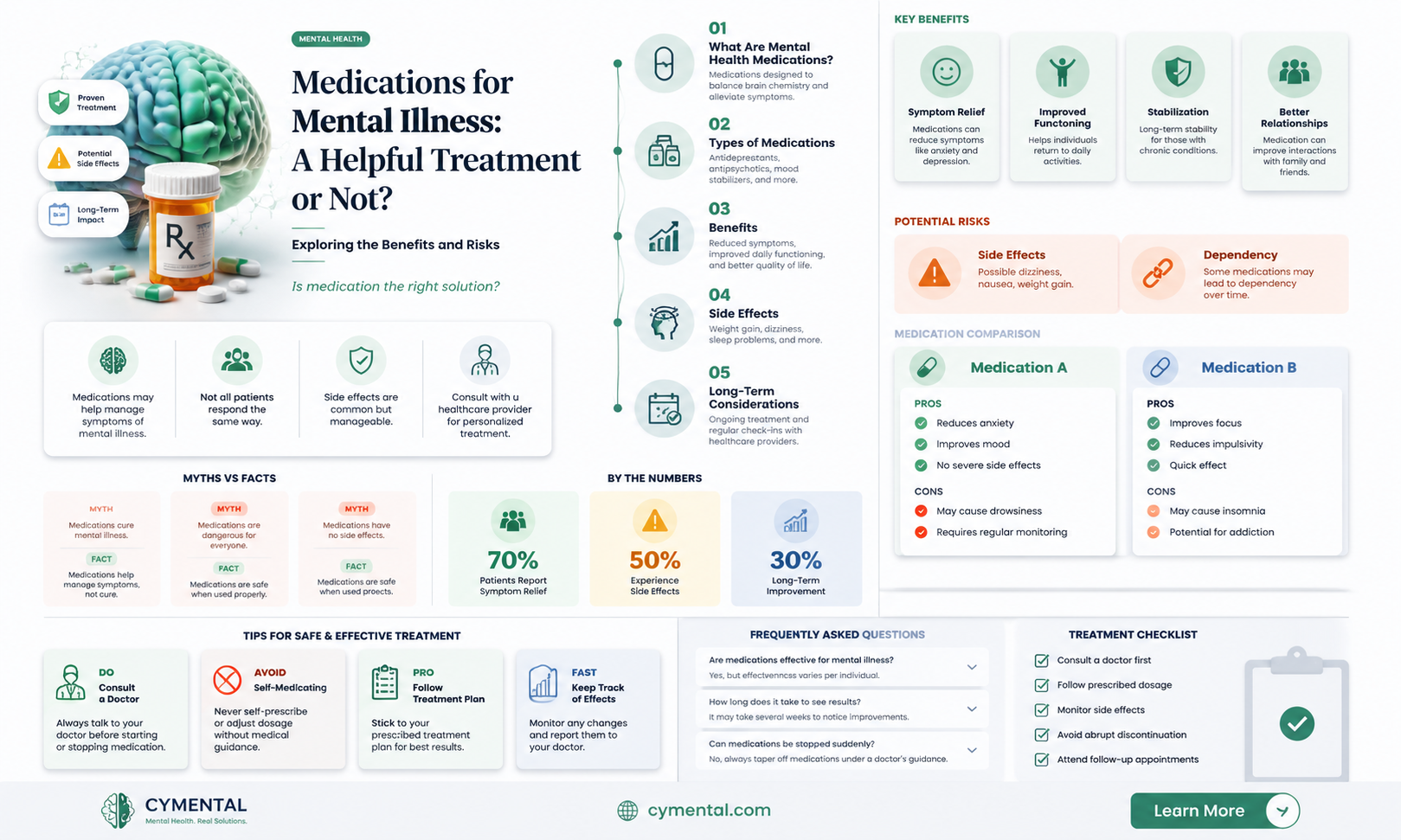
Medications are often a cornerstone of treatment for mental illness, offering relief from symptoms and improving quality of life for many individuals. However, their effectiveness is not universal, as responses to medication vary widely depending on the individual, the specific condition, and the type of medication prescribed. While some people experience significant benefits, others may encounter limited efficacy or undesirable side effects, raising questions about the appropriateness of medication as a one-size-fits-all solution. Additionally, medications are frequently most effective when combined with therapy, lifestyle changes, and social support, highlighting the importance of a holistic approach to mental health care. This complexity prompts a critical examination of whether medications are always helpful and under what circumstances they should be utilized.
Explore related products


What You'll Learn
- Effectiveness of medication in treating mental illness symptoms
- Potential side effects and long-term consequences of psychiatric drugs
- Role of therapy versus medication in mental health treatment
- Individual variability in response to mental health medications
- Over-reliance on medication without addressing root causes of mental illness

Effectiveness of medication in treating mental illness symptoms
Medications for mental illness are not universally effective, and their success often depends on the specific disorder, individual biology, and concurrent treatments. For instance, antidepressants like selective serotonin reuptake inhibitors (SSRIs) are prescribed to millions annually, yet studies show they achieve complete remission in only about 40-60% of patients. This variability underscores the need for personalized treatment plans. For example, a 20-milligram daily dose of fluoxetine might stabilize one patient’s depression, while another may require 40 milligrams or a switch to a different class of medication, such as serotonin-norepinephrine reuptake inhibitors (SNRIs), to experience relief.
Consider the case of schizophrenia, where antipsychotic medications are a cornerstone of treatment. First-generation antipsychotics, like haloperidol, effectively reduce positive symptoms (hallucinations, delusions) in 60-70% of patients but often cause severe side effects, such as tardive dyskinesia. Second-generation antipsychotics, like olanzapine, offer a better side-effect profile but may lead to metabolic issues, such as weight gain and diabetes. Clinicians must weigh these trade-offs, often starting with lower doses (e.g., 5 mg of olanzapine daily) and adjusting based on response and tolerance.
An instructive approach to maximizing medication effectiveness involves combining pharmacotherapy with psychotherapy. For anxiety disorders, benzodiazepines like alprazolam provide rapid symptom relief but carry risks of dependence, especially in long-term use. Pairing these medications with cognitive-behavioral therapy (CBT) can reduce reliance on drugs and improve long-term outcomes. For example, a patient prescribed 0.5 mg of alprazolam as needed for panic attacks might simultaneously learn coping strategies in CBT, eventually tapering off the medication under supervision.
A comparative analysis reveals that medication effectiveness varies by age group. In children and adolescents, stimulants like methylphenidate (Ritalin) are highly effective for ADHD, with 70-80% of patients experiencing symptom improvement. However, concerns about growth suppression and cardiovascular risks necessitate careful monitoring. In contrast, older adults often metabolize medications differently due to age-related changes in liver and kidney function, requiring lower doses (e.g., halving the standard dose of citalopram for depression) to avoid adverse effects like falls or cognitive impairment.
Practically, patients and providers can enhance medication effectiveness through adherence and lifestyle adjustments. For bipolar disorder, mood stabilizers like lithium are highly effective when maintained within a therapeutic blood level range (0.6-1.2 mEq/L), but nonadherence remains a challenge. Simple strategies, such as using pill organizers or setting medication reminders, can improve consistency. Additionally, incorporating dietary changes (e.g., reducing caffeine intake to minimize anxiety) and regular exercise can complement medication benefits, particularly for conditions like depression and PTSD.
Kick Stress Away: Soccer's Surprising Mental Health Benefits
You may want to see also
Explore related products


Potential side effects and long-term consequences of psychiatric drugs
Psychiatric medications, while often transformative for mental health, carry a spectrum of side effects that can complicate treatment. Antidepressants, for instance, frequently cause nausea, insomnia, or weight changes, particularly during the initial weeks of use. Antipsychotics may lead to metabolic issues like weight gain or elevated blood sugar, necessitating regular monitoring. Stimulants prescribed for ADHD can suppress appetite and disrupt sleep, especially in children and adolescents. These immediate side effects, though often manageable, require careful consideration to balance symptom relief against quality of life.
Long-term use of psychiatric drugs introduces additional concerns, some of which remain under-researched. Benzodiazepines, prescribed for anxiety, can cause dependence within weeks, with withdrawal symptoms including rebound anxiety or seizures if discontinued abruptly. Antipsychotics, particularly older generations, are linked to tardive dyskinesia—involuntary movements that may become permanent. Lithium, a mood stabilizer, requires strict dosage monitoring to avoid thyroid dysfunction or kidney damage over years of use. Such risks underscore the need for periodic reassessment of medication necessity and dosage adjustments.
The interplay between age, dosage, and duration further complicates outcomes. Children and adolescents on antidepressants face a heightened risk of suicidal ideation, prompting FDA black box warnings. Elderly patients metabolize drugs more slowly, increasing susceptibility to side effects like cognitive impairment from anticholinergic medications. Dosage titration—starting low and increasing gradually—can mitigate risks, but adherence to prescribed regimens remains critical. For example, abruptly stopping SSRIs can trigger discontinuation syndrome, characterized by dizziness, flu-like symptoms, or mood swings.
Practical strategies can help navigate these challenges. Patients should maintain open communication with providers, reporting side effects promptly to explore alternatives like switching medications or adding adjunctive therapies. Lifestyle modifications, such as dietary changes for metabolic side effects or sleep hygiene for insomnia, can complement pharmacotherapy. Regular lab tests and physical exams are essential for monitoring long-term risks, particularly for drugs like lithium or antipsychotics. Ultimately, informed decision-making—weighing benefits against potential harms—is key to optimizing mental health treatment.
Nurturing Mental Well-Being: Essential Strategies for a Healthier Mind
You may want to see also
Explore related products


$29.99 $29.99


Role of therapy versus medication in mental health treatment
Medications and therapy are often seen as competing treatments for mental illness, but their roles are distinct and complementary. Medications, such as selective serotonin reuptake inhibitors (SSRIs) or antipsychotics, primarily target neurochemical imbalances. For instance, SSRIs like fluoxetine (Prozac) increase serotonin levels, which can alleviate symptoms of depression and anxiety. However, these drugs often require 4–6 weeks to take effect and may cause side effects like weight gain or insomnia. Therapy, on the other hand, addresses behavioral patterns, thought processes, and emotional regulation. Cognitive-behavioral therapy (CBT), for example, helps individuals reframe negative thought patterns, while dialectical behavior therapy (DBT) focuses on emotional resilience. The choice between medication and therapy—or their combination—depends on the severity of symptoms, the type of disorder, and individual preferences.
Consider a 30-year-old with moderate major depressive disorder. A psychiatrist might prescribe 20 mg of escitalopram daily, monitoring for side effects and adjusting dosage as needed. Simultaneously, a therapist could employ CBT techniques to challenge self-defeating beliefs, such as "I am unworthy," over 12–16 sessions. Research shows this combined approach is often more effective than either treatment alone, particularly for conditions like depression and anxiety. However, medication may be less helpful for personality disorders, where therapy—like schema therapy or mentalization-based treatment—targets deep-seated relational patterns. For children and adolescents, therapy is often prioritized due to concerns about medication side effects on developing brains, though exceptions exist for severe cases, such as pediatric bipolar disorder.
A persuasive argument for therapy lies in its long-term benefits. While medications can provide rapid symptom relief, they do not address the root causes of mental illness. Therapy equips individuals with tools to manage future challenges independently. For example, mindfulness-based stress reduction (MBSR) teaches techniques to mitigate anxiety, reducing reliance on benzodiazepines like alprazolam (Xanax), which carry risks of dependence. Conversely, medication can be lifesaving for those with severe conditions like schizophrenia, where antipsychotics such as olanzapine stabilize psychotic symptoms, enabling engagement in therapy. The key is tailoring treatment to the individual, recognizing that neither approach is universally superior.
Comparing the two, medication often serves as a "band-aid" for acute symptoms, while therapy fosters lasting change. For instance, a person with panic disorder might use 1–2 mg of lorazepam (Ativan) as needed for immediate relief but attend weekly exposure therapy sessions to confront fear triggers. This dual approach maximizes short-term functioning while building resilience. However, access and cost disparities complicate this balance. Medications may be more affordable and accessible in regions with limited mental health professionals, whereas therapy requires time and financial commitment. Practical tips include starting with a low medication dose, tracking side effects, and setting therapy goals collaboratively with a provider.
In conclusion, the role of therapy versus medication is not an either-or proposition but a nuanced decision based on individual needs. Medication offers quick symptom management, particularly for severe or biologically driven conditions, while therapy provides tools for long-term coping and growth. Combining both often yields the best outcomes, though this depends on factors like age, disorder type, and resource availability. Patients should work closely with providers to weigh benefits, risks, and personal priorities, ensuring a treatment plan that aligns with their unique circumstances.
Seeking Mental Health Support: A Guide to Finding the Right Help
You may want to see also
Explore related products


Individual variability in response to mental health medications
Not all patients respond uniformly to mental health medications, a phenomenon rooted in genetic, physiological, and environmental differences. Pharmacogenomics, the study of how genes affect drug response, highlights that variations in genes like CYP450 can alter how quickly individuals metabolize antidepressants such as fluoxetine or sertraline. For instance, a person with a slower metabolism may require a lower dose (e.g., 10 mg instead of 20 mg) to avoid side effects like drowsiness or increased anxiety. Conversely, rapid metabolizers might need higher doses to achieve therapeutic effects, underscoring the need for personalized dosing strategies.
Consider the case of selective serotonin reuptake inhibitors (SSRIs), commonly prescribed for depression and anxiety. While one patient may experience significant symptom relief within 4–6 weeks on 20 mg of escitalopram, another might report no improvement or even worsening symptoms. Factors like age, weight, and comorbid conditions (e.g., thyroid disorders) further complicate responses. For example, older adults often require lower doses due to reduced liver and kidney function, while adolescents may respond differently due to developmental differences in brain chemistry. Clinicians must therefore adopt a trial-and-error approach, adjusting medications and dosages based on individual tolerance and efficacy.
Practical tips for managing variability include maintaining open communication with healthcare providers and tracking symptoms daily. Apps like Moodpath or journaling can help patients monitor changes in mood, sleep, and energy levels, providing valuable data for treatment adjustments. Starting with the lowest effective dose and gradually increasing it minimizes side effects, a strategy particularly useful for medications like aripiprazole, where dose sensitivity varies widely. Additionally, combining medication with therapy (e.g., cognitive-behavioral therapy) often enhances outcomes, as it addresses both biochemical and behavioral aspects of mental illness.
Comparing responses across populations reveals disparities influenced by factors like ethnicity and lifestyle. For example, studies show that African Americans and Hispanics may respond differently to SSRIs due to genetic variations in serotonin transporters. Similarly, diet and smoking can impact medication efficacy; grapefruit juice, for instance, inhibits CYP3A4 enzymes, potentially increasing blood levels of drugs like quetiapine. Such insights emphasize the importance of holistic assessments, including genetic testing and lifestyle evaluations, to tailor treatments effectively.
Ultimately, individual variability in response to mental health medications demands a nuanced, patient-centered approach. While medications can be transformative for some, they are not universally effective or suitable. Clinicians must balance evidence-based practices with flexibility, considering factors like genetics, age, and lifestyle to optimize outcomes. For patients, understanding this variability fosters realistic expectations and empowers active participation in their treatment journey, ensuring a collaborative path toward mental wellness.
Art's Healing Power: Boosting Mental Health Through Creativity
You may want to see also
Explore related products


Over-reliance on medication without addressing root causes of mental illness
Medications for mental illness often provide symptomatic relief, but their effectiveness diminishes when prescribed without addressing underlying causes. For instance, antidepressants like SSRIs (e.g., fluoxetine 20–60 mg/day) can reduce symptoms of depression, yet studies show that up to 40% of patients experience relapse within a year if therapy or lifestyle changes are not concurrently implemented. This highlights a critical gap: medication alone cannot resolve issues like chronic stress, trauma, or social isolation, which frequently fuel mental health disorders.
Consider the case of a 28-year-old professional prescribed benzodiazepines for anxiety. While diazepam (5–10 mg/day) may alleviate acute symptoms, prolonged use without cognitive-behavioral therapy (CBT) risks dependency and fails to teach coping mechanisms. Similarly, ADHD medications like methylphenidate (10–60 mg/day) improve focus but do not address environmental triggers, such as unstructured work environments or lack of sleep hygiene. Over-reliance on these drugs without holistic intervention perpetuates a cycle of temporary relief rather than long-term recovery.
From a comparative perspective, countries like the Netherlands prioritize psychotherapy as a first-line treatment for mild to moderate depression, reserving medication for severe cases. In contrast, the U.S. prescribes antidepressants at twice the global average, often without concurrent therapy. This disparity underscores the importance of cultural and systemic approaches to mental health. For example, integrating mindfulness-based stress reduction (MBSR) programs into treatment plans can reduce medication dependency by addressing root stressors, as evidenced by a 2020 meta-analysis.
To mitigate over-reliance on medication, clinicians should adopt a stepped-care model. Start with non-pharmacological interventions like exercise (30 minutes daily), sleep hygiene (consistent bedtime routines), and social support networks. If symptoms persist, introduce medication at the lowest effective dose (e.g., sertraline 25 mg/day for anxiety) while simultaneously engaging patients in therapy. Regularly reassess treatment plans every 4–6 weeks to ensure medication is not becoming a crutch but a bridge to sustainable mental health strategies.
Ultimately, medication is a tool, not a solution. Over-prescription without addressing root causes risks masking symptoms while neglecting the deeper issues driving mental illness. By combining pharmacotherapy with evidence-based interventions, healthcare providers can empower patients to achieve not just symptom management, but genuine healing and resilience.
Finding Mental Health Support: Where to Go for Help and Healing
You may want to see also
Frequently asked questions
No, medications are not always necessary for treating mental illness. Treatment plans are highly individualized and may include therapy, lifestyle changes, support groups, or a combination of approaches, depending on the severity and type of condition.
Medications primarily manage symptoms of mental illness rather than cure it. They can help stabilize mood, reduce anxiety, or improve focus, but long-term recovery often involves addressing underlying causes through therapy or other interventions.
Yes, medications may not be helpful for everyone. Some individuals may not respond to medication, experience severe side effects, or find that therapy and other non-pharmacological treatments are more effective for their specific condition.
Relying solely on medications is often not sufficient for comprehensive treatment. Combining medication with therapy, self-care, and social support typically yields better outcomes, as it addresses both biological and psychological aspects of mental health.