Noah Parker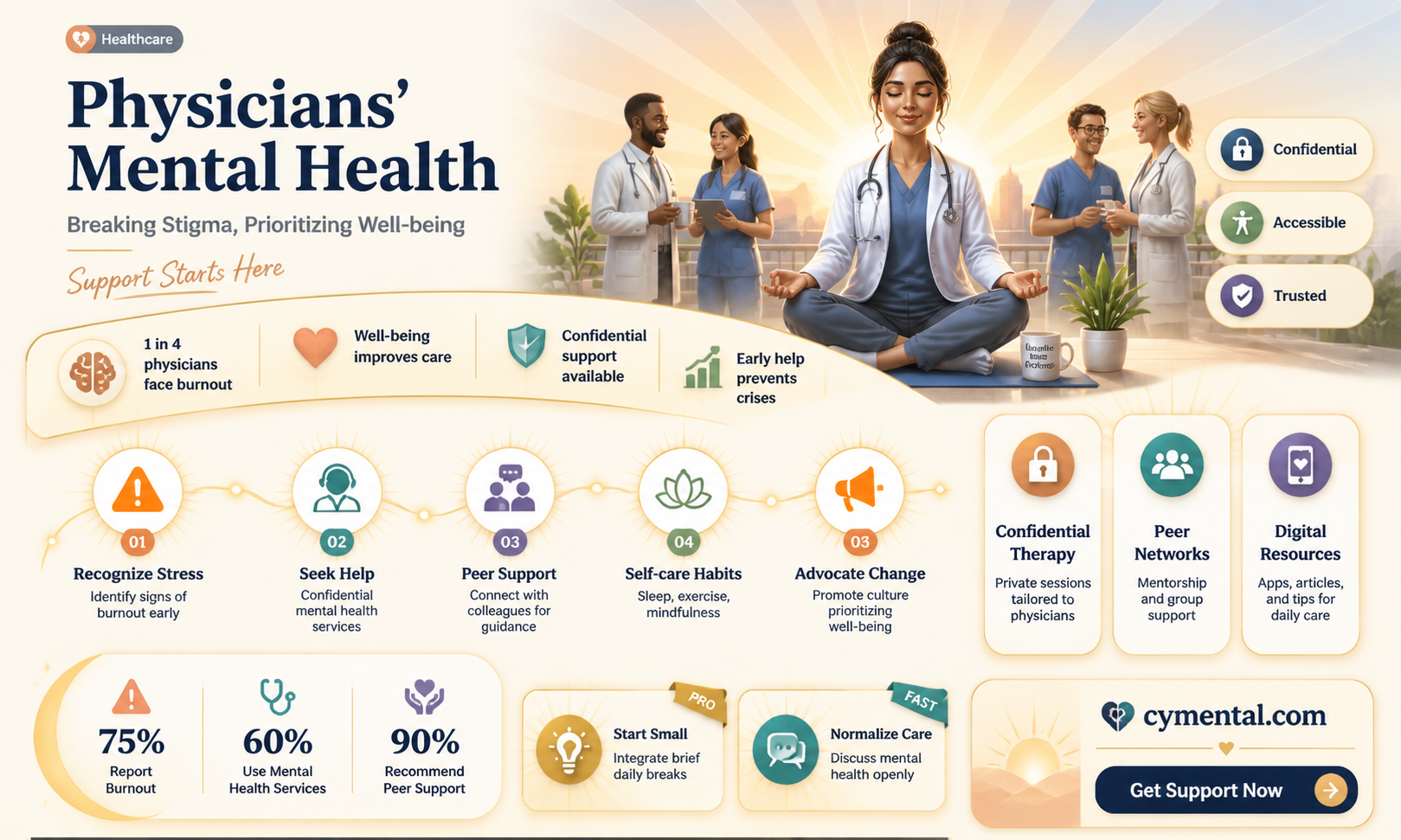
In today's fast-paced and demanding healthcare environment, physicians often face immense pressure, long working hours, and emotionally challenging situations, which can take a significant toll on their mental well-being. Despite being trained to provide care and support to others, many doctors struggle with seeking help for their own mental health concerns due to stigma, fear of judgment, or concerns about professional repercussions. However, it is crucial to recognize that physicians are not immune to mental health issues, and prioritizing their own well-being is essential for both personal and professional reasons. This raises the important question: can a physician seek mental help without facing negative consequences, and what resources are available to support them in doing so? Addressing this topic is vital to fostering a culture of openness, empathy, and self-care within the medical community.
| Characteristics | Values |
|---|---|
| Stigma | Decreasing, but still present. Many physicians fear judgment, discrimination, or impact on their career. |
| Confidentiality Concerns | Physicians worry about privacy and potential reporting to licensing boards. |
| Access to Care | May be limited due to time constraints, fear of recognition, and lack of specialized providers familiar with physician-specific stressors. |
| Professional Culture | Traditionally emphasizes stoicism and self-reliance, making it difficult to admit vulnerability. |
| Legal and Regulatory Issues | Reporting requirements vary by state and condition, creating uncertainty and fear of repercussions. |
| Benefits of Seeking Help | Improved well-being, better patient care, reduced risk of burnout and medical errors. |
| Resources Available | Physician health programs, employee assistance programs, peer support groups, teletherapy, and confidential hotlines. |
| Recent Trends | Increasing awareness of physician mental health, efforts to reduce stigma, and development of specialized resources. |
Explore related products


What You'll Learn

Stigma in medical profession
Physicians, often perceived as pillars of strength and infallibility, face a paradox when it comes to mental health. Despite being trained to heal others, they are less likely to seek help for themselves. A 2018 study in *Mayo Clinic Proceedings* revealed that 40% of physicians experience burnout, yet only 43% of those affected sought professional assistance. This disparity highlights a pervasive issue: stigma within the medical profession itself.
The stigma surrounding mental health in medicine is rooted in a culture of perfectionism and invulnerability. Medical training reinforces the idea that admitting vulnerability is a sign of weakness, potentially jeopardizing one’s career. For instance, the Federation of State Medical Boards notes that physicians may fear reporting mental health issues due to concerns about licensure or malpractice insurance. This fear is not unfounded; some state medical boards still include questions about mental health history on licensing applications, creating a disincentive for physicians to seek help.
Consider the case of Dr. Pamela Wible, a physician who openly discusses her struggles with burnout and suicidal ideation. Her story underscores the isolating nature of the profession, where colleagues often avoid discussing mental health for fear of judgment. This silence perpetuates stigma, leaving physicians to suffer in solitude. Practical steps to combat this include fostering peer support groups, integrating mental health training into medical curricula, and revising licensing policies to protect physicians who seek help.
To dismantle stigma, institutions must lead by example. Hospitals and clinics can implement confidential mental health programs tailored to physicians, ensuring anonymity and accessibility. For instance, the University of Michigan’s *Well-Being Services* offers free counseling sessions and resilience workshops specifically for medical staff. Additionally, normalizing discussions about mental health in staff meetings and grand rounds can shift the culture from one of shame to support.
Ultimately, the stigma in the medical profession is not just a personal issue but a systemic one. Addressing it requires collective action—from revising policies to fostering open dialogue. Physicians must be reminded that seeking help is not a sign of failure but a testament to their commitment to both their patients and themselves. As Dr. Wible aptly puts it, “Healing begins when we stop pretending we’re invincible.”
Supporting Mental Health: Practical Ways to Help Someone in Need
You may want to see also
Explore related products


Confidentiality concerns for physicians
Physicians face unique confidentiality concerns when seeking mental health care, often fearing that their privacy could be compromised within their professional network. Unlike patients, doctors are part of a tightly interconnected community where information can spread quickly, potentially impacting their reputation, career, and patient trust. For instance, a psychiatrist treating a colleague might attend the same medical conferences or serve on the same hospital committees, blurring the lines between professional and therapeutic relationships. This overlap creates a legitimate worry that personal disclosures could become common knowledge, deterring many physicians from seeking the help they need.
To mitigate these risks, physicians should prioritize selecting mental health providers who are not part of their immediate professional circle. Opting for out-of-network therapists or those specializing in treating healthcare professionals can reduce the likelihood of unintended disclosures. Additionally, physicians can request written confidentiality agreements that explicitly outline the provider’s commitment to protecting their privacy. For example, a psychiatrist might agree to avoid discussing the physician’s treatment in any professional setting, even if they cross paths at a medical event. Such proactive measures empower physicians to seek care without fear of their personal struggles becoming public.
Another practical step is leveraging technology to enhance confidentiality. Telehealth platforms, for instance, allow physicians to access mental health services remotely, minimizing the risk of being recognized in a therapist’s waiting room. Encrypted communication tools ensure that sensitive information remains secure during virtual sessions. However, physicians must verify that these platforms comply with HIPAA regulations to avoid accidental breaches. For example, using a non-compliant video conferencing tool could expose their identity and treatment details, defeating the purpose of seeking discreet care.
Despite these safeguards, systemic changes are necessary to address the root of confidentiality concerns. Medical institutions and licensing boards must explicitly protect physicians who seek mental health care, ensuring that doing so does not jeopardize their careers. For instance, removing questions about mental health treatment from licensing renewal applications would eliminate the disincentive to seek help. Similarly, hospitals could implement policies that guarantee anonymity for physicians using employee assistance programs, fostering a culture where seeking support is encouraged rather than stigmatized.
Ultimately, confidentiality concerns are not just personal barriers but institutional failures that perpetuate physician burnout and mental health crises. By combining individual strategies with systemic reforms, the medical community can create an environment where physicians feel safe to prioritize their well-being. After all, a physician who receives adequate mental health care is better equipped to provide compassionate, effective patient care—a benefit that extends far beyond the individual.
Supporting Your Adult Son’s Mental Health: Practical Steps for Parents
You may want to see also
Explore related products



Impact on patient care quality
Physicians experiencing mental health challenges often hesitate to seek help due to stigma, fear of judgment, or concerns about professional repercussions. This reluctance can directly impact patient care quality, as untreated mental health issues may impair clinical decision-making, empathy, and overall performance. For instance, a study published in *Mayo Clinic Proceedings* found that physicians with burnout—a condition closely linked to mental health struggles—are twice as likely to make medical errors. Addressing mental health proactively is not just a personal necessity but a critical component of ensuring safe, effective patient care.
Consider the practical implications: a physician dealing with untreated anxiety or depression may struggle to maintain focus during complex procedures or miss critical details in patient histories. For example, a surgeon experiencing panic attacks might delay surgeries, while a primary care physician with depression could overlook subtle symptoms of a serious condition. These scenarios highlight how mental health directly influences clinical outcomes. Implementing structured mental health support programs within healthcare institutions can mitigate these risks, ensuring physicians are equipped to deliver high-quality care.
From a comparative perspective, industries like aviation prioritize mental health screening and support for pilots, recognizing that their well-being is inseparable from public safety. Healthcare could adopt similar models, such as mandatory mental health check-ins or confidential counseling services. For instance, the UK’s National Health Service (NHS) offers the Practitioner Health Program, a confidential service for doctors and dentists, which has shown to improve both physician well-being and patient outcomes. Such initiatives demonstrate that investing in physician mental health is an investment in patient care quality.
To improve patient care, healthcare organizations should take actionable steps: first, normalize mental health discussions by integrating them into routine wellness programs. Second, provide accessible, confidential resources such as 24/7 helplines or peer support groups. Third, revise policies to protect physicians who seek help from professional penalties. For example, the American Medical Association (AMA) advocates for removing questions about mental health treatment from medical licensing applications, reducing barriers to care. These measures not only support physicians but also safeguard the patients they serve.
Ultimately, the impact of physician mental health on patient care quality is undeniable. By fostering a culture that encourages seeking help without fear, healthcare systems can reduce medical errors, enhance patient trust, and improve overall outcomes. Prioritizing physician well-being is not a luxury—it’s a necessity for delivering the highest standard of care.
Supporting Mental Health: Practical Ways to Help Loved Ones Heal
You may want to see also
Explore related products


Available mental health resources
Physicians, despite their expertise in healthcare, are not immune to mental health challenges. The demanding nature of their profession—long hours, high-stakes decisions, and emotional labor—can lead to burnout, anxiety, and depression. Recognizing this, numerous mental health resources have been tailored specifically for physicians, offering confidential support to address their unique needs. These resources range from peer support programs to specialized therapy services, ensuring that physicians can seek help without fear of stigma or professional repercussions.
One of the most accessible resources is physician-specific helplines and hotlines, which provide immediate support for those in crisis. For example, the Physicians’ Support Line offers 24/7 access to trained counselors who understand the pressures of medical practice. These services are confidential and often free, making them a low-barrier entry point for physicians hesitant to seek help. Additionally, organizations like the American Medical Association (AMA) and the Canadian Medical Association (CMA) have dedicated resources, including toolkits and webinars, to promote mental wellness among doctors.
For those seeking structured, long-term support, therapeutic programs tailored to physicians are increasingly available. Cognitive Behavioral Therapy (CBT) and mindfulness-based interventions have proven effective in managing stress and preventing burnout. Some programs, like the Physician Wellness Program, offer group therapy sessions led by mental health professionals with experience working with medical professionals. These programs often incorporate practical strategies, such as time management techniques and boundary-setting exercises, to help physicians balance their personal and professional lives.
Peer support networks are another vital resource, fostering a sense of community and understanding among physicians. Programs like the Physician Health Program (PHP) connect doctors with peers who have faced similar challenges, providing a safe space to share experiences and coping strategies. These networks often include mentorship opportunities, allowing junior physicians to learn from more experienced colleagues. For instance, the Healer’s Art program combines peer support with reflective practices to help physicians reconnect with the meaning of their work.
Finally, digital mental health platforms have emerged as a convenient option for physicians with busy schedules. Apps like 7 Cups and Talkspace offer anonymous counseling services, while platforms like Ginger provide on-demand access to therapists and psychiatrists. Some of these platforms include features like mood tracking and guided meditations, tailored to address the specific stressors physicians face. While not a replacement for in-person therapy, these tools can serve as a valuable supplement, offering flexibility and accessibility.
In leveraging these resources, physicians can prioritize their mental health without compromising their professional responsibilities. By normalizing the act of seeking help, the medical community can foster a culture of resilience and well-being, ensuring that those who care for others are equally cared for themselves.
Pets and Mental Health: How Furry Friends Boost Well-Being
You may want to see also
Explore related products


Balancing personal and professional life
Physicians often face the challenge of maintaining a healthy equilibrium between their demanding careers and personal well-being, a struggle that can significantly impact their mental health. The nature of medical practice, with its long hours, high-stakes decisions, and emotional intensity, leaves little room for self-care, making it crucial to address this imbalance. This delicate balancing act is not merely about time management but also involves recognizing the unique stressors physicians encounter and implementing strategies to mitigate their effects.
The Impact of Imbalance:
Imagine a scenario where a dedicated doctor, let's call her Dr. Lee, finds herself constantly exhausted, her personal life dwindling as she juggles back-to-back shifts and administrative tasks. This is a common reality for many physicians, leading to burnout, a state of emotional and physical exhaustion. Research indicates that burnout among doctors is associated with increased medical errors, reduced patient satisfaction, and a higher likelihood of depression and anxiety. For instance, a study published in the *Journal of the American Medical Association* revealed that over 40% of physicians experience burnout, with significant consequences for both personal health and professional performance.
Strategies for Equilibrium:
Achieving balance requires a multi-faceted approach. Firstly, setting boundaries is essential. Physicians should negotiate manageable work hours and learn to delegate tasks effectively. For instance, Dr. Lee could advocate for a more sustainable schedule, ensuring she has time for activities outside of work. This might involve saying 'no' to additional shifts or non-essential commitments, a challenging but necessary step. Secondly, self-care practices are vital. Engaging in regular exercise, even if it's a 20-minute walk during a break, can reduce stress and improve mood. Mindfulness techniques, such as meditation or deep breathing exercises, can be powerful tools to manage anxiety and enhance focus.
Practical Implementation:
Here's a practical guide to help physicians take control:
- Schedule Personal Time: Block out dedicated hours for personal activities, treating them as non-negotiable appointments.
- Prioritize Sleep: Aim for 7-9 hours of quality sleep nightly. This may involve creating a relaxing bedtime routine and maintaining a consistent sleep schedule.
- Connect Socially: Foster relationships outside of work. Schedule regular catch-ups with friends and family, ensuring a support network is in place.
- Seek Professional Support: Consider therapy or counseling as a proactive measure. Many healthcare providers offer confidential services tailored to physicians' unique needs.
A Comparative Perspective:
Interestingly, the concept of work-life balance is not universally defined. In some cultures, the integration of personal and professional roles is more accepted, blurring the lines between work and leisure. However, in high-pressure careers like medicine, a clear separation is often necessary for mental well-being. This cultural variation highlights the importance of individualizing balance strategies, ensuring they align with personal values and professional demands.
In the pursuit of balancing personal and professional life, physicians must recognize the signs of imbalance and take proactive steps. By implementing practical strategies and seeking support, they can foster resilience and sustain a fulfilling career while nurturing their mental health. This approach not only benefits the individual but also enhances the quality of patient care, creating a positive cycle of well-being.
Music's Power: Boosting Middle Schoolers' Mental Health and Well-Being
You may want to see also
Frequently asked questions
Yes, physicians can and should seek mental health help. Most medical boards recognize the importance of mental well-being and do not penalize doctors for seeking treatment unless it directly impairs their ability to practice safely.
While stigma may exist, seeking help demonstrates professionalism and self-awareness. Many colleagues and patients respect physicians who prioritize their mental health, as it contributes to better patient care.
Yes, many organizations, such as physician health programs (PHPs) and employee assistance programs (EAPs), offer confidential mental health services tailored to physicians.
Disclosure depends on the situation. In most cases, treatment remains confidential unless the physician poses a risk to patients or themselves. However, some jurisdictions may require reporting under specific circumstances.
Many mental health services offer flexible options, such as telehealth appointments or evening sessions. Prioritizing mental health is essential for long-term career sustainability and patient care.