Noah Parker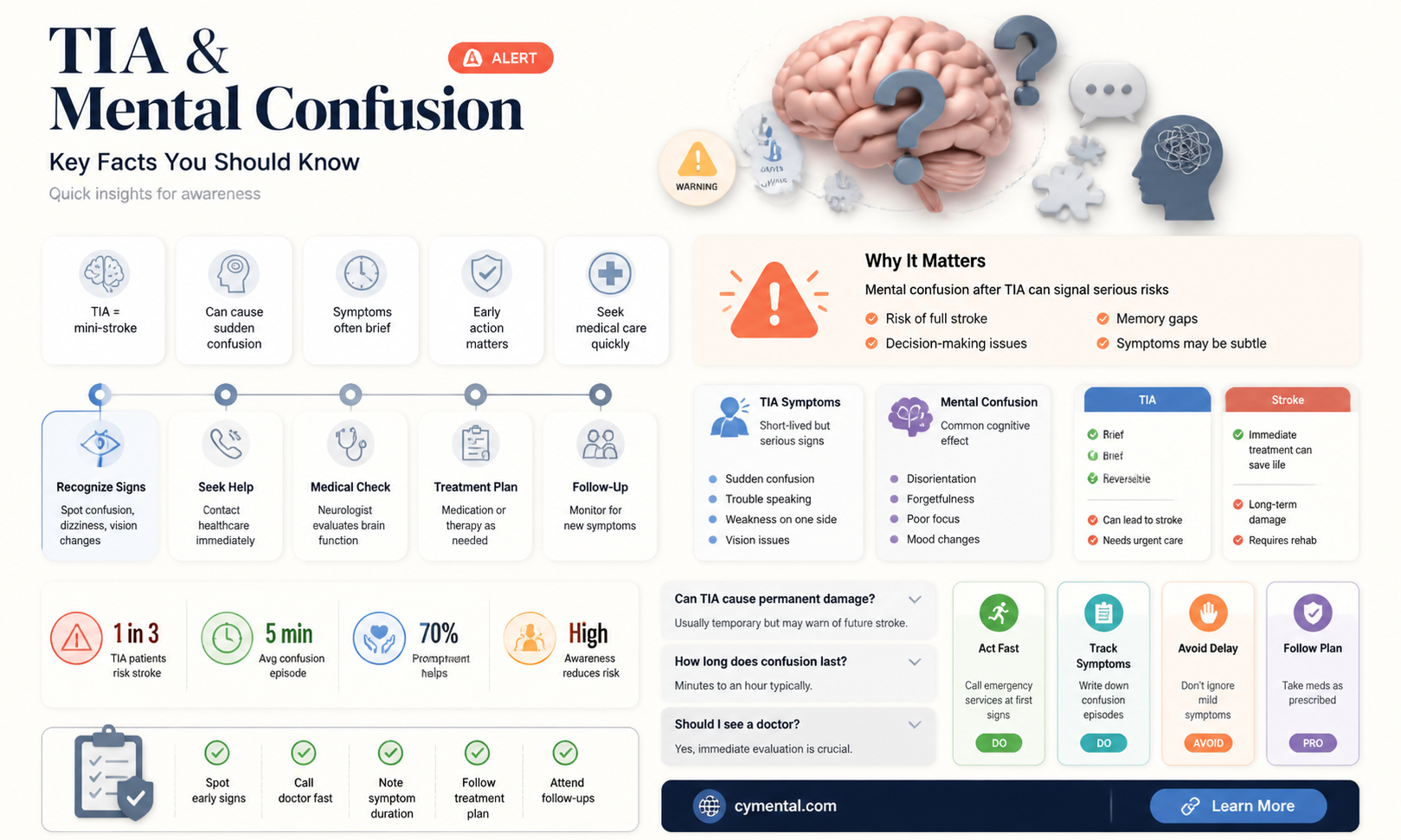
A transient ischemic attack (TIA), often referred to as a mini-stroke, is a temporary disruption of blood flow to the brain that can cause a range of neurological symptoms. One common symptom experienced during a TIA is mental confusion. This confusion may manifest as difficulty understanding speech, problems with memory, or challenges in processing information. While TIAs are temporary and symptoms typically resolve within an hour, they can be a warning sign of a more serious stroke. It is crucial for individuals experiencing a TIA to seek immediate medical attention to prevent potential long-term damage and to address any underlying conditions that may have contributed to the event.
| Characteristics | Values |
|---|---|
| Condition Name | Transient Ischemic Attack (TIA) |
| Common Name | Mini-stroke |
| Definition | A temporary period of symptoms similar to those of a stroke caused by a blockage of blood flow to the brain |
| Symptoms | Sudden onset of weakness, numbness, or paralysis in the face, arm, or leg, especially on one side of the body; sudden severe headache; sudden vision changes; sudden dizziness or loss of balance; sudden difficulty speaking or understanding speech |
| Duration | Symptoms typically last between a few minutes and a few hours, but can persist up to 24 hours |
| Cause | Temporary blockage of an artery supplying blood to the brain, usually due to a blood clot |
| Risk Factors | High blood pressure, high cholesterol, diabetes, smoking, obesity, heart disease, family history of stroke or TIA |
| Diagnostic Tests | CT scan, MRI, blood tests, electrocardiogram (ECG) |
| Treatment | Antiplatelet medications, anticoagulants, surgery to remove the blockage (in some cases) |
| Prognosis | TIAs are often a warning sign of a future stroke; early treatment can reduce the risk of a subsequent stroke |
| Complications | Stroke, heart attack, peripheral artery disease |
| Prevention | Lifestyle changes (e.g., quitting smoking, exercising regularly, eating a healthy diet), managing risk factors (e.g., controlling blood pressure and cholesterol) |
| Mental Confusion | Can occur during or after a TIA due to the temporary disruption of blood flow to the brain, affecting cognitive function |
| Cognitive Symptoms | Difficulty with memory, attention, language, or problem-solving; confusion about time, place, or situation |
| Emotional Symptoms | Anxiety, fear, or depression can occur in response to the TIA and its potential consequences |
| Recovery | Cognitive and emotional symptoms may improve over time with proper treatment and rehabilitation |
Explore related products

What You'll Learn
- TIA and Cognitive Function: Explore how a transient ischemic attack affects brain function and cognition
- Symptoms of Mental Confusion: Detail the specific signs and symptoms of mental confusion that may occur after a TIA
- Duration of Confusion: Discuss how long mental confusion might last following a transient ischemic attack
- Treatment Options: Outline the medical treatments and interventions available to manage mental confusion post-TIA
- Preventive Measures: Provide guidance on lifestyle changes and medical strategies to prevent future TIAs and associated cognitive issues

TIA and Cognitive Function: Explore how a transient ischemic attack affects brain function and cognition
A transient ischemic attack (TIA) is often referred to as a "mini-stroke," but its impact on cognitive function can be significant and long-lasting. While TIAs are typically brief and may not cause permanent physical damage, they can lead to subtle yet profound changes in brain function and cognition. This is because even a short interruption in blood flow to the brain can result in the death of brain cells, which can affect various cognitive processes.
One of the most common cognitive effects of a TIA is difficulty with memory and concentration. Patients may find it challenging to remember recent events or learn new information. This can be particularly frustrating, as it can impact daily activities such as work, school, or even simple tasks like remembering appointments or taking medication on time. Additionally, TIAs can affect executive functions, which include skills like problem-solving, decision-making, and planning. These changes can be subtle, but they can significantly impact a person's ability to manage their daily life.
Another area of cognition that can be affected by a TIA is language. Patients may experience difficulties with speech, such as finding the right words or forming coherent sentences. This can lead to challenges in communication, which can be isolating and distressing. Furthermore, TIAs can impact visual perception, making it harder to interpret what is seen. This can manifest as difficulty with tasks like reading, driving, or recognizing faces.
The emotional and psychological impact of a TIA should not be overlooked. The experience of having a TIA can be frightening and may lead to anxiety or depression. These emotional changes can further exacerbate cognitive difficulties, creating a cycle that can be hard to break. It is essential for healthcare providers to address both the physical and emotional aspects of a TIA to ensure comprehensive care.
In conclusion, while a TIA may be brief, its effects on cognitive function can be profound and far-reaching. Understanding these effects is crucial for patients, caregivers, and healthcare providers to develop effective strategies for managing and recovering from a TIA. By recognizing the potential cognitive changes and addressing them proactively, individuals can improve their quality of life and reduce the long-term impact of a TIA on their brain function and cognition.
Exploring the Complex Link Between Mental Illnesses and Chemical Imbalances
You may want to see also
Symptoms of Mental Confusion: Detail the specific signs and symptoms of mental confusion that may occur after a TIA
Mental confusion following a transient ischemic attack (TIA) can manifest in various ways, often subtly affecting a person's cognitive abilities. One of the primary symptoms is difficulty with memory, particularly short-term memory. Individuals may struggle to recall recent events, conversations, or tasks they were engaged in prior to the TIA. This memory impairment can be frustrating and may lead to a sense of disorientation.
Another common symptom is difficulty with language and communication. People may find it challenging to express themselves clearly, often pausing mid-sentence or using incorrect words. They might also have trouble understanding spoken or written language, which can make following instructions or engaging in conversations difficult. These language difficulties can be particularly distressing, as they can affect a person's ability to communicate effectively with others.
Additionally, individuals may experience problems with attention and concentration. They might find it hard to focus on tasks, easily becoming distracted or losing track of what they were doing. This can impact their ability to complete everyday activities, such as cooking, cleaning, or managing finances. In some cases, people may also exhibit changes in their personality or behavior, becoming more irritable, anxious, or withdrawn.
It's important to note that the symptoms of mental confusion after a TIA can vary widely from person to person. Some individuals may experience only mild difficulties, while others may face more significant challenges. The severity and type of symptoms can depend on factors such as the location and extent of the brain damage caused by the TIA, as well as the individual's overall health and cognitive function prior to the event.
If you or someone you know is experiencing mental confusion following a TIA, it's crucial to seek medical attention. A healthcare professional can conduct a thorough evaluation to determine the cause of the symptoms and recommend appropriate treatment or support. Early intervention can help manage symptoms and improve quality of life.
Exploring the Link: Can Severe Mental Distress Trigger Seizures?
You may want to see also
Duration of Confusion: Discuss how long mental confusion might last following a transient ischemic attack
The duration of mental confusion following a transient ischemic attack (TIA) can vary significantly from person to person. While some individuals may experience confusion for only a few minutes, others might have symptoms that persist for several hours or even days. The length of time that confusion lasts can depend on various factors, including the severity of the TIA, the area of the brain affected, and the individual's overall health and cognitive function prior to the event.
In general, mental confusion after a TIA is a temporary condition, and most people will experience a full recovery within a few days to a few weeks. However, in some cases, confusion may persist or recur, indicating a need for further medical evaluation and intervention. It is essential for individuals who experience a TIA to seek prompt medical attention, as early diagnosis and treatment can help to reduce the risk of future strokes and improve overall outcomes.
During the recovery period, it is common for individuals to experience fluctuations in their cognitive function, with periods of confusion alternating with moments of clarity. This can be a frustrating and unsettling experience, both for the person affected and for their caregivers. It is important to be patient and understanding during this time, and to provide support and assistance as needed.
In some cases, mental confusion after a TIA may be accompanied by other symptoms, such as difficulty with speech, vision problems, or weakness on one side of the body. These symptoms can also vary in duration and severity, and may require additional medical treatment or rehabilitation.
Overall, the duration of mental confusion following a TIA is a complex and multifaceted issue that can depend on a variety of factors. While most people will experience a full recovery within a relatively short period of time, it is important to be aware of the potential for ongoing or recurring symptoms, and to seek medical attention if necessary. With proper care and support, individuals can work towards regaining their cognitive function and returning to their normal activities.
Unraveling the Mind: Mental Illnesses Behind Paranoia
You may want to see also
Treatment Options: Outline the medical treatments and interventions available to manage mental confusion post-TIA
Medical treatments for mental confusion following a transient ischemic attack (TIA) are multifaceted, aiming to both alleviate symptoms and prevent future occurrences. Initially, healthcare providers may prescribe antiplatelet medications such as aspirin or clopidogrel to reduce the risk of blood clots, which can lead to further TIAs or strokes. In some cases, anticoagulant drugs like warfarin or newer oral anticoagulants may be used, particularly if the TIA was caused by a clot in the heart or certain types of stroke.
Cognitive rehabilitation therapy is another crucial component of treatment. This type of therapy involves exercises and activities designed to improve cognitive functions such as memory, attention, and problem-solving. Speech therapy may also be beneficial, as it can help with communication difficulties that may arise from mental confusion.
Lifestyle modifications are often recommended as part of a comprehensive treatment plan. These may include quitting smoking, reducing alcohol consumption, and adopting a healthy diet rich in fruits, vegetables, and whole grains. Regular physical activity and stress management techniques, such as meditation or yoga, can also contribute to overall brain health and reduce the risk of future TIAs.
In some instances, medications to manage specific symptoms of mental confusion, such as anxiety or depression, may be prescribed. However, these should be used cautiously and under close medical supervision, as they can have side effects and may interact with other medications.
It is important for individuals who have experienced a TIA to work closely with their healthcare providers to develop a personalized treatment plan. This plan should address not only the immediate symptoms of mental confusion but also the underlying risk factors to minimize the chance of future TIAs or strokes. Regular follow-up appointments and monitoring are essential to ensure the effectiveness of the treatment and to make any necessary adjustments.
Exploring the Link: Head Injuries and Mental Health Concerns
You may want to see also
Preventive Measures: Provide guidance on lifestyle changes and medical strategies to prevent future TIAs and associated cognitive issues
To prevent future transient ischemic attacks (TIAs) and the cognitive issues they may cause, it is crucial to adopt a proactive approach that combines lifestyle modifications with medical interventions. One of the most effective strategies is to maintain a healthy blood pressure. Hypertension is a significant risk factor for TIAs, and controlling it can greatly reduce the likelihood of future events. This can be achieved through a combination of dietary changes, regular exercise, and, if necessary, medication prescribed by a healthcare provider.
Another key preventive measure is to manage cholesterol levels. High cholesterol can lead to the buildup of plaque in the arteries, increasing the risk of TIAs. A balanced diet low in saturated and trans fats, along with regular physical activity, can help lower cholesterol levels. In some cases, statin medications may be recommended to further reduce cholesterol and prevent cardiovascular events.
Smoking is another major risk factor for TIAs and cognitive decline. Quitting smoking can significantly improve overall health and reduce the risk of future TIAs. There are various resources available to help individuals quit, including nicotine replacement therapies, prescription medications, and support groups.
Regular physical activity is also essential for maintaining cognitive function and preventing TIAs. Exercise can improve blood flow to the brain, reduce inflammation, and promote the growth of new brain cells. Aim for at least 30 minutes of moderate-intensity exercise most days of the week, such as brisk walking, cycling, or swimming.
In addition to these lifestyle changes, it is important to work closely with a healthcare provider to manage any underlying medical conditions that may increase the risk of TIAs, such as diabetes, atrial fibrillation, or sleep apnea. Regular check-ups and adherence to prescribed treatment plans can help prevent future TIAs and protect cognitive health.
By adopting these preventive measures, individuals can take an active role in safeguarding their brain health and reducing the risk of TIAs and associated cognitive issues. It is never too early or too late to make positive changes that can have a lasting impact on overall well-being.
Exploring the Link Between Mental Blocks and Erectile Dysfunction
You may want to see also
Frequently asked questions
Yes, a transient ischemic attack (TIA), often referred to as a "mini-stroke," can cause mental confusion. This is because a TIA occurs when there's a temporary blockage of blood flow to the brain, which can affect cognitive functions.
A TIA affects the brain by temporarily reducing blood flow to a specific area, leading to a lack of oxygen and nutrients. This can cause symptoms such as mental confusion, difficulty speaking, and vision problems.
Symptoms of a TIA can include sudden onset of mental confusion, difficulty speaking or understanding speech, vision problems, dizziness, and weakness or numbness in the face, arm, or leg.
Yes, mental confusion is a common symptom of a TIA. It can manifest as difficulty thinking clearly, remembering things, or making decisions.
If someone suspects they or someone else is having a TIA, they should seek immediate medical attention. A TIA is a medical emergency and can be a warning sign of a more severe stroke.