Noah Parker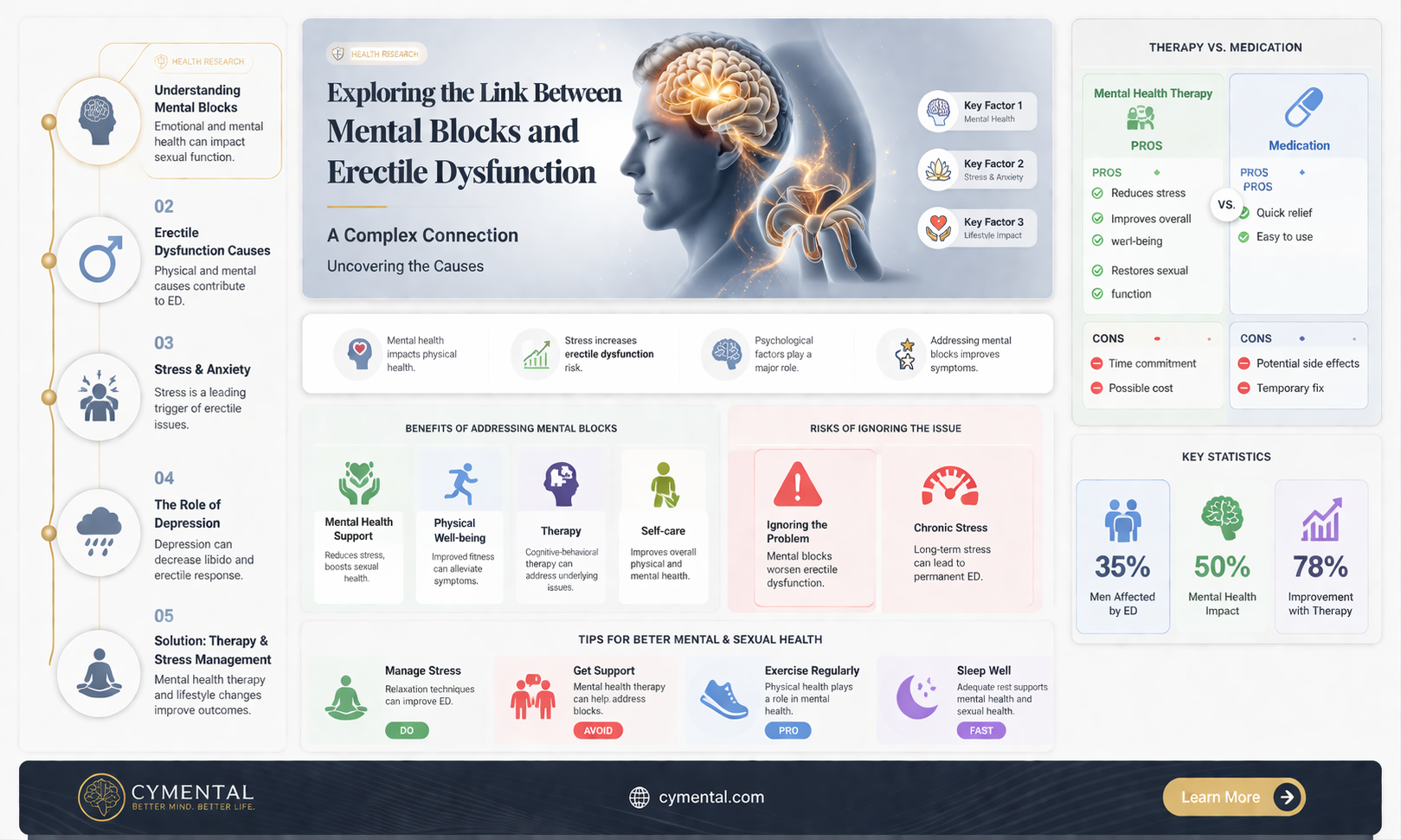
Erectile dysfunction (ED) is a common condition that affects millions of men worldwide, and its causes can be both physical and psychological. While physical factors such as cardiovascular disease, diabetes, and hormonal imbalances are well-known contributors to ED, psychological factors like stress, anxiety, and mental blocks can also play a significant role. A mental block, in particular, can be a challenging issue to address, as it involves a complex interplay between the mind and body. Understanding how mental blocks can lead to ED requires a nuanced exploration of the psychological and physiological mechanisms at play.
Explore related products


What You'll Learn
- Psychological Factors: Stress, anxiety, and depression can lead to mental blocks, affecting sexual performance and causing erectile dysfunction
- Performance Anxiety: Fear of failure or embarrassment during sexual activity can create a mental block, resulting in erectile dysfunction
- Relationship Issues: Conflicts or dissatisfaction in a relationship can contribute to mental blocks, impacting a person's ability to achieve an erection
- Past Trauma: Traumatic experiences, such as sexual abuse or assault, can lead to mental blocks and erectile dysfunction
- Low Self-Esteem: Negative self-perception and lack of confidence can create mental barriers, affecting sexual function and causing erectile issues

Psychological Factors: Stress, anxiety, and depression can lead to mental blocks, affecting sexual performance and causing erectile dysfunction
Stress, anxiety, and depression are significant psychological factors that can lead to mental blocks, affecting sexual performance and causing erectile dysfunction. These mental health conditions can create a cycle of negative thoughts and emotions that interfere with the ability to achieve and maintain an erection. For instance, stress can cause the body to release cortisol, a hormone that can decrease testosterone levels and lead to erectile dysfunction. Anxiety can also play a role, as the fear of not being able to perform sexually can become a self-fulfilling prophecy, leading to increased anxiety and further erectile difficulties.
Depression can have a profound impact on sexual function, as it can lead to a decrease in libido and a lack of interest in sexual activities. This can be due to the changes in brain chemistry that occur with depression, which can affect the production of neurotransmitters like serotonin and dopamine that play a role in sexual desire and function. Additionally, depression can lead to feelings of worthlessness and low self-esteem, which can further exacerbate erectile dysfunction.
It is important to note that psychological factors can interact with physical factors to contribute to erectile dysfunction. For example, stress and anxiety can lead to unhealthy behaviors like smoking, drinking, or overeating, which can in turn contribute to physical health problems like obesity, diabetes, and cardiovascular disease, all of which are risk factors for erectile dysfunction. Therefore, addressing psychological factors is an essential part of treating erectile dysfunction, and may involve therapy, medication, or lifestyle changes.
In terms of treatment, cognitive-behavioral therapy (CBT) has been shown to be effective in addressing psychological factors that contribute to erectile dysfunction. CBT can help individuals identify and challenge negative thought patterns, develop coping strategies for stress and anxiety, and improve communication with sexual partners. Medications like selective serotonin reuptake inhibitors (SSRIs) may also be prescribed to treat depression and anxiety, which can in turn improve sexual function.
Lifestyle changes can also play a role in addressing psychological factors that contribute to erectile dysfunction. Regular exercise, a healthy diet, and adequate sleep can all help to reduce stress and anxiety, and improve overall mental health. Additionally, practicing relaxation techniques like meditation or deep breathing can help to reduce stress and promote a sense of calm, which can be beneficial for sexual function.
In conclusion, psychological factors like stress, anxiety, and depression can have a significant impact on sexual performance and can lead to erectile dysfunction. Addressing these factors through therapy, medication, and lifestyle changes can be an effective way to improve sexual function and overall quality of life.
Unraveling the Genetic Links to Mental Disabilities: A Scientific Exploration
You may want to see also
Explore related products


Performance Anxiety: Fear of failure or embarrassment during sexual activity can create a mental block, resulting in erectile dysfunction
Performance anxiety, a common issue among men, can significantly impact sexual health. The fear of failure or embarrassment during sexual activity can create a mental block, leading to erectile dysfunction. This psychological barrier can be particularly challenging to overcome, as it often stems from deep-seated insecurities and societal pressures.
One of the primary reasons performance anxiety contributes to erectile dysfunction is the heightened stress levels it induces. When a man is anxious about his sexual performance, his body releases stress hormones like cortisol and adrenaline. These hormones can interfere with the normal physiological processes that lead to an erection, such as the relaxation of blood vessels and the increase in blood flow to the penis. Over time, this chronic stress can lead to persistent erectile dysfunction, further exacerbating the anxiety and creating a vicious cycle.
Another factor is the impact of performance anxiety on self-confidence. When a man fears failure in the bedroom, it can erode his sense of self-worth and masculinity. This diminished confidence can make it difficult for him to relax and enjoy sexual activity, leading to a decreased likelihood of achieving an erection. Moreover, the pressure to perform can cause a man to focus excessively on his sexual function, rather than on the pleasure and intimacy of the experience, which can further hinder his ability to achieve an erection.
Performance anxiety can also lead to avoidance behaviors. Men who experience erectile dysfunction due to anxiety may begin to avoid sexual activity altogether, fearing further failure and embarrassment. This avoidance can reinforce the anxiety and make it even more difficult to overcome erectile dysfunction. In some cases, it can also lead to relationship problems, as partners may feel neglected or unattractive.
Fortunately, there are several strategies that can help men overcome performance anxiety and erectile dysfunction. Cognitive-behavioral therapy (CBT) is one effective approach, as it can help men identify and challenge negative thought patterns that contribute to anxiety. Relaxation techniques, such as deep breathing and progressive muscle relaxation, can also be beneficial in reducing stress levels. Additionally, medications like Viagra can help men achieve an erection, which can boost confidence and reduce anxiety over time.
In conclusion, performance anxiety is a significant contributor to erectile dysfunction, as it can create a mental block that interferes with sexual function. By understanding the underlying causes of this anxiety and seeking appropriate treatment, men can overcome erectile dysfunction and improve their sexual health.
The Impact of Toxic Relationships on Mental Health: Unraveling the Connection
You may want to see also
Relationship Issues: Conflicts or dissatisfaction in a relationship can contribute to mental blocks, impacting a person's ability to achieve an erection
Relationship issues can significantly impact a person's mental health and, consequently, their physical well-being. Conflicts or dissatisfaction in a relationship can lead to stress, anxiety, and depression, all of which are known contributors to mental blocks. These mental blocks can manifest in various ways, including difficulties with concentration, memory, and decision-making. In the context of sexual health, such mental blocks can interfere with a person's ability to achieve an erection.
One way relationship issues can contribute to erectile dysfunction is through the creation of performance anxiety. When individuals are under stress or feel inadequate in their relationships, they may develop a fear of not being able to perform sexually, which can become a self-fulfilling prophecy. This anxiety can lead to a decrease in libido and an inability to relax during sexual encounters, making it difficult to achieve an erection.
Moreover, relationship issues can also lead to a breakdown in communication and intimacy between partners. When couples are not communicating effectively, it can create a sense of disconnection and emotional distance. This lack of emotional intimacy can make it challenging for individuals to feel aroused and engaged during sexual activities, further contributing to erectile dysfunction.
In addition to these psychological factors, relationship issues can also have physiological effects. Chronic stress, often resulting from ongoing conflicts or dissatisfaction in a relationship, can lead to changes in hormone levels, including a decrease in testosterone. Low testosterone levels are a known risk factor for erectile dysfunction, as this hormone plays a crucial role in regulating sexual desire and function.
To address erectile dysfunction caused by relationship issues, it is essential to focus on improving communication and intimacy between partners. Couples therapy can be a valuable tool in this regard, as it provides a safe and supportive environment for individuals to express their feelings and work through their issues. Additionally, practicing relaxation techniques, such as deep breathing and meditation, can help reduce stress and anxiety, improving overall sexual function.
In conclusion, relationship issues can have a profound impact on a person's ability to achieve an erection. By addressing these issues and working to improve communication and intimacy, individuals can overcome mental blocks and restore their sexual health.
Exploring the Link: Malnutrition and Mental Health Concerns
You may want to see also
Past Trauma: Traumatic experiences, such as sexual abuse or assault, can lead to mental blocks and erectile dysfunction
Traumatic experiences, such as sexual abuse or assault, can have profound and lasting effects on an individual's mental and physical health. One of the ways in which past trauma can manifest is through mental blocks, which can significantly impact sexual function and lead to erectile dysfunction. This connection is rooted in the complex interplay between psychological trauma and physiological responses.
When an individual experiences trauma, particularly of a sexual nature, it can lead to the development of mental blocks that affect their ability to engage in sexual activities. These mental blocks can be a result of the brain's attempt to protect itself from further harm by suppressing sexual desires or responses. This protective mechanism can, however, have unintended consequences, leading to difficulties in achieving or maintaining an erection.
The impact of past trauma on erectile function is not solely psychological. Trauma can also lead to physiological changes, such as alterations in hormone levels, particularly testosterone, which plays a crucial role in sexual function. Additionally, trauma can affect the nervous system, leading to changes in the way the body responds to sexual stimuli. These physiological changes can further exacerbate the mental blocks associated with past trauma, creating a cycle that can be challenging to break.
It is essential to recognize that the effects of past trauma on erectile function can vary widely from person to person. Some individuals may experience only mild difficulties, while others may struggle with severe erectile dysfunction. The severity of the impact is often influenced by factors such as the nature and duration of the trauma, the individual's coping mechanisms, and the availability of support and treatment.
Addressing the effects of past trauma on erectile function requires a multifaceted approach that includes both psychological and physiological interventions. Cognitive-behavioral therapy (CBT) can be particularly effective in helping individuals to overcome mental blocks and develop healthier sexual responses. Additionally, medications such as phosphodiesterase inhibitors (PDEIs) can be used to treat erectile dysfunction by improving blood flow to the penis. In some cases, a combination of therapy and medication may be necessary to achieve optimal results.
In conclusion, past trauma can have a significant impact on erectile function, leading to mental blocks and physiological changes that can make it difficult to achieve or maintain an erection. Recognizing the connection between trauma and erectile dysfunction is crucial for providing effective treatment and support to those affected. By addressing both the psychological and physiological aspects of trauma, individuals can work towards overcoming these challenges and improving their sexual health.
Exploring the Link: Mental Illness and Seizure Disorders Uncovered
You may want to see also
Low Self-Esteem: Negative self-perception and lack of confidence can create mental barriers, affecting sexual function and causing erectile issues
Low self-esteem can significantly impact a person's mental and emotional well-being, and its effects can extend to sexual health. Negative self-perception and lack of confidence can create mental barriers that affect sexual function, potentially leading to erectile issues. This connection is rooted in the psychological aspects of sexual performance, where self-doubt and anxiety can interfere with the body's natural responses.
One way low self-esteem can manifest in sexual situations is through performance anxiety. Individuals with low self-esteem may worry excessively about their ability to satisfy their partner or achieve an erection, which can lead to a self-fulfilling prophecy. The fear of failure can cause physical symptoms such as increased heart rate, muscle tension, and decreased blood flow to the penis, making it difficult to achieve or maintain an erection.
Moreover, low self-esteem can affect communication and intimacy in relationships. People with negative self-perceptions may struggle to express their desires or concerns openly, leading to misunderstandings and frustration. This lack of communication can create distance between partners and further exacerbate sexual issues. In addition, low self-esteem can lead to a decreased sense of self-worth, making it challenging for individuals to feel desirable or attractive, which can also impact sexual function.
To address the impact of low self-esteem on erectile function, it is essential to focus on building confidence and improving self-perception. This can be achieved through various means, such as therapy, self-help techniques, and open communication with partners. Cognitive-behavioral therapy (CBT) is a particularly effective approach, as it helps individuals identify and challenge negative thought patterns and replace them with more positive and realistic ones.
In conclusion, low self-esteem can create significant mental barriers that affect sexual function and contribute to erectile issues. By addressing the underlying psychological factors and working to improve self-perception and confidence, individuals can overcome these challenges and enhance their sexual health.
The Surprising Link Between Dental Health and Mental Well-being
You may want to see also
Frequently asked questions
Yes, a mental block can cause erectile dysfunction. Psychological factors such as stress, anxiety, and depression can affect a person's ability to achieve and maintain an erection.
Erectile dysfunction caused by mental blocks is relatively common. It is estimated that up to 30% of cases of erectile dysfunction are due to psychological factors.
Some signs that erectile dysfunction may be caused by a mental block include:
- Erection problems that occur only in certain situations, such as during sexual intercourse or when trying to conceive
- Erection problems that occur with a specific partner or in a specific setting
- Erection problems that are accompanied by other symptoms of anxiety or depression, such as difficulty sleeping or concentrating
Erectile dysfunction caused by a mental block can be treated with a variety of methods, including:
- Counseling or therapy to address underlying psychological issues
- Medications such as Viagra or Cialis to help improve blood flow to the penis
- Lifestyle changes, such as reducing stress and anxiety, getting regular exercise, and eating a healthy diet
- Alternative therapies, such as acupuncture or herbal supplements