Lucas Bennett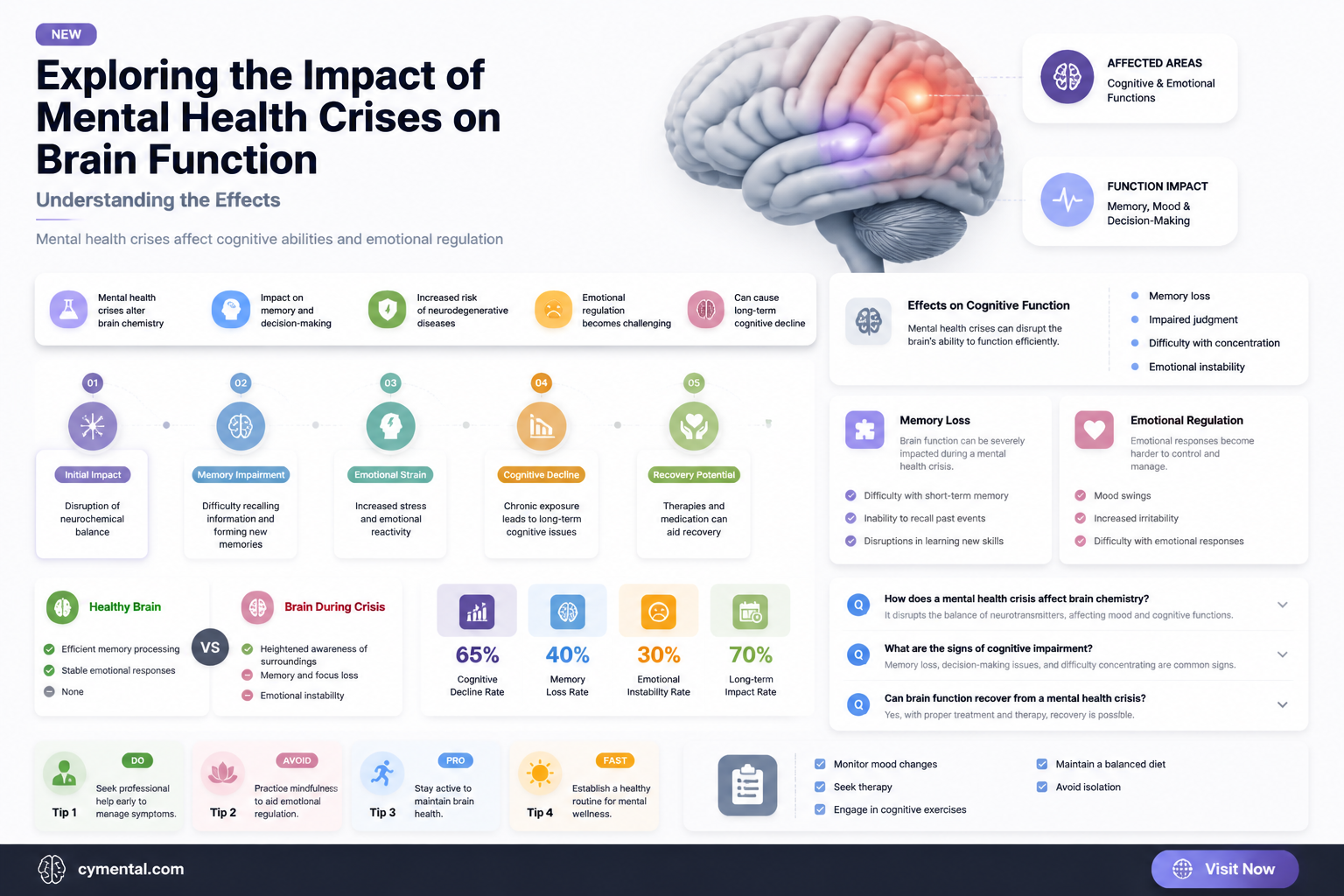
A mental breakdown, often referred to as a nervous breakdown, is a period of intense emotional distress that can significantly impact an individual's ability to function in daily life. While it is primarily a psychological condition, there is ongoing debate and research into its potential effects on the brain. Some studies suggest that severe and prolonged stress, which can lead to a mental breakdown, may cause changes in brain structure and function. These changes could potentially result in long-term damage if not properly addressed. However, it is important to note that the relationship between mental breakdowns and brain damage is complex and not fully understood. Further research is needed to determine the extent of any potential harm and to develop effective treatments that can mitigate these risks.
| Characteristics | Values |
|---|---|
| Definition | A mental breakdown is an acute, time-limited psychiatric disorder characterized by a sudden inability to function normally in daily life. |
| Causes | Stress, trauma, genetic predisposition, substance abuse, medical conditions, and other environmental factors. |
| Symptoms | Inability to cope with daily tasks, withdrawal from social interactions, changes in appetite and sleep patterns, mood swings, confusion, and disorientation. |
| Duration | Varies, but typically lasts from a few days to a few weeks. |
| Treatment | Psychotherapy, medication, hospitalization, and support from friends and family. |
| Prognosis | Generally good with appropriate treatment, but may lead to long-term mental health issues if left untreated. |
| Brain Damage Risk | While a mental breakdown itself does not directly cause brain damage, chronic stress and untreated mental health conditions can contribute to neurological changes. |
| Neurological Impact | Potential for reduced cognitive function, memory impairment, and increased risk of neurodegenerative diseases. |
| Prevention | Maintaining a healthy lifestyle, managing stress, seeking early treatment for mental health issues, and building a strong support network. |
| Research | Ongoing studies are investigating the link between mental health and neurological function, including the potential for reversible brain damage. |
| Public Awareness | Increasing awareness and reducing stigma around mental health issues can encourage early intervention and support. |
| Support Resources | Mental health hotlines, online support groups, community mental health centers, and professional counseling services. |
| Legal Protections | Individuals experiencing a mental breakdown may be eligible for legal protections under mental health laws, ensuring they receive appropriate care and support. |
| Social Impact | A mental breakdown can affect relationships, employment, and overall quality of life, highlighting the importance of accessible mental health care. |
| Economic Burden | The cost of untreated mental health conditions, including potential brain damage, can be significant, emphasizing the need for investment in mental health services. |
What You'll Learn
- Stress and Neuroplasticity: Chronic stress can alter brain structure, affecting areas like the hippocampus and prefrontal cortex
- Neurotransmitter Imbalance: Prolonged mental distress may disrupt neurotransmitter levels, such as serotonin and dopamine, impacting brain function
- Inflammation and Oxidative Stress: Mental breakdowns can trigger inflammation and oxidative stress, potentially causing cellular damage in the brain
- Hormonal Impact: Elevated cortisol levels during mental breakdowns can affect brain health, leading to issues like impaired memory and cognitive function
- Potential for Recovery: Despite potential damage, the brain's plasticity allows for recovery and regeneration with proper treatment and support

Stress and Neuroplasticity: Chronic stress can alter brain structure, affecting areas like the hippocampus and prefrontal cortex
Chronic stress has a profound impact on the brain's structure and function, particularly affecting regions such as the hippocampus and prefrontal cortex. The hippocampus, crucial for memory formation and spatial navigation, can shrink in size due to prolonged exposure to stress hormones like cortisol. This reduction in hippocampal volume can lead to difficulties in forming new memories and may contribute to the development of anxiety and depression.
The prefrontal cortex, responsible for executive functions such as decision-making, impulse control, and emotional regulation, is also vulnerable to the effects of chronic stress. Studies have shown that stress can lead to a decrease in the thickness of the prefrontal cortex, impairing its ability to function effectively. This can result in symptoms such as increased impulsivity, poor decision-making, and heightened emotional reactivity.
Neuroplasticity, the brain's ability to change and adapt in response to experience, plays a significant role in these stress-induced alterations. While neuroplasticity is a beneficial process that allows the brain to learn and grow, chronic stress can hijack this mechanism, leading to maladaptive changes in brain structure and function. Understanding the relationship between stress and neuroplasticity is crucial for developing effective interventions to mitigate the negative effects of chronic stress on the brain.
Research has also explored the potential for stress-induced brain damage to be reversible. Studies in both animals and humans have shown that reducing stress levels through interventions such as mindfulness meditation, exercise, and social support can lead to improvements in brain structure and function. These findings suggest that the brain's plasticity can be harnessed to promote recovery and resilience in the face of chronic stress.
In conclusion, chronic stress can have a significant impact on brain structure, particularly affecting the hippocampus and prefrontal cortex. These changes are mediated through the process of neuroplasticity and can lead to a range of cognitive and emotional difficulties. However, the brain's inherent plasticity also offers hope for recovery and resilience, highlighting the importance of stress management and supportive interventions in maintaining brain health.
Exploring the Complex Link Between Mental Illnesses and Chemical Imbalances
You may want to see also
Neurotransmitter Imbalance: Prolonged mental distress may disrupt neurotransmitter levels, such as serotonin and dopamine, impacting brain function
Prolonged mental distress can significantly disrupt the delicate balance of neurotransmitters in the brain, such as serotonin and dopamine. These chemical messengers play a crucial role in regulating mood, motivation, and cognitive function. When their levels are disturbed, it can lead to a cascade of effects that impact overall brain function and mental health.
Serotonin, for instance, is involved in the regulation of sleep, appetite, and mood. Low levels of serotonin have been linked to depression, anxiety, and insomnia. Dopamine, on the other hand, is associated with reward, motivation, and attention. Imbalances in dopamine levels can contribute to conditions such as Parkinson's disease, schizophrenia, and attention deficit hyperactivity disorder (ADHD).
The disruption of neurotransmitter levels can occur through various mechanisms. Chronic stress, for example, can lead to the overactivation of the hypothalamic-pituitary-adrenal (HPA) axis, which in turn can deplete neurotransmitter stores. Additionally, poor diet, lack of exercise, and inadequate sleep can all contribute to neurotransmitter imbalances.
It is important to note that neurotransmitter imbalances are not the sole cause of mental health issues. Rather, they are one piece of a complex puzzle that involves genetic, environmental, and psychological factors. However, understanding the role of neurotransmitters in mental health can provide valuable insights into the development of effective treatment strategies.
In conclusion, prolonged mental distress can have a profound impact on neurotransmitter levels in the brain, leading to a range of mental health issues. By addressing the underlying causes of neurotransmitter imbalances, such as chronic stress and poor lifestyle habits, individuals can take steps to improve their mental well-being and overall brain function.
Unraveling the Triggers: A Deep Dive into Mental Breakdowns
You may want to see also
Inflammation and Oxidative Stress: Mental breakdowns can trigger inflammation and oxidative stress, potentially causing cellular damage in the brain
Mental breakdowns can have profound physical consequences, one of which is the triggering of inflammation and oxidative stress in the brain. This process can lead to cellular damage, impairing brain function and potentially causing long-term neurological issues.
Inflammation in the brain, often referred to as neuroinflammation, is a complex response involving various immune cells and signaling molecules. During a mental breakdown, the body's stress response system is activated, releasing pro-inflammatory cytokines that can cross the blood-brain barrier and initiate an inflammatory cascade within the central nervous system. This inflammation can disrupt normal brain function, leading to symptoms such as cognitive impairment, mood disturbances, and even neurodegeneration.
Oxidative stress, on the other hand, occurs when there is an imbalance between the production of reactive oxygen species (ROS) and the body's antioxidant defenses. Mental breakdowns can lead to increased ROS production in the brain, overwhelming the antioxidant systems and resulting in cellular damage. This damage can affect neuronal structure and function, contributing to the development of various neurological disorders.
The interplay between inflammation and oxidative stress during a mental breakdown is particularly concerning. Inflammatory processes can exacerbate oxidative stress by releasing ROS-producing enzymes, while oxidative stress can further fuel inflammation by damaging cellular components and triggering the release of pro-inflammatory signals. This vicious cycle can lead to significant brain damage if left unchecked.
Understanding the mechanisms by which mental breakdowns trigger inflammation and oxidative stress is crucial for developing effective interventions. Therapeutic strategies aimed at reducing neuroinflammation and oxidative stress, such as the use of anti-inflammatory drugs, antioxidants, and stress management techniques, may help mitigate the brain damage associated with mental breakdowns. Additionally, promoting a healthy lifestyle, including regular exercise, a balanced diet, and adequate sleep, can help support the body's natural defenses against stress and inflammation.
In conclusion, mental breakdowns can have serious implications for brain health, with inflammation and oxidative stress playing key roles in the potential cellular damage. By addressing these underlying mechanisms, it may be possible to develop more effective treatments and preventive measures for protecting the brain during times of mental distress.
Exploring the Link: Can Herpes Impact Mental Health?
You may want to see also
Hormonal Impact: Elevated cortisol levels during mental breakdowns can affect brain health, leading to issues like impaired memory and cognitive function
Elevated cortisol levels during mental breakdowns can have a profound impact on brain health, leading to issues such as impaired memory and cognitive function. Cortisol, often referred to as the "stress hormone," plays a crucial role in the body's response to stress. However, when cortisol levels remain chronically elevated, as can happen during prolonged periods of mental distress, it can lead to significant neurological consequences.
One of the primary ways in which elevated cortisol levels can affect the brain is by impairing the hippocampus, a region critical for memory formation and spatial navigation. Studies have shown that high cortisol levels can lead to the atrophy of the hippocampus, resulting in difficulties with memory and learning. This can be particularly problematic for individuals experiencing mental breakdowns, as it may exacerbate their cognitive difficulties and hinder their ability to recover.
In addition to memory impairments, elevated cortisol levels can also affect other aspects of cognitive function. For example, research has shown that chronic stress can lead to decreased attention span, reduced problem-solving abilities, and impaired decision-making skills. These cognitive deficits can further compound the challenges faced by individuals during mental breakdowns, making it more difficult for them to cope with their symptoms and manage their daily lives.
Furthermore, elevated cortisol levels can also have a negative impact on the brain's neuroplasticity, or its ability to adapt and change in response to new experiences. This can make it more difficult for individuals to learn new coping strategies or to benefit from therapeutic interventions aimed at improving mental health. In essence, the hormonal changes that occur during mental breakdowns can create a vicious cycle, in which the brain's ability to function is impaired, making it more difficult for individuals to recover and regain their mental health.
It is important to note that the effects of elevated cortisol levels on brain health are not permanent, and there are steps that can be taken to mitigate these effects. For example, engaging in regular exercise, practicing stress-reduction techniques such as meditation or yoga, and seeking professional help can all help to reduce cortisol levels and promote brain health. By taking these steps, individuals can work to counteract the negative effects of mental breakdowns on their cognitive function and overall well-being.
Exploring the Link Between Mental Health and Menstrual Hemorrhages
You may want to see also
Potential for Recovery: Despite potential damage, the brain's plasticity allows for recovery and regeneration with proper treatment and support
The brain's remarkable plasticity is a key factor in its ability to recover from damage caused by mental breakdowns. Plasticity refers to the brain's capacity to reorganize and adapt its structure and function in response to new experiences, learning, and environmental changes. This inherent flexibility allows the brain to compensate for lost or damaged neurons and neural pathways, promoting recovery and regeneration.
Proper treatment and support are crucial in harnessing the brain's plasticity for recovery. This may include a combination of psychotherapy, medication, and lifestyle changes tailored to the individual's specific needs. Cognitive-behavioral therapy (CBT), for example, can help individuals identify and change negative thought patterns, while medications such as antidepressants or mood stabilizers may be prescribed to alleviate symptoms and promote neural healing.
In addition to professional treatment, social support plays a vital role in the recovery process. Connecting with friends, family, or support groups can provide emotional validation, reduce feelings of isolation, and foster a sense of belonging. Engaging in activities that promote mental and physical well-being, such as exercise, meditation, or creative pursuits, can also support the brain's recovery efforts.
It is important to note that the recovery process is not linear and may involve setbacks and challenges. However, with persistence, patience, and the right support, individuals can harness the brain's plasticity to overcome the effects of mental breakdowns and regain their mental health.
Research has shown that the brain's plasticity is most effective when interventions are implemented early in the recovery process. This highlights the importance of seeking help promptly after experiencing a mental breakdown. Early treatment can help prevent long-term damage and promote a more rapid and complete recovery.
In conclusion, the brain's plasticity offers a promising avenue for recovery from mental breakdowns. By leveraging this inherent capacity for change and adaptation, individuals can overcome the effects of brain damage and regain their mental well-being with proper treatment, support, and a commitment to the recovery process.
Unveiling the Psychological Impact: Narcissistic Abuse and Its Mental Health Consequences
You may want to see also
Frequently asked questions
A mental breakdown, also known as a nervous breakdown, is a period of intense emotional distress that can interfere with daily functioning. While it is not a medical term, it is often used to describe a range of mental health issues. In itself, a mental breakdown does not cause brain damage. However, the underlying conditions that lead to a breakdown, such as depression, anxiety, or psychosis, can have long-term effects on brain health if left untreated. Chronic stress, for example, can lead to changes in brain structure and function.
Untreated mental health conditions can have a variety of long-term effects on both physical and mental health. These can include:
- Changes in brain structure and function: Chronic stress and untreated mental health conditions can lead to changes in the brain's structure and function, potentially affecting areas responsible for memory, learning, and emotional regulation.
- Physical health problems: Mental health conditions can increase the risk of physical health problems, such as heart disease, diabetes, and obesity.
- Social and relationship issues: Untreated mental health conditions can strain relationships with family and friends, and may lead to social isolation.
- Reduced quality of life: Mental health conditions can significantly impact a person's quality of life, affecting their ability to work, study, and enjoy daily activities.
Preventing a mental breakdown involves a combination of self-care, lifestyle changes, and professional help when needed. Some strategies include:
- Seeking professional help: If you're experiencing symptoms of a mental health condition, it's important to seek help from a mental health professional. Early treatment can help prevent a breakdown.
- Practicing self-care: Engaging in regular self-care activities, such as exercise, meditation, and spending time with loved ones, can help reduce stress and improve mental health.
- Building a support network: Having a strong support network of family and friends can provide emotional support and help prevent feelings of isolation.
- Learning stress management techniques: Techniques such as deep breathing, progressive muscle relaxation, and mindfulness can help manage stress and prevent it from becoming overwhelming.
- Maintaining a healthy lifestyle: Eating a balanced diet, getting regular exercise, and ensuring adequate sleep can all contribute to better mental health and resilience.