Noah Parker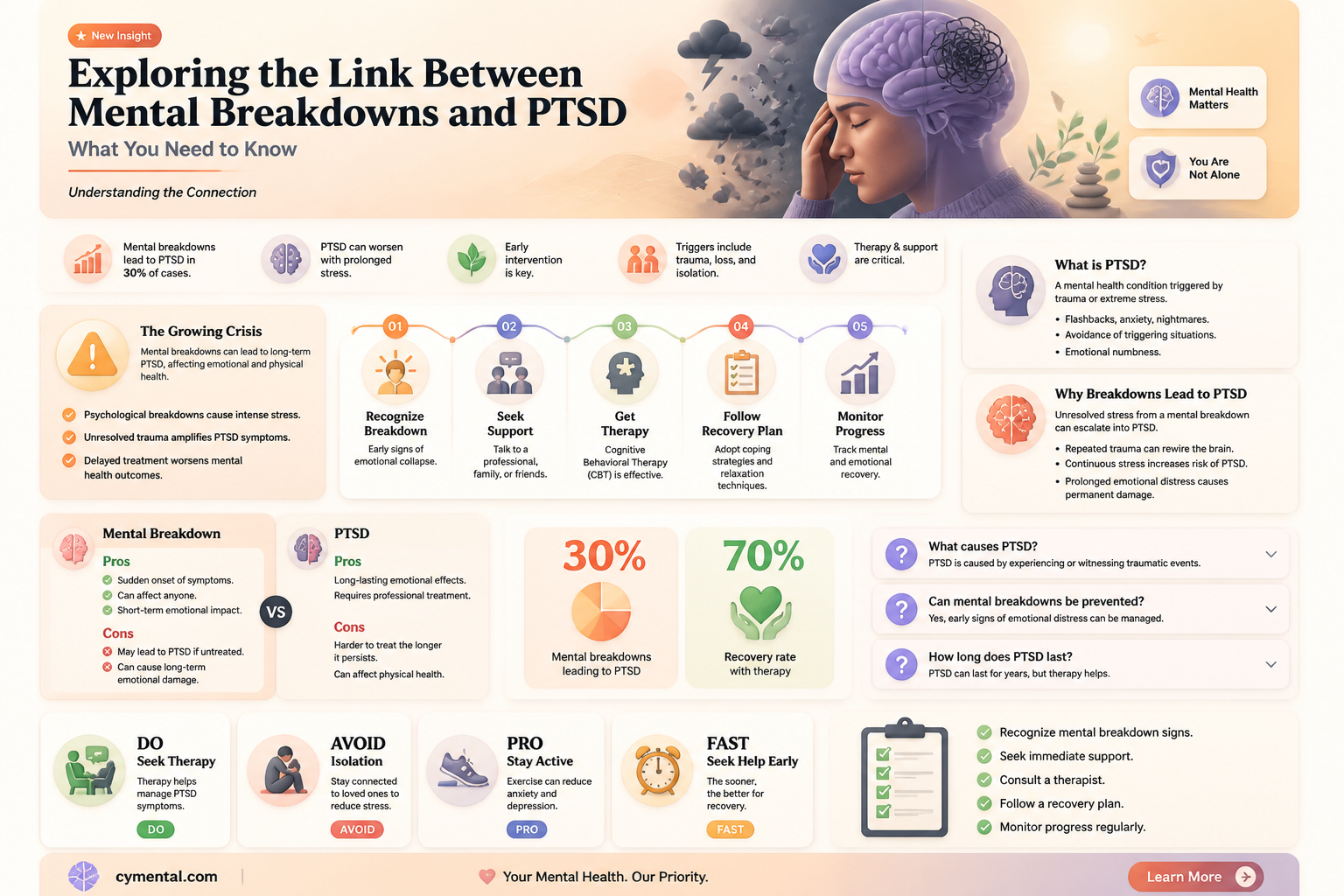
A mental breakdown, characterized by an acute episode of psychological distress, can indeed be a precursor to Post-Traumatic Stress Disorder (PTSD). When an individual experiences a mental breakdown, they may be overwhelmed by intense emotions, thoughts, and physical symptoms that impair their ability to function. This state of acute distress can be triggered by a traumatic event, which is a key criterion for the development of PTSD. The traumatic event can be a singular, catastrophic occurrence or a series of ongoing stressors that culminate in a breakdown. During this vulnerable state, the individual's psychological defenses may be compromised, making them more susceptible to the development of PTSD symptoms such as intrusive memories, avoidance behaviors, and heightened arousal. It is crucial to recognize the signs of a mental breakdown and provide appropriate support and treatment to mitigate the risk of PTSD and promote recovery.
| Characteristics | Values |
|---|---|
| Definition | A mental breakdown is an acute, time-limited psychiatric disorder characterized by a sudden onset of severe symptoms, such as anxiety, depression, or dissociation, that interfere with daily functioning. PTSD (Post-Traumatic Stress Disorder) is a chronic mental health condition triggered by a traumatic event, leading to symptoms like flashbacks, nightmares, and severe anxiety. |
| Causality | While a mental breakdown can be a precursor to PTSD, it is not a direct cause. PTSD is typically caused by exposure to a traumatic event, which can lead to a mental breakdown as an immediate response. |
| Symptoms Overlap | Both conditions share some symptoms, such as anxiety, depression, and dissociation. However, PTSD includes specific symptoms like flashbacks, nightmares, and avoidance behaviors related to the traumatic event. |
| Duration | A mental breakdown is usually short-term, lasting from a few days to a few weeks. PTSD is a long-term condition that can persist for months or years without treatment. |
| Treatment | Treatment for a mental breakdown often involves crisis intervention, therapy, and sometimes medication to manage symptoms. PTSD treatment includes cognitive-behavioral therapy (CBT), exposure therapy, and medication to help manage symptoms and improve quality of life. |
| Prognosis | The prognosis for a mental breakdown is generally good with appropriate treatment, as most individuals recover within a few weeks. PTSD has a more variable prognosis, with some individuals experiencing long-term symptoms and others recovering with treatment. |
| Risk Factors | Risk factors for a mental breakdown include personal or family history of mental illness, substance abuse, and exposure to traumatic events. PTSD risk factors include experiencing or witnessing a traumatic event, having a history of mental illness, and lacking a strong support system. |
| Comorbidity | A mental breakdown can co-occur with other mental health conditions, such as depression or anxiety disorders. PTSD often co-occurs with depression, anxiety, substance abuse, and other trauma-related disorders. |
| Impact on Daily Life | A mental breakdown can significantly impair daily functioning, affecting work, relationships, and overall well-being. PTSD can also have a profound impact on daily life, leading to difficulties in maintaining relationships, employment, and a sense of safety. |
| Prevention | Preventing a mental breakdown involves managing stress, seeking support, and addressing underlying mental health issues. PTSD prevention focuses on early intervention after a traumatic event, providing support and therapy to help individuals process the trauma and reduce the risk of developing PTSD. |
Explore related products

$22.99 $22.99


What You'll Learn

Definition and Symptoms of PTSD
Post-Traumatic Stress Disorder (PTSD) is a mental health condition that can develop after experiencing or witnessing a traumatic event. It is characterized by a range of symptoms that can significantly impact a person's daily life and well-being. These symptoms can be grouped into four main categories: intrusive memories, avoidance, negative changes in thinking and mood, and changes in physical and emotional reactions.
Intrusive memories are a hallmark of PTSD and can manifest as flashbacks, nightmares, or distressing thoughts about the traumatic event. These memories can be triggered by various stimuli, such as sounds, smells, or visual cues, and can cause significant emotional distress. Avoidance behaviors are another common symptom, where individuals may avoid places, people, or activities that remind them of the trauma. This avoidance can lead to social isolation and a reduced quality of life.
Negative changes in thinking and mood can also occur, leading to feelings of guilt, shame, or hopelessness. Individuals may struggle with memory problems, difficulty concentrating, or negative self-perceptions. These cognitive and emotional changes can further exacerbate the distress caused by PTSD.
Changes in physical and emotional reactions are another key symptom category. Individuals may experience heightened arousal, leading to symptoms such as increased heart rate, rapid breathing, or muscle tension. They may also have difficulty sleeping or experience irritability and outbursts of anger. These physical and emotional changes can make it challenging for individuals to cope with daily stressors and maintain healthy relationships.
It is important to note that PTSD can affect anyone, regardless of age, gender, or background. While it is often associated with military service, it can also result from other traumatic experiences such as natural disasters, accidents, or violent crimes. Early recognition and treatment are crucial in managing PTSD symptoms and improving overall well-being.
Exploring the Link: Brain Hemorrhage and Mental Filter Effects
You may want to see also
Explore related products


$21.99 $42.99

$9.98 $19.99


Causes and Risk Factors of PTSD
Post-Traumatic Stress Disorder (PTSD) is a complex mental health condition that can develop after experiencing or witnessing a traumatic event. While the exact causes of PTSD are not fully understood, several risk factors have been identified that can increase an individual's likelihood of developing the disorder.
One significant risk factor is the nature and severity of the traumatic event itself. Events that involve intense fear, helplessness, or horror, such as combat, natural disasters, or violent assaults, can have a profound impact on the brain's stress response system. Additionally, the duration and frequency of the trauma can also play a role, with prolonged or repeated exposure to traumatic situations increasing the risk of PTSD development.
Another important risk factor is an individual's genetic predisposition. Research has shown that certain genetic variations can affect the brain's ability to regulate stress hormones, making some people more susceptible to PTSD. Furthermore, individuals with a family history of mental health disorders, particularly anxiety and depression, may be at a higher risk of developing PTSD.
Environmental factors can also contribute to the development of PTSD. For example, individuals who experience social isolation, lack of support, or ongoing life stressors may be more likely to develop the disorder. Additionally, certain occupations, such as military service or emergency response work, can expose individuals to traumatic events and increase their risk of PTSD.
It is also important to consider the role of neurobiological factors in PTSD. Studies have shown that traumatic experiences can lead to changes in brain structure and function, particularly in areas responsible for emotional regulation and memory processing. These changes can contribute to the development of PTSD symptoms, such as intrusive memories, emotional numbing, and hyperarousal.
In conclusion, PTSD is a multifaceted disorder with a variety of risk factors that can contribute to its development. Understanding these factors can help inform prevention and treatment strategies, ultimately improving outcomes for individuals affected by this debilitating condition.
Unraveling the Complex Link: Mental Health and Suicides
You may want to see also
Explore related products

$30.24 $57.99


The Relationship Between Mental Breakdown and PTSD
A mental breakdown can indeed be a precursor to Post-Traumatic Stress Disorder (PTSD). When an individual experiences a mental breakdown, they are often overwhelmed by stress, anxiety, or other emotional challenges to the point where they cannot function normally. This state of acute distress can be a fertile ground for PTSD to develop, especially if the breakdown is triggered by a traumatic event.
The relationship between a mental breakdown and PTSD is complex and multifaceted. A mental breakdown can be seen as a form of psychological collapse, where an individual's coping mechanisms are no longer effective. This can lead to a heightened state of vulnerability, making them more susceptible to developing PTSD if they are exposed to traumatic stimuli. Furthermore, the symptoms of a mental breakdown, such as dissociation, emotional numbness, and hyperarousal, can be similar to those of PTSD, which can complicate diagnosis and treatment.
It is important to note that not all mental breakdowns will lead to PTSD, and not all individuals who experience PTSD will have had a mental breakdown. However, the two conditions can be interconnected, and understanding this relationship is crucial for effective treatment and prevention strategies. Mental health professionals should be aware of the potential for PTSD to develop in individuals who have experienced a mental breakdown, and should monitor them closely for signs of this condition.
In terms of treatment, addressing the underlying causes of the mental breakdown can be an important step in preventing or mitigating the development of PTSD. This may involve therapy, medication, or other interventions aimed at reducing stress and improving emotional regulation. Additionally, providing support and resources to individuals who have experienced a mental breakdown can help them to rebuild their coping mechanisms and reduce their risk of developing PTSD.
Overall, the relationship between mental breakdown and PTSD is a critical area of study and practice in the field of mental health. By understanding this relationship, we can better support individuals who are struggling with these conditions and work towards more effective prevention and treatment strategies.
Exploring the Link: Epilepsy and Mental Health in Adulthood
You may want to see also
Explore related products


Treatment Options for PTSD
Post-Traumatic Stress Disorder (PTSD) is a complex mental health condition that can develop after experiencing or witnessing a traumatic event. While it's often associated with combat veterans, PTSD can affect anyone who has endured significant stress or trauma. The good news is that there are several effective treatment options available to help manage and alleviate the symptoms of PTSD.
One of the most common and effective treatments for PTSD is Cognitive Behavioral Therapy (CBT). CBT is a type of talk therapy that helps individuals identify and change negative thought patterns and behaviors. In the context of PTSD, CBT can help patients process their traumatic experiences and develop coping strategies to deal with triggers and symptoms.
Another treatment option is Eye Movement Desensitization and Reprocessing (EMDR). EMDR is a specialized form of therapy that uses eye movements to help process traumatic memories. By guiding the patient's eye movements while they recall the traumatic event, EMDR can help reduce the intensity of the associated emotions and reactions.
Medication can also play a role in treating PTSD. Selective Serotonin Reuptake Inhibitors (SSRIs) and Serotonin-Norepinephrine Reuptake Inhibitors (SNRIs) are commonly prescribed to help manage symptoms such as depression, anxiety, and sleep disturbances. In some cases, other medications may be used to address specific symptoms or co-occurring conditions.
In addition to these traditional treatments, there are also alternative and complementary therapies that can be helpful for individuals with PTSD. These may include yoga, meditation, acupuncture, and art therapy. Such approaches can help reduce stress, improve mood, and provide a sense of calm and control.
It's important to note that each person's experience with PTSD is unique, and what works for one individual may not work for another. Therefore, it's crucial to work with a mental health professional to develop a personalized treatment plan that addresses the specific needs and circumstances of the patient. With the right combination of therapies and support, it is possible to manage and overcome the challenges posed by PTSD.
Unraveling the Mind: Understanding Mental Illnesses Behind Delusions
You may want to see also
Explore related products

$14.2 $44.99

$20.49 $36.99


Coping Strategies and Support for PTSD Sufferers
Individuals suffering from PTSD often find solace in various coping strategies that help manage their symptoms. One effective approach is cognitive-behavioral therapy (CBT), which focuses on altering negative thought patterns and behaviors. This therapy can be particularly beneficial in addressing the intrusive thoughts and flashbacks associated with PTSD. Another therapeutic option is eye movement desensitization and reprocessing (EMDR), which helps individuals process traumatic memories more effectively.
In addition to professional therapy, there are several self-help strategies that PTSD sufferers can employ. Mindfulness practices, such as meditation and deep breathing exercises, can help reduce anxiety and promote relaxation. Regular physical activity is also crucial, as it can improve mood and reduce stress levels. Engaging in hobbies and activities that bring joy can provide a much-needed distraction from PTSD symptoms.
Support from friends and family is invaluable for those dealing with PTSD. Loved ones can offer emotional support, help with daily tasks, and provide a sense of security. Joining a support group can also be beneficial, as it allows individuals to connect with others who understand their experiences. Online resources and helplines are available for those who may not have access to in-person support.
It's important for PTSD sufferers to be patient with themselves and recognize that recovery is a gradual process. Setting realistic goals and celebrating small victories can help maintain motivation. Additionally, avoiding triggers, such as certain places or activities that evoke traumatic memories, can be helpful in managing symptoms. However, it's crucial to work with a therapist to develop a plan for gradually facing and overcoming these triggers.
In conclusion, coping with PTSD requires a multifaceted approach that includes professional therapy, self-help strategies, and support from loved ones. By combining these elements, individuals can develop effective coping mechanisms and work towards recovery.
Exploring the Long-Term Effects of Mental Breakdowns: Can They Cause Permanent Damage?
You may want to see also
Frequently asked questions
Yes, a mental breakdown can cause PTSD. A mental breakdown often involves experiencing extreme stress, anxiety, or depression, which can lead to symptoms of PTSD such as flashbacks, nightmares, and severe anxiety.
Common symptoms of PTSD include intrusive memories or flashbacks, nightmares, severe anxiety, uncontrollable thoughts about the traumatic event, and avoidance of things that remind you of the trauma. Physical symptoms can also occur, such as increased heart rate, difficulty breathing, and muscle tension.
PTSD is typically treated with a combination of psychotherapy and medication. Cognitive-behavioral therapy (CBT) and exposure therapy are common types of psychotherapy used to treat PTSD. Medications such as antidepressants and anti-anxiety drugs can also be prescribed to help manage symptoms.