Ava Ramirez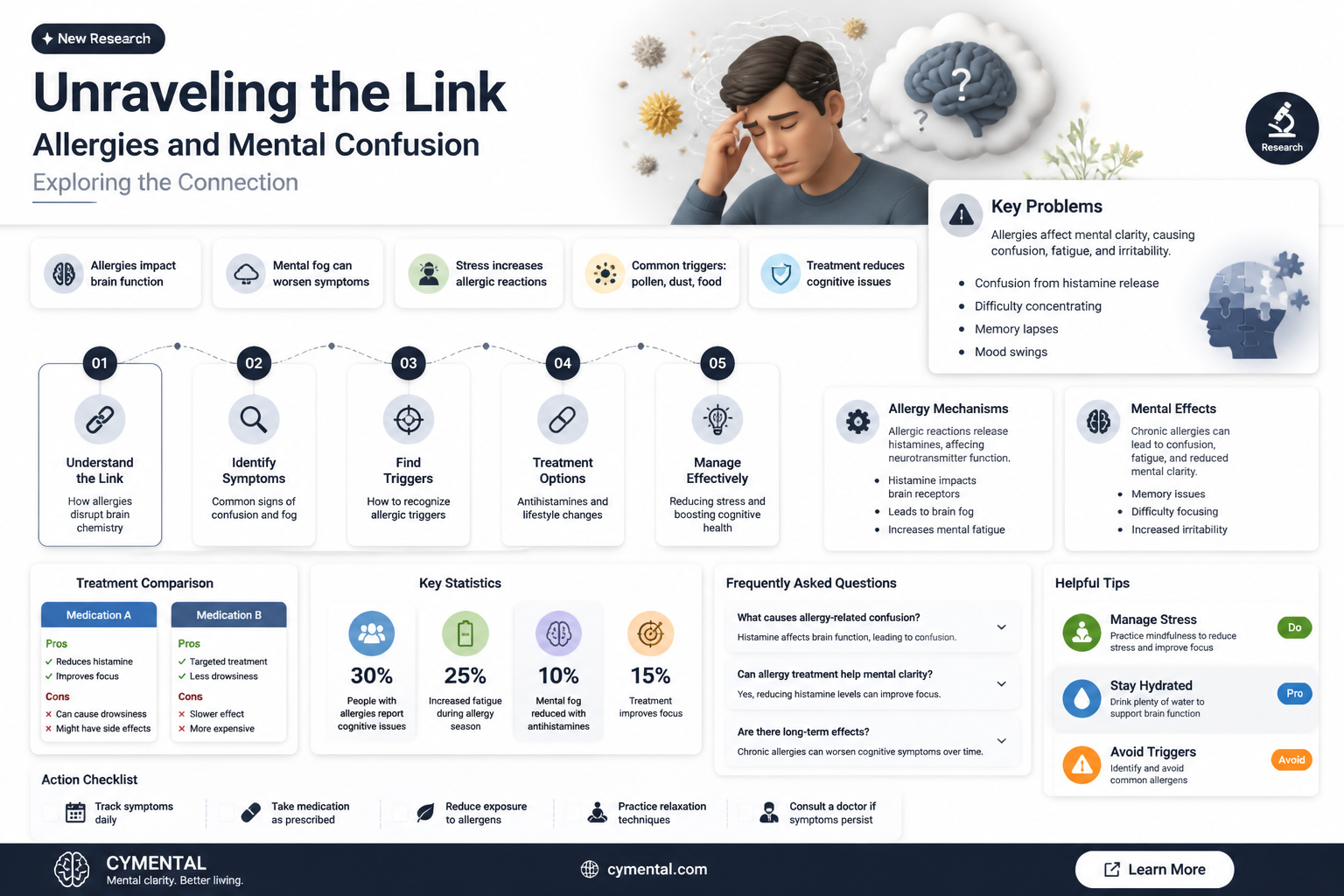
Allergies are a common condition that affects millions of people worldwide, causing a range of symptoms from mild to severe. While most people are aware of the physical symptoms of allergies, such as sneezing, itching, and difficulty breathing, fewer are aware of the potential mental health impacts. Research has shown that allergies can cause mental confusion, cognitive impairment, and even mood disorders. This is because the immune system's response to allergens can lead to inflammation in the brain, disrupting normal cognitive function. Additionally, the stress and anxiety associated with managing allergies can exacerbate mental health issues. Understanding the link between allergies and mental confusion is crucial for developing effective treatment strategies and improving the overall quality of life for those affected by allergies.
Explore related products


What You'll Learn

Allergic reactions affecting cognitive function
Allergic reactions can have a profound impact on cognitive function, often leading to mental confusion. This is primarily due to the body's inflammatory response to allergens, which can affect brain function. When an individual is exposed to an allergen, their immune system releases histamines and other inflammatory chemicals. These substances can cross the blood-brain barrier and interfere with neurotransmitter function, leading to symptoms such as difficulty concentrating, memory problems, and even mood changes.
One of the key mechanisms by which allergies affect cognitive function is through the disruption of the gut-brain axis. The gut and the brain are connected through a complex network of nerves and hormones, and disruptions in this connection can lead to cognitive impairments. Allergic reactions can cause inflammation in the gut, which can then send signals to the brain that disrupt normal cognitive processes.
In addition to the direct effects of inflammation, allergic reactions can also lead to mental confusion indirectly through sleep disturbances. Allergies can cause nasal congestion, itching, and other symptoms that make it difficult to sleep. Chronic sleep deprivation has been shown to impair cognitive function, including memory, attention, and decision-making abilities.
Furthermore, the psychological impact of living with allergies should not be underestimated. The constant worry about potential allergic reactions can lead to anxiety and stress, which can also impair cognitive function. Studies have shown that individuals with allergies are more likely to experience anxiety and depression, which can further exacerbate cognitive difficulties.
It is important to note that the effects of allergies on cognitive function can vary widely from person to person. Some individuals may experience only mild cognitive impairments, while others may have more severe symptoms. The severity of the allergic reaction, the type of allergen, and the individual's overall health can all play a role in determining the impact on cognitive function.
In conclusion, allergic reactions can indeed cause mental confusion through a variety of mechanisms, including inflammation, disruption of the gut-brain axis, sleep disturbances, and psychological impacts. Understanding these connections can help individuals with allergies to better manage their symptoms and maintain their cognitive health.
Exploring the Link: Chest Infections and Mental Confusion
You may want to see also
Explore related products





Mental confusion symptoms linked to allergies
Recent studies have uncovered a surprising link between allergies and mental confusion, suggesting that allergic reactions may not only affect the body but also the brain. This connection is believed to be due to the release of histamines and other inflammatory chemicals during an allergic response, which can cross the blood-brain barrier and interfere with cognitive functions.
One of the key symptoms of mental confusion linked to allergies is difficulty concentrating. Individuals may find it challenging to focus on tasks, follow conversations, or remember important information. This cognitive impairment can be particularly problematic in work or school settings, where concentration is crucial for performance.
Another symptom is a feeling of fogginess or haziness in the mind. This can manifest as a lack of clarity in thought processes, making it difficult to make decisions or solve problems effectively. Some individuals may also experience mood swings, irritability, or anxiety, which can further exacerbate mental confusion.
It is important to note that these symptoms can vary in severity and may not always be directly attributed to allergies. However, if an individual experiences persistent mental confusion, it may be worth considering the possibility of an underlying allergic condition. Consulting with a healthcare professional can help determine the cause of these symptoms and guide appropriate treatment options.
In some cases, managing allergies through medication, lifestyle changes, or immunotherapy can help alleviate mental confusion symptoms. By addressing the root cause of the allergic reaction, individuals may experience an improvement in cognitive function and overall mental clarity.
In conclusion, the link between allergies and mental confusion is a complex and multifaceted issue that warrants further research. Understanding this connection can help individuals and healthcare professionals develop more effective strategies for managing both allergic reactions and their associated cognitive symptoms.
Exploring the Link: Can AIDS Contribute to Mental Illness?
You may want to see also
Explore related products


Impact of allergies on mental clarity
Allergies can significantly impact mental clarity, leading to symptoms such as difficulty concentrating, memory problems, and reduced cognitive function. This is often due to the body's immune response to allergens, which can cause inflammation and disrupt normal brain function. For example, seasonal allergies can lead to sinus congestion, which may result in headaches and fatigue, further impairing mental clarity.
Moreover, chronic allergies can lead to long-term cognitive impairment, especially in children and older adults. Studies have shown that children with allergies are more likely to experience learning difficulties and behavioral problems, while older adults may be at a higher risk for developing conditions such as Alzheimer's disease. This highlights the importance of managing allergies effectively to prevent potential long-term effects on mental health.
In addition to the direct impact on brain function, allergies can also affect mental clarity indirectly through sleep disturbances. Allergic reactions can cause symptoms such as itching, sneezing, and congestion, which can make it difficult to fall asleep or stay asleep. Lack of sleep can then lead to daytime fatigue, irritability, and difficulty concentrating, further exacerbating the impact of allergies on mental clarity.
To mitigate the effects of allergies on mental clarity, it is essential to identify and avoid allergens whenever possible. This may involve making changes to one's environment, such as removing pet dander or dust mites, or taking medications to control allergy symptoms. Additionally, maintaining a healthy lifestyle, including regular exercise and a balanced diet, can help support overall brain function and reduce the impact of allergies on mental clarity.
In conclusion, allergies can have a significant impact on mental clarity, affecting both cognitive function and overall well-being. By understanding the mechanisms behind this impact and taking steps to manage allergy symptoms, individuals can help protect their mental health and improve their quality of life.
Exploring the Link: Sinus Infections and Mental Health Changes
You may want to see also
Explore related products


Allergy-induced brain fog: Causes and effects
Allergy-induced brain fog is a phenomenon where individuals experience cognitive impairment due to allergic reactions. This condition can manifest as difficulty concentrating, memory problems, and a general sense of mental confusion. The primary cause of this brain fog is the body's immune response to allergens, which can lead to inflammation and the release of histamines. These histamines, while essential for combating allergens, can also affect brain function by interfering with neurotransmitter activity and blood flow to the brain.
The effects of allergy-induced brain fog can vary widely among individuals. Some may experience mild symptoms that are merely annoying, while others may suffer from severe cognitive impairment that interferes with daily activities and work performance. In addition to the direct cognitive effects, this condition can also lead to secondary issues such as increased stress, anxiety, and depression due to the frustration and limitations it imposes.
One of the challenges in diagnosing allergy-induced brain fog is that its symptoms can be similar to those of other conditions, such as chronic fatigue syndrome, fibromyalgia, and even certain neurological disorders. Therefore, it is crucial for healthcare providers to consider a patient's medical history, including any known allergies, and to conduct thorough evaluations to rule out other potential causes.
Treatment for allergy-induced brain fog typically involves managing the underlying allergies. This may include avoiding known allergens, using antihistamines or other allergy medications, and in some cases, undergoing allergy shots or immunotherapy. Lifestyle changes, such as improving sleep quality, reducing stress, and maintaining a healthy diet, can also help alleviate symptoms and improve overall cognitive function.
In conclusion, allergy-induced brain fog is a complex condition that can significantly impact an individual's quality of life. By understanding its causes and effects, and by working closely with healthcare providers, those affected can develop effective strategies to manage their symptoms and improve their cognitive health.
Unseen Scars: The Mental and Emotional Toll of Restraints
You may want to see also
Explore related products


$15.89



Managing mental confusion caused by allergies
Allergies can significantly impact mental clarity and cognitive function, often leading to a state of mental confusion. This confusion arises due to the body's inflammatory response to allergens, which can affect brain function. Managing this mental fog requires a multifaceted approach that goes beyond just treating the physical symptoms of allergies.
One effective strategy is to maintain a detailed food and symptom diary. This helps in identifying specific allergens that may be contributing to mental confusion. By tracking what you eat and how you feel, you can pinpoint patterns and make informed decisions about dietary changes. For instance, if you notice that consuming dairy products leads to increased mental fog, you may consider reducing or eliminating dairy from your diet.
Another crucial step is to ensure proper sleep hygiene. Allergies can disrupt sleep patterns, leading to fatigue and exacerbated mental confusion. Creating a sleep-conducive environment, such as keeping the bedroom cool and free of allergens, and establishing a consistent sleep schedule, can help improve sleep quality. Additionally, avoiding screens and stimulating activities before bedtime can promote better sleep.
Regular physical activity is also beneficial in managing mental confusion caused by allergies. Exercise helps to reduce inflammation and improve overall brain function. Engaging in activities like walking, swimming, or yoga can provide both physical and mental benefits. It's important to choose activities that you enjoy and can perform regularly to maintain consistency.
Lastly, stress management techniques can play a vital role in alleviating mental confusion. Practices such as meditation, deep breathing exercises, and mindfulness can help reduce stress levels, which in turn can improve cognitive function. Incorporating these practices into your daily routine can provide long-term benefits in managing allergy-related mental fog.
In summary, managing mental confusion caused by allergies involves a combination of dietary changes, sleep hygiene, physical activity, and stress management techniques. By addressing these areas, individuals can improve their cognitive function and overall quality of life.
Exploring the Link Between Mental Breakdown and Psychosis: A Comprehensive Guide
You may want to see also
Frequently asked questions
Yes, allergies can cause mental confusion. Allergic reactions can lead to symptoms such as difficulty concentrating, memory problems, and even mood changes.
Allergies can affect the brain by causing inflammation and releasing chemicals that can interfere with cognitive function. This can lead to symptoms such as brain fog, difficulty focusing, and memory issues.
Common allergens that can cause mental confusion include pollen, dust mites, mold, and certain foods. It's important to identify and avoid these allergens to reduce symptoms.
To manage allergy symptoms that affect mental clarity, you can try over-the-counter antihistamines, nasal sprays, and eye drops. Additionally, avoiding allergens, keeping a clean living environment, and using air purifiers can help reduce symptoms.