Noah Parker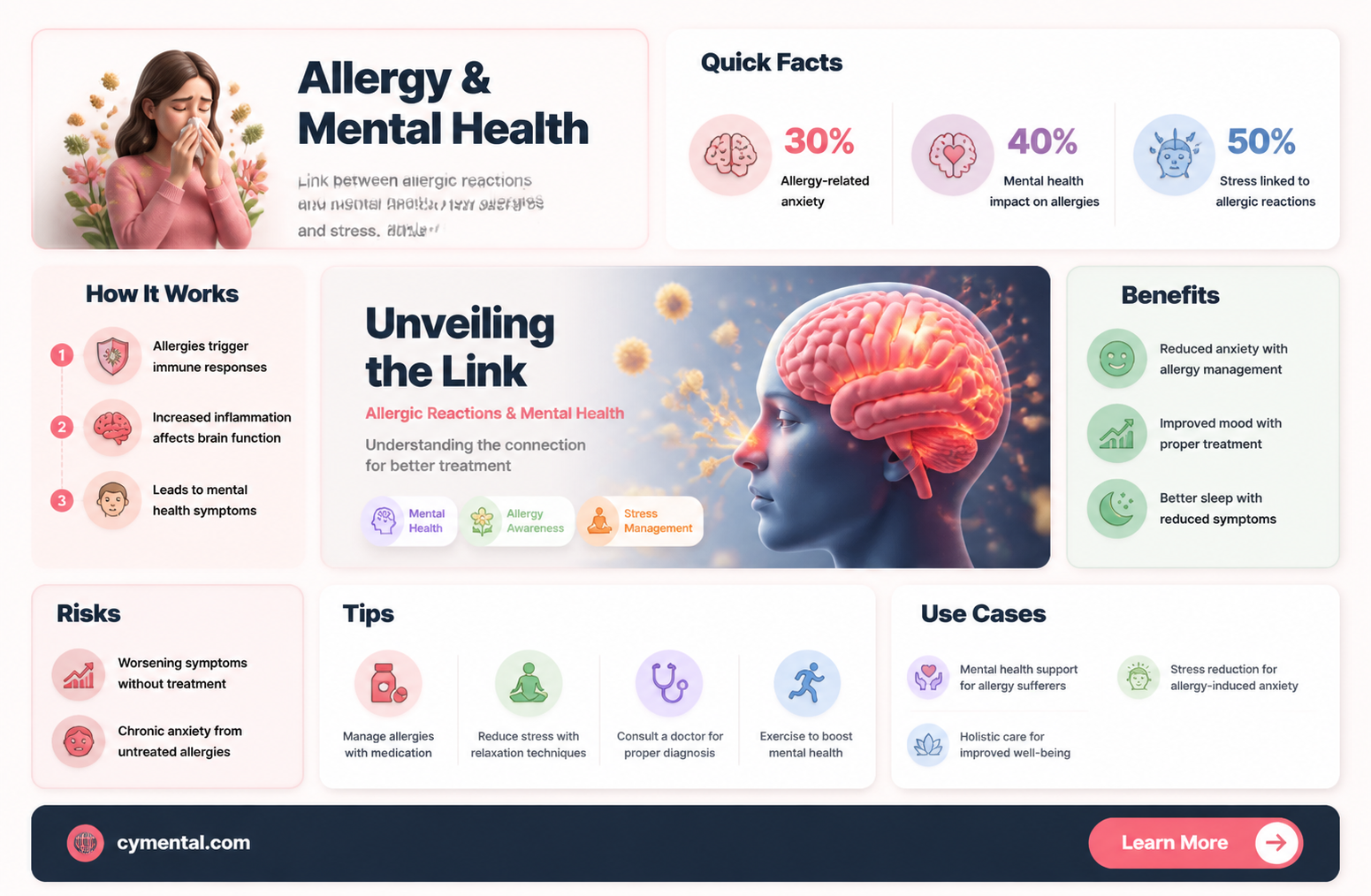
Allergic reactions are commonly known to cause physical symptoms such as sneezing, itching, and swelling. However, what is less widely understood is that allergic reactions can also manifest as mental symptoms. These can include anxiety, depression, and even cognitive impairment. The connection between allergies and mental health is complex and involves the immune system's response to allergens, which can lead to inflammation and the release of chemicals that affect brain function. Understanding this link is crucial for diagnosing and treating conditions that may have both physical and psychological components.
| Characteristics | Values |
|---|---|
| Common Allergens | Pollen, dust mites, mold, pet dander, certain foods (e.g., nuts, shellfish), medications (e.g., penicillin), insect stings (e.g., bees, wasps) |
| Physical Symptoms | Sneezing, runny or stuffy nose, itching, hives, skin rashes, watery eyes, swelling, difficulty breathing, wheezing, coughing, gastrointestinal issues (e.g., nausea, vomiting, diarrhea) |
| Mental Symptoms | Anxiety, stress, irritability, mood swings, depression, fatigue, difficulty concentrating, sleep disturbances (e.g., insomnia, restlessness) |
| Mechanism | Allergic reactions trigger the release of histamine and other inflammatory mediators, which can affect both physical and mental health. Inflammation in the brain can lead to changes in mood and cognitive function. |
| Diagnosis | Medical history, physical examination, allergy testing (e.g., skin prick test, blood tests), psychological evaluation |
| Treatment | Avoidance of allergens, antihistamines, corticosteroids, immunotherapy (allergy shots), cognitive-behavioral therapy (CBT), medication for mental health symptoms (e.g., antidepressants, anxiolytics) |
| Prognosis | Generally good with proper management and treatment. However, untreated allergies can lead to chronic physical and mental health issues. |
| Complications | Anaphylaxis (life-threatening allergic reaction), asthma, chronic sinusitis, otitis media, sleep apnea, anxiety disorders, depression |
| Prevention | Identify and avoid allergens, maintain a clean living environment, use air purifiers, practice stress management techniques, seek early medical intervention for allergy symptoms |
| Research | Ongoing studies on the link between allergies and mental health, exploring potential new treatments and interventions |
Explore related products


What You'll Learn
- Allergic reactions and anxiety: Explore the link between allergic responses and increased anxiety levels
- Allergies and depression: Investigate how allergic reactions might contribute to depressive symptoms
- Neurological impacts of allergies: Discuss potential neurological effects, such as headaches or cognitive impairment
- Psychological stress and allergies: Examine how psychological stress might exacerbate allergic reactions
- Treatment options for allergy-related mental symptoms: Review available treatments for mental health issues linked to allergies

Allergic reactions and anxiety: Explore the link between allergic responses and increased anxiety levels
Recent studies have uncovered a fascinating link between allergic reactions and anxiety, suggesting that the two may be more interconnected than previously thought. Allergic responses, which are typically characterized by physical symptoms such as sneezing, itching, and swelling, may also have a profound impact on mental health. Researchers have found that individuals experiencing chronic allergic reactions are more likely to develop anxiety disorders, and conversely, those with anxiety may be more prone to allergic reactions.
One possible explanation for this link lies in the body's stress response. When an individual experiences an allergic reaction, their body releases a cascade of stress hormones, including cortisol and adrenaline. These hormones can have a significant impact on the brain, leading to increased feelings of anxiety and stress. Furthermore, chronic allergic reactions can lead to inflammation in the body, which has been linked to a range of mental health issues, including anxiety and depression.
Another factor to consider is the psychological impact of living with allergies. Individuals with severe allergies may experience a constant sense of fear and uncertainty, as they must be vigilant about avoiding allergens and managing their symptoms. This can lead to increased anxiety levels, as well as other mental health issues such as depression and social isolation. Additionally, the social stigma associated with allergies can contribute to feelings of anxiety and low self-esteem.
It is also important to note that certain medications used to treat allergies, such as antihistamines, can have side effects that contribute to anxiety. While these medications can be effective in managing allergic symptoms, they may also impact neurotransmitter levels in the brain, leading to increased anxiety and other mental health issues.
In conclusion, the link between allergic reactions and anxiety is complex and multifaceted. While further research is needed to fully understand this relationship, it is clear that individuals experiencing chronic allergic reactions should be aware of the potential impact on their mental health. By working with healthcare professionals to manage their allergies and address any associated anxiety, individuals can improve their overall quality of life and well-being.
Exploring the Link: Can Life Events Trigger Mental Illness?
You may want to see also
Explore related products




Allergies and depression: Investigate how allergic reactions might contribute to depressive symptoms
Recent studies have suggested a potential link between allergic reactions and depressive symptoms, indicating that individuals with allergies may be at a higher risk of developing depression. This connection is thought to be due to the chronic inflammation and immune system activation associated with allergies, which can impact neurotransmitter function and brain health.
One possible mechanism by which allergies might contribute to depression is through the release of pro-inflammatory cytokines. These immune system messengers can cross the blood-brain barrier and interfere with the production and regulation of neurotransmitters such as serotonin and dopamine, which play crucial roles in mood regulation. Additionally, the chronic stress of managing allergies can lead to increased cortisol levels, further disrupting neurotransmitter balance and potentially contributing to depressive symptoms.
Furthermore, the impact of allergies on sleep quality can also play a role in the development of depression. Allergic reactions can cause sleep disturbances, such as insomnia or disrupted sleep patterns, which are known risk factors for depression. Poor sleep quality can exacerbate depressive symptoms and make it more challenging for individuals to manage their mental health effectively.
It is essential for healthcare professionals to consider the potential link between allergies and depression when treating patients with allergic conditions. Screening for depressive symptoms and providing appropriate mental health support can be crucial in improving overall patient outcomes. Additionally, managing allergies effectively through medication, immunotherapy, or lifestyle changes may help reduce the risk of developing depression or alleviate depressive symptoms in individuals with allergies.
In conclusion, while the relationship between allergies and depression is complex and not fully understood, there is growing evidence to suggest that allergic reactions can contribute to depressive symptoms. Further research is needed to elucidate the underlying mechanisms and to develop effective strategies for preventing and treating depression in individuals with allergies.
Unraveling the Complex Link Between Mental Illness and School Shootings
You may want to see also
Explore related products


Neurological impacts of allergies: Discuss potential neurological effects, such as headaches or cognitive impairment
Allergic reactions are commonly associated with physical symptoms such as sneezing, itching, and swelling. However, recent research has shown that allergies can also have neurological impacts, affecting cognitive function and mental health. One of the most common neurological effects of allergies is headaches. These can range from mild to severe and are often accompanied by other symptoms such as fatigue and difficulty concentrating.
In addition to headaches, allergies can also lead to cognitive impairment. This can manifest as difficulty remembering information, trouble learning new things, and reduced problem-solving abilities. These cognitive effects can be particularly problematic for children and adolescents, who may struggle academically as a result of their allergies.
The exact mechanisms by which allergies affect the brain are still being studied, but it is believed that inflammation plays a key role. Allergic reactions trigger the release of inflammatory chemicals in the body, which can cross the blood-brain barrier and affect brain function. Additionally, allergies can lead to chronic inflammation, which has been linked to a range of neurological disorders.
While the neurological impacts of allergies can be significant, there are steps that can be taken to mitigate these effects. For example, managing allergies through medication and lifestyle changes can help reduce inflammation and alleviate symptoms. Additionally, cognitive training and therapy can help individuals cope with the cognitive effects of allergies.
In conclusion, the neurological impacts of allergies are an important area of research, and further studies are needed to fully understand the mechanisms involved. However, it is clear that allergies can have significant effects on cognitive function and mental health, and that managing these effects is crucial for improving quality of life.
Understanding Victim Mentality: The Impact of Controlling Behavior
You may want to see also
Explore related products


Psychological stress and allergies: Examine how psychological stress might exacerbate allergic reactions
Psychological stress has a profound impact on the body's immune system, potentially exacerbating allergic reactions. When individuals experience stress, their bodies release a cascade of hormones, including cortisol and adrenaline, which can influence the immune response. This heightened state of alert can lead to an overreaction to allergens, making symptoms more severe.
Research has shown that stress can increase the production of IgE antibodies, which are responsible for triggering allergic reactions. Additionally, stress can compromise the skin's barrier function, making it more susceptible to allergens and irritants. This can result in conditions such as eczema and dermatitis, which are often worsened by psychological stress.
Furthermore, stress can affect the gut microbiome, which plays a crucial role in regulating the immune system. An imbalance in the gut flora can lead to increased inflammation and a heightened allergic response. This connection between the gut and the immune system is often referred to as the "gut-immune axis."
In terms of mental health, the relationship between stress and allergies is bidirectional. Not only can stress exacerbate allergic reactions, but severe allergies can also contribute to psychological distress. Individuals with allergies may experience anxiety and depression due to the constant worry about potential allergic reactions and the impact on their daily lives.
To mitigate the effects of psychological stress on allergies, it is essential to practice stress management techniques. This can include mindfulness meditation, deep breathing exercises, and regular physical activity. Additionally, maintaining a healthy diet and getting adequate sleep can help support the immune system and reduce the severity of allergic reactions.
In conclusion, the interplay between psychological stress and allergies is complex and multifaceted. By understanding this relationship and implementing stress management strategies, individuals can potentially reduce the severity of their allergic reactions and improve their overall well-being.
Exploring the Link: How Mental Stress Can Lead to Fatigue
You may want to see also
Explore related products


Treatment options for allergy-related mental symptoms: Review available treatments for mental health issues linked to allergies
Allergic reactions can indeed cause mental symptoms, and it's crucial to address these symptoms alongside the physical ones. Treatment options for allergy-related mental symptoms vary, but they generally aim to alleviate discomfort and improve quality of life. One common approach is the use of antihistamines, which can help reduce anxiety and improve sleep by blocking the effects of histamine, a chemical released during allergic reactions. However, it's important to note that some antihistamines can cause drowsiness, so it's essential to consult with a healthcare professional before starting any new medication.
Another treatment option is the use of corticosteroids, which can help reduce inflammation and alleviate symptoms such as nasal congestion and itching. These medications can be taken orally or applied topically, depending on the specific symptoms. However, long-term use of corticosteroids can have side effects, including weight gain and increased risk of infection, so they should be used under close medical supervision.
Immunotherapy, also known as allergy shots, is a long-term treatment option that can help reduce the severity of allergic reactions. This treatment involves regular injections of small amounts of allergens, which can help the body build up a tolerance to them. Immunotherapy can be effective for reducing symptoms of anxiety and depression associated with allergies, but it's important to note that it can take several months to see results.
In addition to these medical treatments, there are also lifestyle changes that can help alleviate allergy-related mental symptoms. For example, avoiding known allergens, using air purifiers, and practicing stress-reduction techniques such as meditation and yoga can all be helpful. It's also important to get regular exercise and maintain a healthy diet, as these can help improve overall mental health and well-being.
Finally, it's essential to seek professional help if allergy-related mental symptoms are severe or persistent. A healthcare professional can provide a proper diagnosis and recommend appropriate treatment options. In some cases, therapy or counseling may be necessary to address underlying issues and develop coping strategies. By taking a comprehensive approach to treatment, individuals can effectively manage their allergy-related mental symptoms and improve their overall quality of life.
Exploring the Link Between Mental Breakdown and Psychosis: A Comprehensive Guide
You may want to see also
Frequently asked questions
Yes, allergic reactions can cause mental symptoms. Allergies can trigger a range of emotional and psychological responses, including anxiety, depression, and mood swings. This is due to the release of histamines and other chemicals in the body during an allergic reaction, which can affect brain function and emotional well-being.
Common mental symptoms associated with allergies include anxiety, depression, irritability, mood swings, and difficulty concentrating. These symptoms can be caused by the physical discomfort and stress of dealing with allergy symptoms, as well as the impact of histamines and other chemicals on brain function.
To manage the mental symptoms of allergies, it is important to first identify and treat the underlying allergy. This may involve avoiding allergens, taking medication, or undergoing allergy shots. Additionally, practicing stress management techniques, such as deep breathing, meditation, and exercise, can help to reduce anxiety and improve overall emotional well-being. If mental symptoms persist, it may be helpful to consult with a mental health professional for further support and guidance.