Lucas Bennett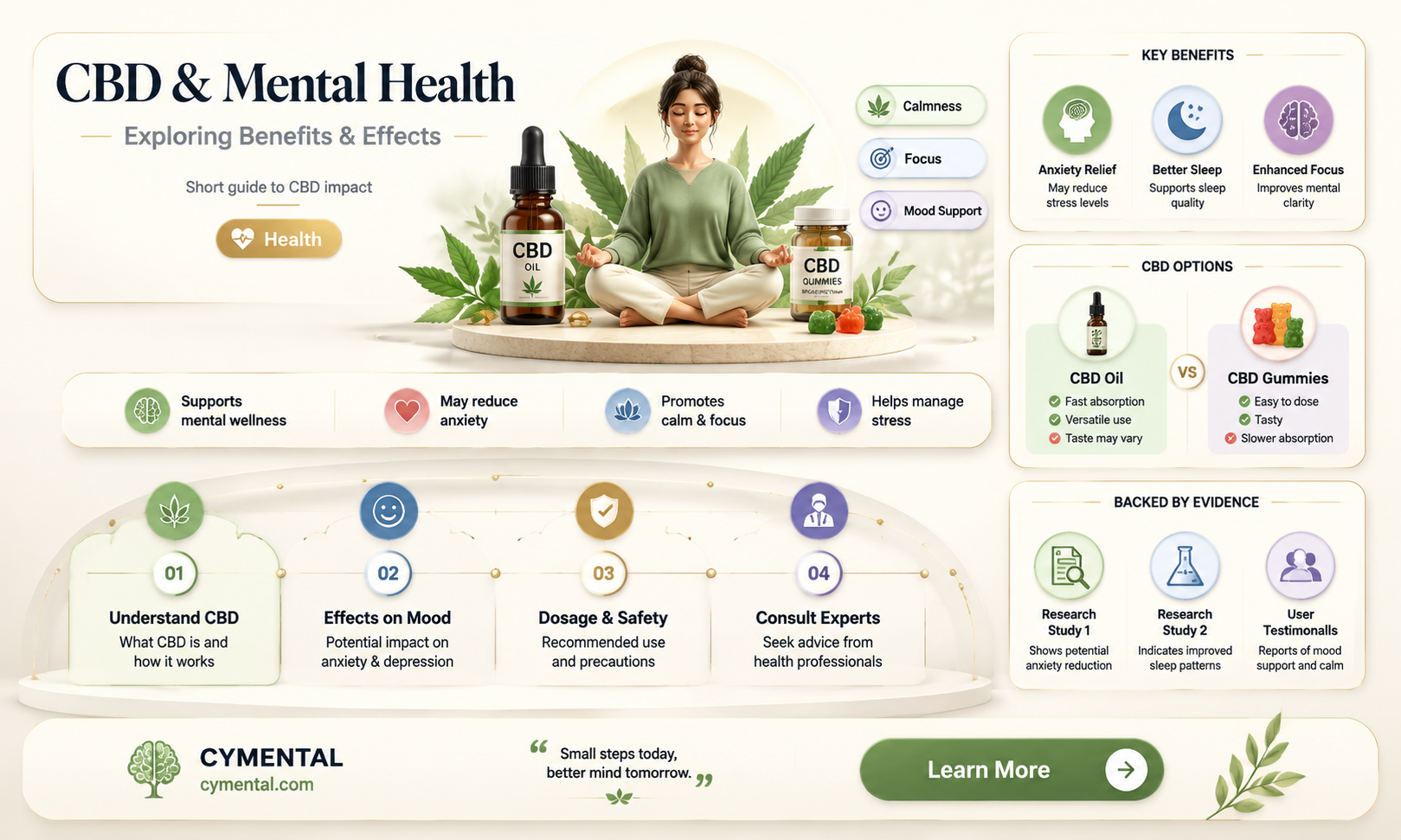
CBD, or cannabidiol, has gained significant attention in recent years for its potential therapeutic benefits, particularly in the realm of mental health. Derived from the cannabis plant, CBD is non-psychoactive, meaning it does not produce the high associated with THC, making it an appealing option for those seeking natural remedies. Research suggests that CBD may help alleviate symptoms of anxiety, depression, PTSD, and insomnia by interacting with the body’s endocannabinoid system, which plays a role in regulating mood, stress, and sleep. While studies are still in their early stages, anecdotal evidence and preliminary findings indicate that CBD could offer a promising alternative or complementary treatment for mental health conditions, though further research is needed to fully understand its efficacy and long-term effects.
| Characteristics | Values |
|---|---|
| Anxiety Reduction | CBD has shown potential in reducing anxiety symptoms, particularly in generalized anxiety disorder (GAD), social anxiety disorder (SAD), and post-traumatic stress disorder (PTSD). Studies suggest it may alter serotonin signaling, promoting calming effects. |
| Depression Management | Preliminary research indicates CBD may have antidepressant-like effects by interacting with the endocannabinoid system and serotonin receptors, though more studies are needed for conclusive evidence. |
| Sleep Improvement | CBD may improve sleep quality by addressing underlying issues like anxiety and pain, though its direct impact on sleep disorders requires further research. |
| Neuroprotective Effects | CBD has demonstrated potential in protecting against neurodegenerative disorders like Alzheimer's and Parkinson's by reducing inflammation and oxidative stress. |
| Psychosis Symptom Relief | Some studies suggest CBD may alleviate symptoms of psychosis, particularly in schizophrenia, by modulating dopamine and glutamate levels, though results are mixed. |
| Addiction Support | CBD has shown promise in reducing cravings and withdrawal symptoms in substance use disorders, including opioids, alcohol, and cannabis addiction. |
| Safety Profile | Generally considered safe, with mild side effects such as fatigue, diarrhea, and changes in appetite or weight. Non-psychoactive and low risk of dependence. |
| Dosage Variability | Optimal dosage varies by individual, condition, and product. Consultation with a healthcare professional is recommended for personalized guidance. |
| Legal Status | Legal in many regions, but regulations vary by country and state. In the U.S., CBD derived from hemp (less than 0.3% THC) is federally legal. |
| Research Limitations | Most studies are preliminary or conducted on animals/small human samples. Long-term effects and optimal formulations require further investigation. |
| Interaction with Medications | CBD can interact with certain medications (e.g., blood thinners) by affecting cytochrome P450 enzymes. Medical advice is essential for concurrent use. |
Explore related products



What You'll Learn
- CBD and Anxiety Relief: Potential to reduce anxiety symptoms, promoting relaxation without psychoactive effects
- CBD for Depression: May boost serotonin levels, offering mood support and alleviating depressive symptoms
- CBD in PTSD Treatment: Helps manage flashbacks, nightmares, and anxiety linked to traumatic experiences
- CBD and Sleep Disorders: Improves sleep quality, addressing insomnia tied to mental health conditions
- CBD for Stress Reduction: Lowers cortisol levels, easing stress and enhancing overall mental well-being

CBD and Anxiety Relief: Potential to reduce anxiety symptoms, promoting relaxation without psychoactive effects
CBD, derived from hemp, has emerged as a potential ally for those grappling with anxiety, offering a natural alternative to traditional pharmaceuticals. Unlike THC, CBD does not induce a "high," making it an appealing option for individuals seeking relief without psychoactive side effects. Research suggests that CBD interacts with the endocannabinoid system, which plays a crucial role in regulating mood, stress, and anxiety. Studies, such as a 2019 review in *The Permanente Journal*, have shown that CBD may reduce anxiety symptoms in conditions like generalized anxiety disorder (GAD), social anxiety disorder (SAD), and post-traumatic stress disorder (PTSD). For instance, participants in a 2011 study experienced significant reductions in anxiety levels after taking 400 mg of CBD before a public speaking test.
When considering CBD for anxiety relief, dosage is key. Beginners often start with 10–20 mg per day, gradually increasing until they find their optimal dose, typically between 30–60 mg daily. It’s essential to consult a healthcare provider, especially if you’re taking other medications, as CBD can interact with certain drugs. Sublingual tinctures are popular for fast-acting relief, while capsules and edibles offer longer-lasting effects. Topical applications, though less common for anxiety, can indirectly promote relaxation by alleviating physical tension. Consistency is vital; CBD may take several weeks to show noticeable benefits, so patience is necessary.
One of the most compelling aspects of CBD is its ability to promote relaxation without the sedative effects often associated with anti-anxiety medications. This makes it suitable for daytime use, allowing individuals to manage symptoms without impairing cognitive function. For example, a 2020 study in *Frontiers in Psychology* found that CBD improved sleep and reduced anxiety in 72 subjects within the first month of use. Practical tips include pairing CBD with mindfulness practices like meditation or deep breathing exercises to enhance its calming effects. Additionally, choosing high-quality, third-party tested products ensures purity and potency, maximizing potential benefits.
While CBD shows promise, it’s not a one-size-fits-all solution. Factors like age, weight, and the severity of anxiety symptoms influence its effectiveness. Younger adults and middle-aged individuals often report more consistent results compared to older adults, though research in this area is still evolving. Caution is advised for pregnant or breastfeeding individuals, as the long-term effects of CBD in these populations remain unclear. Ultimately, CBD’s potential to reduce anxiety symptoms and promote relaxation without psychoactive effects positions it as a valuable tool in the mental health toolkit, but it should complement, not replace, professional treatment strategies.
Do Mental Hospitals Help: Exploring Effectiveness and Patient Outcomes
You may want to see also
Explore related products


CBD for Depression: May boost serotonin levels, offering mood support and alleviating depressive symptoms
Depression, a pervasive mental health condition affecting millions globally, often involves imbalances in neurotransmitters like serotonin. CBD (cannabidiol) has emerged as a potential adjunctive therapy, with research suggesting it may modulate serotonin receptors in the brain. Unlike SSRIs (selective serotonin reuptake inhibitors), which increase serotonin availability by blocking reabsorption, CBD appears to enhance serotonin signaling by interacting with the 5-HT1A receptor. This mechanism could offer a novel approach to mood regulation without the side effects commonly associated with traditional antidepressants.
For those considering CBD as a supplement for depression, dosage precision is critical. Studies often use doses ranging from 300 to 600 mg daily, though individual needs vary based on body weight, metabolism, and symptom severity. Starting with a lower dose (20–40 mg daily) and gradually increasing allows for monitoring of efficacy and tolerance. It’s essential to consult a healthcare provider, especially if already taking medications, as CBD can interact with certain drugs metabolized by the liver.
Practical integration of CBD into a mental health regimen requires consistency and patience. Sublingual tinctures or capsules are preferred for controlled dosing, while topical applications are less effective for systemic mood support. Pairing CBD with lifestyle adjustments—such as regular exercise, a balanced diet, and mindfulness practices—maximizes its potential benefits. For instance, combining CBD with activities that naturally boost serotonin, like sunlight exposure or social interaction, may amplify its mood-enhancing effects.
While anecdotal reports and preliminary studies are promising, the evidence for CBD’s role in depression is still evolving. A 2020 review in *Molecular Psychiatry* highlighted CBD’s anxiolytic and antidepressant-like effects in animal models, but human trials remain limited. Users should approach CBD as a complementary tool rather than a standalone treatment, particularly for severe or treatment-resistant depression. Monitoring symptoms with a mental health professional ensures a holistic approach to care.
Finally, quality matters when selecting CBD products. Opt for third-party tested, full-spectrum CBD oils or isolates from reputable brands to ensure purity and accurate labeling. Avoid products with added sugars or artificial ingredients, as these can counteract health benefits. For those under 18 or pregnant/nursing individuals, CBD use should be avoided due to insufficient safety data. With mindful use, CBD may offer a natural, serotonin-supporting option for those navigating the complexities of depression.
Beyond Reach: Can Some Minds Resist Mental Health Treatment?
You may want to see also
Explore related products

$8.49 $11.99


CBD in PTSD Treatment: Helps manage flashbacks, nightmares, and anxiety linked to traumatic experiences
Post-traumatic stress disorder (PTSD) is a debilitating condition where the mind replays traumatic events through flashbacks, nightmares, and overwhelming anxiety. Traditional treatments like therapy and medication often fall short for some individuals. Here’s where CBD (cannabidiol) emerges as a potential ally. Research suggests CBD interacts with the endocannabinoid system, which regulates stress responses and emotional processing. By modulating this system, CBD may help reduce the intensity and frequency of PTSD symptoms, offering a glimmer of hope for those struggling to reclaim their lives.
Consider a scenario: a veteran experiences recurring nightmares of combat, waking in a cold sweat, heart racing. Traditional sleep aids provide little relief, and therapy progresses slowly. Introducing CBD oil, starting with a low dose of 10–20 mg daily, could help regulate sleep patterns and reduce the vividness of nightmares. Over time, this may create a foundation for deeper therapeutic work, allowing the individual to process trauma with greater emotional stability. While not a cure, CBD’s anxiolytic properties could serve as a bridge to healing.
However, integrating CBD into PTSD treatment requires caution. Dosage is critical; too little may be ineffective, while too much can exacerbate anxiety. Start with a sublingual tincture for precise dosing, gradually increasing by 5 mg weekly until symptom relief is noticeable. Consult a healthcare provider, especially if taking other medications, as CBD can interact with certain drugs. Additionally, opt for high-quality, third-party tested products to ensure purity and potency.
Comparatively, CBD offers a distinct advantage over traditional PTSD medications like SSRIs or benzodiazepines, which often come with side effects like drowsiness, dependency, or emotional numbing. CBD’s side effect profile is milder, typically limited to fatigue or mild gastrointestinal discomfort. For those seeking a more natural approach, CBD provides a promising alternative, though it should complement, not replace, evidence-based therapies like CBT or EMDR.
In practice, combining CBD with mindfulness techniques can amplify its benefits. For instance, taking CBD 30 minutes before a guided meditation session may enhance relaxation and reduce hypervigilance. Similarly, pairing CBD with journaling before bed could help process intrusive thoughts, minimizing their impact on sleep. While CBD isn’t a magic bullet, its potential to manage PTSD symptoms underscores its role as a valuable tool in the mental health toolkit.
Finding Support: Where to Seek Help for Depression and Healing
You may want to see also
Explore related products



CBD and Sleep Disorders: Improves sleep quality, addressing insomnia tied to mental health conditions
Sleep disorders, particularly insomnia, often intertwine with mental health conditions like anxiety and depression, creating a cycle of poor rest and worsening symptoms. CBD (cannabidiol) has emerged as a potential natural remedy to break this cycle by improving sleep quality. Unlike THC, CBD does not induce a high, making it a viable option for those seeking relief without psychoactive effects. Research suggests that CBD interacts with the endocannabinoid system, which regulates sleep, stress, and mood, offering a holistic approach to addressing insomnia tied to mental health issues.
For individuals struggling with sleep due to anxiety or racing thoughts, CBD may help calm the mind by reducing cortisol levels, the hormone associated with stress. A 2019 study published in *The Permanente Journal* found that 67% of participants experienced improved sleep scores within the first month of using 25mg of CBD daily. To maximize effectiveness, it’s recommended to take CBD 30–60 minutes before bedtime, either as an oil tincture placed under the tongue or in capsule form. Consistency is key; regular use may yield better results than sporadic dosing.
However, dosage and form matter significantly. Beginners should start with a low dose (10–20mg) and gradually increase based on their response. For severe insomnia, doses up to 160mg have been studied, but such high amounts should only be pursued under professional guidance. Topical CBD products, while popular for pain relief, are less effective for sleep disorders since they target localized areas rather than systemic effects. Combining CBD with good sleep hygiene practices—like maintaining a regular sleep schedule and creating a calming bedtime routine—can enhance its benefits.
It’s important to note that CBD is not a one-size-fits-all solution. Factors like age, weight, and the severity of the sleep disorder influence its efficacy. For instance, older adults may metabolize CBD differently than younger individuals, requiring adjusted dosages. Additionally, CBD can interact with certain medications, particularly those metabolized by the liver, so consulting a healthcare provider is crucial. While not a cure-all, CBD offers a promising, non-habit-forming alternative to traditional sleep aids, particularly for those whose insomnia is rooted in mental health challenges.
Supporting Mental Health: Effective Ways to Help Someone in Need
You may want to see also
Explore related products



CBD for Stress Reduction: Lowers cortisol levels, easing stress and enhancing overall mental well-being
Cortisol, often dubbed the "stress hormone," spikes in response to pressure, anxiety, or fear, triggering the body’s fight-or-flight response. Chronically elevated cortisol levels can lead to insomnia, weight gain, and weakened immunity, exacerbating mental health challenges. CBD (cannabidiol) interacts with the endocannabinoid system, which regulates stress responses, and studies suggest it may reduce cortisol production. A 2019 study published in *JCI Insight* found that a single 300-mg dose of CBD significantly lowered cortisol levels in participants exposed to a stressful situation. This physiological shift forms the foundation of CBD’s potential as a stress-reduction tool.
To harness CBD’s cortisol-lowering effects, consistency and dosage precision are key. Start with a low dose (10–20 mg daily) and gradually increase until you notice stress relief, typically within 1–2 weeks. Sublingual tinctures offer rapid absorption, making them ideal for acute stress episodes, while capsules or edibles provide sustained effects for chronic stress management. Pair CBD with stress-reducing practices like mindfulness or exercise for amplified benefits. Caution: Avoid exceeding 40 mg daily without medical supervision, as higher doses may cause drowsiness or mild side effects.
CBD’s stress-easing properties extend beyond cortisol reduction, fostering a sense of calm and mental clarity. Unlike THC, CBD is non-psychoactive, making it suitable for daily use without cognitive impairment. For those with anxiety-induced stress, a 2020 study in *Frontiers in Psychology* reported that 80% of participants experienced improved symptoms within the first month of CBD use. Practical tip: Keep a stress journal to track CBD’s effects, noting dosage, timing, and mood changes to fine-tune your regimen.
While CBD shows promise, it’s not a one-size-fits-all solution. Factors like age, weight, and metabolism influence its effectiveness. Younger adults (18–35) may respond more quickly due to faster metabolisms, while older individuals may require higher doses. Always consult a healthcare provider, especially if you’re on medications, as CBD can interact with certain drugs. Takeaway: CBD’s ability to lower cortisol levels offers a natural, science-backed approach to stress reduction, but personalized use and professional guidance ensure optimal results.
Finding Support: Where to Go for Help in Difficult Times
You may want to see also
Frequently asked questions
Yes, CBD has shown potential in reducing anxiety and stress by interacting with the body’s endocannabinoid system, which regulates mood and stress responses. Studies suggest it may help alleviate symptoms of generalized anxiety disorder, social anxiety, and PTSD.
While research is still in its early stages, some studies indicate CBD may have antidepressant-like effects by influencing serotonin receptors in the brain. However, it should not replace prescribed antidepressants without consulting a healthcare professional.
CBD may help improve sleep quality by addressing underlying issues like anxiety or stress, which often contribute to insomnia. It may promote relaxation and reduce nighttime awakenings, though individual results vary.
CBD is generally well-tolerated, but potential side effects include fatigue, diarrhea, and changes in appetite. It can also interact with certain medications, so it’s important to consult a healthcare provider before starting CBD, especially for mental health conditions.