Harper Lewis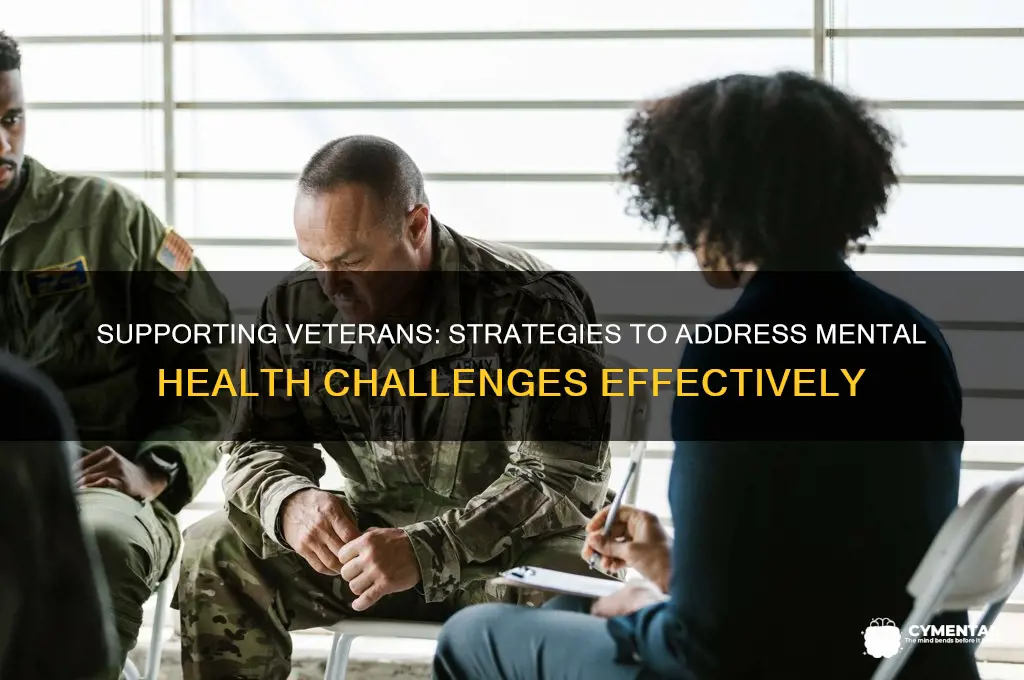
Helping veterans with mental illness is a critical and multifaceted issue that requires a compassionate and comprehensive approach. Many veterans face unique challenges, including post-traumatic stress disorder (PTSD), depression, anxiety, and substance abuse, often stemming from their experiences in service. To effectively support them, it is essential to raise awareness, reduce stigma, and provide accessible, specialized mental health resources. This includes offering evidence-based therapies, peer support programs, and integrated care that addresses both physical and mental health needs. Communities, families, and policymakers must work together to ensure veterans feel understood, valued, and empowered to seek help, fostering a supportive environment where they can heal and thrive.
Explore related products


What You'll Learn
- Access to Mental Health Services: Ensure veterans have easy access to specialized mental health care and support
- Peer Support Programs: Foster veteran-to-veteran connections for shared understanding and emotional support
- Trauma-Informed Care: Implement treatment approaches that recognize and address trauma-related mental health issues
- Community Integration: Promote social activities and employment opportunities to reduce isolation and improve well-being
- Family Education & Support: Provide resources to families to help them understand and assist veterans effectively

Access to Mental Health Services: Ensure veterans have easy access to specialized mental health care and support
Veterans face unique mental health challenges, often stemming from their service experiences, yet many struggle to access the specialized care they need. Geographic barriers, long wait times, and a lack of awareness about available resources exacerbate this issue. Ensuring easy access to mental health services requires a multi-faceted approach that addresses these obstacles head-on.
Veterans living in rural areas, for instance, often face significant challenges in accessing care due to a shortage of mental health providers. Telehealth services can bridge this gap by connecting veterans with specialists remotely, offering therapy sessions, psychiatric evaluations, and medication management from the comfort of their homes.
One effective strategy is to expand the availability of telehealth services specifically tailored to veterans. Telehealth eliminates geographical barriers, allowing veterans in remote areas to connect with qualified mental health professionals without the need for lengthy travel. For example, the U.S. Department of Veterans Affairs (VA) has implemented telehealth programs that provide video conferencing for therapy sessions, psychiatric consultations, and even medication management. These services have proven particularly beneficial for veterans with PTSD, depression, and anxiety, as they offer flexibility and reduce the stigma associated with seeking in-person care.
However, simply offering telehealth isn’t enough. Veterans need to be aware of these services and feel comfortable using them. This requires targeted outreach campaigns that educate veterans about the availability of telehealth options and provide clear instructions on how to access them. Additionally, ensuring that telehealth platforms are user-friendly and secure is crucial to building trust and encouraging consistent use.
Another critical aspect is reducing wait times for mental health appointments. Long delays can deter veterans from seeking help, worsen their symptoms, and increase the risk of self-harm or suicide. To address this, healthcare systems must prioritize staffing mental health clinics with sufficient providers, including psychiatrists, psychologists, and social workers. Implementing a triage system that prioritizes veterans with urgent needs can also help ensure timely access to care.
Finally, fostering partnerships between VA facilities and community-based organizations can further enhance access to mental health services. These partnerships can provide veterans with additional resources, such as peer support groups, vocational training, and housing assistance, which are often integral to their overall mental well-being. By creating a network of support, veterans can receive comprehensive care that addresses both their mental health needs and the social determinants that impact their recovery.
In conclusion, ensuring easy access to specialized mental health care for veterans requires a combination of innovative solutions, targeted outreach, and collaborative efforts. By expanding telehealth services, reducing wait times, and building community partnerships, we can create a more accessible and supportive mental health care system that meets the unique needs of those who have served our country.
Revitalize Your Mind: Strategies to Overcome Mental Exhaustion Effectively
You may want to see also
Explore related products


Peer Support Programs: Foster veteran-to-veteran connections for shared understanding and emotional support
Veterans often face unique mental health challenges that civilians cannot fully comprehend. Peer support programs leverage this shared experience by connecting veterans with one another, creating a space where they can openly discuss their struggles without fear of judgment or misunderstanding. Unlike traditional therapy, which relies on clinical expertise, peer support thrives on the power of shared identity and mutual empathy. Veterans who have navigated similar hardships can offer practical advice, emotional validation, and a sense of belonging that fosters resilience and recovery.
Implementing a peer support program requires careful planning. Start by identifying veterans who are willing to serve as peer mentors—individuals who have made progress in their own mental health journeys and possess strong listening skills. Training is essential; mentors should learn active listening techniques, crisis intervention protocols, and how to maintain boundaries. Pair mentors with mentees based on shared experiences, such as combat roles or specific mental health challenges, to maximize relatability. Regular group meetings or one-on-one sessions can be structured around themes like coping strategies, PTSD management, or reintegration into civilian life. For example, a weekly group might focus on mindfulness techniques one session and goal-setting the next, providing both emotional support and practical tools.
One of the most compelling aspects of peer support programs is their ability to reduce stigma. Veterans who might hesitate to seek professional help often feel more comfortable confiding in someone who has "been there." A study by the Department of Veterans Affairs found that veterans participating in peer support programs reported higher levels of trust and engagement compared to traditional therapy alone. This trust can be a catalyst for veterans to seek additional resources, such as counseling or medication, when needed. For instance, a peer mentor might encourage a mentee to attend a PTSD therapy group after sharing their own positive experience with it.
However, peer support programs are not without challenges. Mentors must be monitored to prevent burnout, and clear guidelines should be established to ensure they do not overstep into clinical roles. Additionally, programs should be inclusive of diverse veteran populations, including women, LGBTQ+ individuals, and veterans from different eras and branches of service. Tailoring the program to address these unique perspectives ensures that all participants feel seen and supported. For example, a female veteran might benefit from connecting with a female mentor who understands the specific challenges women face in the military and beyond.
In conclusion, peer support programs are a powerful tool for addressing mental health among veterans. By fostering veteran-to-veteran connections, these programs provide a safe space for shared understanding, emotional support, and practical guidance. When designed thoughtfully and inclusively, they can complement traditional mental health services, reduce stigma, and empower veterans to take control of their well-being. Whether through structured group meetings or informal one-on-one conversations, the bonds formed in these programs can be life-changing, offering hope and healing to those who have served.
Supporting Mentally Ill Homeless Relatives: Compassionate Strategies for Family Care
You may want to see also
Explore related products


Trauma-Informed Care: Implement treatment approaches that recognize and address trauma-related mental health issues
Veterans often carry invisible wounds from their service, with trauma-related mental health issues like PTSD, depression, and anxiety being prevalent. Trauma-informed care (TIC) offers a framework to address these challenges by recognizing the pervasive impact of trauma and creating a safe, supportive environment for healing. This approach shifts the focus from "What’s wrong with you?" to "What happened to you?"—a critical distinction that fosters empathy and trust.
Implementing TIC begins with training providers to understand the neurological, psychological, and social effects of trauma. Clinicians must learn to identify trauma triggers and responses, such as hypervigilance or emotional numbing, and adapt their communication to avoid retraumatization. For instance, using clear, non-confrontational language and offering choices during sessions can empower veterans who may feel a loss of control due to past experiences. Practical tools like grounding techniques (e.g., deep breathing or sensory exercises) can be taught to manage acute distress, providing veterans with immediate coping mechanisms.
A key component of TIC is creating a safe and predictable environment. This extends beyond clinical settings to include community resources like veteran centers or peer support groups. For example, a veteran-specific program might use consistent scheduling, transparent policies, and trauma-sensitive design (e.g., minimizing loud noises or crowded spaces) to reduce anxiety. Incorporating peer support specialists—veterans who have navigated similar struggles—can enhance trust and relatability, as shared experiences often bridge gaps that traditional therapy might miss.
While TIC is effective, it requires careful consideration of individual needs. Not all veterans process trauma identically; some may benefit from evidence-based therapies like Cognitive Processing Therapy (CPT) or Prolonged Exposure (PE), which typically involve 12 sessions over 3 months. Others might prefer complementary approaches like mindfulness-based stress reduction or art therapy. Providers should collaborate with veterans to tailor treatment plans, ensuring alignment with their goals and comfort levels. Caution must be taken to avoid pushing veterans into confronting trauma before they feel ready, as this can exacerbate symptoms.
Ultimately, trauma-informed care is not a one-size-fits-all solution but a philosophy that prioritizes safety, trust, and collaboration. By embedding TIC principles into mental health services, providers can create a compassionate ecosystem that acknowledges veterans’ experiences and supports their journey toward recovery. This approach not only addresses immediate symptoms but also fosters resilience, enabling veterans to reclaim their lives with dignity and strength.
Kick Stress Away: Soccer's Surprising Mental Health Benefits
You may want to see also
Explore related products


Community Integration: Promote social activities and employment opportunities to reduce isolation and improve well-being
Veterans facing mental health challenges often grapple with isolation, a silent adversary that exacerbates conditions like PTSD, depression, and anxiety. Community integration, through structured social activities and employment opportunities, acts as a lifeline, fostering connections and purpose. Consider this: a study by the RAND Corporation found that veterans engaged in community activities reported a 20% reduction in symptoms of depression compared to those who remained isolated. This isn’t just about filling time—it’s about rebuilding identity and belonging.
To implement this effectively, start by identifying local programs tailored to veterans. Organizations like Team Rubicon and Mission Continues offer volunteer opportunities that combine service with camaraderie, allowing veterans to apply their skills in meaningful ways. For example, a 35-year-old Army veteran struggling with PTSD found purpose through Team Rubicon’s disaster relief missions, reporting improved sleep and reduced anxiety within six months of consistent participation. Pair these activities with vocational training programs, such as those offered by the Veterans Administration’s Compensated Work Therapy, which provides part-time employment while addressing mental health needs.
However, caution must be exercised. Not all veterans are ready for immediate reintegration, and forcing participation can backfire. Begin with low-pressure activities like weekly coffee meetups or small group hikes, gradually increasing engagement as comfort levels rise. For instance, a peer-led walking group in Austin, Texas, started with three veterans and now boasts over 50 members, many of whom credit the group with helping them re-enter the workforce. Employers, too, play a critical role. Companies like Starbucks and Home Depot have hired thousands of veterans, offering flexible schedules and mental health resources to ensure success.
The takeaway is clear: community integration isn’t a one-size-fits-all solution but a layered approach requiring patience and adaptability. By combining social activities with employment pathways, we address both the emotional and practical needs of veterans, creating a support system that extends beyond therapy sessions. This dual focus not only reduces isolation but also empowers veterans to reclaim their lives, one step at a time.
Empowering Self-Care Strategies: A Guide to Helping Yourself Thrive
You may want to see also
Explore related products


Family Education & Support: Provide resources to families to help them understand and assist veterans effectively
Veterans facing mental health challenges often rely on their families as a primary support system, yet many families feel ill-equipped to provide effective assistance. This gap in knowledge and resources can exacerbate stress for both the veteran and their loved ones. To bridge this divide, family education and support programs must focus on equipping families with the tools to understand, communicate, and intervene constructively. These initiatives should include accessible materials, training sessions, and ongoing support networks tailored to the unique needs of veteran households.
One practical approach is to develop structured educational workshops that demystify common mental health conditions such as PTSD, depression, and anxiety. These workshops should incorporate real-life scenarios and role-playing exercises to help families recognize symptoms and respond appropriately. For instance, teaching families how to identify signs of a PTSD flashback and employ grounding techniques can make a significant difference during critical moments. Additionally, providing age-specific guidance—such as how to explain a parent’s mental health struggles to young children—ensures that support strategies are inclusive and effective across all family members.
Beyond education, families need access to ongoing resources and support systems. Peer-led support groups, where families can share experiences and strategies, foster a sense of community and reduce feelings of isolation. Digital platforms, such as online forums or mobile apps, can offer 24/7 access to information, crisis hotlines, and self-care tips for caregivers. For example, apps like *PTSD Coach* or *Veteran Warline* provide tools for both veterans and their families to manage stress and navigate challenges together. These resources should be regularly updated and promoted through veteran service organizations and healthcare providers.
However, implementing family education and support programs requires careful consideration of potential pitfalls. Families may resist participation due to stigma, lack of time, or fear of overstepping boundaries. To address this, programs should emphasize confidentiality, flexibility, and the shared goal of improving the veteran’s well-being. Incentives, such as childcare during workshops or small stipends for participation, can also encourage engagement. Moreover, cultural sensitivity is crucial; materials and training should reflect the diverse backgrounds and needs of veteran families, ensuring inclusivity and relevance.
Ultimately, investing in family education and support is not just about aiding veterans—it’s about strengthening the entire family unit. By empowering families with knowledge, tools, and a supportive network, these programs create a sustainable foundation for long-term recovery and resilience. Families become active partners in the veteran’s mental health journey, fostering understanding, patience, and hope in the face of adversity. This holistic approach recognizes that healing is not an individual endeavor but a collective one, where every family member plays a vital role.
Reading the Bible: A Path to Mental Health and Healing?
You may want to see also
Frequently asked questions
Veterans often face conditions such as post-traumatic stress disorder (PTSD), depression, anxiety, and substance abuse, stemming from their service experiences.
Listen without judgment, encourage professional help, educate yourself about their challenges, and connect them with veteran-specific resources like the VA or local support groups.
Resources include the VA’s mental health services, crisis hotlines (e.g., Veterans Crisis Line), nonprofit organizations like Wounded Warrior Project, and peer support programs.
Normalize conversations about mental health, use respectful language, share success stories of veterans seeking help, and advocate for increased awareness and support.
Communities can provide a sense of belonging, organize events or programs tailored to veterans, and foster environments where veterans feel safe to seek help and share their experiences.