Harper Lewis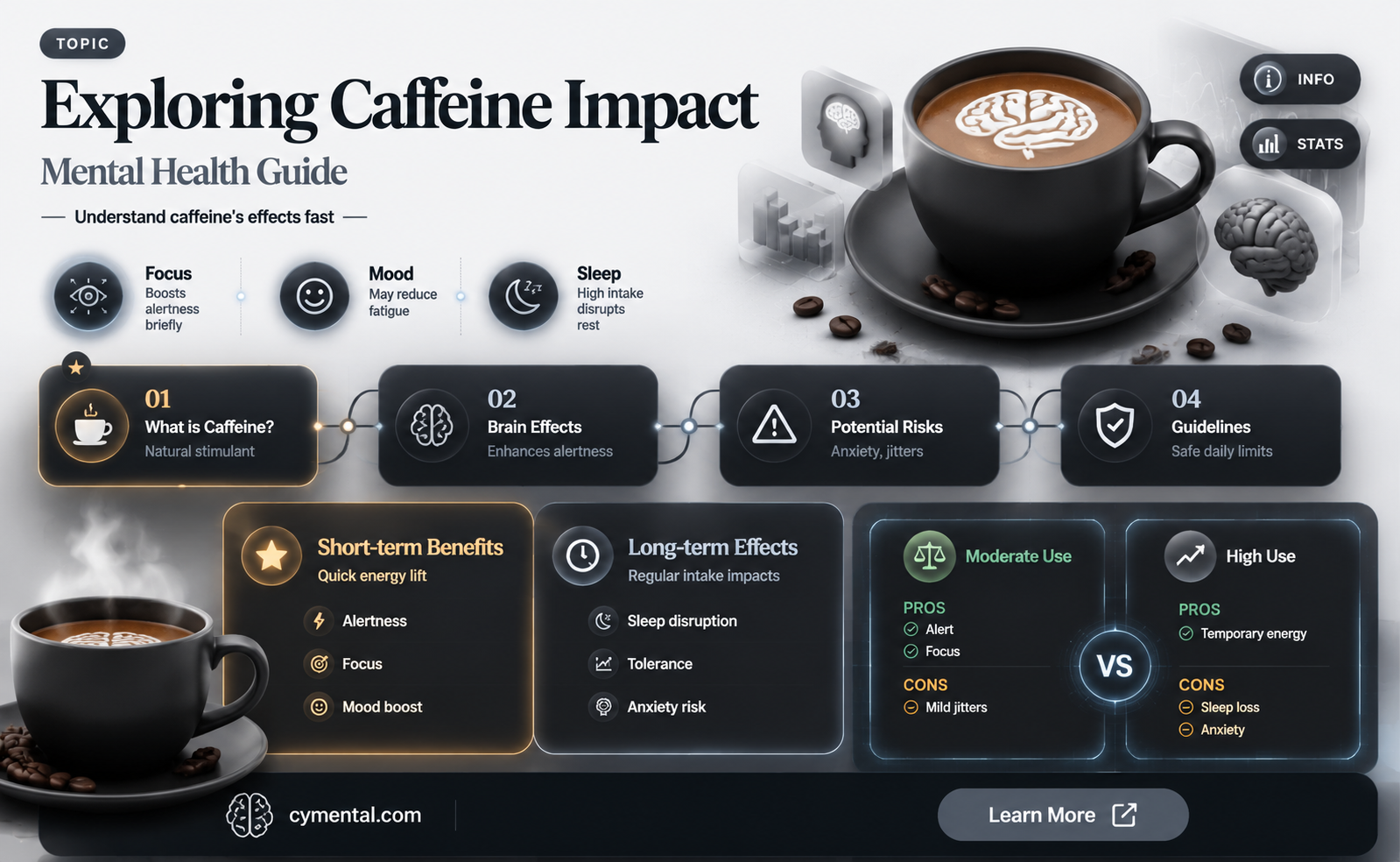
Caffeine, a widely consumed stimulant found in coffee, tea, chocolate, and various energy drinks, has long been a subject of interest in terms of its effects on mental health. While it is commonly used to enhance alertness and concentration, excessive caffeine intake has been linked to a range of mental health concerns, including anxiety, insomnia, and even psychosis in extreme cases. The relationship between caffeine and mental health is complex, influenced by factors such as individual tolerance, consumption patterns, and underlying health conditions. Understanding the potential impacts of caffeine on mental well-being is crucial for making informed choices about its consumption and for identifying those who may be at risk for adverse effects.
Explore related products


What You'll Learn
- Caffeine and Anxiety: Explore how caffeine intake can exacerbate anxiety symptoms and impact overall mental well-being
- Sleep Disturbances: Discuss the role of caffeine in disrupting sleep patterns and its potential long-term effects on mental health
- Mood Swings: Investigate the connection between caffeine consumption and mood fluctuations, including irritability and depression
- Caffeine Dependence: Examine the concept of caffeine dependence and its potential to lead to mental health issues when abruptly stopped
- Individual Sensitivity: Analyze how individual differences in caffeine sensitivity can influence its impact on mental health

Caffeine and Anxiety: Explore how caffeine intake can exacerbate anxiety symptoms and impact overall mental well-being
Caffeine, a common stimulant found in coffee, tea, and various energy drinks, can have a significant impact on mental health, particularly in individuals prone to anxiety. Research indicates that high caffeine intake can exacerbate anxiety symptoms, leading to increased feelings of nervousness, restlessness, and even panic attacks. This is because caffeine stimulates the central nervous system, which can heighten the body's stress response and contribute to a state of hyperarousal.
For those with pre-existing anxiety disorders, the effects of caffeine can be particularly pronounced. A study published in the Journal of Anxiety Disorders found that individuals with generalized anxiety disorder (GAD) who consumed high amounts of caffeine experienced a worsening of their symptoms, including increased worry and physical tension. Furthermore, caffeine can interfere with sleep patterns, leading to insomnia or disrupted sleep, which can further compound anxiety levels.
It is important to note that the impact of caffeine on anxiety can vary greatly from person to person. Some individuals may be more sensitive to the effects of caffeine, experiencing anxiety symptoms even at low doses, while others may be able to tolerate higher amounts without significant issues. Factors such as age, overall health, and genetic predisposition can all play a role in how caffeine affects an individual's mental well-being.
To mitigate the potential negative effects of caffeine on anxiety, it is recommended to monitor and limit caffeine intake. The American Academy of Sleep Medicine suggests that adults should consume no more than 400 milligrams of caffeine per day, which is roughly equivalent to four cups of brewed coffee. Additionally, it is advisable to avoid consuming caffeine late in the day, as it can interfere with sleep and contribute to nighttime anxiety.
In conclusion, while caffeine can be a useful tool for increasing alertness and focus, it is important to be aware of its potential impact on mental health, particularly in individuals with anxiety. By being mindful of caffeine intake and adopting healthy consumption habits, it is possible to enjoy the benefits of caffeine while minimizing its negative effects on overall well-being.
Exploring the Impact of Relationships on Mental Well-being
You may want to see also
Explore related products




Sleep Disturbances: Discuss the role of caffeine in disrupting sleep patterns and its potential long-term effects on mental health
Caffeine, a common stimulant found in coffee, tea, and various energy drinks, plays a significant role in disrupting sleep patterns. Its consumption, especially in the hours leading up to bedtime, can lead to difficulties in falling asleep, staying asleep, and achieving deep, restorative sleep. This disruption occurs because caffeine blocks the action of adenosine, a neurotransmitter that promotes sleepiness. As a result, the brain remains alert and active, making it challenging to wind down and enter a restful state.
The immediate effects of caffeine on sleep are well-documented, but its potential long-term effects on mental health are equally concerning. Chronic sleep disturbances caused by regular caffeine intake can contribute to the development of mental health issues such as anxiety, depression, and mood disorders. This is because sleep plays a crucial role in regulating emotions, consolidating memories, and maintaining overall brain function. When sleep is consistently disrupted, the brain's ability to perform these essential functions is impaired, leading to a range of psychological consequences.
Moreover, the relationship between caffeine consumption and mental health is complex and bidirectional. While caffeine can exacerbate sleep disturbances and contribute to mental health issues, individuals with pre-existing mental health conditions may also be more susceptible to the sleep-disrupting effects of caffeine. This creates a vicious cycle where caffeine consumption worsens sleep quality, which in turn aggravates mental health symptoms, leading to increased reliance on caffeine as a coping mechanism.
To mitigate the negative impact of caffeine on sleep and mental health, it is essential to be mindful of caffeine intake and establish healthy sleep habits. Limiting caffeine consumption to earlier in the day, avoiding it altogether in the evening, and creating a relaxing bedtime routine can help improve sleep quality. Additionally, seeking professional help for underlying mental health issues can reduce the need for caffeine as a coping mechanism and promote overall well-being.
In conclusion, the role of caffeine in disrupting sleep patterns and its potential long-term effects on mental health should not be overlooked. By understanding the complex interplay between caffeine, sleep, and mental health, individuals can take proactive steps to maintain a healthy balance and improve their overall quality of life.
The Impact of Finances on Mental Well-being: A Comprehensive Guide
You may want to see also
Explore related products



Mood Swings: Investigate the connection between caffeine consumption and mood fluctuations, including irritability and depression
Caffeine, a widely consumed stimulant, has been linked to various mental health effects, including mood swings. Research suggests that excessive caffeine intake can lead to increased irritability, anxiety, and even depressive symptoms in some individuals. The connection between caffeine and mood fluctuations is complex and can be influenced by factors such as genetics, tolerance, and overall health.
One study published in the Journal of Affective Disorders found that high caffeine consumption was associated with increased symptoms of depression and anxiety in young adults. Another study in the British Journal of Psychiatry reported that individuals with a history of depression who consumed high amounts of caffeine were more likely to experience a relapse of depressive symptoms.
The mechanism by which caffeine affects mood is not fully understood, but it is believed to involve changes in neurotransmitter levels, particularly dopamine and serotonin. Caffeine can also disrupt sleep patterns, which can contribute to mood disturbances. Furthermore, the body's response to caffeine can vary greatly among individuals, making it difficult to establish a universal guideline for safe consumption.
It is important to note that moderate caffeine intake, typically defined as up to 400 mg per day for healthy adults, is generally considered safe and may even have some cognitive benefits. However, individuals who experience mood swings or other adverse effects from caffeine should consider reducing their intake or consulting with a healthcare professional.
In conclusion, while caffeine can be a useful tool for improving alertness and cognitive function, it is essential to be aware of its potential impact on mental health, particularly in individuals prone to mood fluctuations. By understanding the connection between caffeine consumption and mood swings, individuals can make informed decisions about their caffeine intake and take steps to maintain their mental well-being.
Exploring the Link Between Botox and Mental Health
You may want to see also
Explore related products



Caffeine Dependence: Examine the concept of caffeine dependence and its potential to lead to mental health issues when abruptly stopped
Caffeine dependence is a significant concern due to its potential to lead to mental health issues when abruptly stopped. This dependence can manifest in various ways, including increased tolerance, withdrawal symptoms, and compulsive use despite negative consequences. Individuals who consume high amounts of caffeine regularly may experience anxiety, jitteriness, and sleep disturbances, which can exacerbate underlying mental health conditions.
One of the primary reasons caffeine dependence can lead to mental health issues is the impact of withdrawal symptoms. When caffeine intake is suddenly reduced or stopped, individuals may experience headaches, fatigue, irritability, and difficulty concentrating. These symptoms can be particularly challenging for those with pre-existing mental health conditions, such as depression or anxiety disorders, as they may exacerbate feelings of distress and discomfort.
Moreover, caffeine dependence can contribute to a cycle of compulsive use, where individuals feel compelled to consume caffeine to alleviate withdrawal symptoms, even if they are aware of the negative effects on their mental health. This cycle can be difficult to break, leading to long-term dependence and potential worsening of mental health symptoms.
It is essential to address caffeine dependence as a potential contributor to mental health issues, particularly in individuals who are already vulnerable. Strategies for managing caffeine dependence may include gradually reducing caffeine intake, seeking support from healthcare professionals, and developing healthy coping mechanisms to deal with withdrawal symptoms and underlying mental health concerns.
In conclusion, caffeine dependence is a serious issue that can have significant implications for mental health, particularly when abruptly stopped. Understanding the relationship between caffeine dependence and mental health is crucial for developing effective strategies to manage and mitigate these risks.
The Impact of Social Media Addiction on Mental Health
You may want to see also
Explore related products


Individual Sensitivity: Analyze how individual differences in caffeine sensitivity can influence its impact on mental health
Caffeine sensitivity varies widely among individuals, influenced by factors such as genetics, age, weight, and overall health. This variability means that while some people can consume high amounts of caffeine with minimal effects, others may experience significant mental health impacts with even moderate intake. For instance, individuals with a genetic predisposition to anxiety may find that caffeine exacerbates their symptoms, leading to increased feelings of nervousness and restlessness.
Moreover, age plays a crucial role in caffeine sensitivity. Younger individuals tend to be more sensitive to the effects of caffeine due to their developing nervous systems. This heightened sensitivity can manifest in symptoms such as irritability, mood swings, and sleep disturbances. On the other hand, older adults may have a decreased sensitivity to caffeine, which can lead to a higher tolerance for its consumption. However, this does not negate the potential mental health effects, as excessive caffeine intake can still contribute to conditions like insomnia and agitation in older individuals.
Weight also influences caffeine sensitivity, with lower body weight generally correlating with higher sensitivity. This is because caffeine is distributed throughout the body based on weight, and individuals with lower body mass may experience more pronounced effects from the same amount of caffeine. Additionally, overall health status can impact caffeine sensitivity. For example, individuals with certain medical conditions, such as cardiovascular disease or thyroid disorders, may be more susceptible to the adverse effects of caffeine on mental health.
Understanding individual caffeine sensitivity is crucial for managing its impact on mental health. Personal experimentation can help individuals determine their tolerance levels and identify potential negative effects. Keeping a caffeine intake diary can be a useful tool in this process, allowing individuals to track their consumption and observe any corresponding changes in their mental state. Furthermore, consulting with a healthcare professional can provide personalized guidance on caffeine consumption based on individual health factors and sensitivities.
In conclusion, individual differences in caffeine sensitivity play a significant role in its impact on mental health. By recognizing and understanding these differences, individuals can make informed decisions about their caffeine intake to minimize potential negative effects and promote overall well-being.
Boost Your Mood: The Power of Physical Activity on Mental Health
You may want to see also
Frequently asked questions
Yes, caffeine intake can affect mental health. While it may provide a temporary boost in alertness and mood, excessive consumption can lead to negative effects such as anxiety, jitteriness, and sleep disturbances. It's important to consume caffeine in moderation and be aware of its potential impact on mental well-being.
Caffeine can influence anxiety levels by acting as a stimulant on the central nervous system. It can increase heart rate, blood pressure, and respiratory rate, which may exacerbate feelings of anxiety in some individuals. Additionally, caffeine can interfere with the normal functioning of neurotransmitters like GABA, which plays a role in regulating anxiety.
Some strategies to reduce caffeine consumption for better mental health include gradually tapering off caffeine intake to avoid withdrawal symptoms, replacing caffeinated beverages with decaffeinated alternatives, limiting caffeine consumption to earlier in the day to avoid sleep disturbances, and finding alternative ways to boost energy levels, such as through exercise or a balanced diet.