Harper Lewis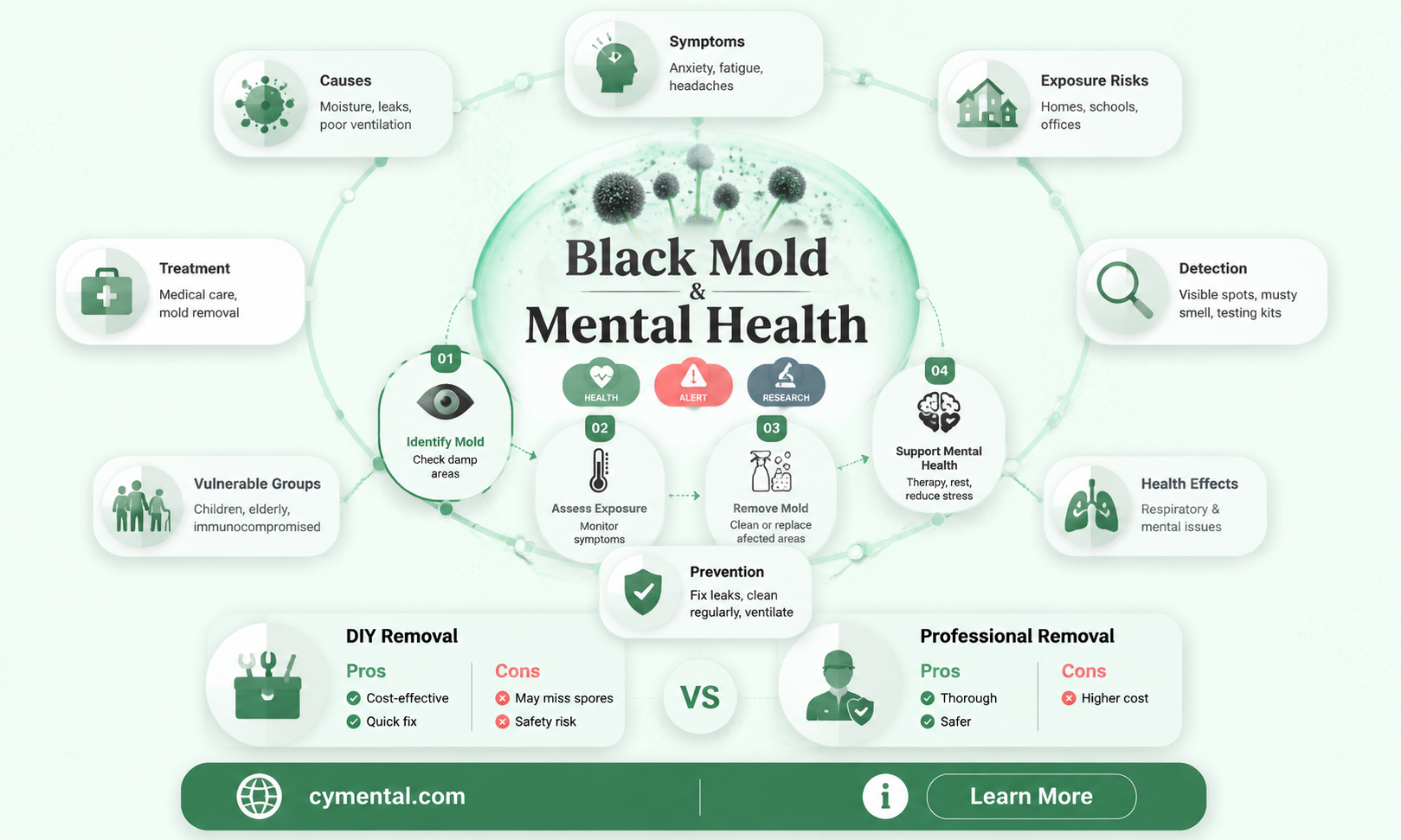
Black mold, a type of fungus that thrives in damp and poorly ventilated environments, has been a subject of concern due to its potential health impacts. While it's well-known for causing respiratory issues and allergic reactions, there is growing evidence to suggest that black mold can also affect mental health. This connection is not yet fully understood, but some studies indicate that exposure to mold toxins may contribute to neurological problems, including mood disorders, anxiety, and cognitive impairment. The topic of whether black mold can affect mental health is therefore an important area of investigation, as it could have significant implications for public health and safety.
Explore related products




What You'll Learn
- Mold Exposure Symptoms: Recognizing signs of black mold exposure, including respiratory issues and allergic reactions
- Mental Health Impact: Exploring how black mold exposure can lead to anxiety, depression, and cognitive impairment
- Neurological Effects: Investigating potential neurological damage from prolonged black mold exposure and its implications
- Environmental Factors: Understanding how environmental conditions influence black mold growth and its impact on mental well-being
- Remediation Strategies: Effective methods for removing black mold and preventing its recurrence to safeguard mental health

Mold Exposure Symptoms: Recognizing signs of black mold exposure, including respiratory issues and allergic reactions
Exposure to black mold can manifest in a variety of symptoms, some of which are often overlooked. One of the primary indicators is respiratory distress, which can range from mild coughing and sneezing to severe asthma attacks. Individuals with pre-existing respiratory conditions may experience exacerbation of their symptoms. Allergic reactions are another common response, characterized by itchy eyes, runny nose, and skin rashes. These symptoms can be particularly troublesome for those with compromised immune systems or allergies.
In addition to physical symptoms, black mold exposure has been linked to mental health issues. Research suggests that prolonged exposure can lead to anxiety, depression, and cognitive impairment. These psychological effects may be due to the release of mycotoxins, which can interfere with neurological function. It is crucial to recognize these signs early, as they can significantly impact an individual's quality of life.
To mitigate the risks associated with black mold, it is essential to identify and address the source of the mold promptly. This may involve professional mold remediation services, particularly in cases of extensive infestation. In the meantime, individuals can take steps to reduce their exposure, such as improving ventilation, using air purifiers, and avoiding areas with visible mold growth.
Prevention is key when it comes to black mold. Regularly inspecting homes and buildings for signs of moisture and mold can help catch the problem early. It is also important to address any water leaks or flooding promptly, as these can create ideal conditions for mold growth. By being proactive and vigilant, individuals can protect themselves and their loved ones from the harmful effects of black mold exposure.
Unveiling the Hidden Impact: Mold Exposure and Mental Health
You may want to see also
Explore related products

$22.99


Mental Health Impact: Exploring how black mold exposure can lead to anxiety, depression, and cognitive impairment
Exposure to black mold has been linked to a range of mental health issues, including anxiety, depression, and cognitive impairment. The mycotoxins produced by black mold can interfere with the body's natural detoxification processes, leading to an accumulation of toxins in the brain. This can disrupt neurotransmitter function and impair cognitive processes, resulting in symptoms such as memory loss, difficulty concentrating, and mood swings.
Studies have shown that individuals exposed to black mold are more likely to experience symptoms of anxiety and depression. In one study, participants who were exposed to black mold in their homes had significantly higher levels of anxiety and depression compared to those who were not exposed. The severity of symptoms was also found to be correlated with the level of mold exposure.
The cognitive impairment associated with black mold exposure can have a significant impact on daily functioning. Individuals may experience difficulty with tasks that require attention and concentration, such as reading, writing, or problem-solving. Memory loss can also be a problem, making it difficult to remember important information or events.
It is important to note that the effects of black mold exposure on mental health can vary depending on the individual. Factors such as the duration and level of exposure, as well as the individual's overall health and genetic predisposition, can influence the severity of symptoms.
If you suspect that you have been exposed to black mold and are experiencing mental health symptoms, it is important to seek medical attention. A healthcare professional can evaluate your symptoms and determine the appropriate course of treatment. In some cases, removing the source of mold exposure may be sufficient to alleviate symptoms, while in other cases, medication or therapy may be necessary.
In conclusion, the mental health impact of black mold exposure is a serious concern that should not be overlooked. By understanding the potential effects of mold exposure and taking steps to prevent or mitigate exposure, individuals can protect their mental health and well-being.
Unveiling the Impact: Mental Health's Reach Across Demographics
You may want to see also
Explore related products


Neurological Effects: Investigating potential neurological damage from prolonged black mold exposure and its implications
Recent studies have indicated that prolonged exposure to black mold may have significant neurological effects. This type of mold produces mycotoxins, which are toxic compounds that can damage the nervous system. Symptoms of neurological damage from black mold exposure can include headaches, dizziness, difficulty concentrating, and even depression. It is important to note that these symptoms can be nonspecific and may be attributed to other conditions, making diagnosis challenging.
One study published in the journal Environmental Health Perspectives found that exposure to black mold was associated with a decrease in cognitive function, particularly in children. The study also found that the effects of black mold exposure on cognitive function were more pronounced in individuals with pre-existing respiratory conditions. These findings suggest that black mold may have a greater impact on the neurological health of vulnerable populations, such as children and individuals with respiratory issues.
In addition to cognitive impairment, black mold exposure has also been linked to an increased risk of developing neurological disorders such as Parkinson's disease and multiple sclerosis. A study published in the journal Neurology found that individuals exposed to black mold were more likely to develop Parkinson's disease, particularly if they had a family history of the condition. Another study published in the journal Environmental Research found that exposure to black mold was associated with an increased risk of developing multiple sclerosis.
The mechanisms by which black mold exposure may lead to neurological damage are not fully understood. However, it is believed that the mycotoxins produced by black mold may interfere with the normal functioning of the nervous system, leading to inflammation and oxidative stress. These processes can damage nerve cells and disrupt the transmission of signals between them, resulting in the neurological symptoms observed in individuals exposed to black mold.
Given the potential neurological effects of black mold exposure, it is important to take steps to prevent or minimize exposure to this type of mold. This can include ensuring proper ventilation in buildings, cleaning up mold promptly, and using protective equipment such as masks and gloves when working in areas where mold is present. Individuals who suspect they may have been exposed to black mold should consult with a healthcare professional for further evaluation and guidance.
Unraveling the Mental Impact: Anxiety's Influence on Your Mind
You may want to see also
Explore related products






Environmental Factors: Understanding how environmental conditions influence black mold growth and its impact on mental well-being
Environmental factors play a crucial role in the growth and proliferation of black mold. Understanding these conditions is essential for preventing mold infestations and mitigating their impact on mental well-being. Black mold thrives in damp, humid environments with poor ventilation. Areas that are frequently exposed to moisture, such as bathrooms, kitchens, and basements, are particularly susceptible to mold growth.
One of the primary environmental factors influencing black mold growth is humidity. High humidity levels create an ideal environment for mold spores to germinate and grow. In addition to humidity, temperature also plays a significant role. Black mold typically grows best in warm temperatures, although it can also survive in cooler environments.
Poor ventilation is another critical factor that contributes to black mold growth. Inadequate air circulation can trap moisture and create a conducive environment for mold. This is especially problematic in areas where there is a lack of natural light, as mold can grow more rapidly in dark, damp conditions.
The impact of black mold on mental well-being is a growing concern. Exposure to mold can lead to a variety of health issues, including respiratory problems, allergies, and even neurological symptoms. These physical health problems can have a significant impact on mental health, leading to anxiety, depression, and other psychological issues.
Preventing black mold growth is key to protecting mental well-being. This can be achieved by maintaining proper humidity levels, ensuring adequate ventilation, and regularly inspecting for signs of mold. In areas prone to moisture, such as bathrooms and kitchens, it is essential to use mold-resistant materials and to clean regularly to prevent mold buildup.
In conclusion, environmental factors such as humidity, temperature, and ventilation play a critical role in black mold growth. By understanding and controlling these factors, it is possible to prevent mold infestations and protect mental well-being. Regular maintenance and inspection are essential for ensuring a safe and healthy living environment.
The Dark Side: Religion's Negative Impact on Mental Health
You may want to see also
Explore related products


Remediation Strategies: Effective methods for removing black mold and preventing its recurrence to safeguard mental health
Effective remediation strategies are crucial for addressing black mold infestations, not only to restore the structural integrity of a building but also to safeguard the mental health of its occupants. The process begins with a thorough inspection to identify the extent and location of the mold growth. This should be done by a certified professional who can assess the situation and recommend appropriate remediation techniques.
One of the most effective methods for removing black mold is to use a combination of cleaning solutions and physical scrubbing. A mixture of bleach and water can be used to kill the mold spores, while a stiff brush or scrub pad can help to remove the mold from surfaces. It's important to wear protective gear, such as gloves and a mask, to avoid inhaling mold spores or coming into direct contact with them.
In addition to cleaning, it's essential to address the underlying cause of the mold growth, which is often related to moisture issues. This may involve repairing leaks, improving ventilation, or installing a dehumidifier to reduce humidity levels. By eliminating the source of moisture, you can help to prevent the recurrence of mold and create a healthier living environment.
Another important aspect of mold remediation is to dispose of any contaminated materials properly. This may include removing and replacing drywall, carpeting, or other porous materials that have been affected by mold. It's crucial to follow local guidelines for mold disposal to avoid spreading the spores to other areas.
Finally, it's important to monitor the area for any signs of mold recurrence and to take prompt action if mold is detected. Regular cleaning and maintenance can help to prevent mold from returning, but it's essential to be vigilant and to address any issues quickly to protect the mental health and well-being of the occupants.
Exploring the Complex Factors That Influence Mental Health
You may want to see also
Frequently asked questions
Yes, black mold can potentially affect mental health. Exposure to mold toxins can lead to neurological issues, including mood swings, anxiety, depression, and cognitive impairment.
Black mold produces mycotoxins that can be inhaled or ingested. These toxins can disrupt the balance of neurotransmitters in the brain, leading to symptoms such as irritability, memory loss, and difficulty concentrating. Prolonged exposure can exacerbate these effects.
Common signs include persistent headaches, fatigue, anxiety, depression, mood swings, difficulty focusing, and memory problems. If you experience these symptoms and suspect mold exposure, it's important to consult a healthcare professional for proper diagnosis and treatment.