Lucas Bennett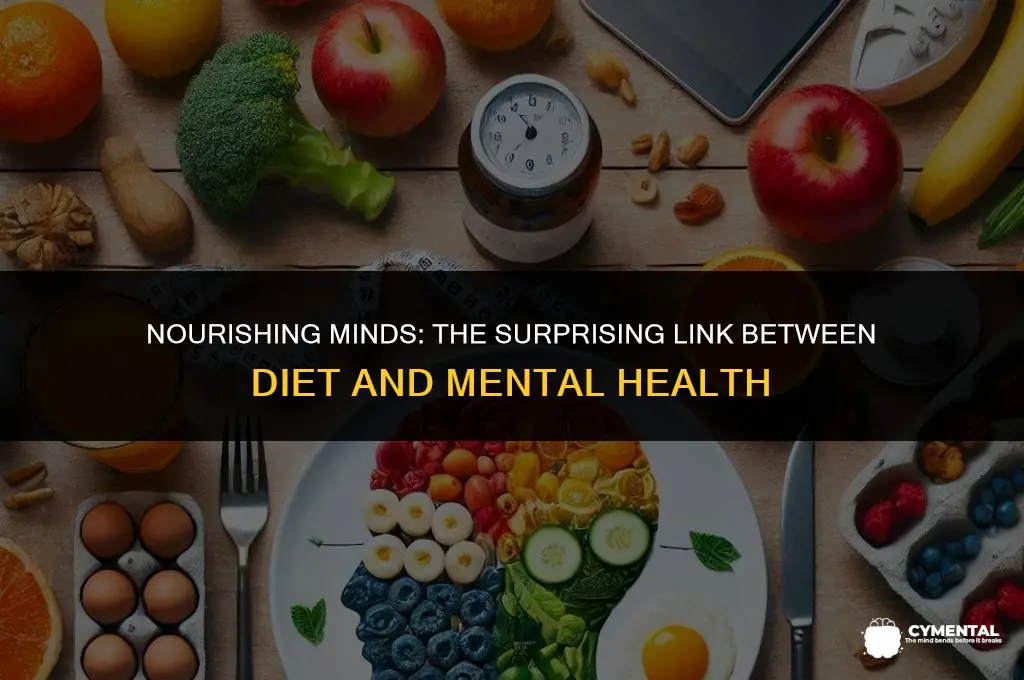
The relationship between food and mental health is a complex and evolving field of study. Research suggests that dietary choices can significantly impact mood, cognitive function, and overall psychological well-being. Certain nutrients, such as omega-3 fatty acids, B vitamins, and antioxidants, play crucial roles in brain health and may help alleviate symptoms of depression and anxiety. Conversely, a diet high in processed foods, sugar, and unhealthy fats has been linked to an increased risk of mental health disorders. While food alone cannot cure mental illness, making informed dietary choices can be a valuable adjunct to traditional treatments, promoting better mental health outcomes.
| Characteristics | Values |
|---|---|
| Nutrient Content | The presence of essential nutrients like omega-3 fatty acids, B vitamins, and antioxidants can positively impact mental health. |
| Sugar and Refined Carbohydrates | High intake can lead to fluctuations in blood sugar levels, potentially exacerbating mood disorders and anxiety. |
| Caffeine | Stimulant found in coffee, tea, and some foods, which can increase alertness but may also contribute to anxiety and sleep disturbances in excess. |
| Alcohol | Depressant that can temporarily reduce inhibitions but may worsen depression and anxiety over time. |
| Food Additives | Artificial colors, flavors, and preservatives can have adverse effects on mood and behavior in some individuals. |
| Gut-Brain Axis | The health of the gut microbiome is linked to mental health, with probiotics and prebiotics potentially improving mood. |
| Inflammation | Certain foods can trigger inflammation, which is associated with depression and other mental health issues. |
| Allergens and Intolerances | Food sensitivities can cause physical and mental symptoms, including mood swings and cognitive impairment. |
| Hydration | Dehydration can lead to fatigue, irritability, and decreased cognitive function. |
| Meal Frequency and Timing | Regular meals and balanced nutrition can help maintain stable energy levels and mood. |
| Cultural and Emotional Associations | Food can have emotional significance, influencing mood and mental well-being based on cultural and personal experiences. |
| Access and Affordability | Limited access to nutritious food can contribute to stress and negatively impact mental health. |
| Cooking and Preparation Methods | The way food is prepared can affect its nutritional value and impact on mental health. |
| Food Marketing and Advertising | Misleading food marketing can influence dietary choices, potentially leading to negative mental health outcomes. |
| Education and Awareness | Understanding the relationship between food and mental health can empower individuals to make healthier choices. |
Explore related products


What You'll Learn
- Nutrient Deficiencies: Lack of essential nutrients like vitamin D, B12, and omega-3 can impact mood and cognitive function
- Sugar and Mood Swings: High sugar intake can lead to rapid mood changes and increased risk of depression
- Gut-Brain Connection: A healthy gut microbiome is crucial for mental well-being, as it influences neurotransmitter production
- Caffeine and Anxiety: Excessive caffeine consumption can exacerbate anxiety symptoms and disrupt sleep patterns
- Food Additives: Certain additives, such as artificial colors and preservatives, may contribute to hyperactivity and mood disorders

Nutrient Deficiencies: Lack of essential nutrients like vitamin D, B12, and omega-3 can impact mood and cognitive function
Vitamin D, often referred to as the "sunshine vitamin," plays a crucial role in regulating mood and cognitive function. Deficiencies in this nutrient have been linked to an increased risk of depression, anxiety, and even dementia. The body primarily synthesizes vitamin D through exposure to sunlight, but it can also be obtained from certain foods such as fatty fish, egg yolks, and fortified dairy products. During the winter months or for individuals who spend limited time outdoors, supplementation may be necessary to maintain adequate levels.
B vitamins, particularly B12, are essential for the production of neurotransmitters like serotonin and dopamine, which are critical for mood regulation. A deficiency in B12 can lead to symptoms such as fatigue, irritability, and cognitive decline. While B vitamins are abundant in animal products like meat, fish, and poultry, vegetarians and vegans may need to rely on fortified foods or supplements to meet their needs. It's important to note that B vitamin deficiencies can sometimes be masked by other conditions, so proper diagnosis is key.
Omega-3 fatty acids, found primarily in fatty fish, flaxseeds, and walnuts, are vital for brain health. These essential fats play a role in reducing inflammation, improving mood, and supporting cognitive function. Research has shown that individuals with depression often have lower levels of omega-3s in their blood. Supplementing with omega-3s has been found to improve symptoms of depression, particularly in those with more severe cases. It's recommended to consume at least two servings of fatty fish per week or to take a daily omega-3 supplement to maintain optimal levels.
In addition to these key nutrients, other deficiencies such as iron, zinc, and magnesium can also impact mental health. Iron deficiency, for example, can lead to fatigue, irritability, and difficulty concentrating. Zinc plays a role in neurotransmitter function and has been linked to depression and anxiety when levels are low. Magnesium is involved in over 300 biochemical reactions in the body, including the production of serotonin and dopamine. Deficiencies in these minerals can often be addressed through dietary changes or supplementation.
It's important to note that while nutrient deficiencies can certainly impact mental health, they are just one piece of the puzzle. Other factors such as genetics, lifestyle, and environmental stressors also play a significant role. If you suspect that you may have a nutrient deficiency, it's crucial to consult with a healthcare professional for proper diagnosis and treatment. They can help determine the best course of action, whether it's through dietary changes, supplementation, or a combination of both.
In conclusion, maintaining adequate levels of essential nutrients is crucial for optimal mental health. By being aware of the potential impacts of nutrient deficiencies and taking steps to address them, individuals can support their overall well-being and reduce the risk of mental health issues. Remember, a balanced diet rich in whole foods is the best way to ensure you're getting the nutrients your body needs to thrive.
Unraveling the Impact: Anxiety's Influence on Mental Health
You may want to see also
Explore related products





Sugar and Mood Swings: High sugar intake can lead to rapid mood changes and increased risk of depression
Sugar consumption has a profound impact on our mental well-being, particularly in terms of mood regulation. Research indicates that high sugar intake can lead to rapid mood swings and an increased risk of depression. This is primarily due to the way sugar affects our brain chemistry. When we consume sugar, it causes a rapid spike in blood glucose levels, which in turn leads to a surge in the release of neurotransmitters like serotonin and dopamine. These neurotransmitters are responsible for regulating mood, and their sudden increase can result in feelings of euphoria. However, this high is short-lived, and as blood sugar levels crash, so do our mood levels, leading to irritability, fatigue, and anxiety.
Furthermore, chronic high sugar intake can lead to insulin resistance, which has been linked to an increased risk of depression. Insulin resistance occurs when the body's cells become less responsive to insulin, the hormone responsible for regulating blood sugar levels. This can lead to persistently high blood sugar levels, which can damage brain cells and disrupt the balance of neurotransmitters, contributing to depressive symptoms.
It's also important to note that sugar can affect our mental health indirectly through its impact on physical health. High sugar intake is associated with a range of physical health problems, including obesity, type 2 diabetes, and heart disease. These conditions can all contribute to poor mental health, as they can lead to feelings of shame, guilt, and anxiety, as well as social isolation and reduced quality of life.
Reducing sugar intake can be a challenging task, given its prevalence in modern diets. However, there are several strategies that can help. One approach is to gradually reduce sugar intake over time, allowing the body and brain to adjust to lower levels of sugar. Another strategy is to focus on consuming whole, nutrient-dense foods that provide sustained energy and support overall health. This includes foods like fruits, vegetables, whole grains, lean proteins, and healthy fats.
In addition to dietary changes, regular physical activity can also help to mitigate the negative effects of sugar on mental health. Exercise has been shown to improve mood, reduce stress, and increase the brain's sensitivity to insulin, which can help to regulate blood sugar levels. Aiming for at least 30 minutes of moderate-intensity exercise per day can provide significant benefits.
In conclusion, while sugar may provide a temporary mood boost, its long-term effects on mental health can be detrimental. By understanding the relationship between sugar and mood swings, and taking steps to reduce sugar intake and improve overall health, individuals can better support their mental well-being and reduce their risk of depression.
Exploring the Impact of Concussions on Cognitive Function
You may want to see also
Explore related products


Gut-Brain Connection: A healthy gut microbiome is crucial for mental well-being, as it influences neurotransmitter production
The gut-brain connection is a fascinating and complex relationship that has garnered significant attention in recent years. At its core, this connection refers to the bidirectional communication between the gut microbiome and the brain, which can have profound implications for mental health. The gut microbiome, composed of trillions of microorganisms, plays a crucial role in producing neurotransmitters such as serotonin, dopamine, and GABA, which are essential for regulating mood, motivation, and stress responses.
Research has shown that an imbalance in the gut microbiome, often referred to as dysbiosis, can contribute to the development of mental health disorders such as depression, anxiety, and even autism spectrum disorder. This imbalance can be caused by a variety of factors, including poor diet, antibiotic use, and chronic stress. Conversely, a healthy gut microbiome has been linked to improved mental well-being, cognitive function, and resilience to stress.
One of the key mechanisms by which the gut microbiome influences mental health is through the production of short-chain fatty acids (SCFAs). These compounds are produced when gut bacteria ferment dietary fiber, and they have been shown to have anti-inflammatory and neuroprotective effects. SCFAs can also influence the expression of genes involved in neurotransmitter production and metabolism, further highlighting the intricate relationship between the gut and the brain.
In addition to its role in neurotransmitter production, the gut microbiome also plays a crucial role in regulating the immune system and reducing inflammation. Chronic inflammation has been linked to a variety of mental health disorders, and the gut microbiome can help to mitigate this by promoting a balanced immune response. Furthermore, the gut microbiome can also influence the integrity of the blood-brain barrier, which is essential for protecting the brain from harmful substances and maintaining proper cognitive function.
Given the importance of the gut-brain connection, it is essential to maintain a healthy gut microbiome through proper diet and lifestyle choices. Consuming a diet rich in fiber, fermented foods, and prebiotics can help to support the growth of beneficial gut bacteria, while reducing the intake of processed foods, sugar, and unhealthy fats can help to minimize the growth of harmful bacteria. Additionally, practices such as regular exercise, stress management, and adequate sleep can also contribute to a healthy gut microbiome and improved mental well-being.
In conclusion, the gut-brain connection is a critical aspect of mental health that should not be overlooked. By understanding the complex relationship between the gut microbiome and the brain, and taking steps to maintain a healthy gut, individuals can support their mental well-being and improve their overall quality of life.
Debunking Wellness Myths: The Surprising Factor That Doesn't Matter
You may want to see also
Explore related products


Caffeine and Anxiety: Excessive caffeine consumption can exacerbate anxiety symptoms and disrupt sleep patterns
Caffeine, a common stimulant found in coffee, tea, and various energy drinks, can have a profound impact on mental health, particularly anxiety. While moderate caffeine consumption may provide a temporary boost in alertness and mood, excessive intake can lead to a range of negative effects, including heightened anxiety symptoms and disrupted sleep patterns.
Research has shown that caffeine can increase the production of stress hormones like cortisol and adrenaline, which can exacerbate feelings of anxiety and tension. Additionally, caffeine's ability to interfere with the body's natural sleep-wake cycle can lead to insomnia and other sleep disturbances, further contributing to anxiety and overall mental health issues.
It is essential to note that individual tolerance to caffeine varies greatly, and what may be considered moderate consumption for one person could be excessive for another. Factors such as age, weight, and overall health can influence how the body metabolizes caffeine, making it crucial to be mindful of personal limits.
To mitigate the potential negative effects of caffeine on anxiety and sleep, it is recommended to limit daily intake to no more than 400 milligrams, which is roughly equivalent to four cups of brewed coffee. It is also advisable to avoid consuming caffeine late in the day, as its effects can linger for several hours and interfere with nighttime sleep.
In conclusion, while caffeine can be a useful tool for enhancing alertness and productivity, it is essential to consume it in moderation and be aware of its potential impact on mental health. By understanding the relationship between caffeine and anxiety, individuals can make informed choices about their consumption habits and take steps to maintain a healthy balance between energy and mental well-being.
Unveiling the Link: Allergies and Their Impact on Mental Health
You may want to see also
Explore related products



Food Additives: Certain additives, such as artificial colors and preservatives, may contribute to hyperactivity and mood disorders
Artificial colors and preservatives are among the most scrutinized food additives when it comes to their potential impact on mental health. Studies have suggested that these substances may contribute to hyperactivity and mood disorders, particularly in children. For instance, a 2007 study published in The Lancet found that a mixture of artificial food colors and the preservative sodium benzoate could increase hyperactivity in children.
One of the primary concerns with artificial colors is their ability to interfere with neurotransmitter function. Neurotransmitters are chemicals in the brain that regulate mood, behavior, and other cognitive functions. Some artificial colors, such as Yellow 5 and Red 40, have been shown to inhibit the reuptake of certain neurotransmitters, potentially leading to imbalances that could manifest as hyperactivity or mood disorders.
Preservatives like sodium benzoate and sodium nitrite have also been linked to mental health issues. Sodium benzoate, commonly used to prevent mold and yeast growth in foods, has been found to increase anxiety and aggression in some studies. Sodium nitrite, used to preserve meats and fish, has been associated with increased levels of anxiety and depression.
It's important to note that while these additives may contribute to mental health issues, they are not the sole cause. A combination of genetic predisposition, environmental factors, and diet can all play a role in the development of hyperactivity and mood disorders. However, given the potential risks associated with these additives, it may be prudent to limit their consumption, especially in children who may be more susceptible to their effects.
Parents and caregivers can take steps to reduce their children's exposure to these additives by choosing foods that are free from artificial colors and preservatives. Reading food labels carefully and opting for whole, unprocessed foods can help minimize the intake of these potentially harmful substances. Additionally, advocating for stricter regulations on the use of food additives can help protect public health on a broader scale.
Exploring the Impact of Acne on Mental Well-being
You may want to see also
Frequently asked questions
Yes, food can significantly impact mental health. Nutrients in food play a crucial role in brain function, and a balanced diet can help manage symptoms of mental health conditions.
Foods rich in omega-3 fatty acids, such as salmon and walnuts, as well as those high in antioxidants like berries and leafy greens, can contribute to better mental health.
High sugar intake can lead to fluctuations in blood sugar levels, which may exacerbate symptoms of anxiety and depression. Reducing sugar consumption can help stabilize mood.
Yes, there is a strong connection between gut health and mental health. The gut microbiome produces neurotransmitters that influence mood, and maintaining a healthy gut can support mental well-being.
Yes, food allergies or sensitivities can lead to inflammation and other bodily reactions that may affect mental health. Identifying and avoiding trigger foods can help alleviate symptoms.