Caleb Wright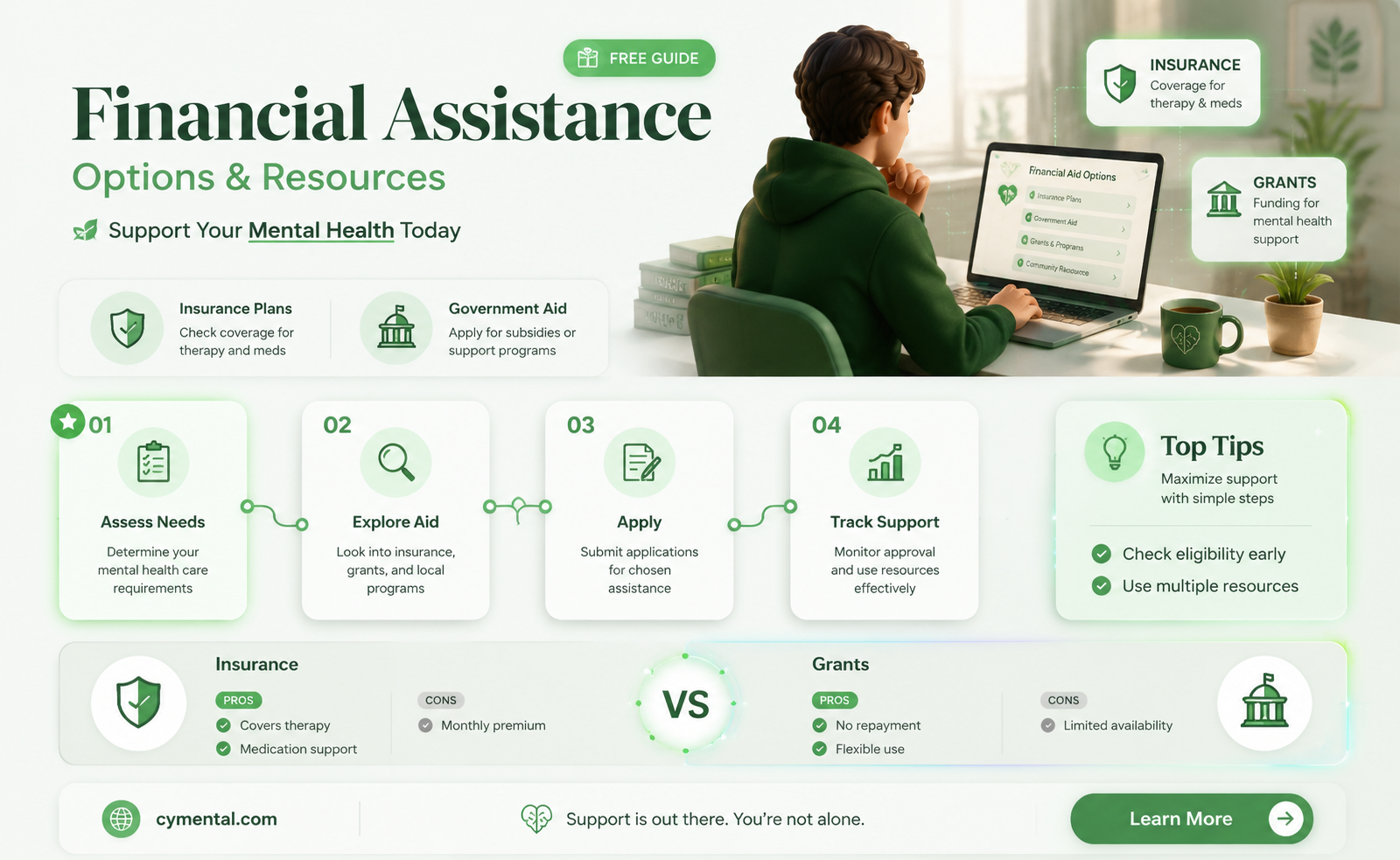
Navigating the financial aspects of mental health care can be overwhelming, but many individuals are unaware that various forms of financial assistance are available to help offset costs. From insurance coverage and government programs to nonprofit organizations and sliding-scale therapy options, there are numerous resources designed to make mental health services more accessible. Understanding these options can significantly reduce the financial burden of seeking treatment, ensuring that individuals can prioritize their mental well-being without added stress. Whether you’re exploring therapy, medication, or other mental health services, knowing where to look for financial help can make a meaningful difference in your journey toward healing.
| Characteristics | Values |
|---|---|
| Eligibility | Varies by program and location. Common factors include: income level, diagnosis, treatment plan, and citizenship/residency status. |
| Types of Assistance | 1. Government Programs: Medicaid, Medicare, Social Security Disability Insurance (SSDI), Supplemental Security Income (SSI). 2. Non-Profit Organizations: NAMI, Mental Health America, local community mental health centers. 3. Sliding Scale Fees: Offered by some therapists and clinics based on income. 4. Employee Assistance Programs (EAPs): Provided by some employers for short-term counseling and referrals. 5. Grants and Scholarships: For education or training related to mental health. |
| Application Process | Typically involves: submitting proof of income, medical documentation, and completing application forms. May require interviews or assessments. |
| Coverage | Varies widely. Can include therapy sessions, medication, hospitalization, case management, and support groups. |
| Limitations | 1. Wait Times: Long waitlists for certain programs. 2. Coverage Gaps: Not all services may be covered. 3. Income Restrictions: Some programs have strict income limits. 4. Geographic Availability: Services may be limited in rural or underserved areas. |
| Recent Trends | Increased focus on telehealth services, expanded Medicaid coverage in some states, and growing awareness of mental health parity laws. |
| Resources for Information | 1. Healthcare.gov: For insurance options. 2. SAMHSA National Helpline: 1-800-662-HELP (4357) for treatment referrals. 3. Local Mental Health Agencies: Contact local government or non-profit organizations for region-specific assistance. |
Explore related products


What You'll Learn

Government Assistance Programs
Governments worldwide recognize the critical link between mental health and overall well-being, offering a range of financial assistance programs to ensure accessibility to care. These programs, often tailored to specific demographics and needs, aim to alleviate the financial burden associated with mental health treatment. From direct subsidies to tax incentives, the support mechanisms are diverse, reflecting the complexity of mental health issues. Understanding these programs is the first step toward leveraging them effectively.
Eligibility and Application: Navigating the System
To access government assistance, individuals must first determine their eligibility, which varies by program and region. For instance, in the United States, Medicaid provides coverage for low-income individuals, including mental health services, while the Substance Abuse and Mental Health Services Administration (SAMHSA) offers grants for treatment programs. In the UK, the NHS provides free mental health services, and additional financial aid may be available through the Personal Independence Payment (PIP) for those with long-term mental health conditions. Applications typically require proof of income, medical documentation, and sometimes a referral from a healthcare provider. Early research and consultation with local health departments can streamline the process.
Types of Assistance: Beyond Direct Funding
Government programs extend beyond direct financial aid to include indirect support mechanisms. For example, tax credits for medical expenses, such as those available in Canada through the Medical Expense Tax Credit, can offset costs associated with therapy or medication. In Australia, the National Disability Insurance Scheme (NDIS) funds mental health support for eligible individuals, covering services like counseling and psychological interventions. Additionally, some programs offer subsidized housing or employment assistance for those whose mental health impacts their ability to work, providing a holistic approach to financial stability.
Challenges and Limitations: What to Watch For
While government assistance programs are invaluable, they are not without challenges. Long wait times, limited coverage for specific treatments, and stringent eligibility criteria can hinder access. For instance, some programs may not cover alternative therapies or long-term psychotherapy. Furthermore, the application process can be bureaucratic and time-consuming, requiring persistence and often the assistance of a caseworker or advocate. Understanding these limitations allows individuals to set realistic expectations and explore supplementary resources, such as nonprofit organizations or sliding-scale clinics.
Maximizing Benefits: Practical Tips for Success
To make the most of government assistance, individuals should stay informed about program updates and expansions. Regularly checking official government websites or subscribing to newsletters can provide timely information on new initiatives. Additionally, keeping detailed records of medical expenses and treatment plans can simplify the application and reimbursement processes. For those with complex needs, consulting a social worker or financial counselor specializing in mental health can offer personalized guidance. By proactively engaging with available resources, individuals can navigate the system more effectively and secure the support they need.
Deleting Social Media: A Path to Improved Mental Well-being?
You may want to see also
Explore related products


Non-Profit Organization Grants
Non-profit organizations often serve as lifelines for individuals seeking financial assistance for mental health services. These organizations, driven by missions to support underserved communities, offer grants that can cover therapy costs, medication, and even holistic wellness programs. Unlike government or insurance-based aid, non-profit grants are frequently tailored to specific demographics—such as veterans, LGBTQ+ individuals, or low-income families—ensuring targeted support where it’s most needed. For instance, organizations like the National Alliance on Mental Illness (NAMI) provide grants for peer-led programs, while the Substance Abuse and Mental Health Services Administration (SAMHSA) funds initiatives for youth mental health.
Securing a non-profit grant requires strategic preparation. Start by identifying organizations aligned with your needs—research their mission, eligibility criteria, and application deadlines. Most grants demand detailed proposals outlining your financial situation, mental health challenges, and how the funds will be used. Be specific: instead of stating, “I need help with therapy,” explain, “I require $1,200 monthly for 12 sessions of cognitive-behavioral therapy to manage PTSD.” Attach supporting documents like medical referrals or income statements to strengthen your case. Pro tip: Many non-profits prioritize applicants who demonstrate long-term commitment to their mental health journey, so highlight any steps you’ve already taken, such as self-help courses or support group participation.
One common misconception is that non-profit grants are only for extreme cases. In reality, many organizations fund preventive care and wellness activities. For example, the Anxiety and Depression Association of America offers grants for mindfulness workshops, while the Boris Lawrence Henson Foundation provides scholarships for therapy sessions. These opportunities are particularly valuable for individuals without insurance or those whose plans exclude mental health coverage. Caution: Grants often have strict reporting requirements, such as quarterly progress updates or receipts for expenditures, so be prepared to maintain transparency and accountability.
Comparing non-profit grants to other funding sources reveals their unique advantages. Unlike loans, grants do not require repayment, reducing financial stress. Compared to crowdfunding, grants offer more privacy and reliability. However, they typically have limited funding pools and competitive application processes. To maximize your chances, apply to multiple organizations simultaneously and consider partnering with a caseworker or social worker who can guide you through the process. Remember, persistence pays off—many successful applicants were initially rejected but refined their proposals and reapplied.
Finally, non-profit grants can serve as stepping stones to long-term financial stability. Some organizations, like the Mental Health America Foundation, offer not just immediate financial relief but also resources for job training or educational programs that improve overall well-being. By leveraging these opportunities, individuals can address mental health challenges while building a foundation for future independence. Practical tip: Keep a running list of grants you’ve applied for, their statuses, and follow-up actions to stay organized and avoid missing out on potential funding.
Dropping Mental Filters: Unveiling New Perspectives on Everyday Experiences
You may want to see also
Explore related products


Insurance Coverage Options
Navigating insurance coverage for mental health can feel like deciphering a complex code, but understanding your options is crucial for accessing affordable care. Most health insurance plans in the United States are required by law to cover mental health services under the Mental Health Parity and Addiction Equity Act. This means your plan should treat mental health benefits on par with medical and surgical benefits, ensuring equal coverage for therapy sessions, medication, and hospitalization. However, the devil is in the details: deductibles, copays, and in-network provider limitations can significantly impact your out-of-pocket costs. Start by reviewing your plan’s Summary of Benefits and Coverage (SBC) to identify specific mental health services covered and any restrictions.
For those with employer-sponsored insurance, many companies now offer enhanced mental health benefits as part of their wellness programs. These may include access to Employee Assistance Programs (EAPs), which provide free, short-term counseling sessions, or partnerships with telehealth platforms like BetterHelp or Talkspace for virtual therapy. If you’re self-employed or purchasing insurance through the Health Insurance Marketplace, look for plans that explicitly list mental health coverage as a priority. Silver-level plans, for instance, often include reduced cost-sharing for mental health services through cost-sharing reduction (CSR) subsidies, making them a cost-effective option for individuals with moderate incomes.
Medicaid and Medicare also offer mental health coverage, though the specifics vary by state and plan type. Medicaid, for example, covers a broad range of mental health services, including therapy, psychiatric consultations, and substance use treatment, with minimal out-of-pocket costs for eligible individuals. Medicare Part B covers outpatient mental health services, such as individual and group therapy, with a 20% coinsurance after the Part B deductible is met. For more comprehensive coverage, consider enrolling in a Medicare Advantage plan, which often includes additional mental health benefits like wellness programs and telehealth services.
If you’re uninsured or underinsured, don’t overlook community mental health centers and sliding-scale clinics. These facilities offer services based on your income, making therapy and medication more accessible. Additionally, some states have expanded their mental health safety net programs, providing free or low-cost care to residents who meet specific criteria. Nonprofit organizations like the National Alliance on Mental Illness (NAMI) and Mental Health America also offer resources to help you find affordable care, including directories of low-cost providers and financial assistance programs.
Finally, consider supplemental insurance plans or health savings accounts (HSAs) to offset mental health expenses. Supplemental plans, such as those offered by Aflac or Cigna, can provide cash benefits for mental health-related hospitalizations or outpatient treatments. HSAs, available to those with high-deductible health plans, allow you to save pre-tax dollars for qualified medical expenses, including therapy and prescription medications. By strategically combining these options, you can create a financial safety net that ensures mental health care remains within reach.
Seeking Support: Where to Find Help and Guidance in Life
You may want to see also
Explore related products


Sliding Scale Therapy Fees
Implementing a sliding scale requires careful planning to ensure fairness and sustainability. Therapists typically use income brackets, family size, and sometimes debt obligations to determine fees. Clients are often asked to provide proof of income, such as tax returns or pay stubs, to qualify for lower rates. Transparency is key; both parties should agree on the fee structure upfront to avoid misunderstandings. For instance, a therapist might provide a fee chart showing how income levels correspond to session costs, ensuring clarity and trust.
One challenge of sliding scale fees is the potential strain on therapists’ income, especially if too many clients qualify for reduced rates. To mitigate this, some therapists limit the number of sliding scale spots available or set a minimum fee to cover basic expenses. Clients should also be mindful of the therapist’s sustainability; if possible, offering to pay a slightly higher rate within the sliding scale range can help support the practice. This mutual understanding fosters a collaborative relationship focused on long-term mental health goals.
Critics argue that sliding scale models may undervalue therapeutic services, but proponents counter that they democratize access to care. For individuals facing financial hardship, this model can be life-changing. For example, a single parent earning $25,000 annually might otherwise forgo therapy due to costs, but a sliding scale fee of $40 per session makes it feasible. This approach aligns with the ethical principle of equitable care, ensuring that mental health support isn’t a privilege reserved for the affluent.
To find therapists offering sliding scale fees, start by searching online directories like Open Path Collective or TherapyDen, which specialize in affordable mental health services. Local community health centers and nonprofit organizations often provide similar options. When reaching out, be honest about your financial situation and ask directly about sliding scale availability. Remember, seeking help is a sign of strength, and financial barriers shouldn’t stand in the way of your well-being.
Supporting Through Crisis: Texting Tips for Mental Breakdown Assistance
You may want to see also
Explore related products



Crowdfunding for Mental Health
Crowdfunding has emerged as a powerful tool for individuals seeking financial support for mental health needs, filling gaps left by traditional funding sources. Platforms like GoFundMe, Kickstarter, and specialized sites such as Mightycause allow people to share their stories and appeal directly to a global audience. Unlike insurance or government programs, crowdfunding offers flexibility—funds can cover therapy sessions, medication, holistic treatments, or even daily living expenses during recovery. However, success hinges on compelling storytelling, a clear financial goal, and a strong support network to amplify the campaign.
To launch a mental health crowdfunding campaign, start by defining a specific, achievable monetary target. For instance, if therapy costs $120 per session and you need 12 sessions, set a goal of $1,440 to account for platform fees. Craft a detailed narrative explaining your situation, treatment plan, and how funds will be used. Include personal photos or videos to humanize your story, as visual elements increase donor engagement. Share the campaign across social media, community forums, and local networks, and update donors regularly to maintain transparency and trust.
While crowdfunding can be a lifeline, it’s not without challenges. The process requires vulnerability, as sharing mental health struggles publicly can expose you to judgment or stigma. Additionally, not all campaigns reach their goals, and platforms typically charge 2.9% to 5% in fees plus payment processing costs. To mitigate risks, consider pairing crowdfunding with other resources, such as sliding-scale therapy clinics, nonprofit grants, or employer-sponsored wellness programs. Research platforms carefully—some, like GoFundMe, allow you to keep funds even if the goal isn’t met, while others operate on an all-or-nothing model.
One of the most compelling aspects of crowdfunding for mental health is its ability to foster community. Donors often leave messages of support, creating a network of encouragement beyond financial contributions. For example, a campaign for a young adult seeking residential treatment for anxiety not only raised $15,000 but also connected them with peers who shared similar experiences. This emotional backing can be as transformative as the financial aid, reinforcing the idea that recovery is a collective effort.
In conclusion, crowdfunding for mental health is a viable but nuanced option for those in need. It demands authenticity, strategic planning, and resilience but can provide both financial relief and a sense of solidarity. By understanding the mechanics, preparing for potential setbacks, and leveraging the power of community, individuals can turn this modern tool into a pathway toward healing.
Medications for Mental Illness: A Helpful Treatment or Not?
You may want to see also
Frequently asked questions
Yes, there are several options available. You can explore government programs like Medicaid, community mental health centers that offer sliding-scale fees, non-profit organizations providing financial assistance, or free clinics. Additionally, some therapists offer reduced rates for uninsured clients.
Yes, some organizations and foundations offer grants or scholarships for mental health services. Examples include the National Alliance on Mental Illness (NAMI) and local mental health advocacy groups. Researching online or contacting mental health organizations in your area can help you find available resources.
Yes, both Medicare and Medicaid cover mental health services, though coverage may vary by state and plan. Medicare Part B covers outpatient mental health care, while Medicaid typically includes therapy, counseling, and psychiatric services. Check with your specific plan for details on eligibility and coverage.