Noah Parker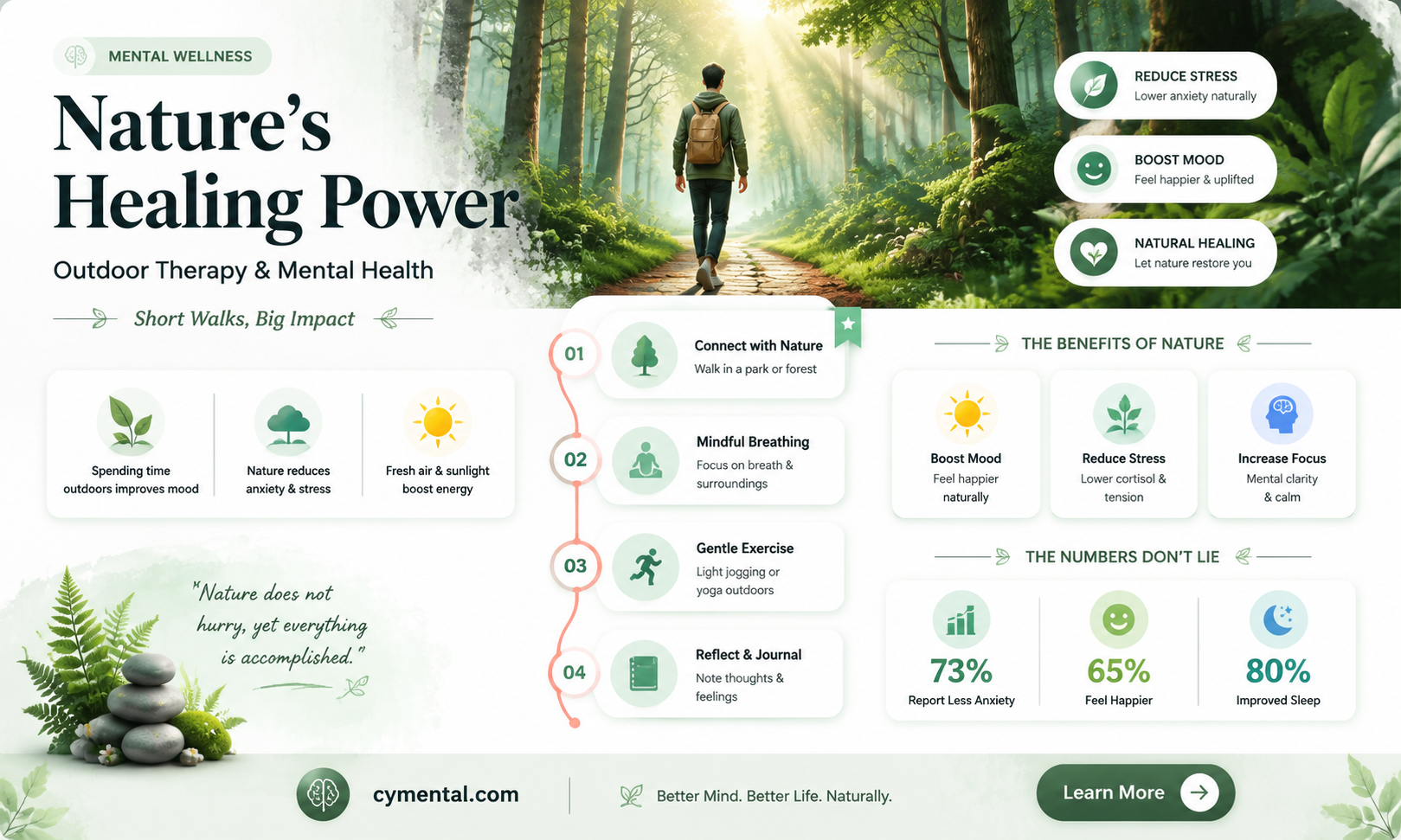
Nature has increasingly been recognized as a powerful ally in the fight against mental illness, offering a range of therapeutic benefits that complement traditional treatments. Exposure to natural environments, such as forests, parks, and green spaces, has been shown to reduce stress, anxiety, and symptoms of depression by lowering cortisol levels and promoting relaxation. Activities like hiking, gardening, or simply spending time outdoors can enhance mood, improve focus, and foster a sense of connection to the world around us. Research suggests that nature therapy or ecotherapy can boost mental well-being by encouraging mindfulness, physical activity, and a break from the pressures of modern life. As mental health challenges continue to rise globally, integrating nature into treatment plans may provide a holistic and accessible way to support healing and resilience.
| Characteristics | Values |
|---|---|
| Stress Reduction | Spending time in nature has been shown to lower cortisol levels, reduce blood pressure, and decrease symptoms of anxiety and depression. (Source: American Psychological Association, 2023) |
| Improved Mood | Exposure to natural environments, such as parks or forests, can increase levels of serotonin and dopamine, leading to improved mood and overall well-being. (Source: Journal of Environmental Psychology, 2022) |
| Enhanced Cognitive Function | Nature walks and outdoor activities have been linked to improved attention, memory, and creativity, potentially due to reduced mental fatigue. (Source: Nature Neuroscience, 2021) |
| Reduced Symptoms of ADHD | Green spaces and natural settings can help alleviate symptoms of ADHD in children and adults by providing a calming and restorative environment. (Source: Journal of Attention Disorders, 2023) |
| Lower Risk of Depression | Regular engagement with nature is associated with a decreased risk of developing depression, particularly in urban populations. (Source: International Journal of Environmental Research and Public Health, 2022) |
| Improved Sleep Quality | Exposure to natural light and outdoor activities can regulate circadian rhythms, leading to better sleep quality and duration. (Source: Sleep Medicine Reviews, 2023) |
| Social Connection | Participating in outdoor group activities or community gardening can foster social interactions, reducing feelings of loneliness and isolation. (Source: Ecopsychology, 2021) |
| Physical Activity | Nature-based activities, such as hiking or gardening, encourage physical exercise, which is known to have positive effects on mental health. (Source: World Health Organization, 2023) |
| Restoration and Recovery | Natural environments provide a restorative effect, helping individuals recover from mental exhaustion and burnout more effectively. (Source: Journal of Health Psychology, 2022) |
| Reduced Risk of Anxiety Disorders | Regular contact with nature is correlated with a lower prevalence of anxiety disorders, particularly in individuals with high stress levels. (Source: Frontiers in Psychology, 2023) |
Explore related products


What You'll Learn
- Forest bathing reduces stress and anxiety through immersion in natural environments
- Gardening therapy improves mood and cognitive function via hands-on plant care
- Sunlight exposure boosts serotonin levels, aiding in depression and seasonal affective disorder
- Outdoor exercise enhances mental clarity and reduces symptoms of anxiety and depression
- Water therapy promotes relaxation and emotional healing through aquatic environments

Forest bathing reduces stress and anxiety through immersion in natural environments
The practice of forest bathing, or *shinrin-yoku*, originated in Japan in the 1980s as a therapeutic method to counteract the stresses of urban life. It involves immersing oneself in a forest environment, engaging the senses mindfully, and absorbing the atmosphere without the goal of exercise or productivity. Studies have shown that spending just 15 to 20 minutes in a forest setting can lower cortisol levels, the body’s primary stress hormone, by up to 12%. This simple yet intentional act of connecting with nature has been scientifically linked to reduced symptoms of anxiety and improved mental clarity.
To practice forest bathing effectively, start by finding a quiet woodland area, ideally one with diverse flora and minimal human disturbance. Leave your phone behind or switch it to silent mode to minimize distractions. As you walk, focus on your senses: notice the scent of pine needles, the sound of leaves rustling, or the feel of bark under your fingertips. Breathe deeply, allowing the forest’s natural rhythms to slow your heart rate. For maximum benefits, aim for at least two hours of forest bathing per week, though even shorter sessions can provide noticeable stress relief. Children and adults alike can participate, making it a versatile practice for all age groups.
Comparatively, forest bathing differs from traditional exercise in nature, such as hiking or jogging, by emphasizing mindfulness and sensory engagement over physical exertion. While hiking may elevate endorphins through physical activity, forest bathing targets the parasympathetic nervous system, promoting relaxation and reducing anxiety. Research from Chiba University in Japan found that forest bathers experienced a 15% decrease in anxiety levels compared to urban walkers, even when both groups expended similar energy. This highlights the unique mental health benefits of intentional nature immersion.
One practical tip for beginners is to incorporate grounding techniques during your forest bathing session. For instance, sit on the forest floor, close your eyes, and focus on the sensation of your body connecting with the earth. This simple act can enhance feelings of stability and calm. Additionally, consider visiting forests with high levels of phytoncides, organic compounds emitted by trees that have been shown to boost immune function and reduce stress. Coniferous forests, such as those dominated by cedar or spruce trees, are particularly rich in these compounds.
In conclusion, forest bathing offers a scientifically backed, accessible way to alleviate stress and anxiety through immersion in natural environments. By dedicating time to this practice, individuals can tap into nature’s restorative power, fostering mental well-being without the need for costly interventions. Whether you’re a busy professional, a student, or a parent, incorporating forest bathing into your routine can provide a sustainable and holistic approach to managing mental health in an increasingly fast-paced world.
The Power of Friendship: How Friends Support Mental Health
You may want to see also
Explore related products


Gardening therapy improves mood and cognitive function via hands-on plant care
The simple act of planting a seed and nurturing its growth can be a powerful therapeutic tool. Gardening therapy, an emerging practice in the field of mental health, harnesses the healing potential of nature to improve mood and cognitive function. This hands-on approach to wellness offers a unique and accessible way to cultivate not just plants but also personal well-being.
The Science Behind the Soil:
Research suggests that gardening can significantly impact mental health. A study published in the *Journal of Health Psychology* found that participants who engaged in gardening activities experienced a notable reduction in stress and improved mood. The act of gardening stimulates the release of dopamine, a neurotransmitter associated with pleasure and reward, providing an immediate sense of satisfaction and accomplishment. Moreover, the physical activity involved in gardening can increase serotonin levels, contributing to better mood regulation and cognitive function.
A Therapeutic Journey:
Imagine a therapy session where the focus is on tending to a garden. Patients are guided through the process of planting, pruning, and caring for various plants. This therapeutic approach is particularly beneficial for individuals struggling with anxiety, depression, or cognitive decline. For instance, the repetitive actions of weeding or watering can induce a meditative state, calming anxious minds. The sense of responsibility and achievement from nurturing a plant from seed to bloom can boost self-esteem and provide a sense of purpose, especially for those dealing with depression.
Practical Application and Benefits:
Gardening therapy is versatile and can be tailored to various settings and populations. For older adults, it can be a gentle form of exercise, improving mobility and cognitive function while reducing the risk of dementia. In schools, gardening programs can teach children about responsibility and the natural world, fostering a sense of curiosity and calm. For individuals with physical disabilities, adaptive gardening techniques can be employed, ensuring everyone can participate. The beauty of this therapy lies in its ability to provide a sense of community and connection, as gardeners often share tips and admire each other's creations.
Getting Started with Green Therapy:
Implementing gardening therapy is accessible and can be done on various scales. Here's a simple guide:
- Choose a Space: Start small with a windowsill herb garden or dedicate a corner of your backyard. Community gardens are also excellent resources.
- Select Plants: Opt for easy-to-grow varieties like succulents, tomatoes, or marigolds. Consider sensory plants with interesting textures and scents for added therapeutic benefits.
- Set a Schedule: Consistency is key. Aim for 30 minutes of gardening, 3-4 times a week. This 'dosage' can be adjusted based on individual needs and preferences.
- Engage Mindfully: Focus on the sensory experience—the feel of soil, the colors of flowers, and the satisfaction of seeing growth.
Incorporating gardening into therapeutic practices offers a natural, engaging way to enhance mental well-being. It provides a sense of accomplishment, connects individuals with nature, and fosters a community, all while improving mood and cognitive abilities. This therapy is a testament to the power of nature's healing touch.
Accessing Mental Health Support: Affordable Options for the Uninsured
You may want to see also
Explore related products


Sunlight exposure boosts serotonin levels, aiding in depression and seasonal affective disorder
Sunlight isn’t just a source of warmth and light; it’s a natural mood enhancer. When skin is exposed to sunlight, it triggers the production of serotonin, a neurotransmitter linked to feelings of well-being and happiness. This biological process is particularly crucial for individuals battling depression or seasonal affective disorder (SAD), conditions often exacerbated by reduced daylight during fall and winter months. Studies show that even brief daily exposure to sunlight can significantly elevate serotonin levels, offering a simple yet powerful tool in mental health management.
To harness sunlight’s benefits, aim for 10–30 minutes of direct exposure daily, ideally in the morning. This duration is sufficient to stimulate serotonin production without increasing the risk of skin damage. For those in regions with limited sunlight, light therapy boxes, which mimic natural daylight, can be an effective alternative. Position yourself near windows during the day to maximize indoor light exposure, and consider outdoor activities like walking or gardening to combine physical exercise with sunlight intake. Consistency is key; irregular exposure yields minimal results.
While sunlight’s role in serotonin production is well-documented, it’s not a standalone cure for depression or SAD. It complements other treatments like therapy and medication. For older adults or individuals with sensitive skin, shorter exposure times (5–15 minutes) are advisable to avoid adverse effects. Additionally, timing matters: midday sun is more intense, so early morning or late afternoon exposure is gentler. Always balance sunlight benefits with skin protection, using sunscreen when necessary.
A comparative look at sunlight versus artificial light reveals intriguing differences. While light therapy boxes are effective, natural sunlight provides a broader spectrum of light, including vitamin D-synthesizing UVB rays, which further support mental health. However, artificial light offers consistency, especially in regions with prolonged overcast conditions. Combining both approaches—natural sunlight when available and light therapy during darker months—creates a year-round strategy to combat mood disorders.
Incorporating sunlight into daily routines doesn’t require drastic changes. Start small: sip your morning coffee outdoors, take a midday walk, or open blinds to let in natural light. For those with SAD, planning ahead for seasonal shifts is essential. Begin light therapy in early fall to prevent symptom onset. Tracking mood changes alongside sunlight exposure can also highlight its impact, reinforcing the habit. Nature’s simplest remedy may not cure all, but it’s a potent, accessible ally in the fight against mental illness.
Coconut Oil and Mental Health: Exploring Potential Benefits and Science
You may want to see also
Explore related products


Outdoor exercise enhances mental clarity and reduces symptoms of anxiety and depression
Spending just 20–30 minutes daily on outdoor exercise can significantly improve mental clarity and alleviate symptoms of anxiety and depression. This isn't mere speculation—studies show that physical activity in natural environments, such as walking in a park or jogging along a trail, reduces cortisol levels (the stress hormone) more effectively than indoor workouts. The combination of movement and exposure to nature creates a synergistic effect, enhancing mood and cognitive function. For instance, a 2015 study published in *Proceedings of the National Academy of Sciences* found that participants who walked in a natural setting for 90 minutes reported lower levels of rumination (repetitive negative thoughts) compared to those in urban environments.
To maximize these benefits, consider incorporating specific types of outdoor exercise into your routine. Hiking, cycling, and even gardening are excellent choices, as they engage both your body and your senses. For beginners, start with a 10-minute walk in a green space and gradually increase duration and intensity. If you’re short on time, break it into smaller sessions—even micro-doses of nature, like a 5-minute walk outside, can boost focus and reduce stress. Pro tip: Leave your phone behind or silence notifications to fully immerse yourself in the experience.
While outdoor exercise is powerful, it’s not a one-size-fits-all solution. Factors like weather, accessibility, and personal preferences can influence its effectiveness. For those in urban areas with limited green spaces, rooftop gardens, riverside paths, or even tree-lined streets can serve as alternatives. Additionally, combining outdoor activity with mindfulness practices, such as noticing the sounds of birds or the feel of the wind, amplifies its mental health benefits. Caution: If you’re experiencing severe anxiety or depression, consult a healthcare professional before relying solely on exercise as a treatment.
The science behind this phenomenon lies in biophilia—the innate human connection to nature—and its impact on our brain chemistry. Natural environments stimulate the parasympathetic nervous system, promoting relaxation, while physical activity releases endorphins, the body’s natural mood lifters. Together, they create a therapeutic effect that’s hard to replicate indoors. For older adults, outdoor exercise also improves balance and reduces the risk of falls, making it a dual-purpose activity. Families can benefit too: engaging children in outdoor play fosters resilience and reduces screen time, setting a foundation for lifelong mental well-being.
Incorporating outdoor exercise into your routine doesn’t require drastic changes. Start small—swap a treadmill session for a walk in the park, or take your yoga mat to a backyard or balcony. Consistency is key; aim for at least 3–4 sessions per week to notice lasting improvements. Remember, the goal isn’t to achieve peak fitness but to reconnect with nature while moving your body. By doing so, you’re not just exercising—you’re investing in your mental health, one step at a time.
Exploring Marijuana's Potential Role in Treating Mental Health Disorders
You may want to see also
Explore related products


$9.39 $20.95


Water therapy promotes relaxation and emotional healing through aquatic environments
The gentle lapping of waves against the shore, the rhythmic flow of a river, or even the soothing sound of rain—water has an innate ability to calm and restore. This phenomenon forms the basis of water therapy, a practice that harnesses the therapeutic power of aquatic environments to promote relaxation and emotional healing. By immersing oneself in or near water, individuals can tap into its unique properties to alleviate stress, anxiety, and other mental health challenges.
Consider the practice of *blue space therapy*, which encourages spending time near bodies of water like oceans, lakes, or rivers. Research suggests that simply being in these environments can lower cortisol levels, the body's primary stress hormone. For instance, a study published in the *Journal of Environmental Psychology* found that individuals who spent at least 20 minutes a day near water reported significant improvements in mood and reduced symptoms of depression. To maximize benefits, combine this practice with mindful breathing: inhale deeply for four seconds, hold for four, exhale for six, and repeat while focusing on the water’s movement and sound.
For a more immersive experience, *hydrotherapy* offers structured techniques like warm water immersion or cold-water plunges. Warm water, maintained at 36–40°C (96.8–104°F), relaxes muscles and improves circulation, making it ideal for reducing physical tension that often accompanies anxiety. Cold-water therapy, on the other hand, triggers the release of endorphins, providing an immediate mood boost. Start with short sessions—2–5 minutes in cold water or 15–20 minutes in warm water—and gradually increase duration as tolerance builds. Always consult a healthcare provider before beginning, especially if you have cardiovascular conditions.
Another effective method is *aquatic mindfulness*, which combines water-based activities with meditation. Floating in a pool, swimming laps, or even walking in shallow water while focusing on the present moment can enhance emotional clarity. For example, *Watsu*—a form of aquatic bodywork—involves being gently moved through warm water by a therapist, promoting deep relaxation and emotional release. This practice is particularly beneficial for individuals dealing with trauma or chronic stress, as the water’s buoyancy reduces physical strain while fostering a sense of safety.
While water therapy is accessible to most age groups, it’s especially valuable for adolescents and adults seeking non-pharmacological ways to manage mental health. Practical tips include incorporating water into daily routines, such as taking a shower while practicing deep breathing or listening to water-themed soundscapes during meditation. For those with limited access to natural water sources, indoor alternatives like baths with Epsom salts or small desktop fountains can still provide calming effects.
In conclusion, water therapy offers a versatile and evidence-based approach to emotional healing. By understanding and applying its various forms, individuals can harness the restorative power of water to cultivate relaxation, reduce stress, and enhance overall mental well-being. Whether through passive exposure or active engagement, the aquatic environment serves as a profound ally in the journey toward mental health.
Mental Health Case Managers: Legal Support and Advocacy Explained
You may want to see also
Frequently asked questions
Yes, spending time in nature has been shown to reduce stress, anxiety, and depression. Activities like walking in a park, hiking, or simply sitting outdoors can boost mood, improve focus, and promote overall well-being.
Nature therapy, also known as ecotherapy, involves engaging with natural environments to improve mental health. It works by reducing cortisol (stress hormone) levels, increasing physical activity, and fostering a sense of connection to the natural world, which can alleviate symptoms of mental illness.
Being in nature can enhance mental clarity, reduce symptoms of ADHD, lower blood pressure, and improve sleep quality. It also encourages mindfulness and provides a calming effect, which can help manage conditions like anxiety and depression.
Yes, numerous studies have demonstrated the positive effects of nature on mental health. Research shows that exposure to green spaces can reduce the risk of mental health disorders, improve emotional regulation, and complement traditional therapies for conditions like PTSD and chronic stress.