Harper Lewis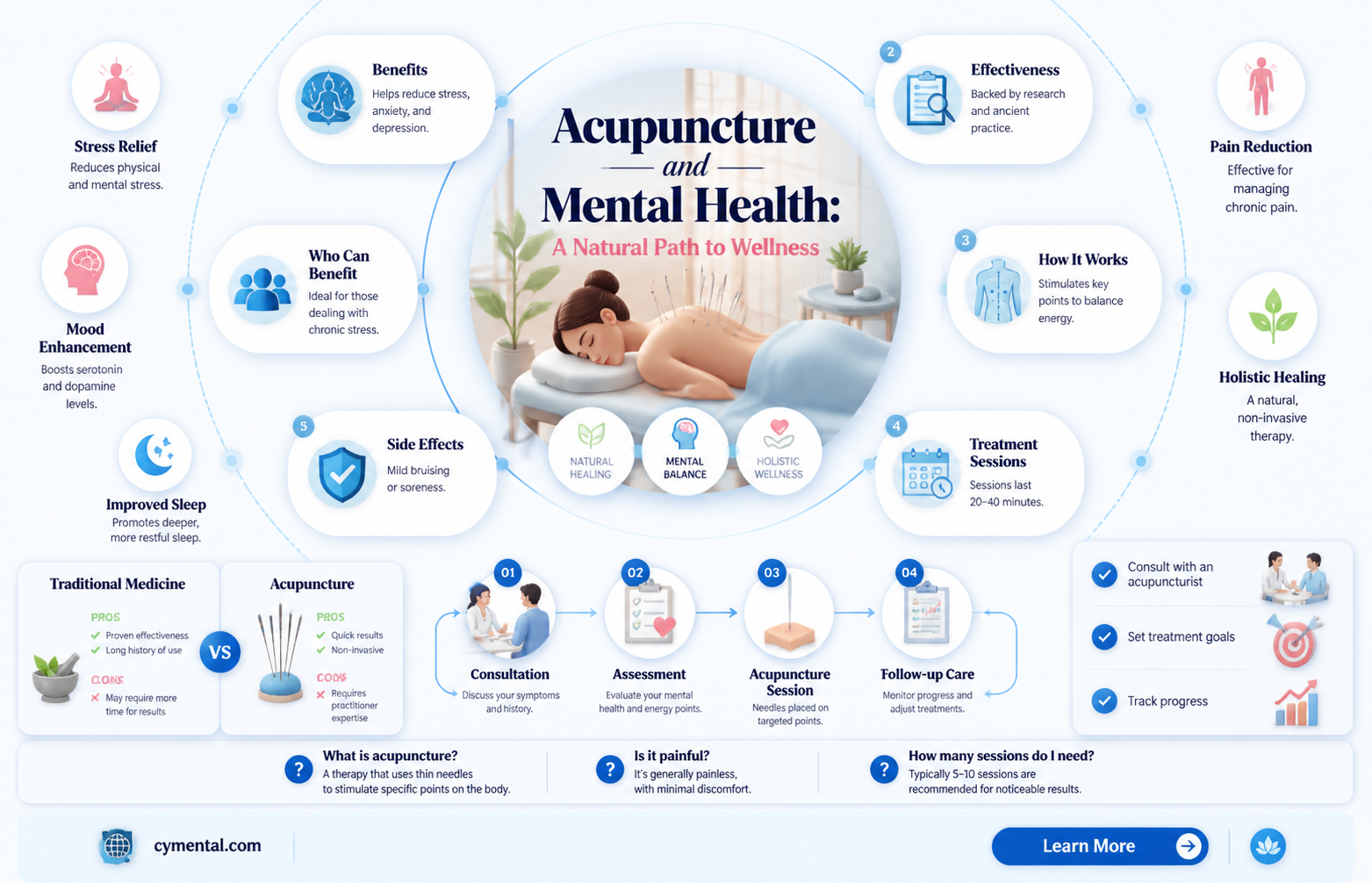
Acupuncture, an ancient practice rooted in traditional Chinese medicine, has gained attention in recent years for its potential to support mental health. By inserting thin needles into specific points on the body, acupuncture aims to restore balance and promote the flow of energy, or qi. While primarily known for its physical benefits, emerging research suggests that acupuncture may also alleviate symptoms of anxiety, depression, and stress by regulating the nervous system and influencing neurotransmitter levels. As mental health challenges continue to rise globally, many are turning to complementary therapies like acupuncture as a holistic approach to well-being, prompting further exploration into its effectiveness and mechanisms in addressing psychological conditions.
| Characteristics | Values |
|---|---|
| Effectiveness for Depression | Some studies suggest acupuncture may be as effective as counseling or antidepressants for mild to moderate depression, but more research is needed. |
| Effectiveness for Anxiety | Shows promise in reducing anxiety symptoms, potentially comparable to cognitive-behavioral therapy in some cases. |
| Mechanism of Action | May stimulate the release of endorphins (natural painkillers) and neurotransmitters like serotonin, which regulate mood. |
| Stress Reduction | Can promote relaxation and reduce stress hormones like cortisol. |
| Sleep Improvement | May improve sleep quality, which is often disrupted in mental health conditions. |
| Safety | Generally considered safe when performed by a qualified practitioner, with minimal side effects. |
| Complementary Therapy | Often used alongside conventional treatments like medication and therapy, not as a standalone cure. |
| Individual Variability | Effectiveness can vary greatly depending on the individual, the severity of the condition, and the acupuncturist's skill. |
| Research Status | Growing body of research, but more large-scale, high-quality studies are needed for conclusive evidence. |
| Cost and Accessibility | Cost can vary, and insurance coverage may be limited. Availability of qualified practitioners may also be a factor. |
Explore related products





What You'll Learn

Acupuncture for anxiety and stress reduction
Acupuncture, an ancient practice rooted in Traditional Chinese Medicine (TCM), has gained modern attention for its potential to alleviate anxiety and stress. By inserting thin needles into specific points on the body, acupuncture aims to restore balance to the flow of energy, or "qi," which is believed to be disrupted in states of mental distress. Research suggests that this practice can modulate the nervous system, reducing the body’s stress response and promoting relaxation. For instance, studies have shown that acupuncture can lower cortisol levels, the hormone associated with stress, while increasing the production of endorphins, the body’s natural painkillers and mood elevators.
To harness acupuncture’s benefits for anxiety and stress reduction, consistency is key. Practitioners often recommend a series of sessions, typically 6 to 12, spaced weekly or biweekly, depending on the severity of symptoms. Each session lasts about 30 to 60 minutes, during which needles are retained in the skin for 20 to 30 minutes. Common acupoints targeted for stress relief include *Yin Tang* (between the eyebrows), *Pericardium 6* (inner forearm), and *Heart 7* (wrist crease). These points are believed to calm the mind, regulate heart rate, and soothe the nervous system. For those new to acupuncture, starting with a licensed practitioner who specializes in mental health can ensure a tailored and safe experience.
While acupuncture is generally safe, it’s important to approach it as a complementary therapy rather than a standalone treatment for severe anxiety or stress disorders. Combining acupuncture with other modalities, such as mindfulness practices, exercise, or therapy, can enhance its effectiveness. For example, pairing acupuncture sessions with deep breathing exercises or meditation can amplify relaxation and provide tools for managing stress outside of treatment. Additionally, maintaining a consistent sleep schedule and a balanced diet can support the body’s response to acupuncture.
One of the most compelling aspects of acupuncture is its holistic approach, addressing both physical and emotional symptoms of stress. Unlike pharmaceutical interventions, acupuncture is non-invasive and has minimal side effects, making it accessible to a wide range of individuals, including those who may be sensitive to medications. However, it’s crucial to consult with a healthcare provider before beginning acupuncture, especially if you have bleeding disorders, are pregnant, or have a pacemaker. With its growing body of supportive research and centuries-old tradition, acupuncture offers a promising avenue for those seeking natural ways to manage anxiety and stress.
Athletes and Mental Health: Why Seeking Help Remains a Challenge
You may want to see also
Explore related products


Treating depression with acupuncture therapy
Depression, a pervasive mental health condition affecting millions globally, often resists conventional treatments like medication and psychotherapy. Acupuncture, an ancient Chinese practice involving the insertion of thin needles into specific points on the body, has emerged as a complementary therapy with promising potential. Clinical studies suggest that acupuncture can modulate neurotransmitter levels, such as serotonin and dopamine, which are often dysregulated in depression. For instance, a 2013 meta-analysis published in the *Journal of Affective Disorders* found that acupuncture, when combined with antidepressants, significantly improved symptoms compared to medication alone. This synergy highlights acupuncture’s role as a viable adjunctive treatment for those seeking holistic approaches to mental health.
To begin acupuncture therapy for depression, it’s essential to consult a licensed acupuncturist who specializes in mental health conditions. Sessions typically last 30–60 minutes, with needles inserted at points like *Baihui* (GV20) on the head, *Shenmen* (HT7) on the wrist, and *Yintang* between the eyebrows. These points are believed to regulate the body’s energy flow, or *Qi*, and restore emotional balance. Patients often undergo 8–12 sessions over several weeks, though individual needs vary. For example, a 2018 study in *Acupuncture in Medicine* reported that participants experienced noticeable improvements after 4 weeks of biweekly treatments. Consistency is key, as the cumulative effect of sessions tends to yield the most significant results.
While acupuncture is generally safe, it’s not without considerations. Patients with needle phobias or bleeding disorders should discuss alternatives with their practitioner. Additionally, acupuncture should complement, not replace, evidence-based treatments like cognitive-behavioral therapy or medication. Cost can also be a barrier, as insurance coverage for acupuncture varies widely. However, many find the investment worthwhile, especially when traditional methods fall short. Practical tips include wearing loose clothing to sessions, staying hydrated, and avoiding strenuous activity afterward to maximize benefits.
Comparatively, acupuncture offers a unique advantage over conventional treatments by addressing both physical and emotional symptoms. Unlike antidepressants, which often come with side effects like weight gain or insomnia, acupuncture is non-invasive and side-effect-free for most individuals. It also aligns with the growing demand for integrative mental health care, which emphasizes the mind-body connection. For instance, a 2020 study in *Nature* highlighted acupuncture’s ability to reduce stress hormones like cortisol, further supporting its role in depression management. This holistic approach resonates with those seeking natural, sustainable solutions to mental health challenges.
In conclusion, acupuncture therapy presents a compelling option for treating depression, particularly when integrated into a comprehensive care plan. Its ability to modulate neurotransmitters, coupled with its minimal side effects, makes it a valuable tool for those exploring alternative treatments. While not a standalone cure, acupuncture’s potential to enhance mood, reduce stress, and improve overall well-being warrants consideration. As research continues to evolve, this ancient practice may become an increasingly mainstream ally in the fight against depression.
Supporting the Mentally Handicapped: Are Current Efforts Truly Making a Difference?
You may want to see also
Explore related products




Impact on PTSD symptoms and recovery
Acupuncture, an ancient practice rooted in traditional Chinese medicine, has emerged as a complementary therapy for managing post-traumatic stress disorder (PTSD) symptoms. Research suggests that it may modulate the nervous system, reducing hyperarousal and promoting emotional regulation. For instance, a 2017 study published in the *Journal of Alternative and Complementary Medicine* found that veterans receiving acupuncture sessions twice weekly for six weeks reported significant decreases in PTSD symptom severity, as measured by the Clinician-Administered PTSD Scale (CAPS). This non-pharmacological approach offers a promising alternative for individuals seeking relief from intrusive memories, hypervigilance, and sleep disturbances.
To maximize its effectiveness, acupuncture for PTSD should be tailored to the individual. Practitioners often target specific points like *Shenmen* (HT7) and *Yintang* (EX-HN3), known for their calming effects on the mind. Sessions typically last 30–60 minutes, with a recommended frequency of 8–12 treatments over 4–6 weeks. Combining acupuncture with mindfulness practices or cognitive-behavioral therapy (CBT) can enhance outcomes, as the physical relaxation induced by acupuncture may make patients more receptive to psychological interventions. However, it’s crucial to consult a licensed acupuncturist with experience in mental health to ensure safety and efficacy.
One of the most compelling aspects of acupuncture for PTSD is its potential to address both physical and emotional symptoms simultaneously. Chronic pain, often comorbid with PTSD, can be alleviated through acupuncture’s ability to stimulate endorphin release and improve blood flow. For example, a case study in the *Medical Acupuncture Journal* highlighted a 32-year-old combat veteran who experienced a 50% reduction in chronic back pain alongside improved sleep and reduced anxiety after 10 acupuncture sessions. This dual benefit underscores acupuncture’s holistic approach, which aligns with the interconnected nature of PTSD symptoms.
Despite its promise, acupuncture is not a one-size-fits-all solution. Some individuals may experience mild side effects, such as bruising or temporary soreness at needle sites. Additionally, its efficacy can vary depending on the severity and duration of PTSD. For acute cases, acupuncture may serve as a primary intervention, while chronic or complex PTSD may require integration with other treatments. Patients should approach acupuncture as part of a comprehensive recovery plan, not a standalone cure. With consistent application and proper guidance, it can be a valuable tool in the journey toward healing.
Children and Mental Health: Are They Aware of Available Support?
You may want to see also
Explore related products


$22.49 $29.99


Acupuncture’s role in managing insomnia
Insomnia, a pervasive sleep disorder affecting millions globally, often intertwines with mental health issues like anxiety and depression. Acupuncture, an ancient Chinese practice, has emerged as a complementary therapy for managing this condition. By inserting thin needles into specific points on the body, acupuncture aims to restore balance to the body’s energy flow, or *qi*. Research suggests that this process may regulate neurotransmitters and hormones, such as serotonin and cortisol, which play critical roles in sleep-wake cycles. For instance, a 2017 meta-analysis published in *Sleep Medicine Reviews* found that acupuncture significantly improved sleep quality in patients with insomnia compared to control groups.
To explore acupuncture as a treatment for insomnia, consider the following steps. Begin by consulting a licensed acupuncturist who specializes in sleep disorders. Sessions typically last 30–60 minutes, with needles inserted at points like *Shenmen* (Heart 7) and *Anmian* (Extra 22), known for their calming effects. Most practitioners recommend 8–12 sessions over several weeks for optimal results. Pair acupuncture with consistent sleep hygiene practices, such as maintaining a regular sleep schedule and limiting screen time before bed. While acupuncture is generally safe, individuals with bleeding disorders or those on blood thinners should exercise caution.
A comparative analysis highlights acupuncture’s advantages over conventional insomnia treatments. Unlike sleep medications, which often carry risks of dependency and side effects, acupuncture is non-invasive and has minimal adverse effects. It also addresses underlying imbalances rather than merely masking symptoms. For example, a study in the *Journal of Alternative and Complementary Medicine* found that acupuncture reduced insomnia severity in older adults, a demographic often vulnerable to medication side effects. However, acupuncture may not work for everyone, and its efficacy can depend on the practitioner’s skill and the patient’s receptiveness to the treatment.
For those considering acupuncture, practical tips can enhance its effectiveness. Maintain open communication with your acupuncturist about your sleep patterns and any mental health concerns. Incorporate relaxation techniques like deep breathing or meditation before sessions to maximize relaxation. Avoid caffeine and heavy meals at least two hours before treatment. While acupuncture can be a standalone therapy, it often works best as part of a holistic approach, combining it with cognitive-behavioral therapy for insomnia (CBT-I) or herbal remedies like valerian root. By integrating acupuncture into a broader wellness plan, individuals may find sustainable relief from insomnia and its associated mental health challenges.
Boost Focus and Calm: Strategies for Achieving Mental Clarity
You may want to see also
Explore related products


Enhancing focus and reducing ADHD symptoms
Acupuncture, an ancient practice rooted in traditional Chinese medicine, has gained attention for its potential to enhance focus and reduce symptoms of ADHD. By stimulating specific points on the body, acupuncture aims to balance energy flow, or Qi, which may improve cognitive function and emotional regulation. Research suggests that this non-pharmacological approach could offer a complementary strategy for individuals seeking alternatives to conventional ADHD treatments.
Consider the mechanism: acupuncture is believed to modulate neurotransmitters like dopamine and norepinephrine, which play critical roles in attention and impulse control. A 2018 study published in the *Journal of Alternative and Complementary Medicine* found that participants with ADHD who received acupuncture sessions twice weekly for eight weeks reported significant improvements in focus and hyperactivity. While sample sizes in such studies are often small, the findings highlight acupuncture’s potential as a supportive therapy. For optimal results, practitioners often recommend combining acupuncture with other holistic practices, such as mindfulness or dietary adjustments.
Implementing acupuncture for ADHD requires careful consideration of frequency and duration. Typically, sessions last 30–60 minutes, with initial treatments occurring 1–2 times per week for 6–8 weeks. Maintenance sessions may then be reduced to once every 2–4 weeks. It’s essential to consult a licensed acupuncturist who specializes in mental health to tailor the treatment plan to individual needs. For children with ADHD, pediatric acupuncture techniques use thinner needles and shorter session times, ensuring comfort and safety.
One practical tip for maximizing benefits is to maintain a consistent routine. Pair acupuncture sessions with a structured daily schedule that includes regular sleep, exercise, and meal times. This synergy can amplify focus and reduce ADHD symptoms more effectively than acupuncture alone. Additionally, tracking progress through journals or apps can help individuals and practitioners identify patterns and adjust the treatment plan accordingly.
While acupuncture shows promise, it’s not a standalone cure for ADHD. It works best as part of a comprehensive approach that may include medication, therapy, or lifestyle changes. Skeptics argue that placebo effects could influence reported benefits, but even if this is partially true, the absence of severe side effects makes acupuncture a low-risk option worth exploring. For those seeking natural ways to enhance focus and manage ADHD, acupuncture offers a unique and potentially valuable tool.
Exercise and Mental Health: Unlocking the Mind-Body Connection for Wellness
You may want to see also
Frequently asked questions
Yes, acupuncture can help manage symptoms of anxiety and depression by regulating neurotransmitters, reducing stress hormones, and promoting relaxation. Research suggests it may be used as a complementary therapy alongside traditional treatments.
Acupuncture may alleviate PTSD symptoms by calming the nervous system, improving sleep, and reducing hyperarousal. It targets specific points to balance energy flow and support emotional healing.
Generally, acupuncture is safe when performed by a licensed practitioner. However, individuals with severe mental health conditions should consult their healthcare provider to ensure it complements their existing treatment plan.
The number of sessions varies depending on the individual and the condition. Some people notice improvements after 4–6 sessions, while others may require ongoing treatment for sustained benefits. Consistency is key.