Noah Parker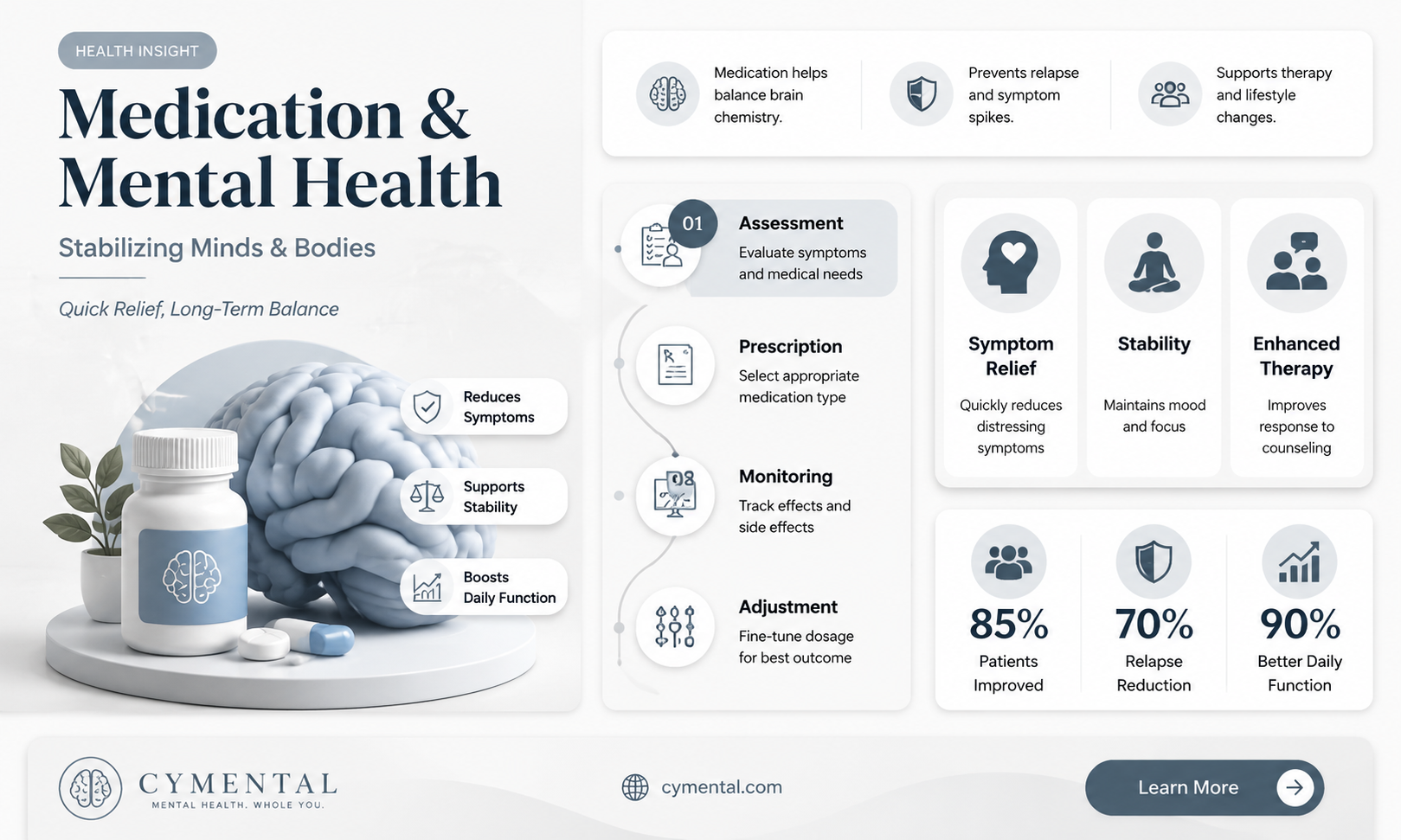
Medication plays a crucial role in stabilizing both mental health illnesses and medical diseases by addressing underlying biological imbalances and symptoms. In mental health, medications such as antidepressants, antipsychotics, and mood stabilizers can help regulate neurotransmitters, reduce symptoms like anxiety or depression, and improve overall functioning. Similarly, in medical conditions like diabetes, hypertension, or autoimmune disorders, medications manage symptoms, slow disease progression, and prevent complications. While medication is often a cornerstone of treatment, it is most effective when combined with lifestyle changes, therapy, and regular monitoring. However, its efficacy varies depending on the individual, the condition, and adherence to prescribed regimens, highlighting the importance of personalized care in achieving long-term stability.
| Characteristics | Values |
|---|---|
| Effectiveness in Mental Health | Medications like antidepressants, antipsychotics, mood stabilizers, and anxiolytics can effectively manage symptoms of depression, anxiety, bipolar disorder, schizophrenia, and ADHD. |
| Mechanism of Action | Works by balancing neurotransmitters (e.g., serotonin, dopamine, norepinephrine) in the brain, reducing symptom severity and improving functioning. |
| Stabilization of Symptoms | Helps stabilize mood swings, reduce psychotic episodes, alleviate anxiety, and improve focus, enabling better daily functioning and quality of life. |
| Combination with Therapy | Often used alongside psychotherapy (e.g., CBT) for comprehensive treatment, enhancing overall effectiveness. |
| Chronic Disease Management | Medications like insulin for diabetes, statins for cardiovascular diseases, and immunosuppressants for autoimmune disorders help stabilize conditions and prevent complications. |
| Preventive Role | Certain medications (e.g., anticoagulants, antihypertensives) prevent disease progression or recurrence, reducing hospitalization and mortality rates. |
| Individualized Treatment | Treatment plans are tailored based on the patient's condition, severity, and response to medication, ensuring optimal outcomes. |
| Side Effects | Potential side effects (e.g., weight gain, drowsiness, gastrointestinal issues) may require dosage adjustments or alternative medications. |
| Long-Term Use | Many conditions require long-term medication use to maintain stability, with regular monitoring by healthcare providers. |
| Adherence Challenges | Non-adherence to medication regimens can lead to symptom relapse or disease exacerbation, emphasizing the need for patient education and support. |
| Advances in Medication | Ongoing research and development have led to more targeted and effective medications with fewer side effects, improving treatment outcomes. |
| Holistic Approach | Medication is often part of a holistic approach, including lifestyle changes (diet, exercise, sleep) and social support, for better health outcomes. |
| Cost and Accessibility | Access to medications can be limited by cost, insurance coverage, and geographic location, impacting treatment stability for some individuals. |
| Evidence-Based Practice | Treatment decisions are based on clinical guidelines and evidence from randomized controlled trials, ensuring safety and efficacy. |
| Patient Empowerment | Educating patients about their medications and conditions empowers them to actively participate in their treatment and advocate for their health. |
Explore related products

$12.23 $14.39


What You'll Learn
- Psychopharmacology Basics: How medications target brain chemicals to manage mental health symptoms effectively
- Medication Adherence: Importance of consistent use for stabilizing mental health and physical conditions
- Side Effects Management: Strategies to minimize medication side effects while maintaining treatment benefits
- Dual Diagnosis Treatment: Addressing mental illness and medical diseases simultaneously with integrated medication plans
- Long-Term Efficacy: Evaluating medication effectiveness over time for sustained mental and physical health stability

Psychopharmacology Basics: How medications target brain chemicals to manage mental health symptoms effectively
Medications designed to manage mental health symptoms operate by modulating neurotransmitters, the brain’s chemical messengers. For instance, selective serotonin reuptake inhibitors (SSRIs) like fluoxetine (Prozac) increase serotonin levels in the synaptic cleft by blocking its reabsorption. This enhancement in serotonin signaling is particularly effective for conditions such as major depressive disorder and anxiety disorders. Similarly, antipsychotics like olanzapine target dopamine receptors to reduce symptoms of schizophrenia, while stimulants like methylphenidate (Ritalin) increase dopamine and norepinephrine in the prefrontal cortex to improve focus in ADHD. Each medication’s mechanism is tailored to address specific imbalances, underscoring the precision of psychopharmacology in symptom management.
The effectiveness of these medications often depends on dosage and individual neurochemistry. For example, SSRIs typically start at low doses (e.g., 10–20 mg/day for escitalopram) and are titrated upward over weeks to achieve therapeutic effects while minimizing side effects like nausea or insomnia. Lithium, a mood stabilizer for bipolar disorder, requires careful monitoring of blood levels (0.8–1.2 mEq/L) to balance efficacy and toxicity. Age and comorbidities also influence dosing—pediatric populations often require lower doses, while elderly patients may metabolize drugs more slowly, necessitating adjustments. Adherence to prescribed regimens is critical, as abrupt discontinuation can lead to withdrawal symptoms or symptom relapse.
While medications target brain chemicals, their success often hinges on a combination of factors, including patient adherence, lifestyle modifications, and concurrent therapy. For instance, antidepressants are most effective when paired with cognitive-behavioral therapy (CBT), which addresses underlying thought patterns. Similarly, antipsychotics for schizophrenia are more successful when integrated into a comprehensive treatment plan that includes social support and vocational training. Practical tips for patients include taking medications at the same time daily, using pill organizers, and maintaining open communication with healthcare providers about side effects or concerns. This holistic approach maximizes the benefits of psychopharmacological interventions.
A comparative analysis reveals that while medications can stabilize symptoms, they are not universally effective for all individuals or conditions. For example, SSRIs work for approximately 60–70% of patients with depression, leaving a significant portion unresponsive. In such cases, alternatives like serotonin-norepinephrine reuptake inhibitors (SNRIs) or transcranial magnetic stimulation (TMS) may be explored. Additionally, medications for conditions like borderline personality disorder (BPD) remain limited, with mood stabilizers and antipsychotics used off-label. This highlights the need for ongoing research into novel pharmacological targets and personalized medicine approaches to improve outcomes for diverse mental health populations.
In conclusion, psychopharmacology leverages an understanding of brain chemistry to develop medications that effectively manage mental health symptoms. By targeting specific neurotransmitters and receptors, these drugs can restore balance and improve quality of life. However, their success relies on precise dosing, patient adherence, and integration with other therapeutic modalities. As research advances, the field moves closer to personalized treatments that address individual neurochemical profiles, offering hope for more effective and tailored mental health care.
Weightlifting's Mental Benefits: Boosting Mood, Focus, and Resilience
You may want to see also
Explore related products


Medication Adherence: Importance of consistent use for stabilizing mental health and physical conditions
Medication adherence, the consistent and correct use of prescribed medications, is a cornerstone of effective treatment for both mental health and physical conditions. Without it, even the most advanced therapies can fall short, leading to symptom relapse, disease progression, or life-threatening complications. For instance, a patient with schizophrenia who skips their antipsychotic medication (e.g., olanzapine 10 mg daily) risks experiencing psychotic episodes, while someone with hypertension discontinuing their ACE inhibitor (e.g., lisinopril 20 mg daily) may face a heightened risk of stroke or heart attack. Adherence isn’t just about taking pills—it’s about maintaining stability, preventing crises, and optimizing long-term health outcomes.
Consider the practical challenges of adherence, particularly for chronic conditions requiring complex regimens. A 65-year-old diabetic managing insulin (e.g., 10 units before meals) alongside metformin (500 mg twice daily) and a statin (atorvastatin 40 mg nightly) must navigate timing, dosage, and potential side effects. Missed doses or incorrect timing can destabilize blood sugar levels, leading to hypoglycemic episodes or diabetic ketoacidosis. Similarly, a 30-year-old with bipolar disorder prescribed lithium (900 mg daily) and lamotrigine (200 mg daily) must adhere strictly to avoid mood swings or toxic side effects. These examples underscore the need for clear instructions, simplified regimens, and patient education to foster consistency.
From a persuasive standpoint, adherence isn’t just a personal responsibility—it’s a collaborative effort involving patients, caregivers, and healthcare providers. Tools like pill organizers, smartphone reminders, and medication synchronization (aligning refill dates) can streamline routines. For children or elderly patients, caregivers play a critical role in ensuring doses are taken as prescribed. Providers, meanwhile, should assess adherence regularly, address barriers (e.g., cost, side effects), and tailor regimens to individual needs. Studies show that patients who understand the "why" behind their medications—such as how SSRIs (e.g., sertraline 50 mg daily) correct serotonin imbalances in depression—are more likely to adhere.
Comparatively, non-adherence carries significant economic and health consequences. A 2020 study found that non-adherence to antipsychotics in schizophrenia patients increased hospitalization rates by 30%, while poor adherence to statins in cardiovascular patients raised mortality risk by 25%. In contrast, adherent patients often experience fewer complications, lower healthcare costs, and improved quality of life. For example, a patient with rheumatoid arthritis consistently taking methotrexate (15 mg weekly) and a biologic agent is more likely to achieve remission than someone who skips doses. The takeaway? Adherence isn’t optional—it’s essential for transforming medications from mere prescriptions into life-sustaining tools.
Finally, fostering adherence requires a proactive, patient-centered approach. Start by simplifying regimens whenever possible; for instance, combining medications into a single daily dose or using long-acting injectables (e.g., monthly aripiprazole for schizophrenia). Encourage open dialogue about side effects, as addressing concerns (e.g., switching from bupropion to escitalopram for anxiety) can improve compliance. Leverage technology, such as apps that track doses or connect patients to pharmacists for questions. For younger patients (e.g., adolescents on ADHD medication like methylphenidate 10 mg twice daily), involve parents and schools in creating structured routines. Ultimately, adherence is a shared goal—one that demands empathy, education, and innovation to ensure medications fulfill their promise of stabilizing both mind and body.
Seeking Support: A Guide to Asking for Mental Health Help
You may want to see also
Explore related products

$7.35 $11.79



Side Effects Management: Strategies to minimize medication side effects while maintaining treatment benefits
Medications often come with a double-edged sword: therapeutic benefits paired with unwanted side effects. For individuals managing mental health illnesses or chronic medical conditions, these side effects can range from mildly inconvenient to severely disruptive, sometimes leading to treatment discontinuation. Effective side effect management is crucial to ensure adherence and maximize the medication’s stabilizing potential.
Consider a patient prescribed selective serotonin reuptake inhibitors (SSRIs) for depression, who experiences nausea or insomnia. A common strategy is dose titration, starting with a lower dose (e.g., 10 mg of escitalopram instead of 20 mg) and gradually increasing it over 2–4 weeks. This allows the body to acclimate, reducing the intensity of side effects. For gastrointestinal symptoms, taking the medication with food or switching to an extended-release formulation can help. If insomnia persists, adjusting the timing of the dose—such as taking it in the morning instead of at night—may alleviate sleep disturbances without compromising efficacy.
Another approach is symptom-specific interventions. For example, antipsychotics like olanzapine often cause weight gain and metabolic changes. Patients can mitigate this by adopting a structured diet and exercise plan, monitored by a dietitian or endocrinologist. In some cases, adjunctive medications such as metformin may be prescribed to counteract metabolic side effects. Similarly, anticholinergic side effects (e.g., dry mouth, blurred vision) from tricyclic antidepressants can be managed with artificial tears or saliva substitutes, ensuring comfort without discontinuing treatment.
Patient education and proactive monitoring are cornerstone strategies. Healthcare providers should clearly communicate potential side effects before starting a medication, setting realistic expectations. Regular follow-ups allow for early detection and intervention. For instance, a patient on lithium for bipolar disorder should have routine blood tests to monitor renal function and lithium levels, as toxicity can cause tremors, nausea, or cognitive impairment. Adjusting the dose based on these results can maintain therapeutic benefits while minimizing risks.
Finally, alternative therapies or medication switches may be necessary if side effects persist. For example, if a patient on SSRIs experiences sexual dysfunction, switching to bupropion—which has a lower risk of this side effect—could be considered. Similarly, for patients on beta-blockers for anxiety who develop fatigue, alpha-2 agonists like clonidine might be a viable alternative. The goal is to tailor treatment to the individual, balancing efficacy with tolerability.
By employing these strategies—dose titration, symptom-specific interventions, patient education, and alternative options—clinicians and patients can navigate the complexities of medication side effects. This ensures that the stabilizing benefits of treatment are preserved, fostering long-term adherence and improved quality of life.
Supporting Mental Health: Effective Ways to Help Someone in Need
You may want to see also
Explore related products


$13.1


Dual Diagnosis Treatment: Addressing mental illness and medical diseases simultaneously with integrated medication plans
Medication plays a pivotal role in stabilizing both mental health illnesses and medical diseases, but the complexity arises when these conditions coexist. Dual diagnosis treatment, which addresses mental illness and medical diseases simultaneously, requires a nuanced, integrated medication plan. For instance, a patient with diabetes and major depressive disorder may struggle with medication adherence due to depressive symptoms, leading to poor glycemic control. An integrated approach might involve prescribing antidepressants like fluoxetine (20–60 mg/day) alongside metformin (500–1,000 mg twice daily), while monitoring for drug interactions and side effects. This dual focus ensures that neither condition exacerbates the other, fostering holistic recovery.
Consider the interplay between chronic pain and anxiety disorders, a common dual diagnosis scenario. Opioids, often prescribed for pain, can worsen anxiety and lead to dependency. Instead, an integrated plan might prioritize non-opioid analgesics like pregabalin (150–600 mg/day) combined with cognitive-behavioral therapy and low-dose SSRIs such as sertraline (25–50 mg/day). This approach not only alleviates pain but also addresses anxiety without introducing additional risks. The key is to tailor medications to the individual, accounting for age, comorbidities, and potential drug interactions—a 65-year-old patient, for example, may require lower dosages due to altered metabolism.
Implementing dual diagnosis treatment demands collaboration among healthcare providers. A psychiatrist, endocrinologist, and primary care physician must work together to create a cohesive plan. For a patient with schizophrenia and hypertension, antipsychotics like quetiapine (200–800 mg/day) could be paired with an ACE inhibitor such as lisinopril (10–40 mg/day). However, regular monitoring for metabolic side effects, such as weight gain or elevated blood pressure, is essential. Practical tips include using a medication organizer to improve adherence and scheduling follow-ups every 4–6 weeks to assess progress and adjust dosages as needed.
Critics argue that polypharmacy—the use of multiple medications—increases the risk of adverse effects. While valid, this concern underscores the need for careful selection and monitoring rather than avoidance. For example, a patient with bipolar disorder and asthma might benefit from mood stabilizers like lithium (600–1,200 mg/day) and inhaled corticosteroids, but serum lithium levels must be monitored to prevent toxicity. The takeaway is that integrated medication plans, when executed thoughtfully, can significantly improve outcomes for dual diagnosis patients by addressing both mental and physical health needs concurrently.
Finally, patient education is critical to the success of dual diagnosis treatment. Individuals must understand the purpose of each medication, potential side effects, and the importance of adherence. For a young adult with ADHD and epilepsy, a combination of methylphenidate (10–60 mg/day) and lamotrigine (25–200 mg/day) could be prescribed, but they should be informed about the risk of increased seizures if methylphenidate is abruptly discontinued. Empowering patients with knowledge fosters a sense of agency and improves long-term compliance. By integrating medication plans and prioritizing education, dual diagnosis treatment can transform lives, offering stability and hope to those navigating complex health challenges.
Nourish Your Mind: How Healthy Eating Boosts Mental Well-Being
You may want to see also
Explore related products



Long-Term Efficacy: Evaluating medication effectiveness over time for sustained mental and physical health stability
Medication adherence is a critical factor in evaluating long-term efficacy for sustained mental and physical health stability. Studies show that patients with chronic conditions like hypertension or depression often discontinue medication within 6-12 months, even when prescribed effective treatments. For instance, a 2019 study in the *Journal of Psychiatric Research* found that only 57% of patients with major depressive disorder continued antidepressants for a full year. Non-adherence undermines therapeutic outcomes, as inconsistent dosing disrupts pharmacokinetic stability, particularly in drugs with narrow therapeutic indices, such as lithium (0.5-1.5 mEq/L target range). To mitigate this, clinicians should emphasize the importance of adherence, consider long-acting formulations (e.g., monthly aripiprazole injections for schizophrenia), and employ digital tools like medication reminders or blister packs for elderly patients, who are at higher risk of polypharmacy complications.
The concept of "therapeutic drug monitoring" (TDM) is essential for optimizing long-term medication efficacy, especially in psychopharmacology and chronic disease management. For example, serum levels of antipsychotics like clozapine require monitoring to balance efficacy (target: 350-600 ng/mL) and risks (e.g., agranulocytosis). Similarly, warfarin’s INR must be maintained between 2.0-3.0 to prevent stroke or hemorrhage in atrial fibrillation patients. TDM is equally vital in pediatrics, where weight-based dosing adjustments (e.g., 3-5 mg/kg/day of methylphenidate for ADHD) are necessary as children grow. However, TDM is underutilized due to cost and accessibility barriers, highlighting the need for integrated healthcare systems that prioritize longitudinal care over episodic treatment.
A comparative analysis of long-term medication efficacy reveals that certain classes of drugs maintain effectiveness better than others. For instance, selective serotonin reuptake inhibitors (SSRIs) often retain efficacy in anxiety and depressive disorders over decades, with minimal tolerance development, whereas benzodiazepines (e.g., diazepam) are effective for short-term anxiety relief but lose efficacy and increase dependence risks after 4-6 weeks. In physical health, disease-modifying antirheumatic drugs (DMARDs) like methotrexate (7.5-25 mg/week) sustain efficacy in rheumatoid arthritis for years, whereas opioid analgesics (e.g., oxycodone) demonstrate diminishing returns and heightened risks after 3-6 months. Clinicians must weigh these trajectories when prescribing, prioritizing drugs with proven long-term benefits and incorporating non-pharmacological interventions (e.g., cognitive-behavioral therapy) to enhance sustainability.
Finally, patient-centered strategies are indispensable for ensuring long-term medication efficacy. Shared decision-making, where clinicians educate patients about expected timelines (e.g., 4-6 weeks for antidepressants to take effect) and potential side effects, fosters realistic expectations and adherence. For example, a 50-year-old with type 2 diabetes may need metformin (500-2000 mg/day) indefinitely, but understanding its role in preventing complications (e.g., neuropathy) can motivate continued use. Additionally, periodic reassessment—such as annual reviews of statin therapy in hyperlipidemia—ensures treatments remain aligned with evolving health needs. By combining pharmacological precision with empathetic care, healthcare providers can transform medication from a temporary fix into a cornerstone of lifelong stability.
Can You Force Someone to Get Mental Help? Ethical and Legal Considerations
You may want to see also
Frequently asked questions
Yes, medication can be highly effective in stabilizing mental health illnesses by balancing brain chemicals, reducing symptoms, and improving overall functioning. However, it often works best when combined with therapy and lifestyle changes.
Medications can address overlapping symptoms or conditions, such as antidepressants that also help with chronic pain. Coordinated care between mental health and medical providers ensures treatments are compatible and effective for both issues.
Yes, some medications have dual benefits, such as certain antidepressants that also alleviate neuropathic pain or anti-anxiety drugs that reduce physical symptoms like muscle tension.
Medication can provide long-term stabilization by managing chronic symptoms, preventing relapses, and improving quality of life. Regular monitoring and adjustments by healthcare providers are essential for ongoing effectiveness.