Harper Lewis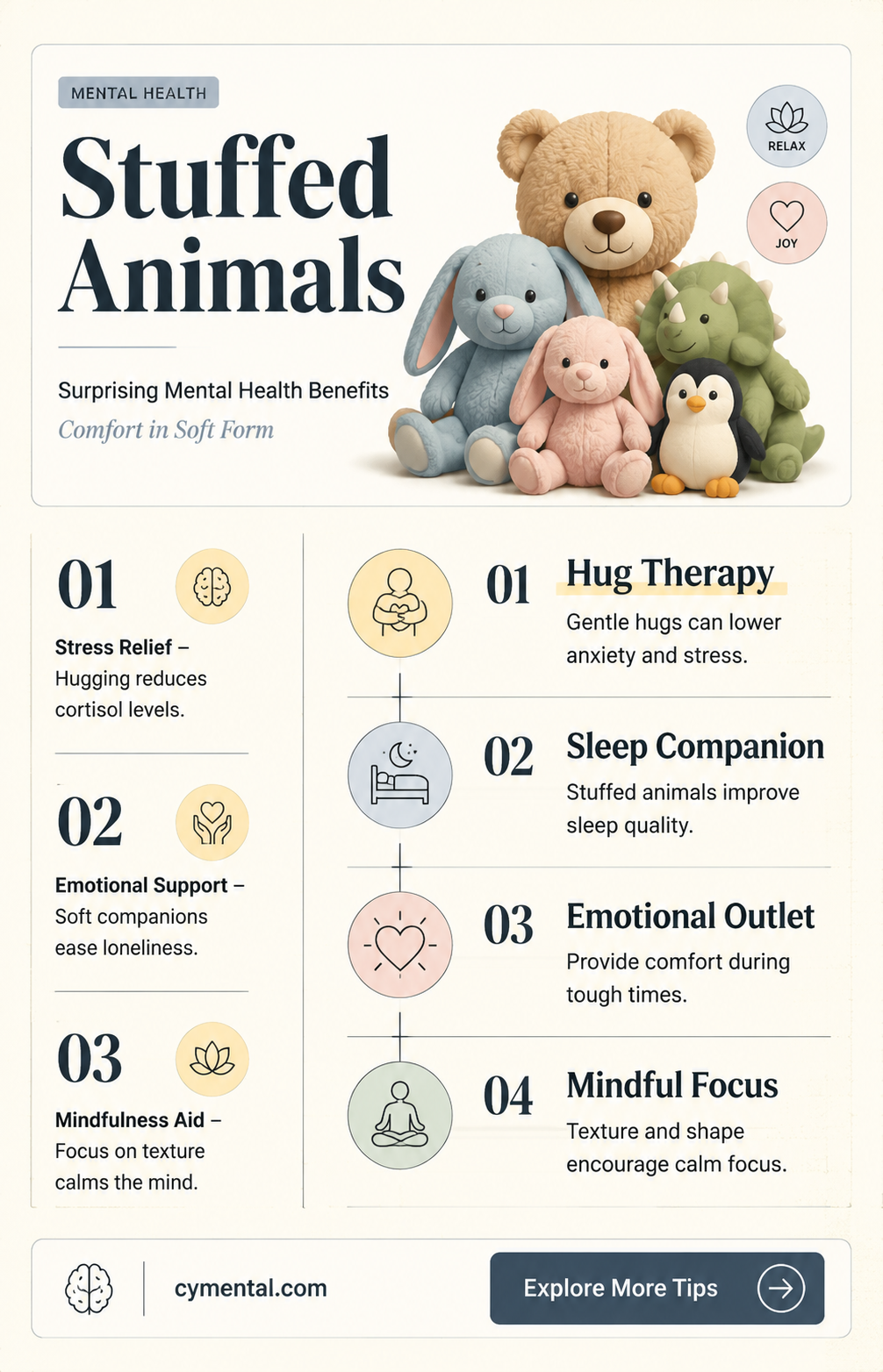
Stuffed animals, often seen as mere childhood toys, have gained recognition for their potential therapeutic benefits in supporting mental health. Beyond their cuddly appearance, these soft companions can provide comfort, reduce stress, and foster a sense of security, particularly for individuals experiencing anxiety, loneliness, or trauma. Research suggests that the tactile sensation of holding a stuffed animal can trigger the release of oxytocin, a hormone associated with bonding and relaxation, while also serving as a grounding tool for those managing sensory overload or emotional distress. For many, stuffed animals act as transitional objects, offering a sense of continuity and emotional support during challenging times, making them a simple yet powerful tool in promoting mental well-being.
| Characteristics | Values |
|---|---|
| Comfort and Security | Provides a sense of comfort, security, and familiarity, especially for individuals experiencing anxiety, stress, or trauma. |
| Emotional Support | Acts as a transitional object, helping individuals cope with separation, loneliness, or emotional distress. |
| Stress Reduction | Physical touch and cuddling with a stuffed animal can lower cortisol levels and promote relaxation. |
| Improved Sleep | Offers a sense of companionship, reducing nighttime anxiety and improving sleep quality. |
| Therapeutic Tool | Used in therapy settings (e.g., play therapy) to help individuals express emotions and process trauma. |
| Sensory Stimulation | Provides tactile comfort, which can be soothing for individuals with sensory processing disorders or autism. |
| Attachment and Bonding | Encourages healthy attachment behaviors, particularly in children, fostering emotional development. |
| Coping Mechanism | Serves as a healthy coping mechanism for managing grief, loss, or major life transitions. |
| Non-Judgmental Presence | Offers a safe, non-judgmental companion for individuals who struggle with social interactions or self-esteem issues. |
| Mood Enhancement | The presence of a stuffed animal can evoke positive emotions and reduce feelings of sadness or depression. |
| Portability | Easy to carry, providing on-the-go emotional support in stressful situations. |
| Personalization | Can be customized or chosen based on personal preferences, increasing emotional connection. |
| Cost-Effective | A low-cost, accessible tool for emotional support compared to other therapeutic interventions. |
| Cultural Acceptance | Widely accepted across cultures as a comforting item, reducing stigma around their use. |
| Research Support | Studies show positive effects on mental health, particularly in reducing anxiety and improving emotional well-being. |
Explore related products


What You'll Learn
- Comfort and Security: Stuffed animals provide a sense of comfort, reducing anxiety and promoting relaxation
- Emotional Support: They act as emotional anchors, helping individuals cope with stress and loneliness
- Childhood Connection: Reminders of childhood safety can soothe adults during mental health struggles
- Non-Judgmental Presence: Stuffed animals offer silent, unconditional support without criticism or expectations
- Therapeutic Tool: Professionals use them in therapy to aid expression and emotional processing

Comfort and Security: Stuffed animals provide a sense of comfort, reducing anxiety and promoting relaxation
Stuffed animals have long been cherished companions for children, but their role in mental health extends far beyond childhood. Research suggests that these soft, huggable objects can provide a tangible sense of comfort and security, particularly for individuals experiencing anxiety or stress. A study published in the *Journal of Personality and Social Psychology* found that adults who held a teddy bear during a stressful task exhibited lower cortisol levels, indicating reduced physiological stress responses. This simple act of holding a stuffed animal can act as a grounding mechanism, offering a physical reminder of safety and calm.
For those struggling with anxiety disorders, incorporating a stuffed animal into a relaxation routine can be a practical strategy. Therapists often recommend using a weighted stuffed animal, which combines the comfort of a plush toy with the soothing pressure of a weighted blanket. The added weight can mimic the sensation of a gentle hug, promoting the release of oxytocin, a hormone associated with bonding and relaxation. For optimal results, choose a stuffed animal that weighs about 10% of the user’s body weight, ensuring it’s heavy enough to provide comfort without causing discomfort.
The psychological benefits of stuffed animals are particularly pronounced in transitional or stressful situations. For instance, children facing hospitalization or adults navigating major life changes often find solace in the presence of a familiar stuffed companion. The consistency and predictability of a stuffed animal’s presence can counteract feelings of uncertainty, creating a sense of continuity in chaotic environments. A 2018 study in *Pediatrics* highlighted that children who brought their favorite stuffed animal to medical appointments reported lower anxiety levels and greater cooperation during procedures.
To maximize the mental health benefits of stuffed animals, consider personalizing their use. For example, designate a specific stuffed animal as a "worry buddy" and encourage the practice of verbally sharing concerns with it. This technique, often used in cognitive-behavioral therapy, helps externalize anxiety and fosters a sense of control. Additionally, incorporating sensory elements—such as a stuffed animal with a calming scent or a soft, textured fabric—can enhance its soothing effects. For adults, keeping a small stuffed animal at a workspace or bedside can serve as a subtle yet effective reminder to pause, breathe, and reconnect with a sense of calm.
While stuffed animals are not a substitute for professional mental health treatment, their role as a complementary tool is undeniable. Their accessibility, affordability, and non-judgmental presence make them a valuable resource for individuals of all ages. By providing a tangible source of comfort and security, stuffed animals can help bridge the gap between moments of distress and relaxation, offering a simple yet powerful way to nurture mental well-being.
Move Your Body, Boost Your Mind: Physical Activity's Mental Health Benefits
You may want to see also
Explore related products


Emotional Support: They act as emotional anchors, helping individuals cope with stress and loneliness
Stuffed animals, often dismissed as mere childhood toys, serve as powerful emotional anchors for individuals grappling with stress and loneliness. Their soft textures and familiar presence trigger the release of oxytocin, a hormone linked to bonding and stress reduction. For adults, holding a plush companion during moments of anxiety can mimic the comfort of a hug, providing a tangible sense of security. This sensory reassurance is particularly beneficial for those who struggle with social connections or live alone, offering a consistent source of comfort without judgment or expectation.
Consider the case of weighted stuffed animals, designed to provide deep pressure stimulation. These toys, often weighing between 5 to 15 pounds, mimic the sensation of a gentle embrace, which can calm the nervous system. Studies suggest that this type of tactile input reduces cortisol levels, the hormone associated with stress. For individuals with anxiety disorders or those experiencing chronic loneliness, incorporating a weighted stuffed animal into their daily routine—such as during meditation or before bed—can create a grounding effect, fostering a sense of stability in turbulent emotional landscapes.
While the benefits are clear, it’s essential to approach this tool with intentionality. Simply owning a stuffed animal isn’t enough; active engagement is key. For instance, naming the toy, creating a backstory, or even journaling from its perspective can deepen the emotional connection. For children, this practice fosters emotional intelligence, while for adults, it can serve as a safe outlet for processing complex feelings. Pairing this activity with mindfulness techniques, such as deep breathing while holding the toy, amplifies its calming effects.
Critics might argue that relying on inanimate objects for emotional support is immature or ineffective. However, research and anecdotal evidence challenge this notion. A 2019 study published in the *Journal of Happiness Studies* found that adults who used transitional objects like stuffed animals reported lower levels of loneliness and higher emotional resilience. The key lies in recognizing these objects not as replacements for human interaction but as tools to bridge emotional gaps, particularly during times of isolation or heightened stress.
Incorporating stuffed animals into mental health practices doesn’t require a one-size-fits-all approach. For some, a small plush toy kept in a pocket serves as a discreet reminder of comfort throughout the day. For others, a larger, more prominent stuffed animal on a bed or couch acts as a constant visual and tactile anchor. The takeaway? Emotional support through stuffed animals is accessible, affordable, and adaptable—a simple yet profound way to nurture mental well-being in an increasingly disconnected world.
Napping for Mental Health: Can Short Sleeps Ease Symptoms?
You may want to see also
Explore related products


Childhood Connection: Reminders of childhood safety can soothe adults during mental health struggles
The tactile comfort of a stuffed animal can transport adults back to a time when their biggest worry was bedtime stories, not bills or deadlines. This isn't mere nostalgia; it's a neurological response. Studies show that physical touch, even from inanimate objects, activates the release of oxytocin, the "love hormone," which reduces stress and promotes feelings of calm. For adults grappling with anxiety or depression, a childhood stuffed animal can act as a tangible anchor to a time when they felt inherently safe and secure.
A 2018 study published in the *Journal of Personality and Social Psychology* found that participants who held a teddy bear while experiencing social exclusion reported significantly lower levels of distress than those who didn't. This suggests that the comfort derived from a stuffed animal isn't just psychological; it has measurable physiological effects.
Imagine a 35-year-old woman battling insomnia due to work-related stress. She retrieves her childhood teddy bear, "Mr. Snuffles," from the attic. The familiar softness, the faint scent of lavender from years of washes, and the memories associated with Mr. Snuffles trigger a sense of comfort and security. This sensory experience can lower her heart rate, relax her muscles, and pave the way for a more restful sleep. This isn't a replacement for therapy, but a complementary tool, a tangible reminder that safety and comfort exist, even in adulthood.
It's important to note that this strategy isn't a one-size-fits-all solution. For some, childhood memories may be fraught with trauma, making stuffed animals triggers rather than soothers. However, for those with positive associations, incorporating a cherished stuffed animal into a self-care routine can be a simple yet powerful way to manage stress and anxiety.
Consider these practical tips: Keep your childhood stuffed animal on your bed or desk, within easy reach during moments of distress. Incorporate it into a bedtime routine, perhaps reading a favorite childhood book while holding it. If the original toy is lost or damaged, consider finding a similar one or even having a replica made. The key is to recreate the sensory experience and emotional connection associated with the original.
Weightlifting's Mental Benefits: Boosting Mood, Focus, and Resilience
You may want to see also
Explore related products


Non-Judgmental Presence: Stuffed animals offer silent, unconditional support without criticism or expectations
Stuffed animals, often dismissed as mere childhood toys, serve as powerful tools for mental health support by embodying a non-judgmental presence. Unlike human interactions, which can carry implicit or explicit expectations, these inanimate companions offer silent, unconditional acceptance. This absence of criticism allows individuals to express vulnerability without fear of rejection, making them particularly valuable for those struggling with anxiety, depression, or trauma. For instance, a study published in the *Journal of Happiness Studies* found that adults who held a teddy bear during a stressful task reported lower levels of anxiety compared to those who did not. This highlights the tangible impact of their presence in reducing emotional distress.
To harness this benefit, consider incorporating stuffed animals into daily routines as emotional anchors. For adults, keeping one on a desk or bedside can serve as a tactile reminder of self-compassion during moments of self-doubt. For children, a stuffed animal can become a transitional object, providing comfort during separations or transitions. Therapists often recommend this practice as part of grounding techniques for individuals with PTSD or panic disorders. The key is consistency—allow the stuffed animal to become a symbol of safety and acceptance, rather than a temporary distraction.
A comparative analysis reveals why stuffed animals excel in this role. Unlike pets, they require no care, eliminating the stress of responsibility. Unlike human confidants, they cannot offer unsolicited advice or judgment, ensuring a purely supportive presence. This makes them ideal for individuals who find social interactions draining or overwhelming. For example, a teenager with social anxiety might find solace in a stuffed animal during homework sessions, using it as a silent companion that reduces feelings of isolation.
Practical tips for maximizing this benefit include personalizing the stuffed animal to enhance its emotional connection. Adding a familiar scent, like lavender (known for its calming properties), or a recorded message of encouragement can deepen its therapeutic impact. For those in therapy, incorporating the stuffed animal into sessions can facilitate discussions about vulnerability and trust. It’s important to note that while they are not a substitute for professional treatment, they can complement existing mental health strategies by providing consistent, non-verbal reassurance.
In conclusion, the non-judgmental presence of stuffed animals offers a unique form of emotional support that transcends age and circumstance. By providing silent, unconditional acceptance, they create a safe space for individuals to process emotions without fear of criticism. Whether used as a grounding tool, a transitional object, or a symbol of self-compassion, their simplicity is their strength. For anyone seeking a tangible way to foster mental well-being, a stuffed animal can be a surprisingly effective ally in navigating life’s challenges.
Boost Focus and Calm: Strategies for Achieving Mental Clarity
You may want to see also
Explore related products

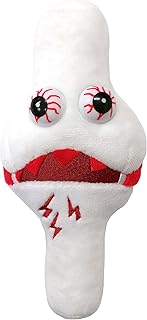
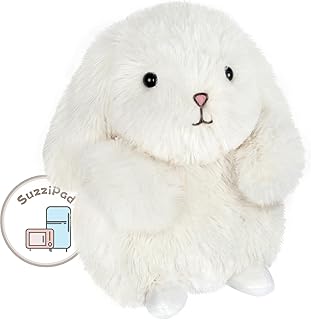


Therapeutic Tool: Professionals use them in therapy to aid expression and emotional processing
Stuffed animals, often dismissed as mere childhood toys, have found a surprising role in therapeutic settings as tools for emotional expression and processing. Mental health professionals, from child psychologists to trauma therapists, increasingly incorporate these soft companions into sessions to bridge communication gaps and foster emotional safety. For instance, a child struggling to articulate feelings of anxiety might project their emotions onto a teddy bear, allowing the therapist to explore these issues indirectly. This method, known as projective play, leverages the non-threatening nature of stuffed animals to encourage vulnerable clients to open up.
Consider the case of a trauma-focused cognitive behavioral therapy (TF-CBT) session where a teenager uses a stuffed rabbit to symbolize their fear of abandonment. By "speaking" through the rabbit, the teen can externalize their emotions, reducing the overwhelming intensity of confronting them directly. This technique is particularly effective with younger clients or individuals who find verbal expression challenging. Therapists often pair this approach with structured exercises, such as asking the client to assign emotions or experiences to the stuffed animal, creating a safe distance from the pain while still addressing it.
While the use of stuffed animals in therapy is intuitive for children, its application extends to adults as well. For example, in dialectical behavior therapy (DBT) groups, participants might use stuffed animals to role-play difficult conversations or practice emotional regulation skills. A study published in the *Journal of Child Psychology and Psychiatry* found that adolescents who used transitional objects like stuffed animals during therapy reported feeling more supported and less anxious during sessions. The key lies in the object’s ability to serve as a transitional tool, helping individuals navigate emotional landscapes without feeling exposed.
However, integrating stuffed animals into therapy requires careful consideration. Therapists must ensure the approach aligns with the client’s developmental stage and therapeutic goals. For instance, while a 7-year-old might benefit from using a stuffed animal to act out family conflicts, a 40-year-old might find it infantilizing unless framed as a metaphorical exercise. Additionally, therapists should monitor for over-reliance on the object, ensuring it remains a tool for expression rather than a crutch that hinders direct emotional engagement.
In practice, therapists can enhance the effectiveness of this tool by personalizing its use. For children, incorporating the stuffed animal into a narrative—such as having it "attend" sessions as a supportive friend—can make the process more engaging. For adults, framing the exercise as a symbolic representation of inner emotions can maintain dignity while achieving therapeutic goals. Ultimately, stuffed animals in therapy are not just toys but catalysts for emotional breakthroughs, offering a gentle yet powerful way to navigate the complexities of the human mind.
Sex and Mental Health: Exploring the Surprising Benefits and Connections
You may want to see also
Frequently asked questions
Yes, stuffed animals can provide comfort and emotional support, reducing feelings of loneliness, anxiety, and stress. They act as a grounding tool and can help individuals feel safe and secure.
Stuffed animals can serve as a tactile distraction, allowing individuals to focus on their texture or softness instead of anxious thoughts. They also provide a sense of companionship, which can calm the nervous system.
Stuffed animals can benefit people of all ages. Adults often use them as emotional support tools, especially during stressful times, as they evoke feelings of nostalgia and comfort.
No, stuffed animals are not a replacement for professional treatment like therapy or medication. However, they can complement these treatments by providing additional emotional support and comfort.
Their effectiveness lies in their ability to provide unconditional, non-judgmental support. They can act as a transitional object, helping individuals cope with stress, trauma, or emotional challenges by offering a sense of security and familiarity.