Madison Cole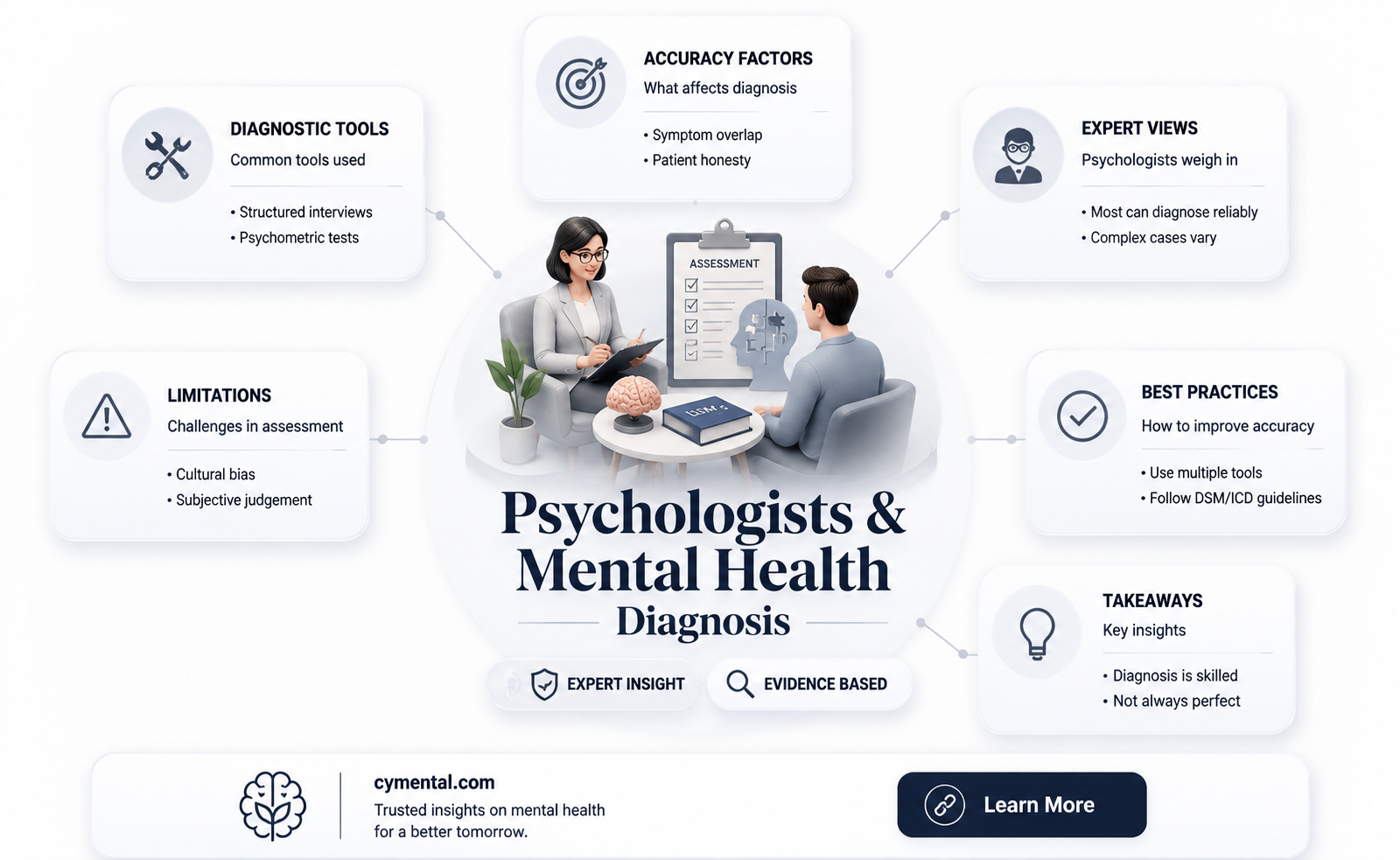
Psychologists play a crucial role in diagnosing mental illness, utilizing their expertise in human behavior, emotions, and cognitive processes to assess and identify various psychological disorders. Through clinical interviews, standardized assessments, and observational techniques, psychologists gather comprehensive information about an individual's symptoms, history, and functioning to determine an accurate diagnosis. While psychiatrists and other medical professionals can also diagnose mental health conditions, psychologists focus on psychological and behavioral factors, offering a unique perspective that complements medical approaches. Their ability to differentiate between normal variations in behavior and pathological conditions ensures that individuals receive appropriate treatment plans tailored to their specific needs, making them invaluable in the mental health diagnostic process.
| Characteristics | Values |
|---|---|
| Role in Diagnosis | Psychologists play a crucial role in diagnosing mental illness. They are trained to assess, diagnose, and treat mental health conditions using various methods, including clinical interviews, psychological tests, and observational data. |
| Licensure and Training | Licensed psychologists (e.g., PhD, PsyD) are qualified to diagnose mental illnesses. They undergo extensive education and training, including supervised clinical hours, to develop diagnostic skills. |
| Diagnostic Tools | Psychologists use evidence-based tools like the DSM-5 (Diagnostic and Statistical Manual of Mental Disorders, 5th Edition) and ICD-11 (International Classification of Diseases, 11th Edition) to guide diagnosis. |
| Assessment Methods | They employ clinical interviews, psychological testing (e.g., MMPI, Beck Depression Inventory), behavioral observations, and self-report measures to gather data for diagnosis. |
| Differential Diagnosis | Psychologists are skilled in differentiating between similar conditions, ruling out other potential causes, and identifying co-occurring disorders. |
| Limitations | Psychologists cannot prescribe medication (except in a few U.S. states with specialized training). For conditions requiring medication, collaboration with psychiatrists or medical doctors is necessary. |
| Collaborative Approach | They often work with other healthcare professionals (e.g., psychiatrists, primary care physicians) to ensure comprehensive care and accurate diagnosis. |
| Ethical Considerations | Psychologists adhere to ethical guidelines, ensuring diagnoses are made responsibly, with informed consent, and in the best interest of the client. |
| Specializations | Some psychologists specialize in specific areas (e.g., clinical, counseling, neuropsychology) and may focus on diagnosing particular mental health conditions. |
| Cultural Competence | Trained psychologists consider cultural, social, and contextual factors to avoid misdiagnosis and provide culturally sensitive care. |
| Follow-Up and Treatment | After diagnosis, psychologists often provide therapy, counseling, or interventions tailored to the individual's needs. |
Explore related products


What You'll Learn

Role of Psychologists in Diagnosis
Psychologists play a pivotal role in diagnosing mental illness, serving as the bridge between subjective experience and clinical understanding. Unlike medical doctors, who often rely on biological markers, psychologists specialize in assessing behavior, thoughts, and emotions through structured interviews, standardized assessments, and observational techniques. Their expertise lies in deciphering complex patterns of symptoms, distinguishing between overlapping disorders, and contextualizing mental health within an individual’s unique life circumstances. For instance, while a primary care physician might identify symptoms of anxiety, a psychologist can differentiate between generalized anxiety disorder, social anxiety, or panic disorder by evaluating specific triggers, duration, and functional impact.
Consider the diagnostic process as a multi-step puzzle. Psychologists begin with a comprehensive intake, gathering information about personal history, current stressors, and symptom severity. Tools like the *Diagnostic and Statistical Manual of Mental Disorders* (DSM-5) provide criteria, but psychologists interpret these flexibly, accounting for cultural nuances and individual variability. For example, depression in adolescents may manifest as irritability rather than sadness, a detail a psychologist is trained to recognize. They may also administer psychometric tests, such as the MMPI-2 or Beck Depression Inventory, to quantify symptoms and rule out differential diagnoses. This meticulous approach ensures accuracy, reducing the risk of misdiagnosis that can occur when relying solely on self-report or brief screenings.
One of the psychologist’s most critical functions is ruling out underlying causes that mimic mental illness. For instance, thyroid dysfunction can present as depression, or substance abuse may exacerbate psychotic symptoms. Psychologists collaborate with medical professionals to ensure physical health issues are addressed before finalizing a diagnosis. They also assess for comorbidities—such as anxiety and depression co-occurring—which are common but require tailored treatment plans. This holistic perspective ensures that interventions address the root cause rather than merely managing symptoms.
Practical tips for engaging with a psychologist during diagnosis include being honest about symptoms, even if they feel embarrassing, and bringing a timeline of when symptoms began or worsened. Patients should also inquire about the psychologist’s diagnostic approach and ask for clarification if the process feels unclear. For parents seeking a diagnosis for their child, maintaining open communication with the psychologist about behavioral observations at home and school is crucial. Remember, diagnosis is not a label but a roadmap for effective treatment, and psychologists are trained to navigate this terrain with precision and empathy.
In conclusion, psychologists are indispensable in diagnosing mental illness, offering a depth of understanding that transcends symptom checklists. Their ability to integrate subjective experience, behavioral data, and contextual factors ensures a diagnosis that is both accurate and meaningful. By combining clinical expertise with evidence-based tools, psychologists empower individuals to embark on a path toward healing, armed with clarity and a tailored plan for recovery.
Love's Healing Power: Can Emotional Support Ease Mental Illness?
You may want to see also
Explore related products


Assessment Tools and Techniques
Psychologists employ a variety of assessment tools and techniques to diagnose mental illness, each tailored to uncover specific aspects of a person’s psychological functioning. Structured clinical interviews, such as the *Mini-International Neuropsychiatric Interview (MINI)* or the *Structured Clinical Interview for DSM-5 (SCID-5)*, are cornerstone methods. These interviews follow a standardized format, ensuring consistency in questioning and reducing subjective bias. For instance, the SCID-5 is designed to assess disorders across 10 modules, including mood, anxiety, and psychotic disorders, making it a comprehensive tool for clinicians. The structured nature of these interviews allows psychologists to systematically evaluate symptoms against diagnostic criteria, enhancing accuracy in identifying conditions like major depressive disorder or generalized anxiety disorder.
Beyond interviews, psychologists utilize psychometric assessments to quantify psychological traits and symptoms. Tools like the *Beck Depression Inventory (BDI-II)* or the *Generalized Anxiety Disorder-7 (GAD-7)* are widely used for screening and severity measurement. The BDI-II, for example, consists of 21 questions scored on a scale of 0 to 3, with total scores ranging from 0 to 63. A score of 0–13 suggests minimal depression, while 29–63 indicates severe depression. These assessments provide objective data that complement clinical observations, helping psychologists differentiate between normal emotional fluctuations and clinically significant symptoms. However, it’s crucial to interpret these scores within the context of the individual’s life circumstances, as self-report measures can be influenced by factors like social desirability or cognitive biases.
Behavioral observations and functional analyses are another critical component of assessment, particularly for disorders with overt behavioral manifestations, such as autism spectrum disorder or attention-deficit/hyperactivity disorder (ADHD). Psychologists may use rating scales like the *Conners Comprehensive Behavior Rating Scales* to gather data from multiple informants, including parents, teachers, and the individual themselves. For children, direct observation in natural settings, such as classrooms, can reveal patterns of behavior that structured interviews might miss. Functional analysis, which examines the antecedents and consequences of behavior, helps identify underlying triggers and maintain reinforcing factors, guiding targeted interventions.
Neuropsychological assessments play a specialized role in diagnosing conditions with cognitive or neurological components, such as dementia, traumatic brain injury, or schizophrenia. Tests like the *Wechsler Adult Intelligence Scale (WAIS-IV)* or the *Trail Making Test* evaluate domains such as memory, attention, and executive functioning. For example, the WAIS-IV provides a full-scale IQ score and subscale scores for verbal comprehension, perceptual reasoning, working memory, and processing speed. These assessments are particularly valuable when cognitive deficits are suspected, as they can differentiate between primary psychiatric disorders and secondary cognitive impairments caused by factors like medication side effects or medical conditions.
Finally, emerging technologies are expanding the toolkit available to psychologists. Digital phenotyping, which uses smartphone data to monitor behavior patterns, offers a novel way to assess mental health in real time. For instance, changes in sleep patterns, social interactions, or mobility can serve as early indicators of mood disorders. While these tools are not yet standardized, they hold promise for enhancing traditional assessment methods. However, ethical considerations, such as data privacy and informed consent, must be carefully addressed to ensure their responsible use. By integrating these diverse techniques, psychologists can construct a holistic understanding of an individual’s mental health, paving the way for accurate diagnosis and effective treatment planning.
Animal Companionship: Boosting Mental Health and Emotional Well-Being in Humans
You may want to see also
Explore related products


Differential Diagnosis Process
Psychologists play a crucial role in diagnosing mental illness, but their approach often involves a nuanced process known as differential diagnosis. This method is essential for distinguishing between conditions with overlapping symptoms, ensuring accurate treatment. Unlike a simple checklist, differential diagnosis requires a systematic evaluation of multiple factors, including behavioral patterns, medical history, and environmental influences. For instance, anxiety and depression share symptoms like fatigue and difficulty concentrating, but their underlying causes and treatments differ significantly. A psychologist might use structured interviews, such as the SCID-5, or self-report measures like the PHQ-9 to gather data, then systematically rule out possibilities to arrive at the most accurate diagnosis.
The differential diagnosis process begins with a comprehensive assessment, often starting with a clinical interview. Here, the psychologist gathers information about the client’s symptoms, duration, and severity, as well as any potential triggers or stressors. For example, a client presenting with insomnia and low mood might be experiencing depression, but the psychologist must also consider bipolar disorder, generalized anxiety disorder, or even a medical condition like hypothyroidism. This step is critical because misdiagnosis can lead to ineffective treatment, such as prescribing antidepressants for bipolar disorder, which could exacerbate manic symptoms. Practical tools like the Beck Depression Inventory or the Generalized Anxiety Disorder-7 (GAD-7) can aid in quantifying symptom severity.
Once initial data is collected, the psychologist compares the client’s symptoms to diagnostic criteria outlined in resources like the DSM-5 or ICD-11. This step involves ruling out conditions through a process of elimination. For instance, if a client exhibits mood swings but lacks the distinct manic episodes required for a bipolar diagnosis, the psychologist might focus on borderline personality disorder or cyclothymia. Caution is necessary here, as comorbidity—the presence of two or more disorders—is common. For example, PTSD and substance use disorder often co-occur, requiring careful differentiation to address both conditions effectively. Psychologists may also consult medical records or collaborate with physicians to exclude physical causes, such as hormonal imbalances or neurological disorders.
A key takeaway from the differential diagnosis process is its emphasis on individualized care. Unlike a one-size-fits-all approach, this method tailors the diagnosis to the client’s unique profile. For example, a teenager with irritability and social withdrawal might be diagnosed with major depressive disorder, but the psychologist must consider adolescent-specific factors like peer pressure or academic stress. Similarly, cultural background plays a role; symptoms like hearing voices might indicate schizophrenia in one cultural context but be interpreted as spiritual experiences in another. This cultural sensitivity ensures the diagnosis is accurate and respectful, fostering trust and adherence to treatment.
In practice, the differential diagnosis process is iterative, requiring ongoing evaluation as new information emerges. Psychologists often use provisional diagnoses, refining them as more data becomes available. For instance, a client initially diagnosed with adjustment disorder might later receive a diagnosis of PTSD if trauma-related symptoms persist. This flexibility is vital, as mental health conditions can evolve over time. Practical tips for clients include maintaining a symptom journal to track changes and being open about all symptoms, even those that seem unrelated. For psychologists, staying updated on research and diagnostic tools ensures their process remains evidence-based and effective. Ultimately, differential diagnosis is not just a clinical tool but a commitment to precision and personalized care in mental health treatment.
Empowering Self-Care Strategies: A Guide to Helping Yourself Thrive
You may want to see also
Explore related products


Collaboration with Psychiatrists
Psychologists and psychiatrists often work in tandem, leveraging their distinct expertise to diagnose and treat mental illness effectively. While psychologists focus on behavioral, emotional, and cognitive assessments through therapy, psychiatrists bring medical training to the table, enabling them to prescribe medications and address physiological aspects of mental health. This collaboration is particularly crucial in complex cases where symptoms may stem from both psychological and biological factors. For instance, a patient presenting with severe depression might benefit from a psychologist’s cognitive-behavioral therapy (CBT) while simultaneously receiving antidepressants prescribed by a psychiatrist.
To initiate collaboration, psychologists typically conduct comprehensive psychological evaluations, including standardized tests like the MMPI-2 or structured interviews such as the SCID-5. These tools help identify symptoms and rule out differential diagnoses. Once a psychologist suspects an underlying biological component—such as in cases of bipolar disorder or schizophrenia—they refer the patient to a psychiatrist for further evaluation. Psychiatrists then perform medical assessments, including blood tests or brain imaging, to confirm or refine the diagnosis. This step-by-step process ensures a holistic understanding of the patient’s condition.
A key advantage of this partnership is the ability to tailor treatment plans to individual needs. For example, a 35-year-old patient with anxiety and insomnia might receive a low-dose SSRI (e.g., 10 mg of escitalopram) from the psychiatrist while working with the psychologist to develop coping strategies through mindfulness-based stress reduction (MBSR). Regular communication between the two professionals—via shared progress notes or joint case conferences—ensures consistency and prevents conflicting interventions. This integrated approach often yields better outcomes, particularly for chronic or treatment-resistant conditions.
However, successful collaboration requires clear boundaries and mutual respect. Psychologists must avoid overstepping into medical territory by suggesting specific medications, while psychiatrists should refrain from offering therapeutic advice outside their expertise. Establishing a formal agreement, such as a written care plan outlining each provider’s role, can mitigate misunderstandings. Additionally, both parties should prioritize patient consent and confidentiality, ensuring all shared information aligns with HIPAA regulations.
In practice, this collaboration is most effective when embedded in multidisciplinary teams, especially in settings like hospitals or community mental health centers. For instance, a child with ADHD might work with a psychologist for behavioral interventions, a psychiatrist for stimulant medication management (e.g., 10–30 mg of methylphenidate daily), and a social worker for school accommodations. Such coordinated care not only improves diagnostic accuracy but also enhances treatment adherence and long-term recovery. By combining their strengths, psychologists and psychiatrists create a robust framework for addressing the multifaceted nature of mental illness.
Omega-3 Oil: A Potential Ally for Mental Health Disorders?
You may want to see also
Explore related products


$25.56 $59.99


Limitations of Psychological Diagnosis
Psychologists play a crucial role in diagnosing mental illness, but their assessments are not without limitations. One significant constraint lies in the subjective nature of psychological evaluation. Unlike medical diagnoses, which often rely on concrete biomarkers or imaging, mental health diagnoses depend heavily on self-reported symptoms, behavioral observations, and clinical judgment. This subjectivity can lead to variability in diagnoses, even among experienced professionals. For instance, two psychologists might interpret the same set of symptoms differently, resulting in distinct diagnoses such as generalized anxiety disorder versus adjustment disorder. Such discrepancies highlight the inherent challenges in achieving diagnostic consistency.
Another limitation stems from the reliance on standardized assessment tools, which, while valuable, are not universally applicable. Many diagnostic criteria are based on Western cultural norms, making them less effective for individuals from diverse cultural backgrounds. For example, expressions of distress or symptoms of mental illness can vary widely across cultures, and tools designed for one population may fail to accurately capture these nuances. A person from a collectivist culture might express depression through somatic complaints rather than emotional distress, potentially leading to misdiagnosis if the psychologist is not culturally attuned. This cultural bias underscores the need for more inclusive diagnostic frameworks.
The time-limited nature of psychological assessments also poses a challenge. Diagnosing mental illness often requires a comprehensive understanding of an individual’s history, current functioning, and contextual factors. However, practical constraints, such as limited session time or insurance restrictions, can hinder a thorough evaluation. For instance, a psychologist might miss underlying trauma or comorbid conditions if the assessment is rushed. This limitation emphasizes the importance of longitudinal data and ongoing monitoring, which are not always feasible in clinical practice.
Finally, the diagnostic process can be influenced by the psychologist’s theoretical orientation or personal biases. Cognitive-behavioral therapists, psychodynamic practitioners, and humanistic psychologists may approach the same case with different lenses, potentially leading to divergent diagnoses. For example, a psychodynamic therapist might attribute symptoms to unresolved childhood conflicts, while a cognitive-behavioral therapist focuses on maladaptive thought patterns. While these perspectives offer valuable insights, they can also introduce subjectivity and limit diagnostic objectivity.
In conclusion, while psychologists are instrumental in diagnosing mental illness, their assessments are constrained by subjectivity, cultural biases, time limitations, and theoretical influences. Recognizing these limitations is essential for improving diagnostic accuracy and ensuring that individuals receive appropriate care. Practitioners must remain vigilant, adopt culturally sensitive approaches, and integrate multiple sources of information to mitigate these challenges. By doing so, they can enhance the reliability and validity of psychological diagnoses, ultimately benefiting those seeking mental health support.
Mental Illness and Plea Bargaining: A Negotiation Strategy or Hindrance?
You may want to see also
Frequently asked questions
Yes, psychologists are trained to diagnose mental illnesses using clinical interviews, psychological assessments, and standardized diagnostic criteria such as the DSM-5 (Diagnostic and Statistical Manual of Mental Disorders).
Psychologists use a combination of methods, including structured interviews, self-report questionnaires, behavioral observations, and psychological testing tools to assess symptoms and make a diagnosis.
In most regions, psychologists cannot prescribe medication. Only psychiatrists (medical doctors specializing in mental health) or other licensed medical professionals can prescribe medication.
Psychologists focus on psychological assessments, therapy, and behavioral interventions, while psychiatrists emphasize medical evaluations, medication management, and biological aspects of mental health. Both may collaborate for comprehensive care.