Lucas Bennett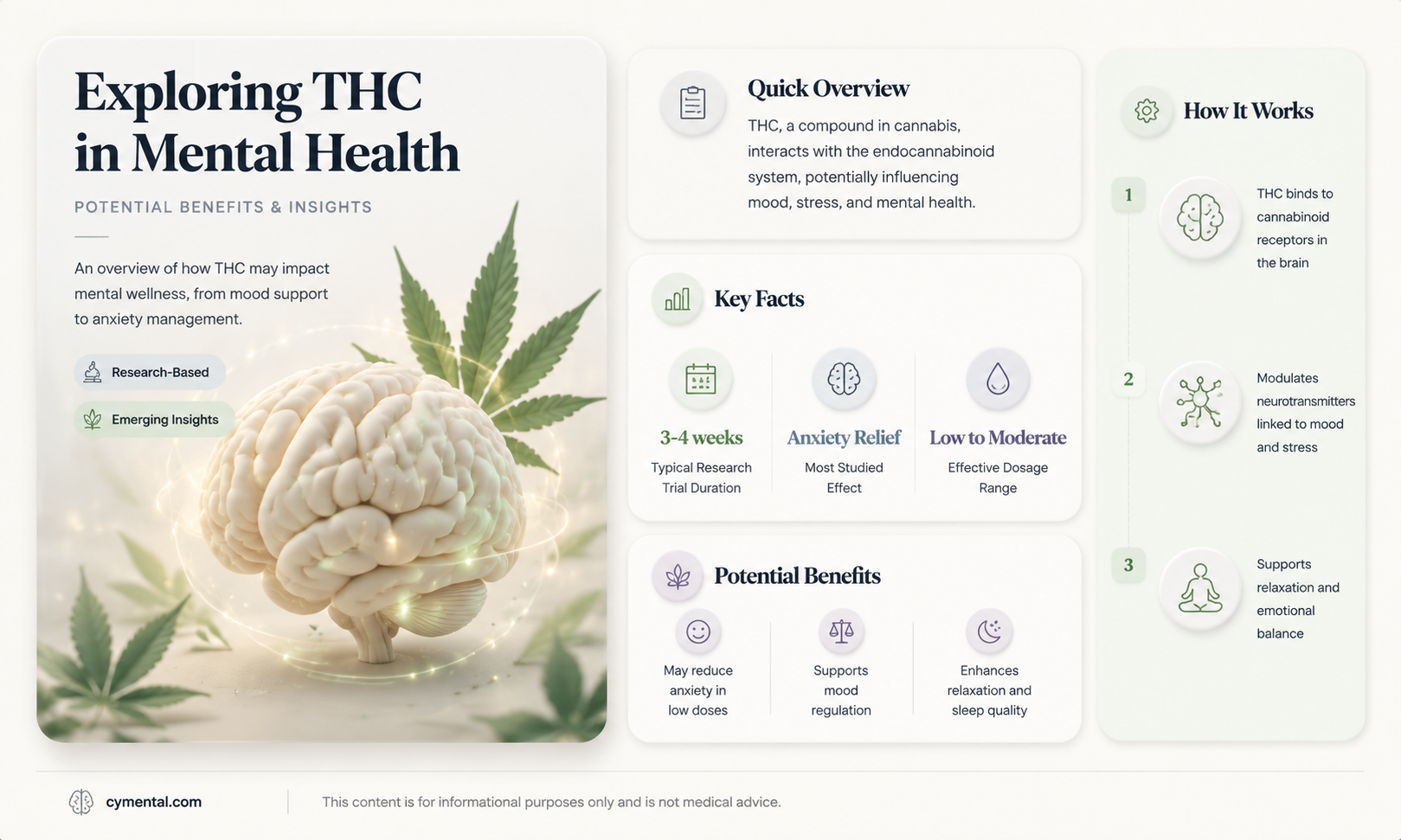
The potential therapeutic benefits of THC (tetrahydrocannabinol), the primary psychoactive compound in cannabis, on mental health have sparked considerable interest and debate in recent years. While traditionally associated with recreational use, emerging research suggests that THC may offer relief for certain mental health conditions, such as anxiety, depression, and PTSD, by interacting with the endocannabinoid system, which plays a crucial role in regulating mood, stress, and emotional responses. However, the relationship between THC and mental health is complex, as evidence also indicates potential risks, including exacerbating symptoms in some individuals or contributing to the development of disorders like psychosis. As such, understanding the nuanced effects of THC on mental health requires careful consideration of dosage, individual susceptibility, and the broader context of use, highlighting the need for further research to balance its potential benefits against possible drawbacks.
| Characteristics | Values |
|---|---|
| Potential Benefits | Some studies suggest THC may help alleviate symptoms of anxiety, PTSD, and depression in low doses. However, effects are highly individual and context-dependent. |
| Anxiety and Stress | Low doses of THC may reduce anxiety, but higher doses can exacerbate it. Research is mixed, with some users reporting increased paranoia or panic. |
| Depression | Limited evidence suggests THC may temporarily improve mood in some individuals, but long-term use may worsen depressive symptoms or lead to dependency. |
| PTSD | THC has shown potential in reducing nightmares and hyperarousal in PTSD patients, but more research is needed to establish safety and efficacy. |
| Bipolar Disorder | THC use is generally discouraged in bipolar patients, as it may trigger manic episodes or worsen mood instability. |
| Psychosis and Schizophrenia | THC is associated with an increased risk of psychosis, especially in predisposed individuals or heavy users. It may worsen symptoms in those with schizophrenia. |
| Addiction Risk | THC can be habit-forming, leading to Cannabis Use Disorder in susceptible individuals. Approximately 9% of users develop dependency. |
| Cognitive Effects | Chronic THC use, especially in adolescents, may impair memory, attention, and decision-making. Long-term effects on brain development are a concern. |
| Individual Variability | Responses to THC vary widely based on dosage, frequency of use, individual biology, and mental health history. |
| Legal and Medical Considerations | THC remains illegal in many regions, though medical cannabis is increasingly available in some areas. Consultation with a healthcare provider is essential before use. |
| Research Gaps | Most studies are preliminary or based on self-reports. Larger, controlled trials are needed to fully understand THC's effects on mental health. |
| Alternative Cannabinoids | CBD (non-psychoactive) is often preferred for mental health due to fewer risks. THC's psychoactive effects limit its widespread use in clinical settings. |
| Conclusion | While THC may offer temporary relief for certain mental health symptoms, its risks (e.g., psychosis, dependency) often outweigh benefits. Professional guidance is crucial before considering its use. |
Explore related products


What You'll Learn

THC and Anxiety Relief
THC, the psychoactive compound in cannabis, has been a subject of growing interest for its potential role in alleviating anxiety. While some users report significant relief, the relationship between THC and anxiety is complex and dose-dependent. Low to moderate doses (2.5–10 mg) of THC may activate the body’s endocannabinoid system in ways that promote relaxation and reduce stress. However, higher doses (20 mg or more) can paradoxically trigger paranoia, heightened anxiety, or even panic attacks, particularly in inexperienced users or those predisposed to anxiety disorders. This biphasic effect underscores the importance of precision in dosing when exploring THC as an anxiety relief tool.
Consider the mechanism at play: THC binds to CB1 receptors in the brain, modulating neurotransmitter release and potentially dampening the hyperactivity associated with anxiety. For instance, a 2020 study published in the *Journal of Affective Disorders* found that low-dose THC reduced symptoms of generalized anxiety disorder (GAD) in some participants. However, individual responses vary widely based on factors like metabolism, tolerance, and the presence of other cannabinoids like CBD, which can mitigate THC’s psychoactive effects. For practical application, starting with a 2.5 mg dose and gradually titrating upward allows users to find their therapeutic window without risking adverse reactions.
From a comparative standpoint, THC’s anxiety-relieving potential contrasts with traditional pharmaceuticals like benzodiazepines, which carry risks of dependency and cognitive impairment. THC, when used mindfully, may offer a more natural alternative for short-term relief, particularly for situational anxiety (e.g., public speaking or social gatherings). However, it is not a one-size-fits-all solution. For chronic anxiety disorders, THC should complement, not replace, evidence-based therapies like cognitive-behavioral therapy (CBT) or mindfulness practices. Combining THC with mindfulness techniques, such as deep breathing or meditation, can enhance its calming effects while minimizing psychoactive discomfort.
A cautionary note: THC is not recommended for adolescents or young adults under 25, as their developing brains are more susceptible to long-term cognitive and emotional disruptions. For older adults, especially those with pre-existing mental health conditions like PTSD or bipolar disorder, THC use should be closely monitored by a healthcare provider. Additionally, the method of consumption matters—inhalation provides rapid relief but may irritate the lungs, while edibles offer longer-lasting effects but are easier to overconsume due to delayed onset. Always opt for lab-tested products to ensure accurate dosing and avoid contaminants.
In conclusion, THC holds promise as an anxiety relief tool when approached with knowledge and caution. Its efficacy hinges on individualized dosing, mindful consumption, and integration with holistic mental health strategies. While not a panacea, THC can be a valuable component of a balanced approach to managing anxiety, particularly for those who have not found relief through conventional means. As research evolves, so too will our understanding of how to harness its benefits while mitigating risks.
Sports and Mental Health: Boosting Well-Being Through Physical Activity
You may want to see also
Explore related products


Impact on Depression Symptoms
THC's potential to alleviate depression symptoms is a nuanced topic, with research pointing to both short-term relief and long-term risks. Studies suggest low doses of THC (2.5–5 mg) may temporarily elevate mood by interacting with the endocannabinoid system, which regulates stress responses. However, higher doses (10 mg or more) can paradoxically increase anxiety and worsen depressive episodes, particularly in individuals predisposed to mental health disorders. This dose-dependent effect underscores the importance of precision in THC use for depression management.
Consider the case of a 32-year-old patient with treatment-resistant depression who reported improved mood and sleep quality after microdosing THC (2.5 mg daily). While anecdotal, such examples highlight THC’s potential as an adjunct therapy. However, clinical trials remain limited, and self-medication without medical supervision can lead to dependency or exacerbate underlying conditions. For instance, adolescents and young adults under 25, whose brains are still developing, face heightened risks of cognitive impairment and prolonged depressive symptoms with THC use.
A comparative analysis reveals that THC’s efficacy may rival traditional antidepressants in speed of onset but lacks their long-term safety profile. While SSRIs take weeks to show effects, THC can provide immediate relief for some users. However, its psychoactive properties and potential for tolerance make it a less sustainable option. Combining THC with CBD (a 1:1 ratio) may mitigate adverse effects, as CBD counteracts THC-induced anxiety and promotes emotional stability.
For those considering THC as a depression aid, start with a low dose (2.5 mg) and monitor effects over 2–3 weeks. Avoid daily use to prevent tolerance and dependency. Pair THC with evidence-based therapies like cognitive-behavioral therapy (CBT) for holistic management. Always consult a healthcare provider, especially if taking other medications or having a history of psychosis. While THC shows promise, it is not a one-size-fits-all solution and requires careful, individualized application.
Hypnosis and Mental Health: Exploring Its Potential as a Therapeutic Tool
You may want to see also
Explore related products

$16.99 $14.95


PTSD Treatment Potential
Post-traumatic stress disorder (PTSD) affects millions worldwide, often leaving individuals grappling with intrusive memories, hyperarousal, and emotional numbness. Traditional treatments like cognitive-behavioral therapy and selective serotonin reuptake inhibitors (SSRIs) work for some but fail others. This gap has spurred interest in alternative therapies, including THC, the psychoactive compound in cannabis. Emerging research suggests THC may alleviate PTSD symptoms by modulating the endocannabinoid system, which plays a role in memory consolidation and emotional processing.
Consider the case of a 32-year-old combat veteran who, after years of nightmares and anxiety, found relief through controlled THC use. Under medical supervision, he started with a low dose of 5–10 mg of THC oil daily, gradually increasing to 15 mg as needed. Within weeks, he reported fewer flashbacks and improved sleep. This example highlights the potential of THC as an adjunct therapy, but it’s not a one-size-fits-all solution. Dosage and delivery method (e.g., inhalation vs. edibles) must be tailored to individual needs, and long-term effects require further study.
Critics argue that THC’s psychoactive properties could exacerbate anxiety or paranoia in some PTSD patients, particularly at higher doses (>20 mg). However, a 2021 study published in the *Journal of Affective Disorders* found that low to moderate THC doses (5–15 mg) reduced hyperarousal symptoms without inducing adverse effects in 70% of participants. The key lies in precision: start low, go slow, and monitor closely. For instance, combining THC with CBD (cannabidiol) in a 1:1 ratio may mitigate anxiety while enhancing therapeutic benefits, as CBD has anxiolytic properties.
Practical implementation requires a structured approach. First, consult a healthcare provider experienced in cannabinoid medicine to assess suitability. Second, begin with a microdose (2.5–5 mg THC) and track symptoms daily using a journal. Third, avoid smoking or vaping, as combustion introduces harmful byproducts; instead, opt for sublingual tinctures or edibles for consistent dosing. Finally, integrate THC use with evidence-based therapies like prolonged exposure therapy for optimal outcomes.
While THC shows promise for PTSD treatment, it’s not a panacea. Its efficacy varies by individual, and risks like dependency or cognitive impairment cannot be ignored. However, for those resistant to conventional treatments, THC offers a potential lifeline. As research evolves, so too will our understanding of how to harness its benefits safely and effectively. For now, cautious optimism and personalized care remain the guiding principles.
Mental Health Classes: Empowering Students for Emotional Resilience and Success
You may want to see also
Explore related products


THC for Sleep Disorders
Sleep disorders, from insomnia to sleep apnea, affect millions worldwide, often exacerbating mental health conditions like anxiety and depression. THC, the psychoactive compound in cannabis, has emerged as a potential remedy for those struggling to achieve restful sleep. Research suggests that THC interacts with the endocannabinoid system, which plays a role in regulating sleep cycles. For instance, a 2018 study published in *Frontiers in Psychiatry* found that THC reduced the time it took participants to fall asleep and increased overall sleep duration. However, its effectiveness varies depending on dosage, strain, and individual tolerance.
When considering THC for sleep disorders, dosage is critical. Low to moderate doses (2.5–10 mg) are generally recommended for sleep induction, as higher doses may lead to grogginess or paradoxical effects like increased wakefulness. Indica strains, known for their sedative properties, are often preferred over sativa strains, which can be more energizing. For older adults or those new to cannabis, starting with a 2.5 mg dose and gradually increasing is advisable. Consistency is key; irregular use may disrupt sleep patterns further.
One practical tip is to time THC consumption 30–60 minutes before bedtime to align with the onset of its effects. Edibles or tinctures are often more effective than smoking, as they provide longer-lasting relief without the respiratory risks. However, caution is warranted: THC can impair short-term memory and cognitive function, particularly in adolescents and young adults. It’s also important to avoid combining THC with alcohol or other sedatives, as this can increase the risk of respiratory depression.
Comparatively, THC offers a natural alternative to prescription sleep aids, which often come with dependency risks and side effects like daytime drowsiness. Unlike benzodiazepines, THC does not suppress REM sleep, a critical phase for emotional regulation and memory consolidation. However, it’s not a one-size-fits-all solution. Individuals with a history of substance abuse or psychotic disorders should avoid THC, as it can exacerbate these conditions. Consulting a healthcare provider is essential to weigh the benefits against potential risks.
In conclusion, THC shows promise as a sleep aid, particularly for those with chronic insomnia or conditions like PTSD that disrupt sleep. Its effectiveness hinges on precise dosing, strain selection, and mindful use. While it’s not a cure-all, when used responsibly, THC can be a valuable tool in improving sleep quality and, by extension, mental health. As research evolves, personalized approaches will likely refine its role in sleep therapy.
CPS and Mental Health: Can They Support Our Son's Care?
You may want to see also
Explore related products




Risks of Psychosis Induction
THC, the psychoactive compound in cannabis, has been touted for its potential therapeutic benefits in mental health, but its role in inducing psychosis cannot be overlooked. Research indicates that high-potency cannabis products, often containing THC levels above 15%, significantly elevate the risk of psychotic episodes, particularly in individuals under 25. This age group’s developing brains are more susceptible to the neurochemical disruptions THC can cause, such as dopamine dysregulation, which is closely linked to psychosis. For context, a single joint of high-THC cannabis can deliver doses exceeding 10–20 mg, enough to trigger acute symptoms in vulnerable users.
Consider the case of a 20-year-old frequent cannabis user who, after consuming a vape cartridge with 90% THC, experienced auditory hallucinations and paranoia lasting several days. This example underscores the importance of dosage awareness and product selection. Users should prioritize strains with balanced THC-to-CBD ratios, as CBD has been shown to mitigate THC’s psychotogenic effects. For instance, a 1:1 THC-to-CBD ratio reduces the risk of psychosis by up to 30% compared to THC-dominant products, according to a 2021 study published in *The Lancet*.
To minimize psychosis risk, follow these practical steps: avoid high-THC products if you’re under 25 or have a family history of psychotic disorders; start with microdoses (2.5–5 mg THC) and gradually increase only if tolerated; and incorporate CBD-rich products into your regimen. Additionally, monitor for early warning signs of psychosis, such as persistent paranoia or disorganized thinking, and seek medical advice if symptoms arise.
While THC’s potential in mental health treatment is a subject of ongoing research, its capacity to induce psychosis demands caution. The interplay between genetics, age, and dosage highlights the need for personalized approaches to cannabis use. Until more definitive guidelines emerge, erring on the side of moderation and informed decision-making remains the safest strategy.
Anime's Impact: Exploring Mental Health Benefits and Emotional Healing
You may want to see also
Frequently asked questions
THC may provide temporary relief for some individuals with anxiety or depression, but its effects vary widely. Low doses might reduce symptoms, while higher doses can worsen anxiety or paranoia. Long-term use may also lead to dependency or exacerbate mental health issues. Consult a healthcare professional before using THC for these conditions.
Some studies suggest THC can help alleviate certain PTSD symptoms, such as nightmares and hyperarousal, by interacting with the endocannabinoid system. However, evidence is limited, and THC may also impair memory or emotional processing. It should only be used under medical supervision.
While some users report improved focus or reduced hyperactivity with THC, scientific evidence is inconclusive. THC’s effects on cognition and attention are inconsistent, and it may worsen symptoms in some individuals. Stimulant medications remain the standard treatment for ADHD, and THC is not recommended as a primary therapy.