Lucas Bennett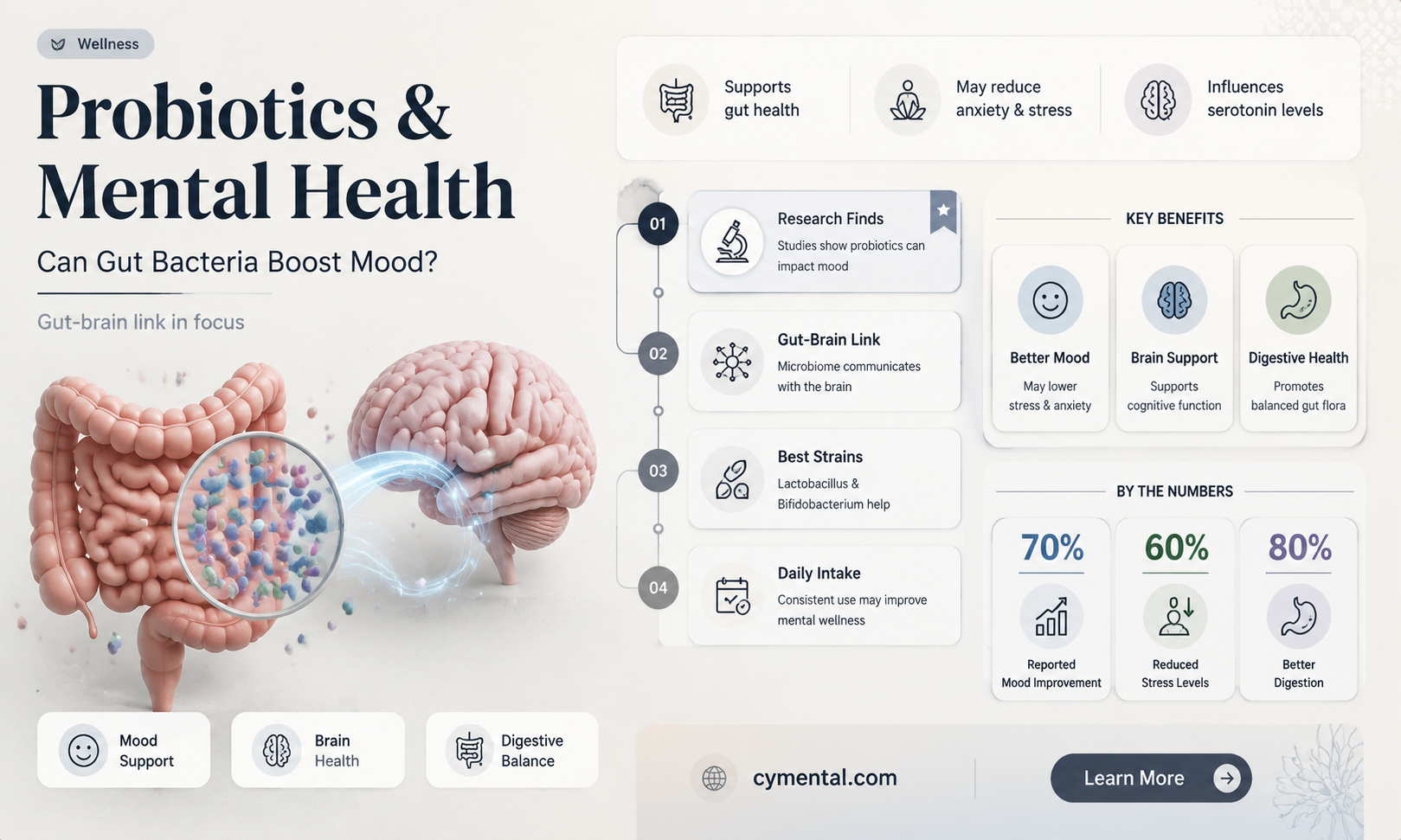
Probiotics, often referred to as good bacteria, have long been recognized for their role in supporting gut health, but emerging research suggests they may also influence mental health and mood. The gut-brain axis, a bidirectional communication network between the gastrointestinal tract and the central nervous system, plays a crucial role in this connection. Studies indicate that probiotics can modulate this axis by reducing inflammation, producing neurotransmitters like serotonin, and influencing stress responses. While evidence is still evolving, some research links specific probiotic strains to improvements in anxiety, depression, and overall mood, suggesting that nurturing gut health could be a promising complementary approach to mental well-being. However, more studies are needed to fully understand the mechanisms and effectiveness of probiotics in this context.
| Characteristics | Values |
|---|---|
| Definition of Probiotics | Live microorganisms (e.g., bacteria, yeast) that confer health benefits when consumed in adequate amounts. |
| Gut-Brain Axis | The bidirectional communication between the gut and brain, mediated by neural, hormonal, and immune pathways. Probiotics may influence this axis. |
| Mechanisms of Action | Modulation of gut microbiota, reduction of inflammation, production of neurotransmitters (e.g., serotonin, GABA), and regulation of stress hormones (e.g., cortisol). |
| Evidence from Studies | Emerging research suggests probiotics may improve symptoms of anxiety, depression, stress, and mood disorders. However, results are mixed and depend on strain, dosage, and individual health conditions. |
| Specific Strains Studied | Lactobacillus and Bifidobacterium species (e.g., L. rhamnosus, B. longum) have shown potential benefits in clinical trials. |
| Effect on Anxiety and Depression | Some studies report reduced anxiety and depressive symptoms with probiotic supplementation, particularly in individuals with clinical diagnoses. |
| Effect on Stress | Probiotics may lower cortisol levels and improve stress resilience, though evidence is preliminary. |
| Effect on Mood | Limited but promising evidence suggests probiotics can enhance mood and emotional well-being, possibly via serotonin regulation. |
| Limitations of Research | Many studies are small-scale, short-term, or lack standardization in probiotic strains and dosages. Larger, long-term studies are needed. |
| Individual Variability | Effects may vary based on baseline gut microbiota, diet, lifestyle, and underlying health conditions. |
| Safety | Generally considered safe for most people, though rare side effects (e.g., gas, bloating) may occur. Immunocompromised individuals should consult a healthcare provider. |
| Conclusion | Probiotics show potential as a complementary approach to support mental health and mood, but more research is needed to establish definitive benefits and optimal use. |
Explore related products



What You'll Learn

Probiotics' impact on anxiety reduction
The gut-brain axis is a bidirectional communication network linking the central nervous system with the gastrointestinal tract, and it plays a pivotal role in mental health. Emerging research suggests that probiotics, often referred to as "good bacteria," can influence this axis, potentially reducing anxiety symptoms. Studies have shown that certain strains, such as *Lactobacillus rhamnosus* and *Bifidobacterium longum*, may modulate stress responses and improve mood by regulating neurotransmitter production and reducing inflammation. For instance, a 2019 study published in *General Psychiatry* found that participants who took probiotic supplements experienced a significant decrease in anxiety levels compared to a placebo group.
To harness the anxiety-reducing potential of probiotics, consider incorporating specific strains into your daily routine. Look for supplements containing *Lactobacillus rhamnosus* (e.g., the GG strain) or *Bifidobacterium longum* at a dosage of 1–10 billion CFUs (colony-forming units) per day. These strains have been clinically studied for their anxiolytic effects. Pairing probiotics with prebiotic-rich foods like garlic, bananas, or chicory root can enhance their efficacy by promoting the growth of beneficial bacteria. However, consistency is key—results may take 4–6 weeks to manifest, so patience is essential.
While probiotics show promise, they are not a one-size-fits-all solution. Factors like age, diet, and underlying health conditions can influence their effectiveness. For example, older adults may require higher doses due to age-related changes in gut microbiota, while individuals with irritable bowel syndrome (IBS) might experience more pronounced benefits. It’s also crucial to consult a healthcare provider before starting any new supplement, especially if you’re taking medications or have a compromised immune system. Combining probiotics with lifestyle changes, such as regular exercise and stress management techniques, can amplify their anxiety-reducing effects.
A comparative analysis of probiotics versus traditional anxiety treatments highlights their unique advantages. Unlike medications like SSRIs, which can cause side effects such as drowsiness or weight gain, probiotics are generally well-tolerated and have minimal adverse effects. However, their efficacy may vary, and they should not replace prescribed therapies without medical guidance. For those seeking a holistic approach, probiotics offer a complementary tool to manage anxiety, particularly when integrated into a broader wellness strategy. Practical tips include storing supplements properly (often in a cool, dry place) and avoiding consumption with hot beverages, which can destroy live bacteria.
In conclusion, probiotics hold significant potential for anxiety reduction by modulating the gut-brain axis. By selecting specific strains, maintaining consistency, and considering individual factors, individuals can maximize their benefits. While not a standalone cure, probiotics provide a safe and accessible option for those looking to support their mental health naturally. As research continues to evolve, staying informed and consulting professionals will ensure the most effective use of these microbial allies.
Are Mental Health Diagnoses Helpful? Exploring Benefits and Limitations
You may want to see also
Explore related products



Gut-brain axis and mood regulation
The gut-brain axis is a bidirectional communication network linking the central nervous system with the gastrointestinal tract, influencing everything from digestion to emotional well-being. This connection isn’t just metaphorical—it’s physiological, mediated by neural, hormonal, and immunological pathways. For instance, the vagus nerve acts as a direct hotline between the gut and brain, transmitting signals that can alter mood and stress responses. Understanding this interplay is crucial for anyone exploring how probiotics might influence mental health.
Consider this: the gut microbiome, a complex ecosystem of trillions of microorganisms, produces neurotransmitters like serotonin and GABA, which are critical for mood regulation. Approximately 90% of serotonin, often called the "feel-good" hormone, is synthesized in the gut. Probiotics, particularly strains like *Lactobacillus* and *Bifidobacterium*, have been shown to modulate this microbiome, potentially enhancing the production and availability of these mood-stabilizing chemicals. For adults experiencing mild anxiety or stress, incorporating probiotic-rich foods like yogurt, kefir, or fermented vegetables could be a practical first step. However, consistency is key—daily intake over several weeks is typically required to observe noticeable effects.
While the science is promising, it’s not a one-size-fits-all solution. Dosage and strain specificity matter. Clinical studies often use doses ranging from 1 to 10 billion CFUs (colony-forming units) per day, but individual needs vary based on factors like age, diet, and baseline gut health. For example, older adults may require higher doses due to age-related microbiome changes, while children should consult a pediatrician before starting any supplementation. Pairing probiotics with prebiotic fibers (found in garlic, bananas, and oats) can amplify their effectiveness by nourishing beneficial bacteria.
A cautionary note: not all probiotics are created equal. Over-the-counter supplements lack regulation, and some may contain strains with minimal evidence for mood benefits. Look for products backed by clinical trials, such as *Lactobacillus rhamnosus* GG or *Bifidobacterium longum* 1714, which have shown potential in reducing anxiety and depression symptoms. Additionally, those with compromised immune systems or severe gastrointestinal conditions should consult a healthcare provider before starting probiotics, as they can occasionally cause adverse reactions.
In practice, integrating probiotics into a holistic approach to mental health yields the best results. Combine them with stress-reduction techniques like mindfulness or exercise, and prioritize a fiber-rich, anti-inflammatory diet to support gut health. While probiotics aren’t a cure-all, their role in the gut-brain axis offers a tangible, evidence-based strategy for those seeking to improve mood and emotional resilience. Start small, stay consistent, and monitor changes over time to gauge their impact on your unique physiology.
Social Workers' Role in Mental Health Support: Impact and Challenges
You may want to see also
Explore related products


Probiotics for depression symptoms
The gut-brain axis is a bidirectional communication system linking the gastrointestinal tract and the central nervous system, suggesting that gut health could influence mental health. Emerging research indicates that probiotics, often referred to as "good bacteria," may play a role in alleviating symptoms of depression by modulating this axis. Studies have shown that certain strains of probiotics, such as *Lactobacillus* and *Bifidobacterium*, can reduce inflammation, produce neurotransmitters like serotonin, and improve the integrity of the gut lining, all of which are implicated in mood regulation.
To explore probiotics for depression symptoms, start with strains backed by research. For instance, *Lactobacillus rhamnosus* GG and *Bifidobacterium longum* have shown promise in clinical trials. Dosage varies by product, but a common starting point is 1–10 billion colony-forming units (CFUs) daily. Consistency is key; take probiotics at the same time each day, preferably with a meal to enhance absorption. For adults over 18, combining probiotics with prebiotic-rich foods like garlic, bananas, or chicory root can optimize their effectiveness by providing fuel for the beneficial bacteria.
While probiotics are generally safe, caution is advised for individuals with compromised immune systems or severe illnesses. Side effects like bloating or gas are typically mild and transient. It’s also important to note that probiotics are not a standalone treatment for depression but rather a complementary approach. Pairing them with lifestyle changes, such as regular exercise, a balanced diet, and stress management techniques, can amplify their potential benefits. Always consult a healthcare provider before starting any new supplement, especially if you’re taking medications or have underlying health conditions.
Comparing probiotics to traditional antidepressants highlights their unique advantages and limitations. Unlike medications, probiotics have fewer systemic side effects and address underlying gut dysbiosis, which may contribute to depressive symptoms. However, their efficacy can vary widely based on individual microbiome composition and the specific strain used. For those hesitant to start antidepressants or seeking adjunctive therapies, probiotics offer a low-risk, holistic option. Monitoring mood changes over 4–6 weeks can help determine their effectiveness, though results may take longer to manifest.
Incorporating probiotics into a mental health regimen requires patience and experimentation. Keep a symptom journal to track changes in mood, energy levels, and digestive health. If symptoms persist or worsen, seek professional guidance. While the science is still evolving, the potential of probiotics to support mental well-being is compelling, offering a natural avenue for those exploring alternatives or supplements to conventional treatments.
Moving Out: A Mental Health Boost or Added Stress?
You may want to see also
Explore related products


Stress relief through gut microbiome
The gut-brain axis is a bidirectional communication network linking the central nervous system with the gastrointestinal tract, influencing mood, stress, and cognitive function. Emerging research suggests that modulating the gut microbiome through probiotics can mitigate stress responses by regulating neurotransmitter production, reducing inflammation, and normalizing cortisol levels. For instance, strains like *Lactobacillus rhamnosus* and *Bifidobacterium longum* have shown promise in clinical trials for reducing anxiety-like behaviors in both animals and humans. This connection underscores the potential of probiotics as a complementary strategy for stress relief.
To harness the stress-relieving benefits of probiotics, consider incorporating specific strains known for their psychobiotic properties. A daily dose of 1–10 billion CFUs (colony-forming units) of *Lactobacillus rhamnosus* GG or *Bifidobacterium longum* 1714 is recommended for adults. These strains have been studied for their ability to modulate the hypothalamic-pituitary-adrenal (HPA) axis, which plays a central role in the body’s stress response. Pairing probiotics with prebiotic-rich foods like garlic, bananas, or chicory root can enhance their efficacy by promoting the growth of beneficial gut bacteria. Consistency is key; allow 4–6 weeks for noticeable effects on mood and stress levels.
While probiotics show promise, their effectiveness can vary based on individual microbiome composition, age, and overall health. For example, older adults may require higher doses or specific strains due to age-related changes in gut diversity. Pregnant women and individuals with compromised immune systems should consult a healthcare provider before starting any probiotic regimen. Additionally, combining probiotics with lifestyle changes—such as regular exercise, adequate sleep, and mindfulness practices—can amplify their stress-relieving effects. Avoid relying solely on probiotics as a standalone solution; they work best as part of a holistic approach.
A comparative analysis of probiotic interventions reveals that multi-strain formulations often yield better results than single strains for stress relief. Products containing a blend of *Lactobacillus*, *Bifidobacterium*, and *Streptococcus* strains, such as those found in high-quality supplements, have demonstrated superior outcomes in reducing perceived stress and improving emotional well-being. However, not all probiotics are created equal; look for products with clinical studies backing their claims and third-party certifications for quality and potency. For those new to probiotics, starting with a lower dose and gradually increasing can minimize potential side effects like bloating or gas.
Incorporating probiotics into your stress management routine requires patience and experimentation. Keep a journal to track changes in mood, energy levels, and stress symptoms over time. This can help identify which strains or dosages work best for you. Remember, the gut microbiome is highly individual, so what works for one person may not work for another. By combining targeted probiotic use with mindful dietary and lifestyle choices, you can optimize the gut-brain connection and unlock a natural pathway to stress relief.
Effective Strategies to Support and Empower Individuals in Need
You may want to see also
Explore related products


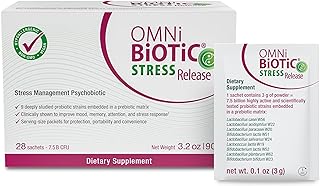
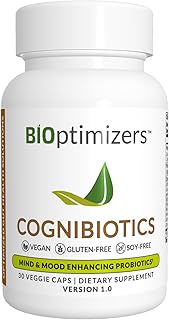
Serotonin production and probiotics' role
Serotonin, often dubbed the "feel-good" neurotransmitter, plays a pivotal role in regulating mood, sleep, and even digestion. Interestingly, about 90% of serotonin is produced in the gut, not the brain. This gut-brain connection has sparked curiosity about whether probiotics, which modulate gut microbiota, can influence serotonin production and, consequently, mental health. Emerging research suggests that certain probiotic strains may enhance serotonin synthesis by promoting the availability of its precursor, tryptophan, and by influencing the gut-brain axis.
To harness this potential, consider incorporating probiotic-rich foods like yogurt, kefir, sauerkraut, or kimchi into your diet. For a more targeted approach, probiotic supplements containing strains such as *Lactobacillus helveticus* and *Bifidobacterium longum* have shown promise in clinical studies. For instance, a 2017 study published in *Psychopharmacology* found that participants taking these strains reported reduced stress and improved mood. When opting for supplements, aim for a daily dosage of 10–30 billion CFUs (colony-forming units) for adults, though consulting a healthcare provider is advisable, especially for those with underlying health conditions.
However, it’s crucial to manage expectations. While probiotics may support serotonin production, they are not a standalone treatment for mental health disorders. Their role is adjunctive, meaning they complement other interventions like therapy, medication, or lifestyle changes. Additionally, individual responses vary based on factors like gut microbiome composition, diet, and overall health. For instance, a diet high in processed foods and low in fiber can hinder probiotic efficacy, as these factors negatively impact gut health.
Practical tips to maximize the benefits include pairing probiotics with prebiotic-rich foods (e.g., garlic, bananas, or oats) to nourish beneficial bacteria, staying hydrated, and minimizing stress through practices like mindfulness or exercise. For children and older adults, age-appropriate probiotic formulations are available, but dosages should be adjusted—typically starting at 5–10 billion CFUs for children and considering lower doses for seniors due to potential sensitivities.
In conclusion, while the link between probiotics and serotonin production is promising, it’s part of a broader puzzle in mental health management. By integrating probiotics thoughtfully into a holistic approach, individuals may support their gut-brain axis and, in turn, their emotional well-being.
Gardening for Mental Health: Cultivating Peace and Well-Being Naturally
You may want to see also
Frequently asked questions
Yes, emerging research suggests that probiotics can positively impact mental health and mood. The gut-brain axis, a communication network between the gut and brain, plays a key role. Probiotics may help reduce symptoms of anxiety, depression, and stress by promoting a healthy gut microbiome, reducing inflammation, and producing neurotransmitters like serotonin.
Strains like *Lactobacillus* and *Bifidobacterium* have shown promise in studies. Specific strains such as *Lactobacillus rhamnosus* GG and *Bifidobacterium longum* have been linked to improvements in anxiety, depression, and stress. However, individual responses vary, so consulting a healthcare provider for personalized recommendations is advised.
The time it takes for probiotics to impact mental health varies. Some studies show improvements in mood and anxiety within 4–8 weeks of consistent use, but results depend on factors like the probiotic strain, dosage, and individual gut health. Long-term use may be necessary for sustained benefits.