Noah Parker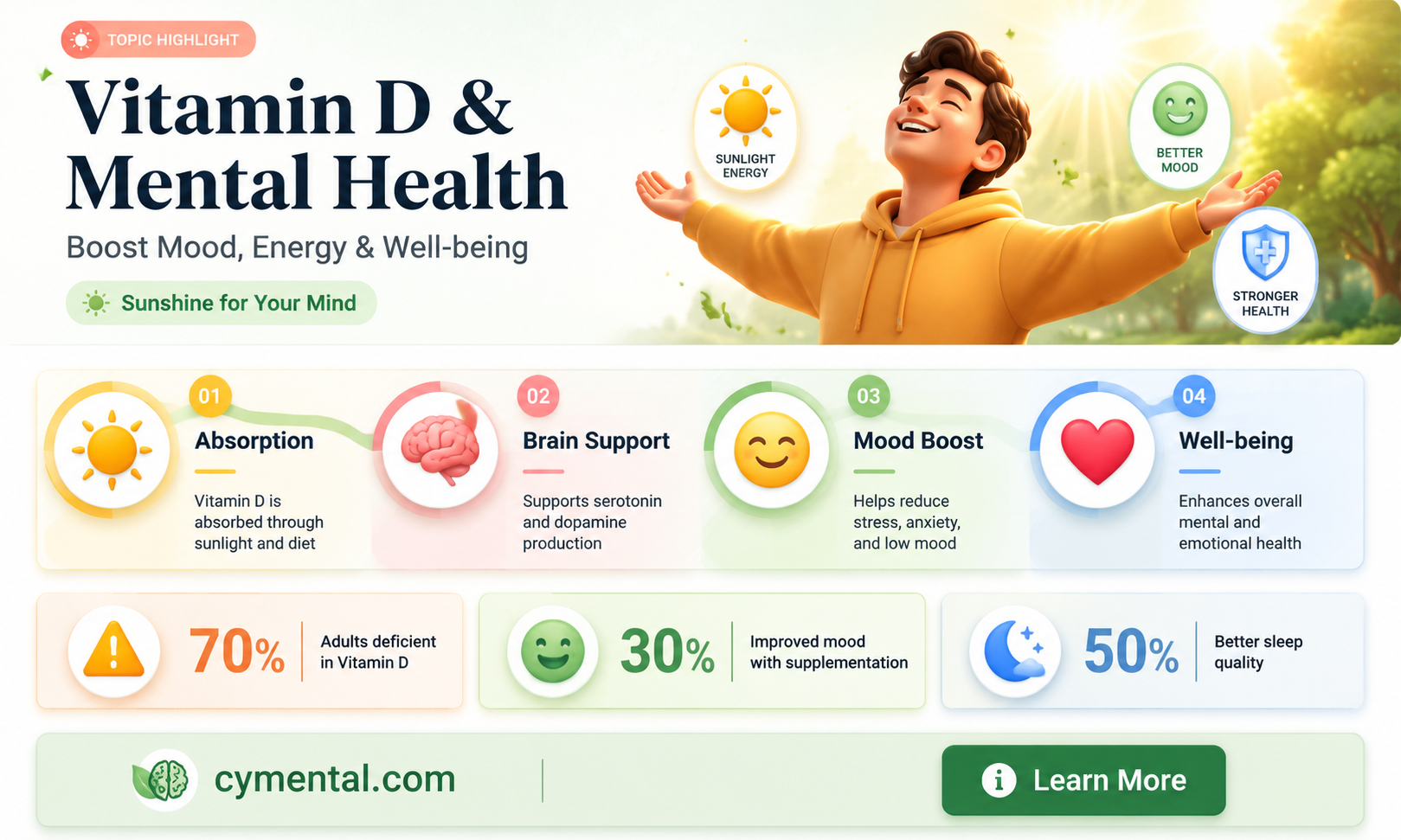
Vitamin D, often referred to as the sunshine vitamin, plays a crucial role in various bodily functions, but its potential impact on mental health has garnered significant attention in recent years. Research suggests that vitamin D may influence mental well-being by regulating neurotransmitters, reducing inflammation, and supporting brain health. Studies have linked vitamin D deficiency to an increased risk of depression, anxiety, and seasonal affective disorder (SAD), while supplementation has shown promise in improving mood and cognitive function in some individuals. However, the relationship between vitamin D and mental health is complex, and further research is needed to fully understand its mechanisms and effectiveness as a therapeutic intervention.
Explore related products





What You'll Learn

Vitamin D's role in reducing depression symptoms
Vitamin D, often dubbed the “sunshine vitamin,” plays a pivotal role in brain health, and its link to depression has become a focal point in mental health research. Studies suggest that individuals with depression frequently exhibit lower levels of vitamin D, sparking interest in its potential as a supplementary treatment. For instance, a meta-analysis published in the *Journal of Affective Disorders* found that vitamin D supplementation significantly reduced depressive symptoms in individuals with clinically low levels. This connection isn’t coincidental; vitamin D receptors are present in brain regions associated with mood regulation, such as the prefrontal cortex and hippocampus, suggesting a direct mechanism of action.
To harness vitamin D’s potential in combating depression, understanding dosage is critical. Most studies showing positive effects used daily doses ranging from 2,000 to 5,000 IU, though individual needs vary based on factors like baseline levels, age, and sun exposure. For adults over 70, higher doses may be necessary due to reduced skin synthesis of vitamin D. However, supplementation should be approached cautiously; excessive intake can lead to hypercalcemia, a condition marked by elevated calcium levels in the blood. Always consult a healthcare provider to determine the appropriate dosage and monitor levels through blood tests.
Practical tips for optimizing vitamin D intake extend beyond supplements. Sun exposure remains the most natural source, with 10–30 minutes of midday sunlight on the face, arms, or legs 2–3 times weekly being sufficient for many individuals. Dietary sources like fatty fish (salmon, mackerel), fortified foods (milk, orange juice), and egg yolks can also contribute to daily intake. For those in northern latitudes or with limited sun exposure, UV lamps designed for vitamin D synthesis can be an alternative, though their efficacy varies. Combining these strategies with supplementation, under professional guidance, offers a holistic approach to addressing vitamin D deficiency and its depressive symptoms.
While vitamin D isn’t a standalone cure for depression, its role as an adjunctive therapy is increasingly supported by evidence. A comparative analysis in *Nutrients* highlighted that individuals with treatment-resistant depression experienced greater symptom relief when vitamin D supplementation was added to their regimen. This underscores its potential as a complementary tool, particularly for those with confirmed deficiencies. However, it’s essential to manage expectations; vitamin D works best in conjunction with traditional treatments like therapy and medication, not as a replacement. Its benefits are most pronounced in populations with documented insufficiency, emphasizing the importance of personalized assessment and intervention.
Incorporating vitamin D into a mental health strategy requires a nuanced approach. Start with a blood test to assess 25-hydroxyvitamin D levels, the standard marker for deficiency. If levels fall below 20 ng/mL, supplementation is typically recommended. Pair this with lifestyle adjustments to maximize natural intake and monitor progress over 3–6 months. For those with depression, tracking mood changes alongside vitamin D levels can provide valuable insights into its effectiveness. While not a panacea, vitamin D’s role in reducing depression symptoms is a promising avenue, particularly for those with deficiencies, offering a simple yet impactful addition to mental health care.
Effective Strategies and Tools to Help You Overcome Daily Challenges
You may want to see also
Explore related products


Impact of Vitamin D on anxiety disorders
Vitamin D, often dubbed the "sunshine vitamin," plays a pivotal role in bone health, but its influence extends far beyond skeletal strength. Emerging research suggests a compelling link between vitamin D levels and mental health, particularly in the context of anxiety disorders. Studies have shown that individuals with anxiety disorders frequently exhibit lower serum vitamin D levels compared to those without such conditions. This correlation raises the question: Could vitamin D supplementation be a potential adjunctive therapy for managing anxiety?
Consider the mechanism at play. Vitamin D receptors are present in brain regions associated with mood regulation, such as the prefrontal cortex and hippocampus. These areas are critical in processing fear and emotional responses, which are often dysregulated in anxiety disorders. When vitamin D binds to these receptors, it may modulate neurotransmitter synthesis, including serotonin, a key player in mood stabilization. For instance, a 2015 meta-analysis published in the *Journal of Affective Disorders* found that vitamin D supplementation significantly reduced anxiety symptoms in deficient individuals. However, the efficacy of supplementation appears to be dose-dependent, with most studies suggesting a daily intake of 1,000–2,000 IU for adults to achieve optimal levels.
Practical implementation of vitamin D as a mental health aid requires caution. While supplementation is generally safe, excessive intake can lead to hypercalcemia, a condition characterized by elevated calcium levels in the blood. Individuals with pre-existing kidney conditions or those taking certain medications should consult a healthcare provider before starting supplementation. Additionally, relying solely on vitamin D to treat anxiety is misguided; it should complement, not replace, evidence-based therapies like cognitive-behavioral therapy (CBT) or medication. For those with mild anxiety symptoms, increasing natural vitamin D exposure through sunlight (10–30 minutes of midday sun, 2–3 times weekly) or dietary sources like fatty fish and fortified foods can be a viable first step.
A comparative analysis of vitamin D’s role in anxiety versus other mental health conditions reveals intriguing differences. While its impact on depression is well-documented, its effects on anxiety appear more nuanced, varying by subtype. Generalized anxiety disorder (GAD) and panic disorder, for instance, may respond differently to supplementation compared to social anxiety disorder. This variability underscores the need for personalized approaches, factoring in individual vitamin D status, age, and comorbidities. For example, older adults, who are at higher risk of both vitamin D deficiency and anxiety, may require higher doses or alternative delivery methods, such as vitamin D3 supplements, which are more effective at raising serum levels than D2.
In conclusion, while vitamin D is not a panacea for anxiety disorders, its potential as a supportive intervention is promising. By addressing deficiency through targeted supplementation or lifestyle adjustments, individuals may experience a reduction in anxiety symptoms, particularly when combined with conventional treatments. However, the key lies in precision—tailoring interventions to individual needs and monitoring progress under professional guidance. As research continues to unravel the complex relationship between vitamin D and mental health, one thing is clear: the sunshine vitamin deserves a place in the conversation about holistic anxiety management.
Can Dogs Provide Emotional Support for Mental Health Struggles?
You may want to see also
Explore related products


Link between Vitamin D and seasonal affective disorder (SAD)
Vitamin D, often dubbed the “sunshine vitamin,” plays a pivotal role in mental health, particularly in the context of seasonal affective disorder (SAD). SAD, a type of depression linked to seasonal changes, typically strikes during fall and winter when sunlight exposure is minimal. This reduction in sunlight directly correlates with lower vitamin D levels, sparking interest in its potential as a therapeutic agent. Research suggests that vitamin D influences serotonin production, a neurotransmitter tied to mood regulation, which may explain its connection to SAD symptoms like lethargy, irritability, and persistent sadness.
Analyzing the link between vitamin D and SAD reveals compelling evidence. A 2014 study published in the *Journal of Psychiatry & Neuroscience* found that individuals with SAD had significantly lower vitamin D levels compared to those without the disorder. Another study in the *Medical Hypotheses* journal proposed that vitamin D supplementation could alleviate SAD symptoms by modulating the hypothalamus, a brain region involved in mood and sleep regulation. While these findings are promising, they underscore the need for personalized approaches, as optimal vitamin D levels vary by age, skin tone, and geographic location. For instance, adults generally require 600–800 IU of vitamin D daily, but those with SAD may benefit from higher doses under medical supervision.
Practical steps to harness vitamin D’s potential for SAD management include increasing sunlight exposure during daylight hours, especially in the morning. For those in regions with limited winter sunlight, light therapy boxes can mimic natural light, boosting both vitamin D synthesis and mood. Dietary sources like fatty fish, fortified foods, and supplements are also effective, but caution is advised: excessive vitamin D intake can lead to hypercalcemia, a condition causing nausea and weakness. Blood tests to monitor levels are recommended before starting supplementation, particularly for older adults and individuals with pre-existing health conditions.
Comparatively, while antidepressants and psychotherapy remain standard SAD treatments, vitamin D supplementation offers a complementary, cost-effective strategy with minimal side effects. Its dual role in bone health and mental well-being makes it an appealing option for holistic management. However, it’s not a one-size-fits-all solution. For example, younger adults with mild SAD may respond well to lifestyle adjustments and moderate supplementation, whereas severe cases may require a multifaceted approach. The key takeaway? Vitamin D is a valuable tool in the SAD toolkit, but its efficacy depends on individual factors and professional guidance.
Descriptively, imagine a winter morning where the sun barely grazes the horizon, and the chill seeps into your bones. For someone with SAD, this scenario can feel suffocating. Introducing vitamin D—whether through a sunlit walk, a supplement, or a plate of salmon—can be like flickering a light in the darkness. It’s not an instant cure, but a steady, nurturing force that aligns body and mind with the rhythms of the season. By addressing the biological underpinnings of SAD, vitamin D offers hope for brighter days, even when the sky remains gray.
Christian Counseling: A Path to Mental Health Healing?
You may want to see also
Explore related products


Vitamin D supplementation for mood regulation
Vitamin D, often dubbed the "sunshine vitamin," plays a pivotal role in bone health, but its influence extends far beyond skeletal strength. Emerging research suggests a compelling link between vitamin D levels and mood regulation, particularly in the context of mental health disorders like depression and seasonal affective disorder (SAD). Studies indicate that individuals with lower vitamin D levels are more likely to experience symptoms of depression, anxiety, and mood swings. This correlation has sparked interest in vitamin D supplementation as a potential adjunctive therapy for mood disorders.
From a physiological standpoint, vitamin D receptors are present in brain regions associated with mood regulation, such as the hippocampus and prefrontal cortex. These receptors suggest that vitamin D may influence neurotransmitter synthesis, neuroplasticity, and inflammation—all critical factors in mental health. For instance, vitamin D is believed to enhance the production of serotonin, a neurotransmitter that contributes to feelings of well-being and happiness. This biochemical interplay underscores the rationale for exploring vitamin D supplementation as a mood-enhancing intervention.
When considering supplementation, dosage is a critical factor. The recommended daily intake of vitamin D varies by age and health status, but adults typically require 600–800 IU (International Units) daily, with some experts suggesting up to 2,000 IU for those at risk of deficiency. For individuals with diagnosed mood disorders, higher doses may be prescribed under medical supervision, often ranging from 2,000 to 5,000 IU daily. It’s essential to monitor blood levels of 25-hydroxyvitamin D to avoid toxicity, as excessive supplementation can lead to hypercalcemia. Practical tips include pairing vitamin D with a meal containing healthy fats to enhance absorption, as it is a fat-soluble vitamin.
Comparatively, vitamin D supplementation stands out as a low-cost, low-risk intervention with potential high rewards for mood regulation. Unlike many pharmaceutical treatments for depression, vitamin D has minimal side effects when taken appropriately. However, it’s not a standalone solution. Supplementation should complement other evidence-based treatments, such as therapy and lifestyle modifications. For example, combining vitamin D supplementation with regular sunlight exposure, exercise, and a balanced diet can synergistically support mental well-being.
In conclusion, while the relationship between vitamin D and mood regulation is still being unraveled, current evidence supports its role as a valuable tool in mental health management. Whether you’re addressing seasonal blues or chronic mood disorders, incorporating vitamin D supplementation—under professional guidance—could be a practical step toward emotional balance. Always consult a healthcare provider to tailor the approach to your specific needs, ensuring both safety and efficacy.
Stem Cells and Mental Retardation: Exploring Potential Therapies and Hope
You may want to see also
Explore related products




Effects of Vitamin D deficiency on cognitive function
Vitamin D deficiency doesn’t just weaken bones; it subtly undermines cognitive function, particularly in older adults. Studies show that individuals with low vitamin D levels (below 20 ng/mL) are 53% more likely to experience cognitive decline compared to those with sufficient levels (50 ng/mL or higher). This isn’t merely correlation—research suggests vitamin D receptors in the brain play a role in neuroprotection, synaptic plasticity, and neurotransmitter synthesis. Without adequate vitamin D, these processes falter, leading to memory lapses, slower information processing, and reduced executive function. For adults over 60, maintaining optimal levels through sunlight exposure (15–20 minutes daily) or supplementation (1000–2000 IU/day) isn’t just about bone health—it’s a critical safeguard for cognitive longevity.
Consider the mechanism: vitamin D deficiency exacerbates inflammation and oxidative stress, both of which are hallmarks of neurodegenerative diseases like Alzheimer’s. A 2017 meta-analysis revealed that individuals with Alzheimer’s had significantly lower vitamin D levels compared to cognitively healthy peers. While supplementation isn’t a cure, it may slow progression. For middle-aged adults, pairing vitamin D intake with omega-3 fatty acids (which enhance its absorption) could be a proactive strategy. However, caution is warranted—excessive dosing (above 4000 IU/day) can lead to hypercalcemia, so always consult a healthcare provider before starting high-dose regimens.
The impact of vitamin D deficiency on younger populations is equally concerning, though less discussed. Adolescents and young adults with insufficient levels often report brain fog, difficulty concentrating, and mood disturbances. A 2020 study linked low vitamin D to poorer performance on cognitive tests measuring attention and problem-solving. For this demographic, lifestyle adjustments—such as incorporating vitamin D-fortified foods (e.g., fatty fish, fortified milk) and using UV lamps during winter months—can mitigate risks. Schools and workplaces could also benefit from initiatives promoting sunlight exposure during breaks, balancing skin cancer risks with cognitive health benefits.
Finally, addressing vitamin D deficiency requires a tailored approach. For instance, darker-skinned individuals produce less vitamin D from sunlight due to higher melanin levels, making supplementation (typically 2000–4000 IU/day) particularly crucial. Pregnant women, whose vitamin D status influences fetal brain development, should aim for 600–800 IU/day, as recommended by the Endocrine Society. Regular blood tests to monitor 25-hydroxyvitamin D levels are essential, as individual needs vary. While vitamin D isn’t a panacea for cognitive decline, correcting its deficiency is a low-cost, high-impact intervention that deserves priority in mental health strategies.
Love's Healing Power: Can Emotional Support Ease Mental Illness?
You may want to see also
Frequently asked questions
Yes, research suggests that vitamin D supplementation may help alleviate symptoms of depression, particularly in individuals with vitamin D deficiency. However, it is not a standalone treatment and should complement other therapies.
Vitamin D has been linked to reduced anxiety levels in some studies, as it may influence neurotransmitter function and reduce inflammation, both of which are factors in anxiety disorders.
Vitamin D supplementation may help manage symptoms of seasonal affective disorder (SAD), especially during winter months when sunlight exposure (and natural vitamin D production) is limited.
The optimal dosage varies, but most studies suggest 1,000–4,000 IU daily for mental health benefits. Consult a healthcare provider for personalized advice based on your vitamin D levels and needs.