Noah Parker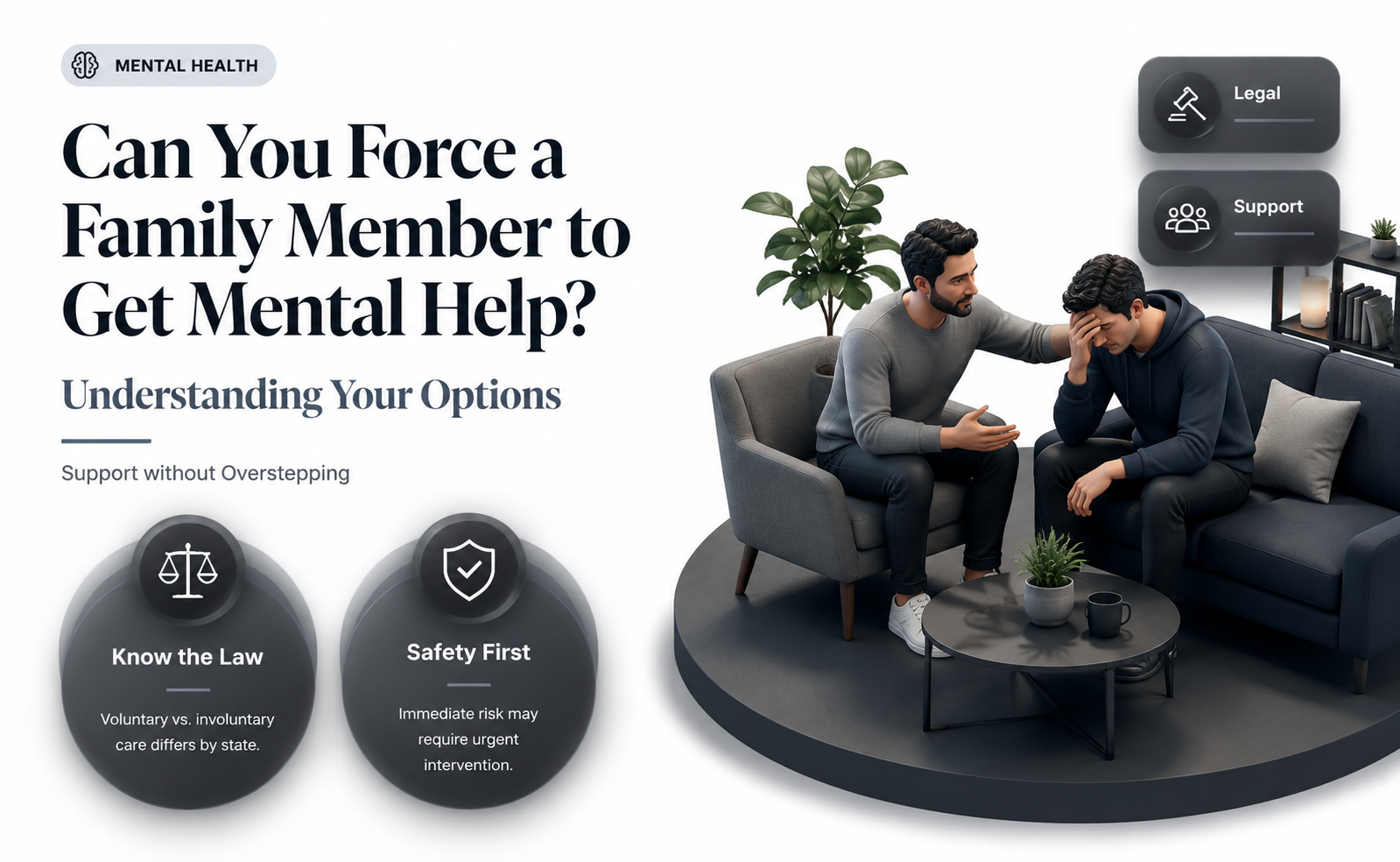
The question of whether you can force a family member to seek mental health treatment is complex and emotionally charged, often arising from deep concern for a loved one’s well-being. While the desire to help is understandable, the ability to compel someone into treatment depends on legal, ethical, and situational factors. In many jurisdictions, involuntary commitment is only possible if the individual poses an immediate danger to themselves or others, and even then, it requires a formal assessment by mental health professionals. Beyond legal constraints, forcing treatment can strain relationships and may not address the underlying issues if the person is not receptive. Instead, families often explore supportive strategies, such as encouraging open communication, offering resources, and involving professionals to guide the process. Ultimately, balancing compassion with respect for autonomy is key when navigating this sensitive issue.
| Characteristics | Values |
|---|---|
| Legal Ability to Force Treatment | Varies by country and region. In many places, you cannot force an adult family member to seek mental health treatment against their will unless they meet specific legal criteria (e.g., being a danger to themselves or others). |
| Involuntary Commitment Laws | Exists in many jurisdictions, allowing for temporary detention and evaluation of individuals who pose a risk. Criteria and processes differ widely. |
| Capacity to Consent | Adults generally have the right to refuse treatment unless deemed legally incompetent. Minors may require parental consent, but laws vary. |
| Emergency Situations | In immediate crisis (e.g., suicidal behavior), emergency services can intervene, but long-term treatment still requires consent or legal action. |
| Supportive Approaches | Encouragement, open communication, and involving professionals (e.g., therapists, interventionists) are recommended over coercion. |
| Ethical Considerations | Forcing treatment raises ethical concerns about autonomy, dignity, and human rights. Balancing care and respect is crucial. |
| Cultural and Social Factors | Stigma around mental health may prevent family members from seeking help voluntarily, complicating intervention efforts. |
| Resources for Families | Support groups, counseling, and education on mental health can empower families to assist their loved ones effectively. |
| Long-Term Outcomes | Voluntary treatment often leads to better outcomes than forced treatment, as it fosters trust and cooperation. |
| Legal Alternatives | Guardianship or conservatorship may be pursued in extreme cases, but these are complex and require legal proof of incapacity. |
Explore related products


What You'll Learn

Legal options for involuntary treatment
Involuntary treatment for mental health issues is a complex and highly regulated process, governed by laws that vary significantly by jurisdiction. In the United States, for example, each state has its own criteria for when and how a person can be compelled to receive psychiatric care. Generally, the legal threshold requires evidence that the individual poses a danger to themselves or others, or is unable to care for their basic needs due to their mental condition. This is often referred to as the "grave disability" or "imminent harm" standard. Without meeting these criteria, forcing treatment is not legally permissible, even if family members believe it is necessary.
The process typically begins with filing a petition in court, often initiated by a family member, mental health professional, or law enforcement officer. In California, for instance, the Lanterman-Petris-Short (LPS) Act outlines specific steps, including a 72-hour hold for evaluation and a subsequent court hearing to determine if longer-term involuntary treatment is warranted. In contrast, New York’s process involves an emergency admission followed by a court order for continued treatment. These procedures are designed to balance the individual’s rights with public safety, but they can be time-consuming and emotionally taxing for families.
One critical aspect of involuntary treatment is the role of the mental health professional. Psychiatrists or psychologists must assess the individual and provide testimony to support the need for involuntary care. This assessment often includes evaluating the person’s ability to make informed decisions, their risk of harm, and the potential benefits of treatment. For example, a person with untreated schizophrenia who is experiencing psychotic episodes and refusing medication may meet the criteria for involuntary treatment if they are deemed a danger to themselves or others. However, the bar for this determination is intentionally high to prevent misuse of the system.
It’s important to note that involuntary treatment is not a long-term solution but rather a temporary measure to stabilize the individual. In most cases, treatment lasts for a few days to a few weeks, after which the person may be released or transitioned to voluntary care. Medications such as antipsychotics (e.g., olanzapine, 10–20 mg/day) or mood stabilizers (e.g., lithium, 900–1200 mg/day) are commonly used during this period, but dosages and duration are tailored to the individual’s needs. Families should be prepared for the possibility that their loved one may resist treatment or relapse once released, underscoring the importance of ongoing support and follow-up care.
While involuntary treatment can be a lifeline in crisis situations, it is not without ethical and practical challenges. Critics argue that it can erode trust between the individual and their support system, and it may not address the underlying issues driving the mental health crisis. Families considering this option should explore alternatives first, such as crisis intervention teams, outpatient commitment programs, or supportive housing. Ultimately, involuntary treatment should be viewed as a last resort, reserved for situations where all other efforts have failed and the individual’s safety is at immediate risk.
Mental Health History: Boosting Temporary Insanity Claims in Court?
You may want to see also
Explore related products


Signs someone needs urgent mental health intervention
Recognizing when a family member requires urgent mental health intervention can be challenging, but certain signs demand immediate attention. One of the most critical indicators is suicidal ideation or behavior. If a person expresses thoughts of ending their life, makes plans, or attempts self-harm, this is an emergency. For instance, phrases like "I wish I wasn’t here" or "You’d all be better off without me" should never be dismissed. In such cases, call a crisis hotline (e.g., 988 in the U.S.) or seek emergency medical help immediately. Delaying action could be fatal.
Another red flag is severe psychotic symptoms, such as hallucinations or delusions, particularly if they lead to dangerous behavior. For example, a person believing they are being persecuted might act aggressively to "protect" themselves. Unlike milder mental health issues, psychosis often requires involuntary intervention if the individual is unable to recognize their condition. In many jurisdictions, this falls under "danger to self or others," a legal criterion for involuntary commitment. However, this process varies by location, so consult local mental health laws or professionals for guidance.
Rapid deterioration in functioning is another sign that intervention is urgent. If a family member suddenly stops eating, sleeping, or caring for themselves, or if they withdraw completely from social interactions, this could indicate a severe depressive or manic episode. For adolescents, sudden changes in behavior, like extreme irritability or academic failure, warrant concern. Keep a log of these changes to provide to healthcare providers, as it can help them assess the severity and urgency of the situation.
Finally, substance abuse combined with mental health symptoms often necessitates immediate intervention. For example, someone self-medicating with alcohol or drugs while experiencing anxiety or depression may spiral into a crisis. If you notice a family member mixing substances with erratic behavior, such as aggression or extreme mood swings, this is a dangerous combination. In such cases, contact a mental health professional or addiction specialist who can address both issues simultaneously. Remember, forcing help isn’t always possible, but advocating for urgent care is a critical step in preventing long-term harm.
First Responders' Mental Health: Personal Struggles and Support Solutions
You may want to see also
Explore related products


$36.14 $59.99


Ethical concerns in forcing mental health care
Forcing a family member into mental health treatment raises profound ethical dilemmas, particularly around autonomy versus protection. The principle of autonomy in medical ethics asserts that competent individuals have the right to make decisions about their own care, even if those decisions seem unwise to others. When a family member is deemed a danger to themselves or others due to severe mental illness, legal systems in many countries allow for involuntary commitment. However, this intervention must be balanced against the individual’s right to self-determination. For instance, in the U.S., the criteria for involuntary treatment often include demonstrable risk of harm, yet even then, courts typically require the least restrictive alternative. This tension highlights the ethical challenge: how to respect personal freedom while ensuring safety in cases of acute mental health crises.
Consider the case of a 28-year-old with untreated schizophrenia who refuses medication, believing it to be poison. Family members may feel compelled to intervene, fearing self-harm or deterioration. Here, the ethical concern shifts to the potential for coercion and the long-term impact on trust. Forced treatment can erode the therapeutic relationship, making future voluntary engagement less likely. Moreover, the use of physical or chemical restraints during involuntary care raises questions about dignity and human rights. The World Health Organization emphasizes that mental health care should prioritize consent and minimize coercion, even in emergency situations. This underscores the need for families to explore alternatives, such as crisis intervention teams or advance directives, before resorting to forced treatment.
From a practical standpoint, navigating the legal process for involuntary commitment is complex and varies widely by jurisdiction. In California, for example, families can initiate a 5150 hold, a 72-hour psychiatric evaluation for individuals posing an immediate danger. However, this requires clear evidence of risk, and the process can be emotionally taxing for all involved. In contrast, countries like the UK have Mental Health Act assessments, which involve multiple professionals but still carry ethical risks of overreach. Families must weigh the urgency of the situation against the potential harm to the individual’s autonomy and dignity. Consulting with mental health professionals early can provide guidance on when and how to intervene ethically.
A comparative analysis reveals that cultural attitudes toward mental health significantly influence perceptions of forced treatment. In collectivist societies, family decisions may carry more weight, potentially justifying intervention for the perceived greater good. However, this approach can overlook individual rights and exacerbate stigma. Conversely, individualistic cultures may prioritize personal freedom, even at the risk of neglecting those in crisis. For example, Japan’s mental health system emphasizes family involvement, while Scandinavian countries focus on patient autonomy. These differences highlight the need for culturally sensitive approaches that balance ethical principles with societal values.
Ultimately, the ethical concerns in forcing mental health care demand a nuanced, case-by-case approach. While involuntary treatment may be necessary in extreme situations, it should always be a last resort. Families can mitigate ethical risks by fostering open communication, educating themselves about mental health, and seeking professional support early. Advance planning, such as creating a psychiatric advance directive, allows individuals to express their treatment preferences in advance, reducing the need for coercion. By prioritizing empathy, respect, and collaboration, families can navigate this complex terrain while upholding the dignity and rights of their loved ones.
Stem Cells and Mental Retardation: Exploring Potential Therapies and Hope
You may want to see also
Explore related products

$29.99
![[Essential Skills in Family Therapy] 3rd Edition 2018: [From the First Interview to Termination] Third Edition Paperback](https://m.media-amazon.com/images/I/61eFdRDaV-L._AC_UL320_.jpg)


Role of family in supporting treatment decisions
Family members often find themselves in a delicate position when a loved one is struggling with mental health issues. While the instinct to help is natural, the question of whether and how to intervene can be fraught with legal, ethical, and emotional complexities. In most jurisdictions, forcing an adult family member into treatment against their will is not legally permissible unless they pose an immediate danger to themselves or others. However, this does not diminish the critical role families play in supporting treatment decisions. Their influence can be pivotal in encouraging voluntary engagement with mental health services, fostering trust, and creating a supportive environment for recovery.
One of the most effective ways families can support treatment decisions is by fostering open communication. Mental health struggles often thrive in silence, and breaking that silence can be the first step toward healing. Families should approach conversations with empathy, avoiding judgment or blame. For instance, instead of saying, "You need help," try, "I’ve noticed you’ve been feeling down lately, and I’m here to support you if you want to talk to someone." Providing specific examples of concerning behaviors can also make the conversation more concrete and less confrontational. For adults over 18, it’s essential to respect their autonomy while gently guiding them toward resources like therapy or counseling. For minors, parents or guardians have more legal authority to make treatment decisions, but involving the child in the process can improve cooperation and outcomes.
Practical support is another cornerstone of a family’s role in treatment decisions. This can include helping to research therapists, scheduling appointments, or even accompanying the family member to their first session. For example, if a loved one is prescribed medication, families can assist with managing dosages and monitoring side effects. A 2020 study published in *Psychiatric Services* found that family involvement in medication management significantly improved adherence rates among patients with schizophrenia. Similarly, families can help create a structured daily routine, which is particularly beneficial for individuals with conditions like depression or bipolar disorder. Small actions, such as ensuring meals are eaten at regular times or encouraging physical activity, can complement professional treatment and enhance its effectiveness.
Families must also navigate the emotional toll of supporting a loved one’s mental health journey. Caregiver burnout is a real risk, and self-care is not optional—it’s essential. Joining support groups for families of individuals with mental health issues can provide valuable insights and emotional relief. For example, organizations like the National Alliance on Mental Illness (NAMI) offer family education programs that teach coping strategies and communication skills. Additionally, setting boundaries is crucial. While it’s natural to want to “fix” everything, families must recognize that their role is to support, not to take on the entire burden of their loved one’s recovery. Encouraging professional help while maintaining personal well-being ensures that families can provide sustainable support over the long term.
Finally, families should advocate for their loved ones within the healthcare system. Mental health treatment is not one-size-fits-all, and finding the right approach often requires persistence. Families can help by asking informed questions during appointments, such as inquiring about evidence-based therapies or potential side effects of medications. For instance, cognitive-behavioral therapy (CBT) has been shown to be effective for anxiety and depression, while dialectical behavior therapy (DBT) is often recommended for borderline personality disorder. By staying informed and proactive, families can collaborate with healthcare providers to tailor treatment plans that align with their loved one’s needs and preferences. This partnership not only improves treatment outcomes but also reinforces the message that the family member is not alone in their struggle.
Can Mental Health Case Managers Assist in Securing Disability Benefits?
You may want to see also
Explore related products


Resources for crisis intervention and assistance
In moments of crisis, knowing where to turn can be the difference between escalation and resolution. Immediate resources like the National Suicide Prevention Lifeline (988) offer 24/7 support for individuals and families facing mental health emergencies. This hotline connects callers to trained counselors who can de-escalate situations, provide coping strategies, and guide next steps. For those uncomfortable with phone calls, the Crisis Text Line (text HOME to 741741) offers a discreet alternative, ensuring accessibility for all communication preferences.
Beyond hotlines, mobile crisis units are a critical yet underutilized resource. These teams, often dispatched by local mental health agencies, provide in-person intervention during acute episodes. They assess the individual’s condition, stabilize the situation, and determine if involuntary commitment is necessary under state laws. For example, in California, a 5150 hold allows for a 72-hour psychiatric evaluation if a person poses a danger to themselves or others. Knowing these protocols can empower families to act decisively when voluntary cooperation isn’t possible.
For long-term support, community mental health centers serve as hubs for ongoing care. They offer therapy, medication management, and case management services, often on a sliding scale fee basis. Programs like Assertive Community Treatment (ACT) are particularly effective for individuals with severe mental illness, providing wraparound services to prevent relapse and hospitalization. Families can advocate for their loved ones by contacting these centers to initiate an assessment or referral, even if the individual resists.
Legal avenues, while complex, can sometimes be necessary. Guardianship or conservatorship allows a designated family member to make healthcare decisions on behalf of an incapacitated individual. This process varies by state and requires court approval, typically involving medical documentation and legal representation. For instance, in New York, Article 81 proceedings outline criteria for appointing a guardian. While this route should be a last resort, it can provide a framework for ensuring treatment adherence when all else fails.
Finally, peer support groups like NAMI (National Alliance on Mental Illness) offer invaluable guidance for families navigating these challenges. Their Family-to-Family program provides education on mental health conditions, communication strategies, and local resources. By connecting with others who’ve faced similar struggles, families can reduce feelings of isolation and gain practical tools for crisis management. Combining these resources—hotlines, mobile units, community centers, legal options, and peer networks—creates a comprehensive safety net for both the individual and their support system.
Finding Support: Where to Get Help for Depression and Healing
You may want to see also
Frequently asked questions
In most cases, you cannot legally force an adult family member to seek mental health treatment unless they pose an immediate danger to themselves or others. Laws vary by jurisdiction, but involuntary commitment typically requires a court order or intervention by mental health professionals.
Encourage open communication, express your concerns, and offer support. You can also consult a mental health professional for guidance on how to approach the situation. In extreme cases, you may need to involve crisis intervention services if there’s a risk of harm.
As a parent or legal guardian, you have the authority to make decisions about a minor’s healthcare, including mental health treatment. However, it’s best to involve the child in the process and seek their cooperation whenever possible.
Forcing someone into treatment can damage trust, worsen relationships, and increase resistance to future help. It’s often more effective to approach the situation with empathy, patience, and professional guidance to encourage voluntary participation.